Importing goods can be stressful. Many business owners struggle with confusing paperwork, high costs, delays at customs, and poor visibility. These problems make global trade feel overwhelming. Importers often ask me: Can a freight forwarder actually make importing easier?
The answer is yes. Freight forwarders improve the importing experience by managing logistics, handling documentation, reducing costs, and offering visibility throughout the supply chain. They transform complex processes into smooth, predictable operations.
Here’s how freight forwarders make importing more efficient and stress-free.
How Do Forwarders Simplify the Import Process?
Importing involves multiple steps, from arranging transport to clearing customs.
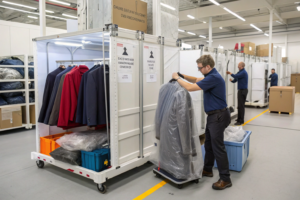
Forwarders simplify this by serving as a single point of contact for the entire process.
Do Forwarders Handle Customs Documentation?
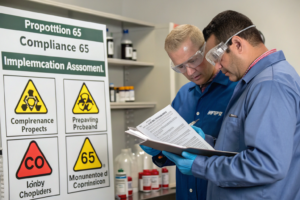
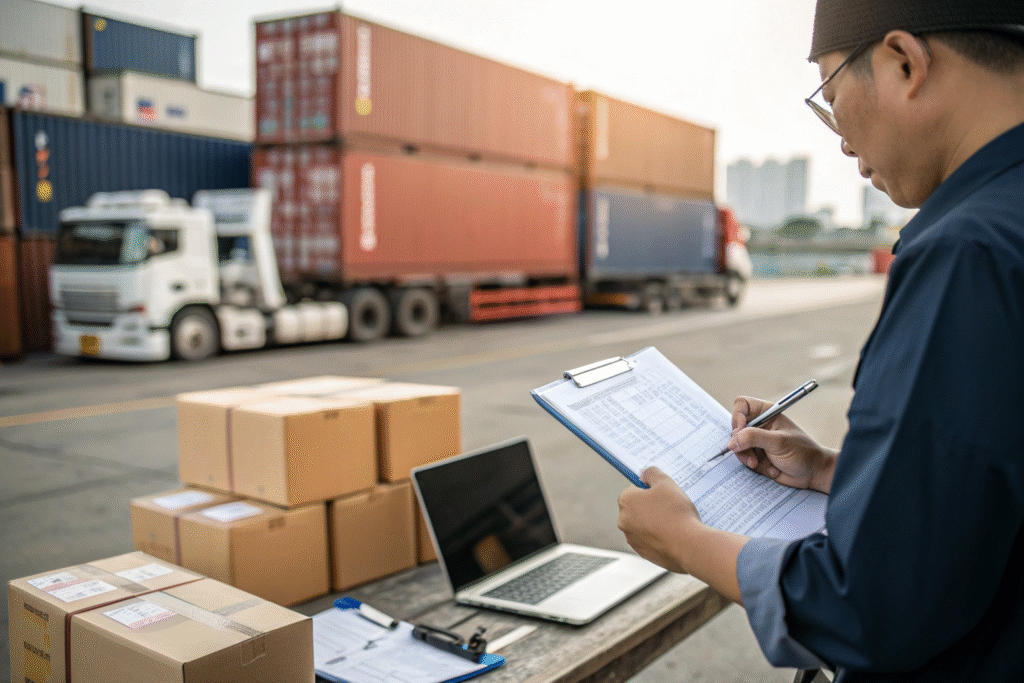
Yes. According to U.S. Customs and Border Protection, most import delays are caused by incorrect paperwork. Forwarders prepare and file documents to avoid mistakes.
Can Forwarders Arrange Door-to-Door Service?
Yes. According to DHL, many forwarders provide DDP (Delivered Duty Paid) services that include pickup, customs clearance, and final delivery to the importer’s warehouse.
How Do Forwarders Reduce Import Costs?
Importing can be expensive if not managed properly.
Forwarders save importers money by negotiating rates, consolidating shipments, and preventing hidden fees.

Can Forwarders Get Better Freight Rates?
Yes. Because they book in bulk, forwarders often get lower rates than individual importers. According to Journal of Commerce, forwarders consistently achieve more competitive pricing.
How Do They Prevent Hidden Charges?
By monitoring shipment schedules and port operations. According to Flexport, forwarders help importers avoid demurrage, detention, and storage fees.
How Do Forwarders Improve Visibility and Tracking?
Visibility gives importers confidence that shipments are on track.
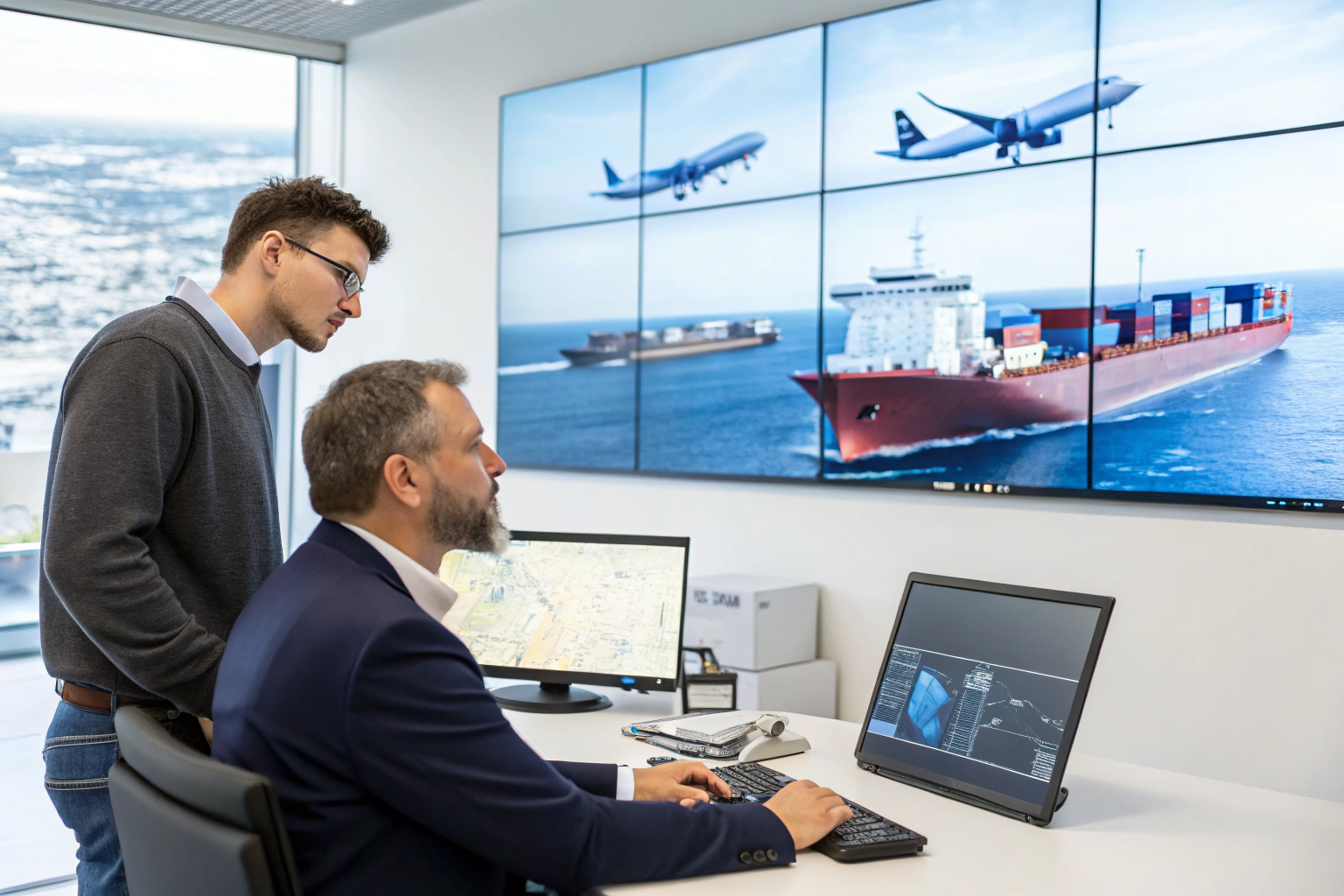
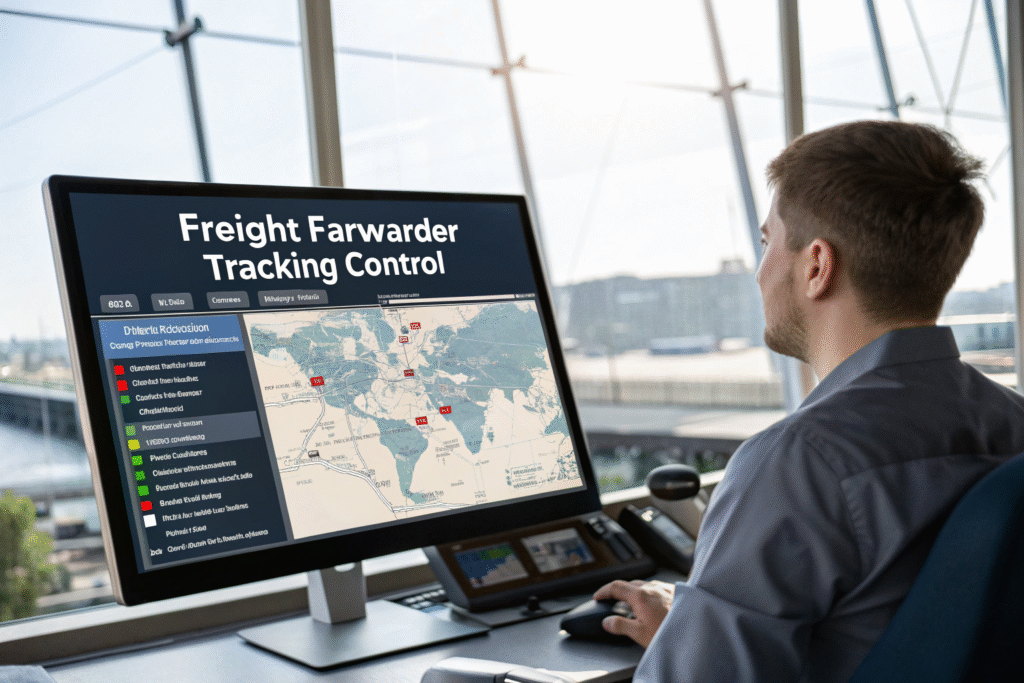
Forwarders use digital tools to provide real-time updates and predictive delivery times.
Do Forwarders Use Tracking Platforms?
Yes. Platforms like CargoSmart and Freightos allow importers to monitor shipments from departure to arrival.
How Does Tracking Help Business Owners?
It helps with inventory planning and reduces uncertainty. According to MarineTraffic, visibility prevents costly stockouts and customer dissatisfaction.
How Do Forwarders Reduce Stress for Importers?
Importing can be overwhelming without expert help.
Forwarders reduce stress by handling problems before they reach the importer, offering professional support at every stage.

Can Forwarders Manage Unexpected Issues?
Yes. According to Kuehne+Nagel, forwarders provide contingency planning when delays, strikes, or weather problems disrupt supply chains.
Do Forwarders Act as Long-Term Partners?
Yes. A good forwarder is not just a service provider but a partner who grows with your business. According to DHL, forwarders create customized solutions that evolve with importer needs.
Conclusion
Freight forwarders do much more than move cargo. They simplify processes, cut costs, improve visibility, and give importers peace of mind.
For any business importing goods, working with a reliable freight forwarder ensures smoother, faster, and more profitable trade. Instead of worrying about customs, costs, and schedules, importers can focus on growing their business with confidence.