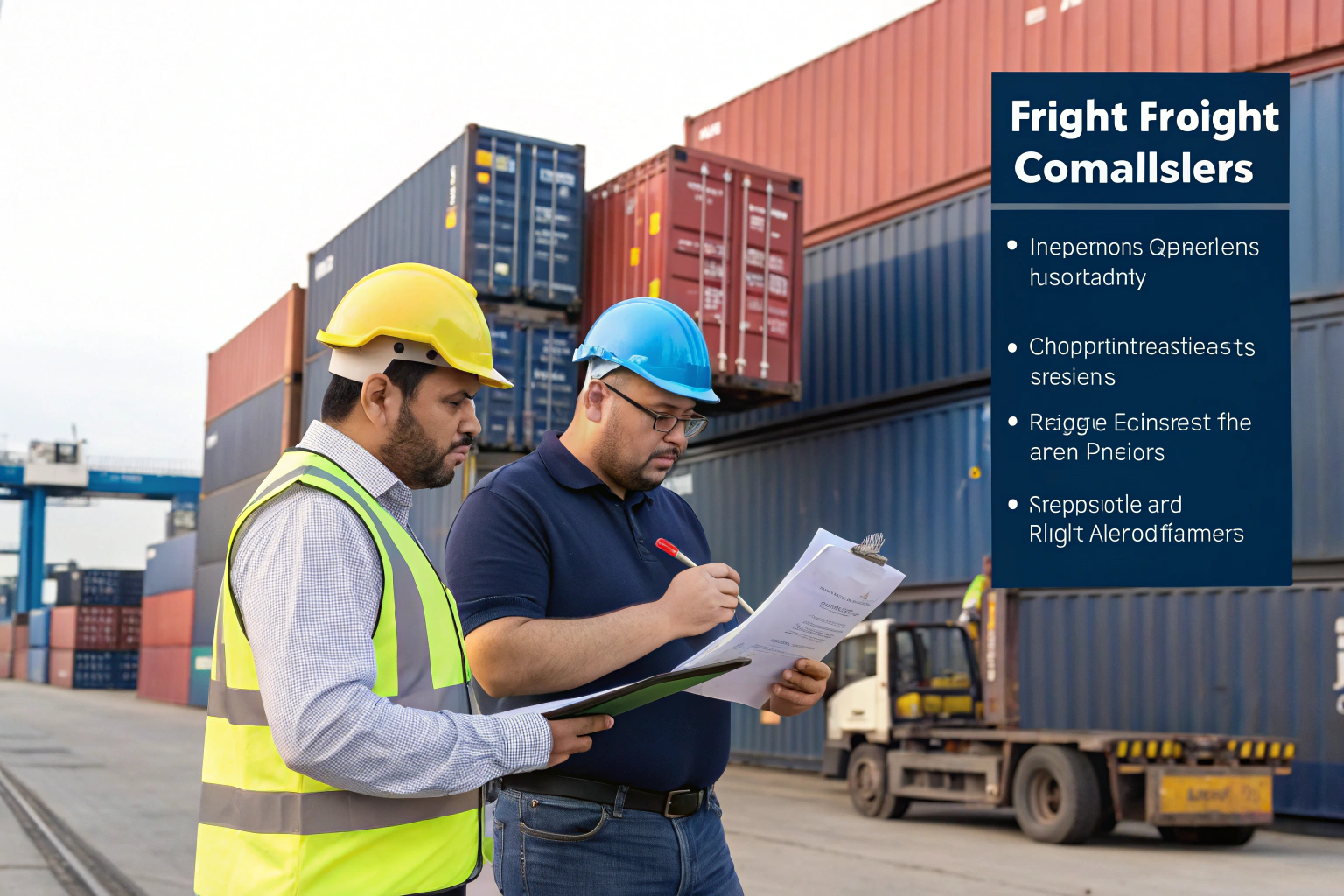
Freight penalties are one of the biggest frustrations in international shipping. Importers often face extra charges due to detention, demurrage, incorrect documentation, or customs violations. For business owners like Ron in the U.S., who import clothing and accessories from China, these penalties can quickly reduce profits and disrupt supply chains.
The good news is that freight forwarders help businesses avoid costly penalties. With their expertise, proactive planning, and compliance knowledge, they ensure goods move smoothly and stay within regulations.
In this article, I will explain how freight forwarders protect importers from penalties and why they are essential for cost control in global trade.
What Are the Most Common Freight Penalties?
Freight penalties usually happen because of delays or errors in logistics.
The most common penalties are demurrage, detention, and customs fines.

Why Are Demurrage Fees So Common?
Demurrage fees are charged when containers stay too long at the port. According to Journal of Commerce, demurrage is one of the most expensive penalties importers face.
Forwarders prevent this by coordinating pickup schedules and arranging bonded warehouses.
How Do Customs Fines Impact Importers?
Incorrect HS codes, missing documents, or undervaluation can trigger fines. The World Customs Organization (WCO) states that compliance errors are a top reason for customs penalties.
Freight forwarders prepare accurate documents and ensure compliance with local regulations.
How Do Freight Forwarders Prevent Penalties?
Freight forwarders use expertise and proactive planning to keep shipments penalty-free.
They manage documentation, schedule shipments, and maintain compliance with customs authorities.

How Do Forwarders Ensure Documentation Accuracy?
According to U.S. Customs and Border Protection, incomplete or incorrect paperwork is the leading cause of shipment fines.
Forwarders verify invoices, packing lists, and HS codes before shipments leave the factory.
Why Is Timely Scheduling Important?
Late pickups often trigger detention and demurrage charges. Reports from Freightos highlight poor scheduling as a top cause of penalties.
Forwarders coordinate carrier schedules and arrange warehouse storage to prevent delays.
What Strategies Do Forwarders Use to Minimize Risks?
Forwarders don’t just react to problems—they prevent them.
They use technology, warehousing solutions, and compliance audits to reduce penalty risks.

How Does Real-Time Tracking Reduce Penalty Risks?
Tools like Project44 provide live updates on container movements and port deadlines.
Forwarders use these systems to schedule timely pickups and avoid storage penalties.
Why Are Bonded Warehouses Effective?
When clearance takes longer than expected, bonded warehouses prevent goods from staying at ports. Reports from DHL Supply Chain confirm that bonded storage reduces demurrage and detention costs.
Forwarders arrange warehouse space near major ports to keep shipments safe and penalty-free.
Why Are Freight Forwarders Essential for Avoiding Penalties?
Freight penalties may seem inevitable, but with the right forwarder, they can be avoided.
Forwarders combine experience, technology, and customs relationships to keep costs under control.

How Do Forwarders Save Importers Money?
By preventing penalties, forwarders protect importers from unnecessary costs. Insights from FIATA show that forwarders’ planning reduces financial risks in global trade.
This means importers like Ron can protect profit margins.
Why Does Experience Make Forwarders More Reliable?
Experienced forwarders anticipate problems before they arise. At GeeseCargo, we have years of experience managing complex U.S. and European routes, helping clients avoid costly mistakes.
That’s why importers choose us as their reliable freight forwarding partner.
Conclusion
Freight penalties can disrupt supply chains and drain profits. But with freight forwarders, importers can avoid unnecessary charges through accurate documentation, proactive scheduling, and compliance management.
For businesses importing from China to the U.S., GeeseCargo provides the expertise and strategies needed to minimize risks and keep logistics smooth.
Freight forwarders don’t just manage cargo—they protect businesses from costly penalties.