Delays at customs can cause lost revenue, missed deadlines, and customer frustration. Many U.S. importers like Ron, who source from China, often ask if freight forwarders can actually speed up the clearance process. With large volumes of goods moving across borders daily, smooth customs clearance is vital for profitability.
Yes, experienced freight forwarders accelerate customs processing by handling documentation correctly, leveraging strong relationships, and using advanced technology.
As a freight forwarder with years of experience on European and American routes, I know customs is the biggest bottleneck in logistics. Our role is to anticipate risks, ensure compliance, and clear shipments quickly. Choosing the right partner makes the difference between costly delays and on-time deliveries.
How Do Freight Forwarders Handle Customs Documentation?
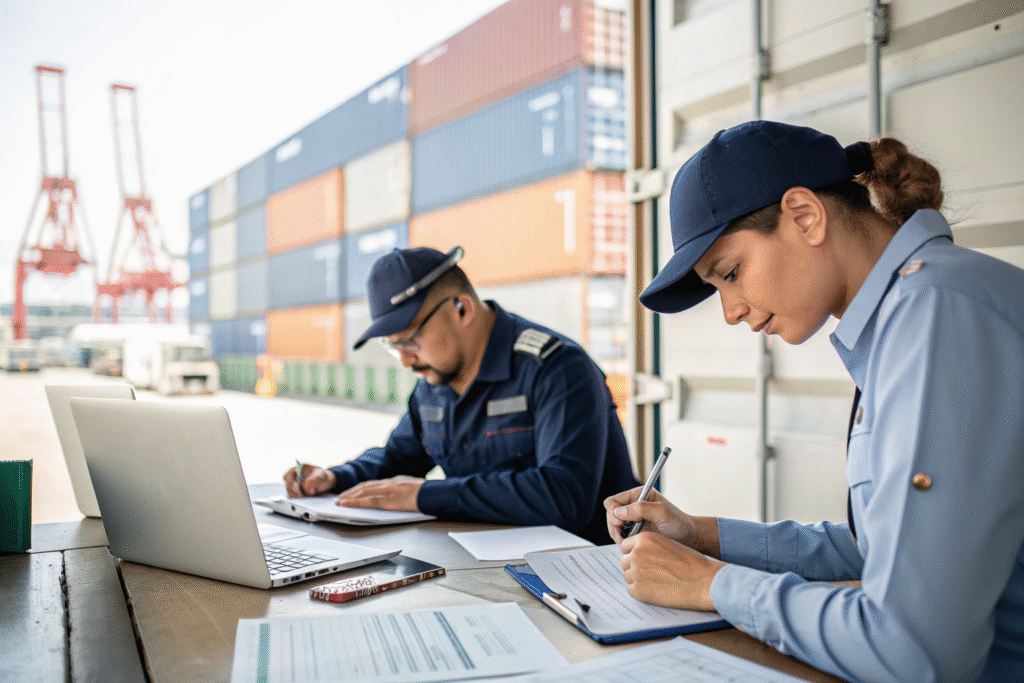
Customs clearance begins with documents. One missing or inaccurate entry can delay shipments for days.
Freight forwarders prepare accurate shipping paperwork in advance, verify compliance, and electronically file with customs to reduce delays.
What documents are required for customs clearance?
Key documents include the commercial invoice, packing list, and bill of lading. Consistency across them is essential. The U.S. Customs and Border Protection stresses accuracy in invoices and product details. Forwarders also guide clients in choosing correct HS codes, avoiding misclassification issues. The World Customs Organization provides standards for global classification.
Can forwarders pre-file customs entries?
Yes. Many forwarders use electronic platforms to pre-file customs entries before cargo arrives. For shipments to the U.S., the ACE (Automated Commercial Environment) allows this. Pre-filing reduces port waiting times and helps shipments clear faster.
Why Are Customs Relationships Important?
Customs clearance is not only about documents—it is also about communication.
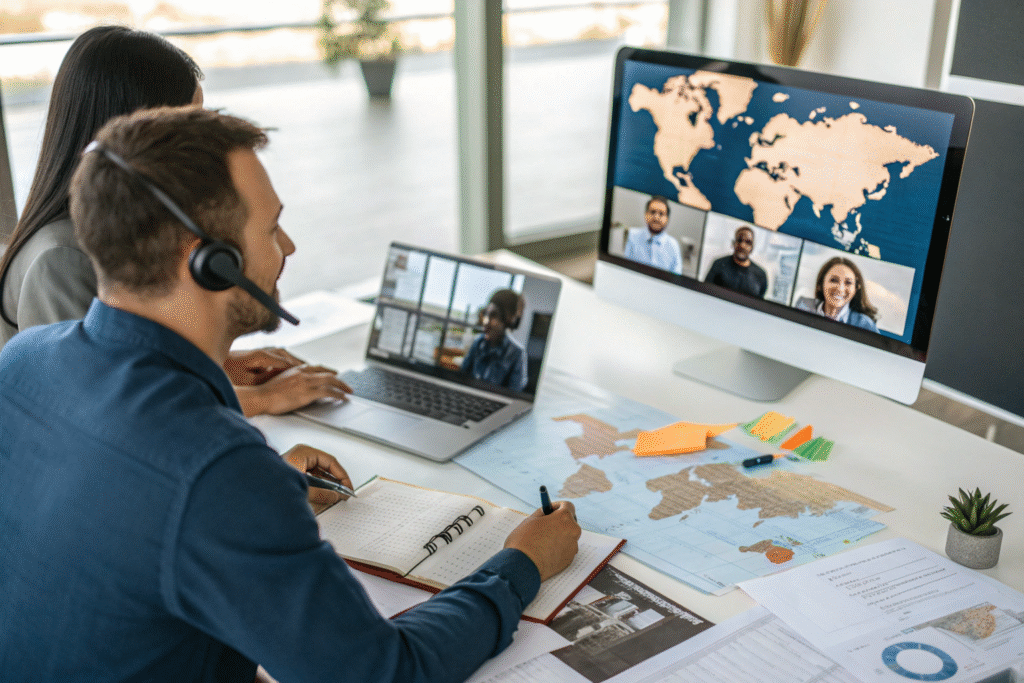
Freight forwarders with trusted contacts at major ports can solve clearance issues quickly and prevent delays.
Do forwarders have contacts at customs?
Experienced forwarders maintain direct connections with brokers and customs officials. These relationships are especially valuable when shipments face review. FIATA highlights how licensed forwarders ensure smooth coordination with customs agencies.
How do forwarders handle inspections?
When cargo is flagged, forwarders coordinate with customs, manage communication, and resolve issues. They also help reduce inspection risks by advising on proper labeling and accurate product details. The International Trade Administration provides guidelines on managing inspections.
What Role Does Technology Play in Faster Customs Clearance?
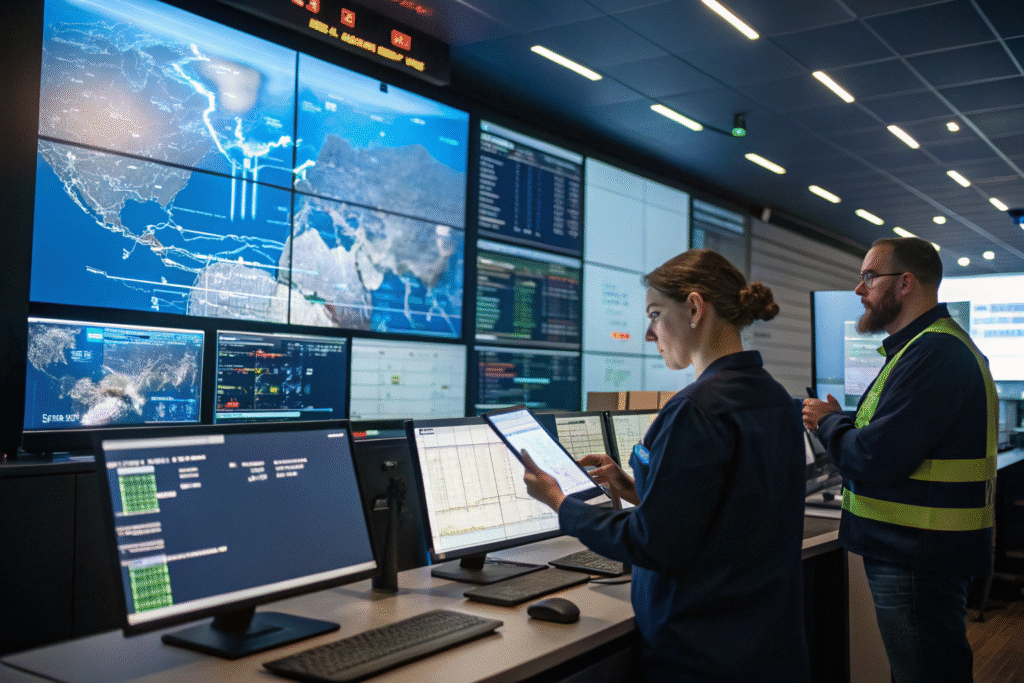
Technology now drives customs efficiency. Automation reduces errors and provides real-time updates for clients.
Digital tools allow forwarders to file, track, and manage customs clearance faster while giving clients full visibility.
How do digital platforms improve customs efficiency?
Platforms like CargoWise integrate logistics and compliance in one system. They cut down manual processes and reduce errors, ensuring shipments meet regulations before reaching customs.
Can clients track customs clearance in real time?
Yes. Many forwarders offer dashboards where clients track clearance status. Some platforms, like FourKites, provide estimated clearance times and proactive alerts, giving businesses better planning power.
Do Freight Forwarders Save Money Along With Time?
Time wasted at customs often equals money lost. Storage, demurrage, and detention fees add up quickly.
Forwarders prevent unnecessary costs by ensuring compliance, avoiding penalties, and negotiating better rates with carriers and brokers.
How do forwarders prevent extra fees?
Accurate filings reduce fines and prevent shipment holds. Forwarders also calculate tariffs correctly to avoid overpayment. Export.gov provides guidance on avoiding customs penalties and fines.
Do forwarders negotiate better rates?
Yes. Handling high volumes gives forwarders leverage to negotiate favorable terms. Freightos explains how forwarders secure rates unavailable to individual shippers.
Conclusion
Freight forwarders are more than cargo handlers—they are customs experts. By preparing flawless documentation, maintaining key relationships, using digital systems, and negotiating better deals, they keep shipments moving and protect profit margins. For importers sourcing from China to the U.S., the right forwarder means faster clearance, fewer costs, and more predictable delivery schedules.