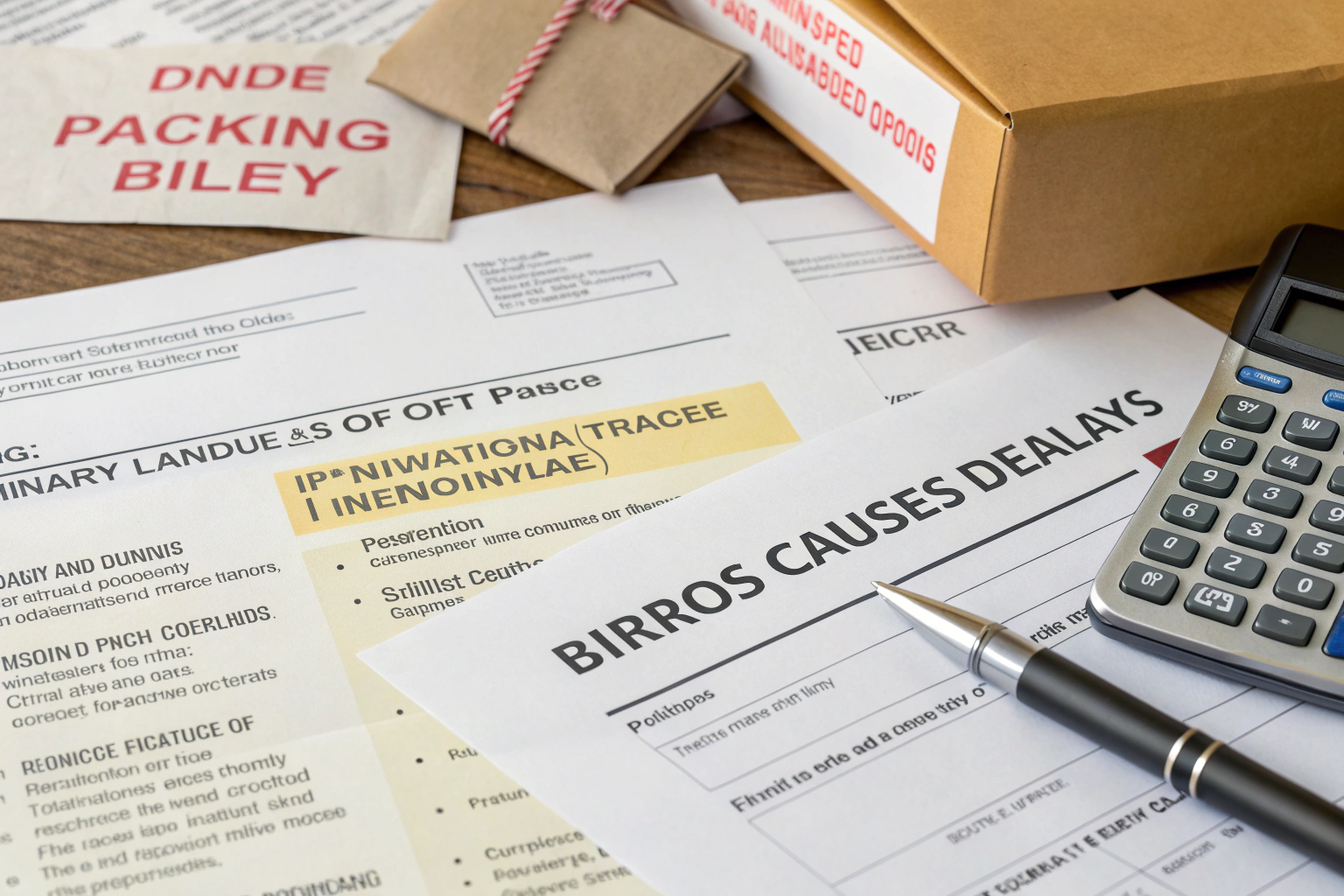
Shipping documentation errors are one of the most common causes of delays and penalties in international trade. A single mistake in a bill of lading, invoice, or packing list can hold up cargo at customs and create unnecessary costs.
Freight forwarders assist with shipping documentation errors by identifying mistakes, correcting paperwork, coordinating with carriers and customs, and ensuring compliance with international trade regulations.
With years of experience in global logistics, I know that avoiding and fixing documentation errors can make the difference between smooth delivery and costly disruptions.
Identifying Common Documentation Errors
Many shippers underestimate how sensitive customs processes are to small errors. Even minor inaccuracies can cause major problems.
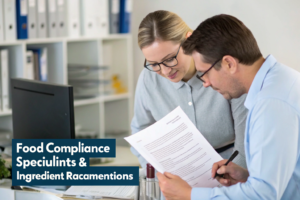
Freight forwarders review documentation carefully to catch errors before cargo reaches customs.
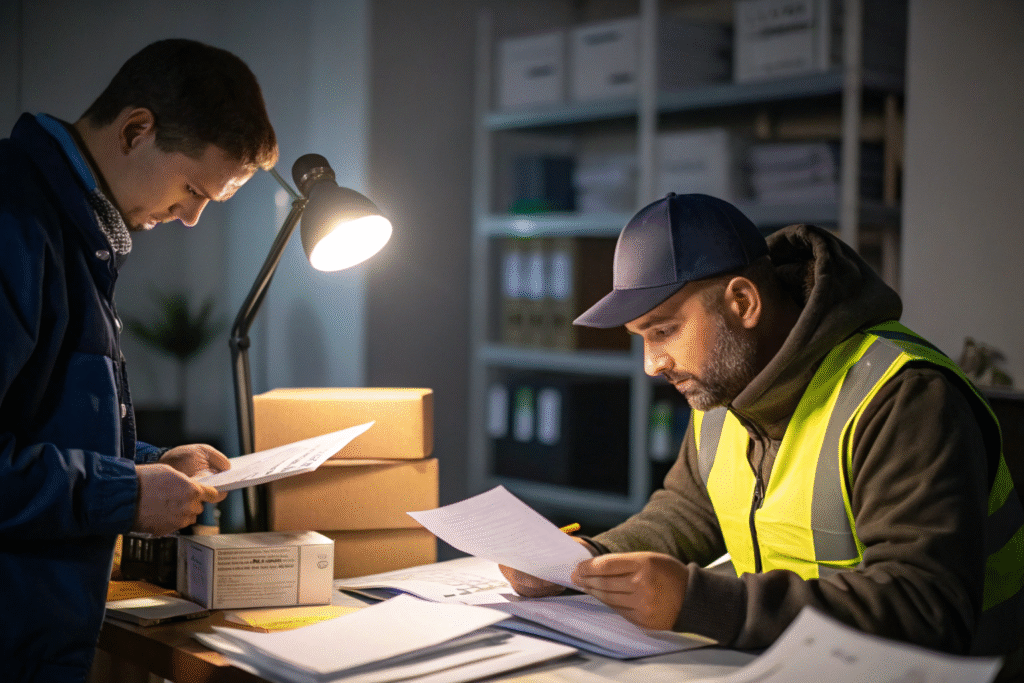
What are the most common documentation mistakes?
Typical errors include incorrect HS codes, mismatched invoices, missing certificates of origin, and wrong consignee details. The World Customs Organization emphasizes that accuracy in trade documentation is critical to avoiding penalties.
How do forwarders detect mistakes?
Experienced forwarders cross-check documents against carrier and customs requirements. Tools like the U.S. Customs and Border Protection Automated Commercial Environment (ACE) help forwarders verify entries before submission.
Correcting Errors Before Customs Clearance
When mistakes happen, quick action is essential to prevent costly delays.
Freight forwarders correct errors in real time, resubmit documents, and communicate with customs authorities to clear shipments quickly.
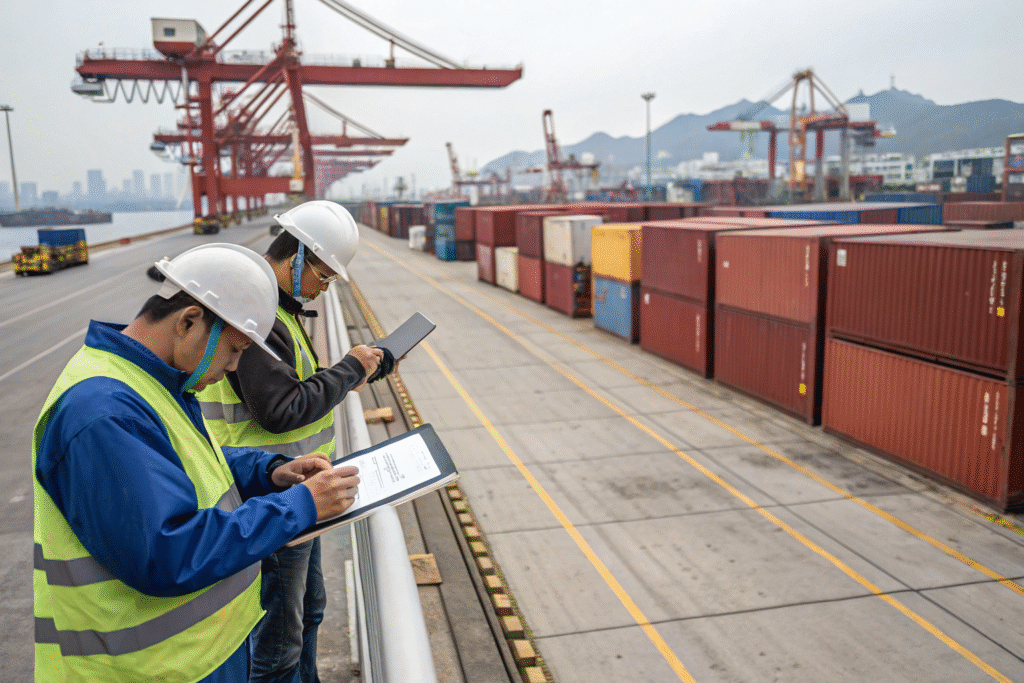
Why is early correction so important?
If errors reach customs, shipments may be detained, inspected, or rejected. According to the International Chamber of Commerce (ICC), early correction reduces risks of fines and saves time.
How do forwarders handle corrections efficiently?
They coordinate with carriers, shippers, and customs brokers to update all affected documents. Platforms like CargoSmart allow forwarders to resubmit corrected paperwork instantly.
Ensuring Compliance with Trade Regulations
Documentation errors often lead to compliance violations, which can damage a company’s credibility.
Freight forwarders ensure compliance by aligning documents with international regulations, preventing disputes and penalties.
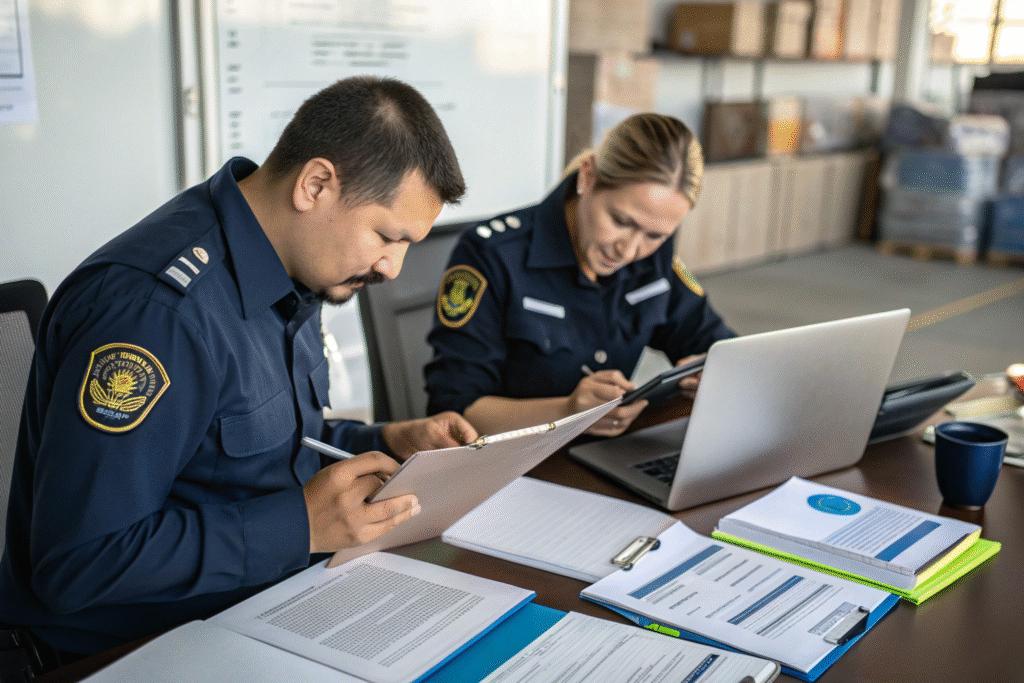
How do errors affect compliance?
Errors in documentation can trigger audits or penalties under customs laws. The World Trade Organization warns that repeated errors may also put companies on high-risk lists.
How do forwarders ensure compliance after errors?
They verify HS codes, check tariff classifications, and confirm duties with customs brokers. Resources like FIATA provide guidelines for forwarders to maintain consistent compliance across borders.
Preventing Future Documentation Mistakes
Fixing errors is important, but preventing them is even more valuable.
Freight forwarders help clients reduce mistakes by offering training, digital solutions, and compliance audits.
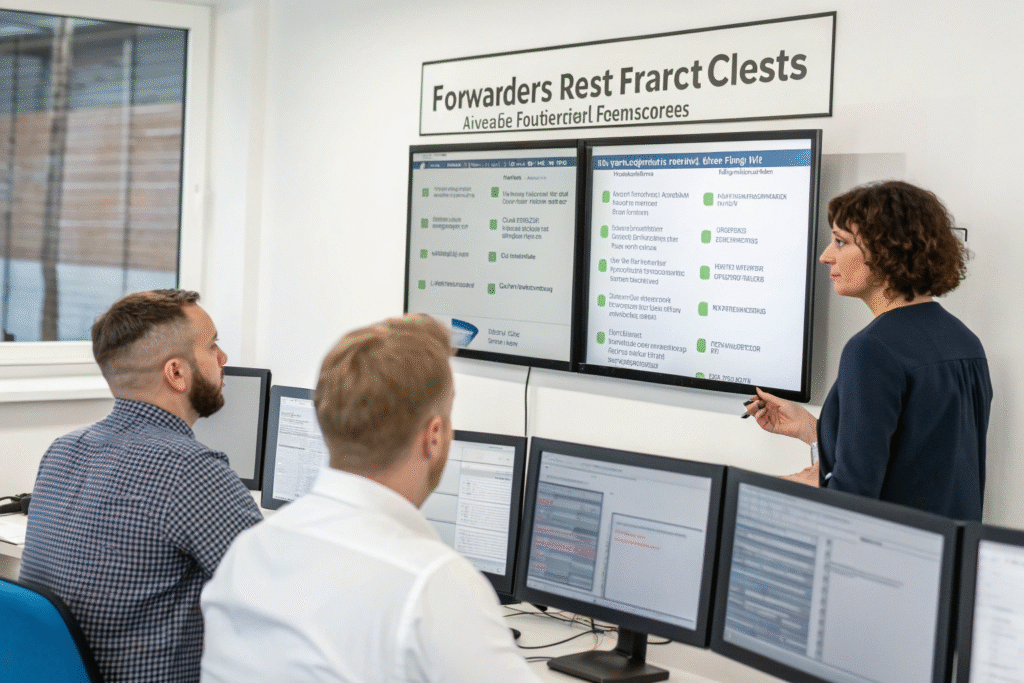
How do forwarders help clients avoid future mistakes?
They provide document templates, create digital checklists, and train staff on compliance requirements. Many forwarders adopt automation tools recommended by the International Air Transport Association (IATA) for e-documents.
Why is prevention better than correction?
Avoiding errors saves time, money, and reputational damage. Studies in Harvard Business Review show that proactive risk management reduces long-term operational costs and improves customer satisfaction.
Conclusion
Shipping documentation errors can disrupt entire supply chains, but freight forwarders have the expertise to detect, correct, and prevent them. By ensuring accuracy, compliance, and proactive management, forwarders protect businesses from costly delays and fines. For importers and exporters, partnering with a reliable forwarder means peace of mind that documents—and cargo—will always move smoothly.