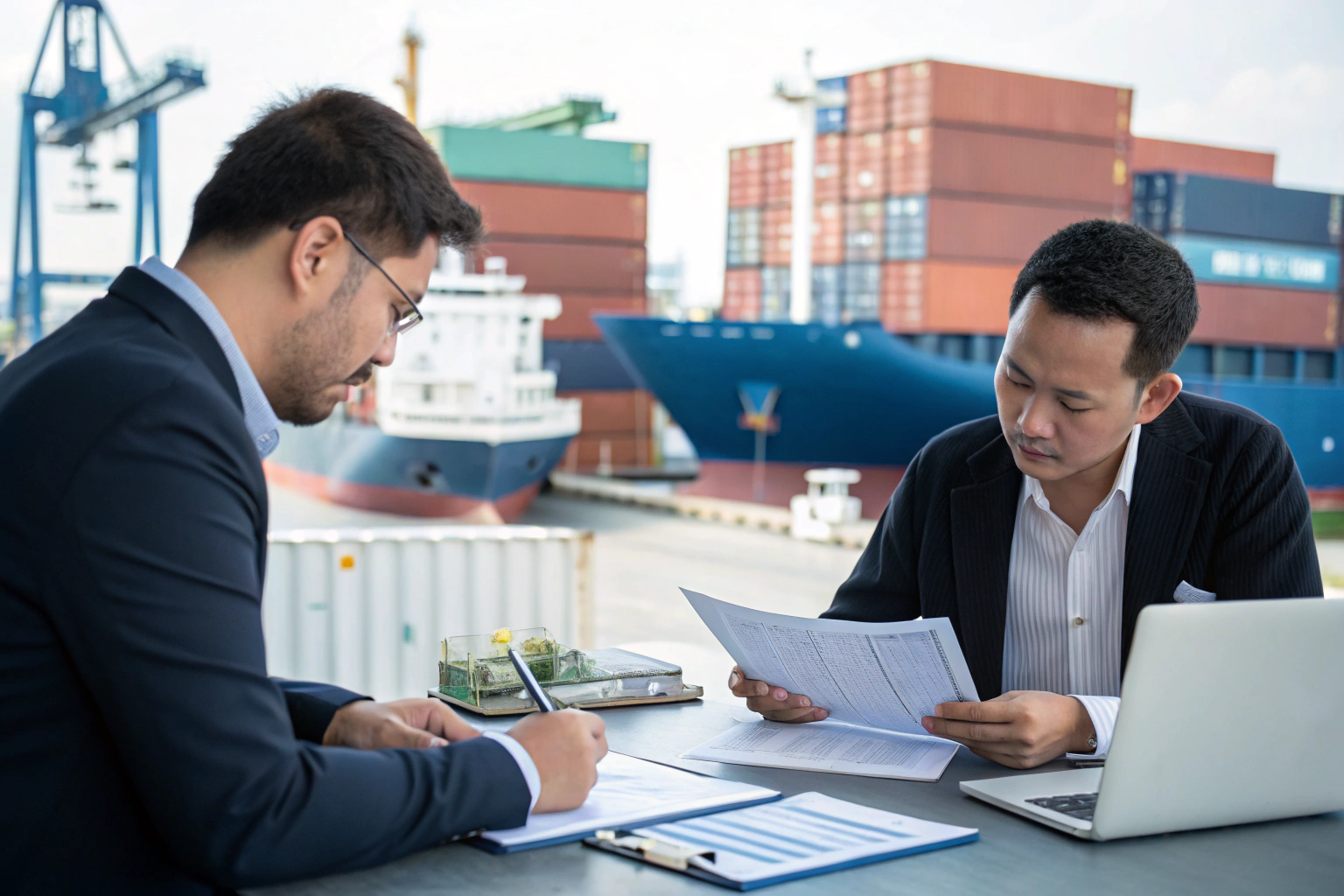
As a freight forwarder, I know that many importers and exporters overlook cargo insurance until something goes wrong. When shipping from China to the U.S. or Europe, clients like Ron often ask me: “Do I really need insurance if I trust my forwarder?” My answer is always yes. Even the most reliable service cannot control natural disasters, accidents, or theft.
Freight forwarders can assist with cargo insurance by advising clients, arranging policies, and ensuring coverage fits the value and type of goods. Insurance provides financial protection and peace of mind, which are essential in global trade.
That is why I want to explain how we, as forwarders, support businesses with cargo insurance, why it matters, and how companies can use it as a safeguard against risk.
Why Is Cargo Insurance Essential in Global Trade?
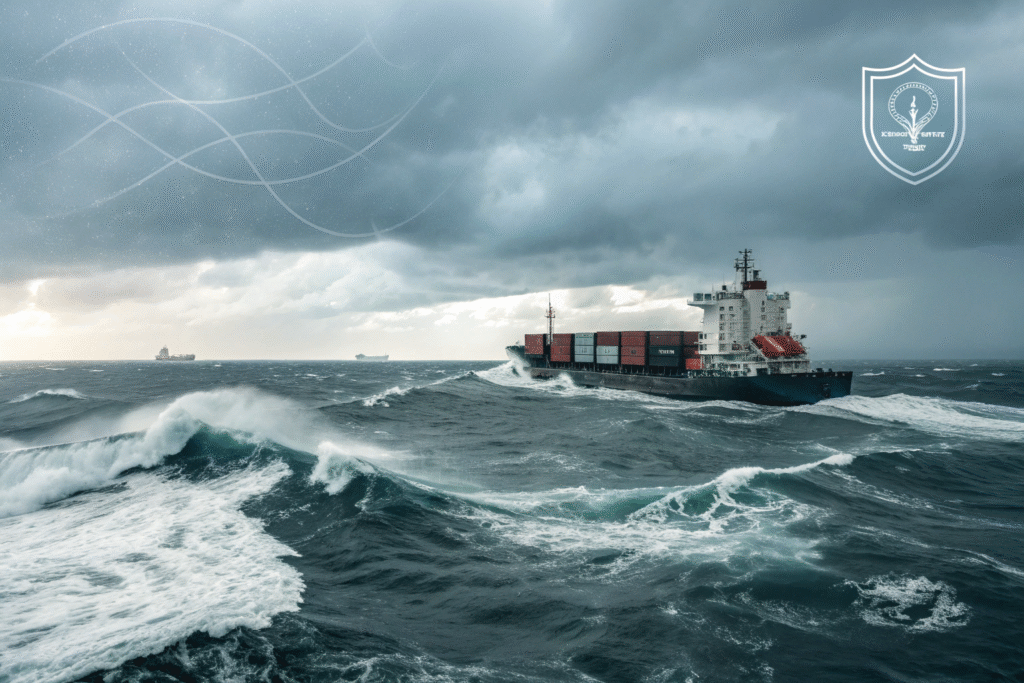
In international shipping, risks are unavoidable. Goods can be damaged by rough seas, stolen in transit, or delayed at ports. Even one incident can cause huge losses for importers and exporters.
Cargo insurance is essential because it protects businesses from financial loss due to accidents, theft, or unforeseen events. Without it, companies face higher risks and unstable profits.
What types of risks does cargo insurance cover?
Cargo insurance covers risks such as natural disasters, fire, accidents, theft, and even general average claims. According to Allianz Global Corporate & Specialty, billions are lost annually in shipping incidents. For example, when a vessel declares "general average," all cargo owners must share the cost of damage or salvage, even if their goods are untouched. Insurance ensures clients are not left paying out of pocket.
Can cargo insurance reduce financial uncertainty?
Yes, it can. Businesses importing goods from Asia often work with thin margins. A single uninsured accident can wipe out profits. Organizations like International Union of Marine Insurance emphasize that cargo insurance stabilizes cash flow and keeps companies financially secure, even when the unexpected happens.
How Can Freight Forwarders Help Clients With Insurance?
Many shippers are unfamiliar with insurance policies and coverage options. Freight forwarders bridge this gap by helping clients choose the right protection for their shipments.
Forwarders assist by arranging policies, advising on coverage levels, and coordinating claims when accidents occur. This saves clients time and reduces the chance of costly mistakes.

Do forwarders arrange insurance policies directly?
Yes. Most forwarders, including my company, work with trusted insurers to arrange coverage for clients. According to Freightos, forwarders often negotiate better rates because of their industry partnerships. Clients benefit from customized solutions without having to search for insurance providers on their own.
How do forwarders support claims processing?
Claims can be stressful and time-consuming. A reliable forwarder assists clients with paperwork, evidence collection, and communication with insurers. Resources from TT Club explain how proper documentation speeds up settlements. By guiding clients through the process, I ensure they recover losses faster.
What Types of Cargo Insurance Do Forwarders Recommend?
Different shipments require different types of coverage. Forwarders like me help clients decide which policy matches their cargo type, route, and risk level.
The main insurance types include “All-Risk” and “Named Perils” coverage, each offering different levels of protection. Choosing the right one ensures cost efficiency and adequate security.

What is All-Risk cargo insurance?
“All-Risk” provides broad protection against most causes of loss or damage. As explained by Marsh, it covers theft, fire, weather, and accidents, except for listed exclusions. This type of insurance is ideal for high-value goods like electronics or fashion products, which many of my clients ship from China.
What is Named Perils cargo insurance?
“Named Perils” covers only specific risks listed in the policy, such as fire or sinking. While cheaper, it leaves gaps. According to AIG Marine Insurance, businesses must carefully review what is included. I usually recommend All-Risk coverage for sensitive shipments because it provides better protection against unpredictable issues.
How Should Businesses Choose the Right Coverage?
Choosing the right coverage requires balancing cost, risk, and the value of goods. Freight forwarders guide clients by analyzing shipment details and trade routes.
The best coverage depends on product type, transportation mode, and the buyer’s tolerance for risk. With expert advice, businesses can protect their shipments without overspending.

Should insurance always match cargo value?
Yes. Under-insuring shipments creates big risks. According to International Chamber of Commerce, cargo should always be insured at its full commercial value plus freight costs. This ensures clients are fully compensated if something goes wrong. I always calculate coverage based on total landed cost.
Can forwarders help balance cost and protection?
Yes, forwarders negotiate better premiums thanks to volume shipments. For example, Lloyd’s of London explains that freight forwarders often bundle client policies for discounts. This way, businesses enjoy affordable protection without sacrificing security.
Conclusion
Cargo insurance is not optional in today’s global trade. It is a safeguard that keeps businesses financially stable when risks arise. Freight forwarders play a vital role by arranging policies, advising on options, and supporting claims.
When clients like Ron ship from China to the U.S., I make sure they not only get safe transportation but also reliable insurance coverage. At GeeseCargo, I believe that protecting cargo means protecting business growth.