When one of our clients discovered their shipment contained components from a newly sanctioned Chinese company, they faced a $350,000 penalty and shipment seizure. As founder of GeeseCargo with extensive compliance experience, I've learned that US sanctions on China are evolving rapidly beyond traditional military restrictions to encompass emerging technologies, specific industries, and even individual companies. Staying current isn't just about compliance—it's essential for maintaining uninterrupted supply chains.
Recent US sanctions on China have expanded significantly in semiconductor equipment, artificial intelligence technologies, quantum computing, and specific Chinese companies linked to military-civil fusion. The October 2023 export controls marked the most substantial update, adding 43 new entities to the Entity List and imposing new restrictions on advanced computing chips, semiconductor manufacturing equipment, and supercomputing applications.
The US sanctions landscape has shifted from broad country-wide restrictions to highly targeted measures focusing on specific technologies, companies, and end-uses. Understanding these nuanced restrictions requires ongoing monitoring and sophisticated compliance processes.
What Are the Most Significant Recent Sanctions Changes?
The Biden administration has continued and expanded technology-focused restrictions while adding new entities and sectors to existing sanctions programs.
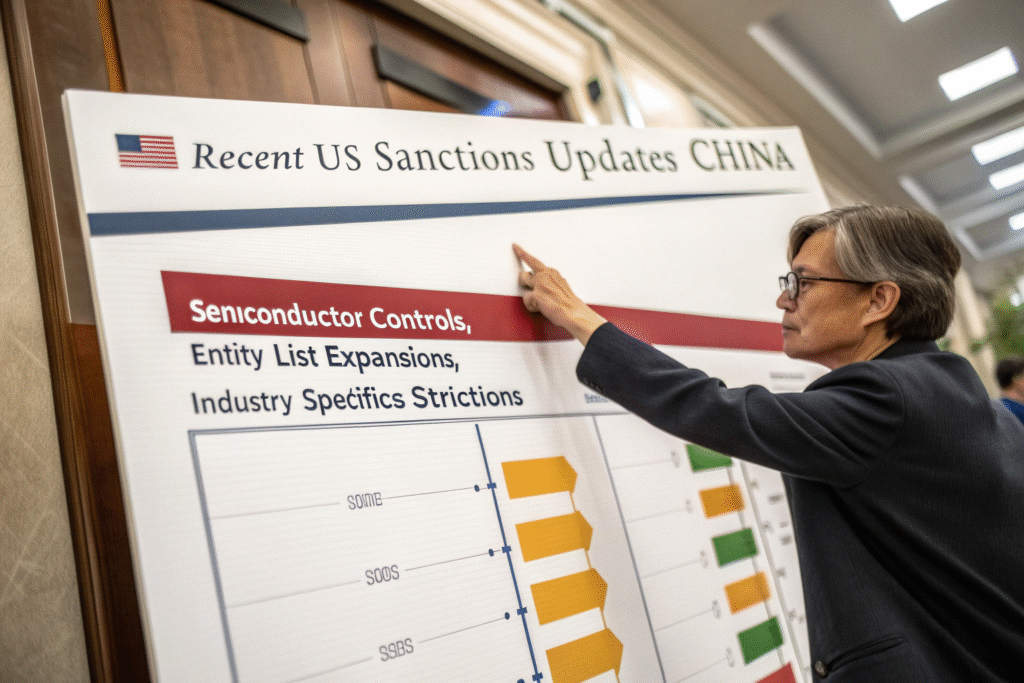
How Have Semiconductor and Advanced Technology Controls Evolved?
The October 2023 rules significantly expanded semiconductor manufacturing equipment restrictions. New controls cover additional advanced chip manufacturing equipment, closing loopholes in previous regulations and expanding coverage to more mature node technologies.
Advanced computing and supercomputer restrictions now include performance thresholds. The updated rules impose restrictions on chips exceeding specific performance levels (4800 TOPS for AI training) and computing systems above certain thresholds.
Foreign-produced item rules extend US jurisdiction overseas. The new "US person" restrictions and foreign direct product rules expand controls to items produced outside the US using American technology, affecting third-country manufacturing.
What Entity List Additions Impact Supply Chains Most?
43 new entities were added to the Entity List in October 2023 for various activities. Additions include companies involved in semiconductor development, quantum computing, satellite tracking, and nuclear nonproliferation concerns.
Military End User List expansions continue targeting defense-industrial base companies. While not a formal sanctions list, MEU designations impose additional licensing requirements that effectively restrict business with listed entities.
Specific Chinese AI and computing companies face comprehensive restrictions. Companies like Biren Technology and Moore Threads were added for developing advanced AI chips that could support military modernization.
How Do These Sanctions Affect Different Business Sectors?
The impact varies significantly by industry, with technology companies facing the most direct restrictions while other sectors encounter more nuanced limitations.
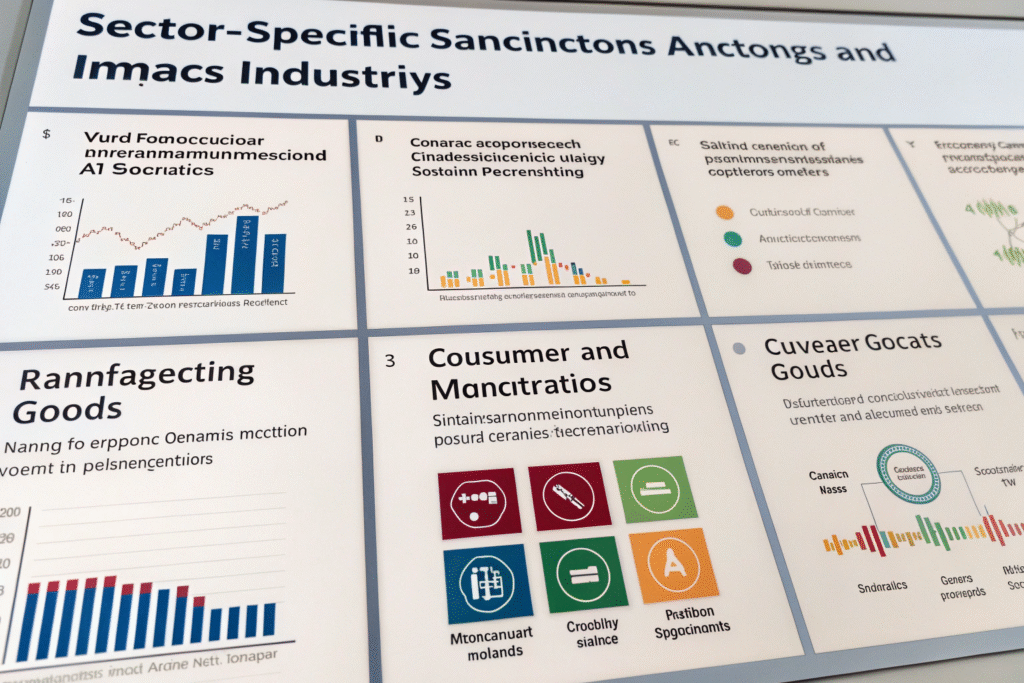
Which Industries Face the Most Severe Restrictions?
Semiconductor manufacturing and equipment face near-total technology embargo. US companies cannot export advanced semiconductor manufacturing equipment to China, and foreign companies using US technology face similar restrictions for advanced nodes.
Artificial intelligence and supercomputing encounter comprehensive controls. Advanced AI chips, systems designed for AI training, and components for supercomputers face strict licensing requirements that are effectively denied.
Quantum computing and satellite technologies face emerging restrictions. Companies involved in quantum computing development, satellite communications, and space technologies are increasingly targeted for Entity List designation.
What Industries Face More Limited But Important Restrictions?
Advanced manufacturing with dual-use applications encounters selective controls. Certain machine tools, aerospace components, and advanced materials face restrictions when intended for military end-uses or prohibited end-users.
Maritime and shipping industries face targeted entity restrictions. Specific Chinese shipping companies and port operators have been designated for supporting sanctioned activities or entities.
Financial services encounter transaction screening requirements. While not directly sanctioned, financial institutions must screen transactions involving newly designated entities and restricted technologies.
What Due Diligence Requirements Have Changed?
Compliance obligations have expanded significantly, requiring more sophisticated screening and documentation processes.
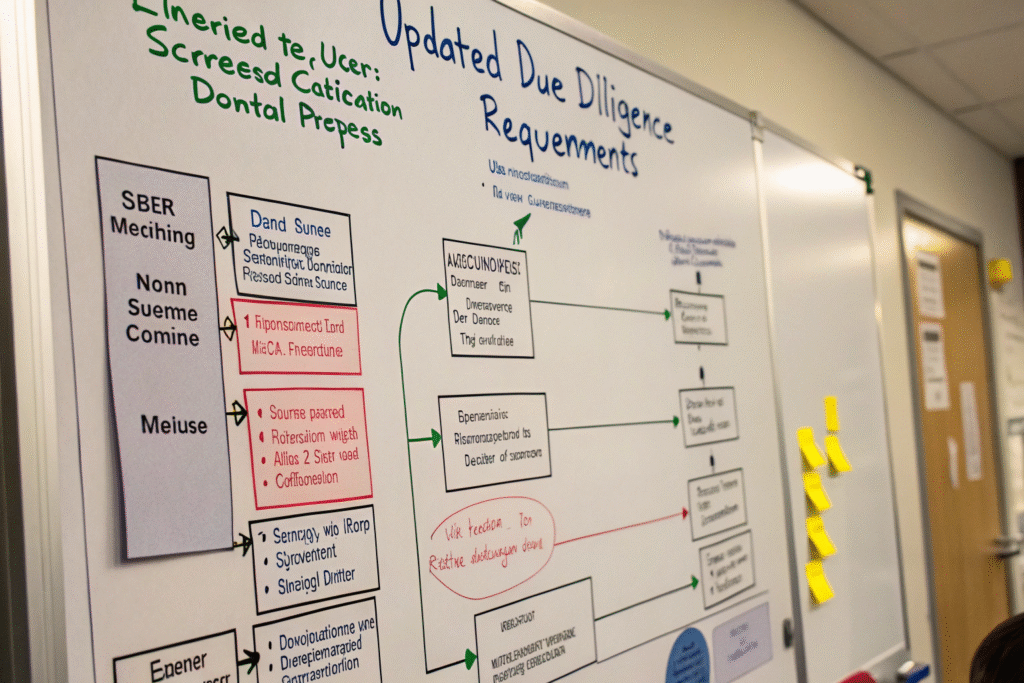
How Have Know-Your-Customer Requirements Evolved?
Enhanced screening for military-civil fusion connections is now essential. Companies must investigate whether Chinese partners participate in military-civil fusion programs or have ownership ties to the Chinese military.
Supply chain mapping to identify sanctioned inputs has become critical. The foreign direct product rules require understanding whether any inputs to your products involve US technology that could trigger restrictions.
End-use and end-user verification requires more detailed documentation. Simple end-user statements are insufficient; companies need robust processes to verify actual end-use and detect potential diversion.
What Documentation and Recordkeeping Standards Apply?
Comprehensive audit trails must demonstrate compliance efforts. Records should include screening results, due diligence investigations, end-user certifications, and technology classification determinations.
Export classification documentation requires technical expertise. Proper classification of products and technologies under the Export Administration Regulations requires technical specifications and understanding of control parameters.
Red flag identification and response procedures must be documented. Companies need written procedures for identifying potential sanctions violations and escalation processes for addressing suspicious circumstances.
How Can Companies Maintain Compliant China Operations?
Practical compliance strategies enable continued business with China while managing sanctions risks effectively.
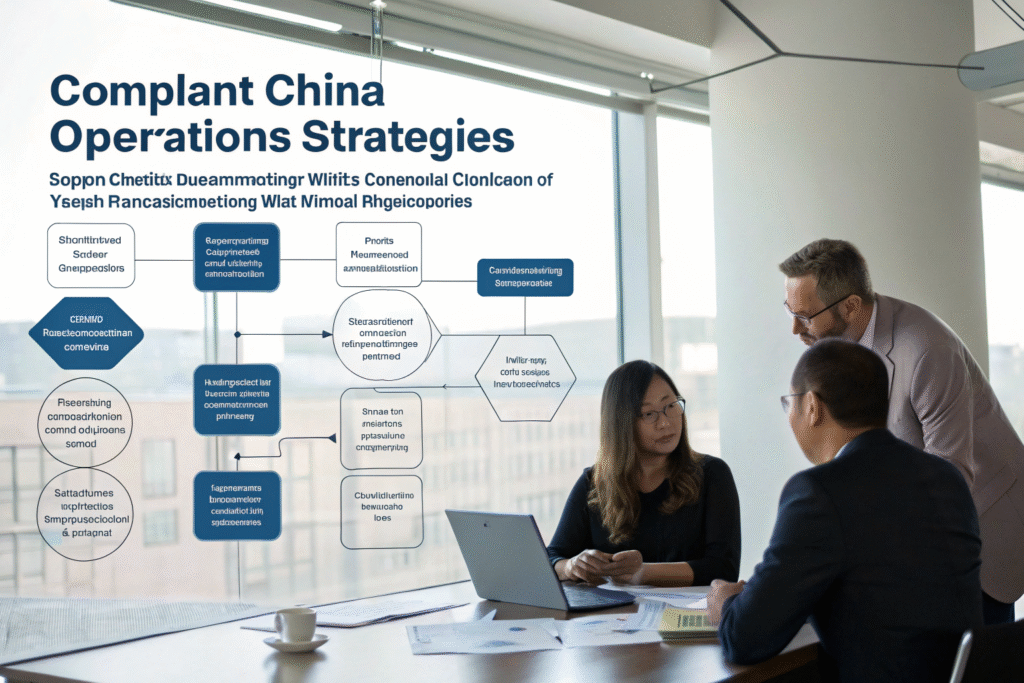
What Supply Chain Restructuring Strategies Work?
Diversification beyond China for sensitive technologies reduces exposure. Developing alternative sourcing and manufacturing options for restricted technologies provides operational flexibility when China restrictions expand.
Tiered supply chain approaches separate restricted and non-restricted items. Maintaining China operations for non-sensitive products while moving restricted technologies to alternative locations balances cost and compliance.
Technology segmentation isolates controlled from uncontrolled items. Restructuring product designs to separate restricted components from non-restricted elements can preserve some China manufacturing options.
What Compliance Technology Solutions Are Most Effective?
Advanced screening platforms now incorporate military end-user detection. Modern compliance software includes capabilities to identify potential military connections and military-civil fusion participation.
Supply chain mapping tools provide visibility beyond direct suppliers. Comprehensive mapping solutions help identify potential sanctions triggers deep in the supply chain that might not be apparent from direct suppliers only.
Automated classification systems maintain current control interpretations. Systems that incorporate latest regulatory interpretations and classification rulings help ensure accurate export control determinations.
What Are the Penalty Risks for Non-Compliance?
Understanding enforcement trends and penalty structures helps companies assess compliance investment appropriately.
What Financial Penalties Are Companies Facing?
Civil monetary penalties can reach $300,000 or twice the transaction value per violation. Recent cases have involved penalties ranging from hundreds of thousands to tens of millions of dollars for sanctions violations.
Criminal penalties include substantial fines and potential imprisonment. Willful violations can trigger criminal prosecution with fines up to $1,000,000 and prison sentences up to 20 years per violation.
Collateral business impacts often exceed direct penalties. Loss of export privileges, reputational damage, and increased regulatory scrutiny can have business impacts far exceeding formal penalties.
How Has Enforcement Changed Recently?
Increased focus on technology transfer and semiconductor restrictions. BIS and DOJ have prioritized enforcement against illegal technology transfers, particularly in semiconductors and advanced manufacturing.
Strict liability for certain violations reduces defense options. Some sanctions provisions impose liability regardless of knowledge or intent, making comprehensive compliance programs essential.
Whistleblower incentives have expanded enforcement resources. Updated whistleblower programs have increased reporting of potential violations, expanding the enforcement net.
What Monitoring Systems Provide Early Warning?
Proactive monitoring helps companies anticipate changes and adapt before new restrictions impact operations.
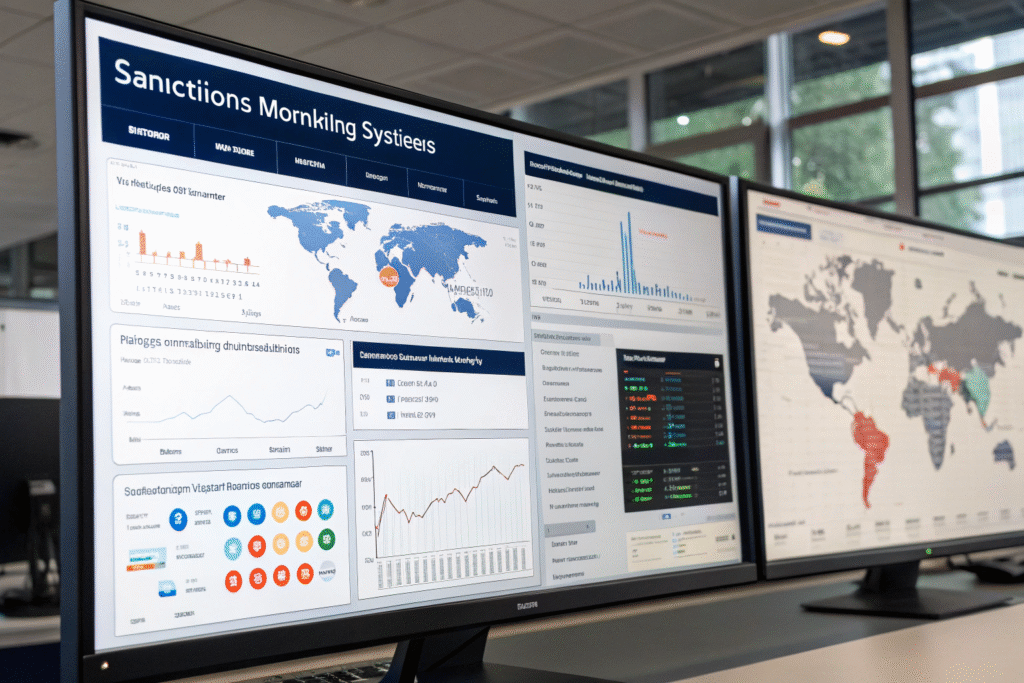
What Regulatory Tracking Is Most Important?
Federal Register publications provide official notice of changes. Monitoring daily Federal Register publications ensures awareness of proposed rules, interim final rules, and enforcement actions.
BIS and OFAC websites offer official guidance and updates. Regular review of agency websites, including FAQs, guidance documents, and press releases, provides authoritative interpretation of existing rules.
Congressional committee activities signal potential future restrictions. Monitoring relevant congressional committees helps anticipate legislative changes that might lead to new sanctions.
How Can Industry Intelligence Support Compliance?
Trade association monitoring provides sector-specific insights. Industry groups often have early awareness of developing restrictions and provide context for how new rules will impact specific sectors.
Legal and compliance networks share practical implementation experience. Professional networks help understand how similar companies are interpreting and implementing new requirements.
Geopolitical analysis helps anticipate future restriction areas. Understanding US-China technology competition dynamics helps predict which sectors might face future restrictions.
Conclusion
The US sanctions landscape for China has evolved into a complex, dynamic system requiring continuous monitoring and sophisticated compliance processes. The most successful companies treat sanctions compliance as an integral business function rather than a legal afterthought, integrating compliance considerations into strategic planning, supply chain management, and product development.
At GeeseCargo, we've helped clients navigate these changing restrictions while maintaining compliant China operations through systematic compliance programs that balance risk management with business practicality. The key is recognizing that sanctions compliance isn't about eliminating China exposure entirely—it's about managing that exposure intelligently through robust processes, ongoing monitoring, and strategic planning.
Begin your compliance assessment by conducting a comprehensive review of your China operations against current restrictions, then implement graduated compliance measures that match your risk profile. Remember that in today's sanctions environment, proactive compliance is significantly less expensive than reactive penalty mitigation—both financially and operationally.