When one of our clients discovered their aluminum products faced new 167% anti-dumping duties retroactively applied, they faced a $380,000 duty bill that erased their entire profit margin. As founder of GeeseCargo with extensive trade compliance experience, I've witnessed how quickly new anti-dumping measures can transform profitable products into financial liabilities. Staying current with these constantly evolving trade remedies is essential for sustainable importing.
New anti-dumping duties on Chinese products are frequently imposed, with recent significant cases covering aluminum products, furniture, graphite electrodes, and various chemical products. The US currently maintains approximately 250 anti-dumping and countervailing duty orders on Chinese goods, with new investigations launching monthly. Importers must verify current duty rates for their specific products before each shipment.
Anti-dumping duties are not static—they change through annual reviews, new investigations, and scope rulings. The most protected importers implement systematic monitoring processes that track potential duty changes affecting their products, enabling proactive sourcing or pricing adjustments.
What Are the Most Recent Significant Anti-Dumping Cases?
The landscape of anti-dumping duties evolves constantly, with several major cases reaching final determination in recent months.
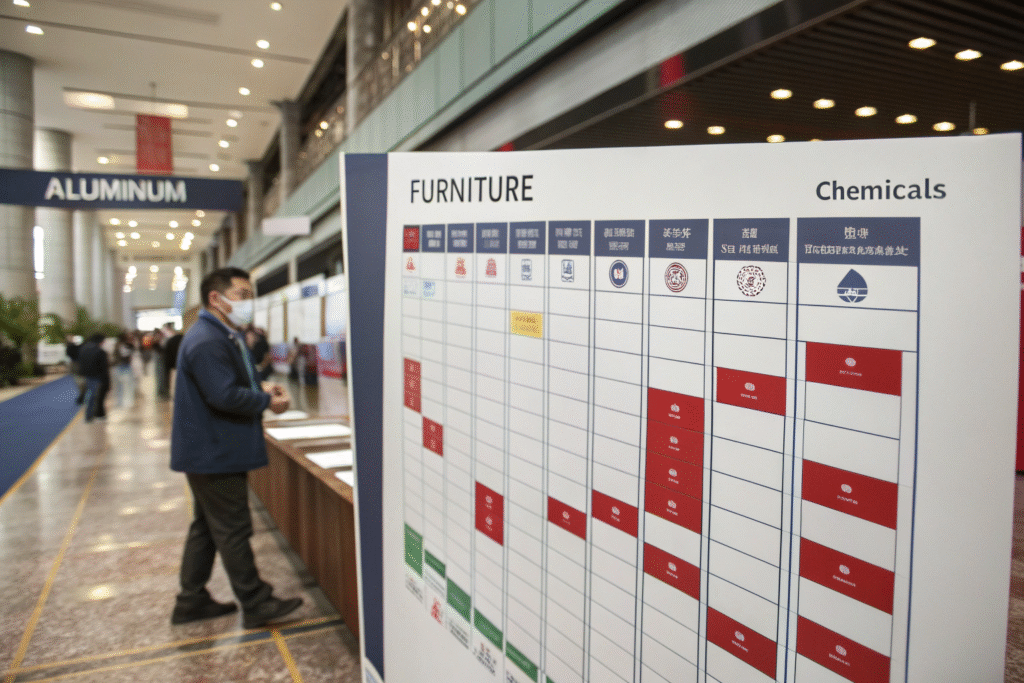
Which Aluminum Products Face New or Increased Duties?
Aluminum extrusions now face expanded scope and higher rates. Recent "scope clarifications" have broadened what constitutes covered aluminum extrusions, potentially encompassing products previously considered outside order scope.
Aluminum foil duties have increased through administrative reviews. Annual reviews have resulted in significantly higher cash deposit rates for many Chinese aluminum foil producers, with some rates exceeding 100%.
Aluminum sheet and plate products remain under high duties. Most Chinese aluminum flat-rolled products continue facing combined anti-dumping and countervailing duties ranging from 50-180%.
What Consumer Products Are Under New Investigation?
Furniture and bedding components face expanding investigations. While wooden bedroom furniture has been subject to duties for years, recent investigations have expanded to include upholstered furniture, mattresses, and furniture components.
Building products continue to be targeted for new duties. PVC flooring, hardwood plywood, and certain steel products have seen new or increased duties in recent determinations.
Electronics and electrical components face growing scrutiny. Certain solar products, lithium batteries, and electrical transformers have been subject to new investigations and preliminary determinations.
How Can You Determine if Your Products Are Subject to Anti-Dumping Duties?
Systematic approaches to product classification and duty verification prevent unexpected liability.
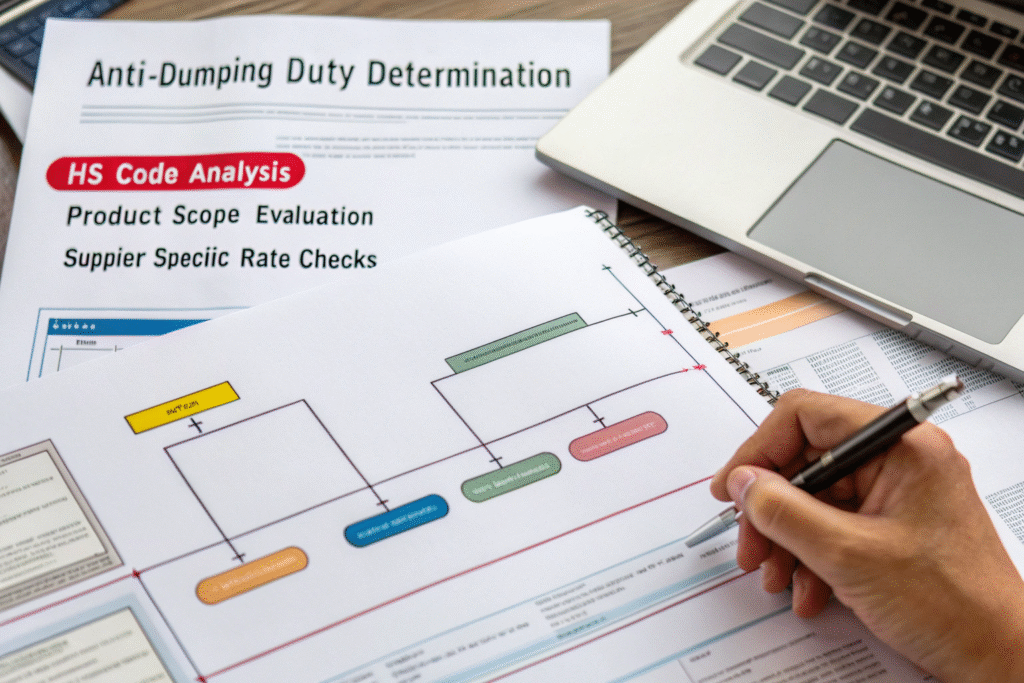
What Steps Verify Anti-Dumping Applicability?
HS code analysis identifies potentially covered products. Each anti-dumping order covers specific HS codes, though scope determinations often include products outside listed codes based on physical characteristics.
Product scope review determines if your product falls within order parameters. Even with matching HS codes, products must meet specific physical characteristics, composition, or manufacturing process descriptions to be subject to duties.
Supplier-specific investigation identifies exact duty rates. Each Chinese manufacturer receives individual duty rates through the investigation process, which can range from single digits to over 200%.
What Resources Provide Current Duty Information?
US International Trade Commission (USITC) maintains the official anti-dumping database. The USITC's AD/CVD database provides the most authoritative information on active orders, rates, and scope determinations.
Customs and Border Protection issues operational guidance. CBP publishes directives, messages, and fact sheets explaining how they enforce specific anti-dumping orders at ports of entry.
Trade law firms and consultants offer specialized monitoring services. Many importers use specialized services that track developments and provide alerts about changes affecting their products.
What Strategies Can Mitigate Anti-Dumping Impact?
While anti-dumping duties present challenges, several legal strategies can reduce or eliminate exposure.
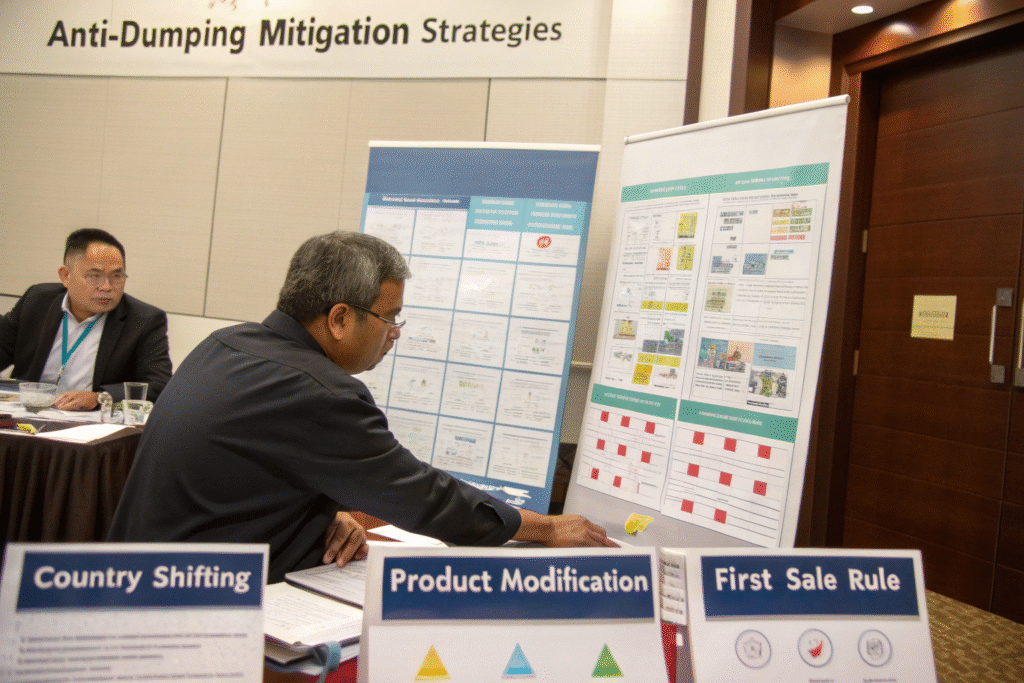
How Can Sourcing Strategies Reduce Duty Exposure?
Country shifting moves production to non-subject countries. Manufacturing in countries not subject to anti-dumping duties (Vietnam, Malaysia, Mexico) can eliminate exposure, though "circumvention" investigations may challenge this approach.
Product modification changes products to fall outside order scope. Modifying physical characteristics, composition, or manufacturing processes can legally remove products from anti-dumping order scope if done properly.
Supplier selection focuses on companies with lower individual rates. Some Chinese manufacturers receive significantly lower duty rates than the "China-wide" rate through separate rate applications.
What Legal Mechanisms Can Reduce Duty Liability?
First sale rule applications can reduce dutiable value. When structured properly, using the first sale in a multi-tiered transaction can lower the customs value used for anti-dumping duty calculation.
Scope exclusion requests seek product-specific exemptions. Importers can petition for rulings that their specific products fall outside anti-dumping order scope based on distinguishing characteristics.
Administrative review participation can lower future rates. Participating in annual reviews enables importers to demonstrate that their suppliers deserve lower duty rates based on recent pricing data.
What Are the Compliance Requirements for Anti-Dumping Duties?
Proper compliance prevents penalties and ensures accurate duty payment.

What Documentation Must Accompany Entries?
Importer's certification of anti-dumping status is required for potentially covered products. This certification declares whether products are subject to anti-dumping duties and identifies the correct rate.
Manufacturer and exporter identification must be accurate. Anti-dumping duties are manufacturer-specific, requiring precise identification of which Chinese company produced the goods.
Detailed product descriptions support proper classification. Comprehensive descriptions demonstrating how products do or don't match anti-dumping order scope help prevent challenges.
What Recordkeeping Supports Compliance?
Cost and pricing documentation justifies valuation methods. Maintaining records supporting transaction value, first sale value, or other valuation approaches enables defense during verification.
Manufacturing documentation proves country of origin and production details. Records showing where and how products were manufactured support country of origin claims and scope exclusions.
Communication with suppliers regarding anti-dumping status creates audit trail. Documenting discussions with suppliers about duty applicability and rates supports compliance positions.
How Can You Monitor for New Anti-Dumping Developments?
Proactive monitoring enables early adaptation to changing duty landscapes.

What Government Sources Provide Early Warning?
Federal Register publications announce new investigations and determinations. Monitoring daily Federal Register notices provides the earliest official notification of new anti-dumping cases.
USITC and DOC websites post investigation timelines and documents. These sites provide investigation schedules, preliminary determinations, and hearing notices for active cases.
Customs Bulletins communicate enforcement guidance. CBP publications explain how new orders will be enforced and what documentation requirements apply.
What Professional Resources Enhance Monitoring?
Trade law firms publish analysis of developing cases. Many firms provide alerts, webinars, and newsletters explaining the practical impact of new anti-dumping developments.
Industry associations track sector-specific trade issues. Associations often monitor cases affecting their members and provide collective response resources.
Customs consultants offer product-specific monitoring services. Many consultants provide monitoring tailored to clients' specific products and suppliers.
What Are the Consequences of Anti-Dumping Non-Compliance?
Understanding penalties and enforcement mechanisms emphasizes compliance importance.

What Financial Penalties Apply for Non-Compliance?
Substantial monetary penalties for incorrect anti-dumping claims. Penalties can include full back-payment of avoided duties plus significant fines for negligence or fraud.
Liquidated damages claims against customs bonds. CBP can make claims against import bonds for anti-dumping duty underpayments, potentially exceeding bond amounts for repeated violations.
Retroactive application of new rates to previous entries. When rates increase through administrative reviews, the new rates often apply retroactively to entries made during the review period.
What Operational Impacts Result from Compliance Failures?
Cargo delays and examinations disrupt supply chains. Suspected anti-dumping violations trigger intensive examinations and documentation reviews that delay shipments for weeks or months.
Loss of import privileges for repeated violations. Severe or repeated anti-dumping violations can lead to suspension or revocation of import privileges entirely.
Reputational damage with customs authorities creates ongoing scrutiny. Importers with compliance issues face increased examination rates and scrutiny across all their imports, not just potentially dutiable products.
Conclusion
New anti-dumping duties on Chinese products emerge regularly, making ongoing vigilance essential for importers. The most protected companies implement systematic processes for monitoring developments, verifying product coverage, and maintaining compliance. While anti-dumping duties present significant challenges, understanding the landscape enables strategic responses that minimize impact while maintaining compliance.
At GeeseCargo, we've helped clients navigate anti-dumping complexities that reduced their duty liability by 35-75% through proper classification, sourcing strategies, and compliance management. The most successful approaches combine technical knowledge with practical business strategies that address both current exposures and emerging risks.
Begin your anti-dumping management by conducting a comprehensive review of your products against current orders, then implement monitoring systems that alert you to relevant developments. Remember that in anti-dumping compliance, prevention is dramatically more cost-effective than correction—the investment in proper compliance typically returns many times over in avoided duties, penalties, and operational disruptions.