
When one of our clients implemented a logistics app stack that reduced their shipment tracking time from 4 hours daily to 15 minutes, I realized how dramatically technology can transform supply chain management. As founder of GeeseCargo with extensive experience in logistics technology, I've witnessed how the right app combinations can automate routine tasks, provide unprecedented visibility, and enable data-driven decision making.
Numerous apps can significantly simplify logistics operations, including shipment trackers like 17Track, freight marketplaces like Flexport, warehouse management systems like ShipBob, and comprehensive TMS platforms like Descartes. The most effective approaches combine 3-5 specialized apps that integrate seamlessly, typically reducing manual administration by 60-80% while improving visibility and accuracy.
The logistics app landscape has matured from simple tracking tools to sophisticated platforms that automate complex processes. Understanding which apps serve your specific needs—and how they work together—can transform logistics from a constant challenge to a competitive advantage.
What Types of Logistics Apps Provide the Most Value?
Different app categories address specific pain points in the logistics workflow, from shipment planning through final delivery.
Which Shipment Tracking and Visibility Apps Are Most Effective?
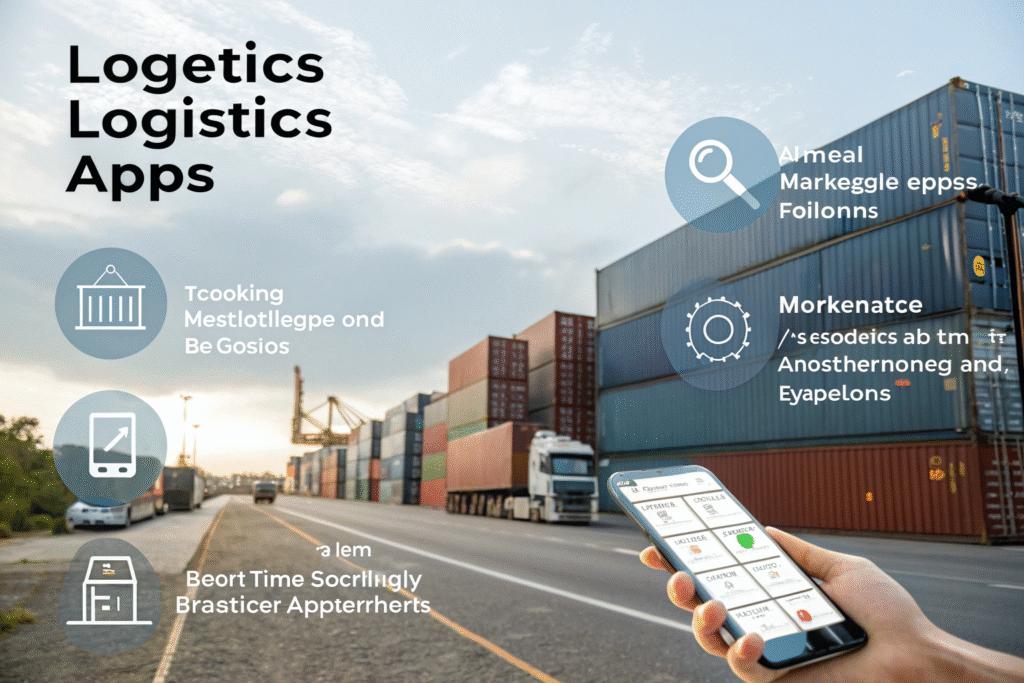
Multi-carrier tracking apps like 17Track and AfterShip provide unified visibility. These apps aggregate tracking from hundreds of carriers into a single interface, sending proactive alerts for exceptions and delays without manual checking.
Real-time visibility platforms like FourKites and Project44 offer predictive analytics. Beyond simple tracking, these apps provide predictive ETAs, temperature monitoring, and risk alerts that enable proactive issue resolution.
Carrier-specific apps like UPS Mobile and FedEx Delivery Manager handle specialized needs. While less comprehensive than multi-carrier solutions, carrier apps often provide the most detailed information for their specific services.
What Freight Marketplace Apps Streamline Procurement?
Digital freight marketplaces like Flexport and Freightos simplify rate shopping and booking. These platforms provide instant quotes from multiple carriers, digital booking, and centralized documentation for air, ocean, and trucking services.
Load board apps like DAT and Truckstop connect shippers with carriers. Primarily for truckload shipping, these apps provide real-time capacity searching, rate benchmarking, and direct carrier communication.
Parcel optimization apps like Shippo and Easyship compare small package options. For e-commerce businesses, these apps automatically select the best carrier service based on cost, speed, and destination.
How Can Operations Management Apps Reduce Administrative Work?
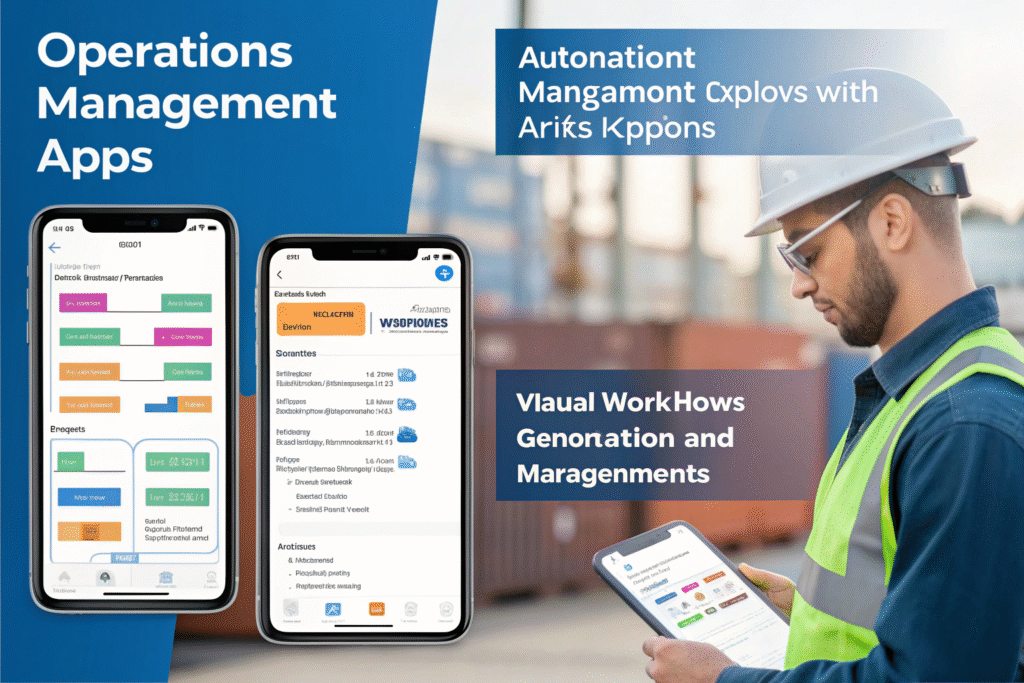
Apps that automate routine logistics tasks can dramatically reduce manual work while improving accuracy and responsiveness.
What Transportation Management Systems (TMS) Offer Mobile Solutions?
Cloud TMS platforms like Descartes and MercuryGate provide comprehensive mobile access. These systems offer rate management, carrier selection, shipment execution, and performance analytics through mobile interfaces.
Simplified TMS apps like Trucker Tools focus on specific functions. While less comprehensive than enterprise systems, these apps excel at load tracking, document management, and communication for specific logistics segments.
Customizable platforms like Kuebix adapt to unique business needs. These systems provide configurable workflows that can be accessed through mobile devices for on-the-go management.
Which Documentation and Compliance Apps Reduce Paperwork?
Electronic bill of lading apps like edoxOnline and Bolero digitize documentation. These apps create, sign, and transfer shipping documents electronically, eliminating printing, scanning, and emailing.
Customs compliance apps like CustomsNow and Descartes Customs Management streamline imports. They help classify goods, calculate duties, prepare declarations, and manage regulatory requirements across multiple countries.
Document management apps like Box and Google Drive organize logistics paperwork. While not logistics-specific, these apps provide secure storage, version control, and easy sharing of shipping documents, certificates, and compliance records.
What Warehouse and Inventory Management Apps Improve Efficiency?
Mobile solutions for warehouse operations provide real-time visibility and control over inventory and fulfillment processes.
Which Inventory Management Apps Provide Real-Time Visibility?
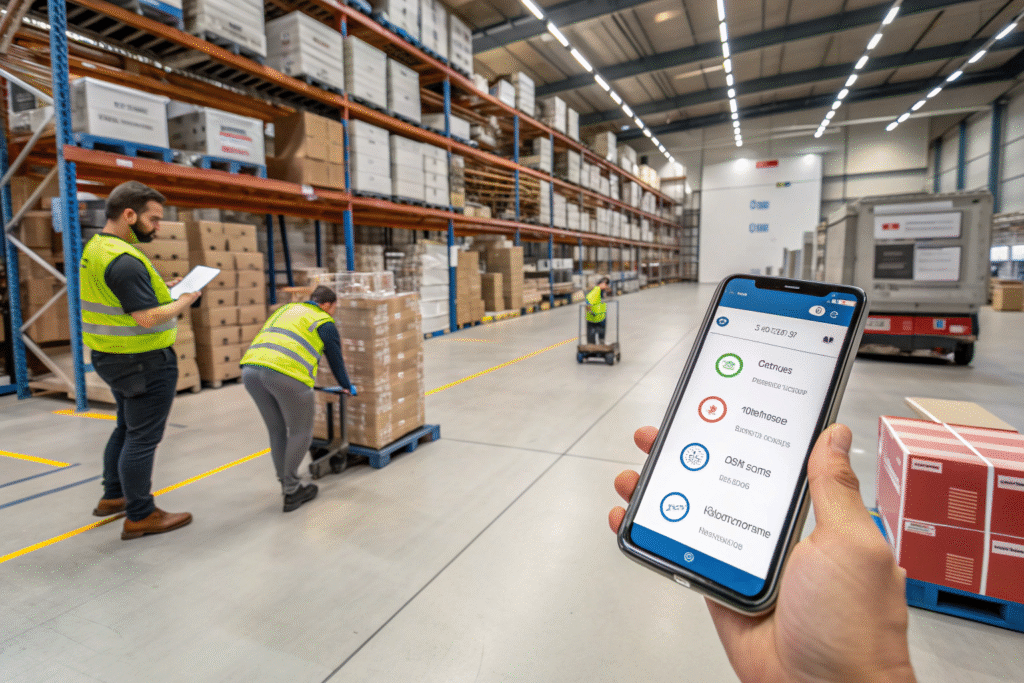
Mobile barcode scanning apps like Sortly and Finale Inventory enable accurate cycle counting. Using smartphone cameras as scanners, these apps make inventory counts faster and more accurate without specialized equipment.
Cloud-based WMS apps like Fishbowl and Zoho Inventory offer mobile access. While primarily desktop systems, they provide mobile apps for key functions like receiving, picking, and stock checks.
IoT-enabled platforms like SkuVault integrate sensor data. These apps combine manual counts with automated monitoring for comprehensive real-time inventory visibility.
What Order Fulfillment Apps Streamline E-commerce Operations?
Shipping station apps like ShipStation and ShippingEasy automate label creation. These apps connect to e-commerce platforms, automatically import orders, and generate optimized shipping labels with minimal manual input.
Pick and pack apps like Ordoro and Logiwa manage fulfillment workflows. They provide pick lists, packing verification, and shipping confirmation through mobile devices used on the warehouse floor.
Returns management apps like Returnly and Happy Returns simplify reverse logistics. They automate return authorization, provide prepaid labels, and track returned items through the process.
How Can Analytics and Reporting Apps Drive Better Decisions?
Data-driven logistics requires apps that transform operational data into actionable insights.

Which Performance Analytics Apps Identify Improvement Opportunities?
Cost analytics apps like FreightPOP and 3Gtms visualize spending patterns. These apps analyze freight costs across lanes, modes, and carriers to identify savings opportunities and benchmark performance.
Service level monitoring apps like ShipMatrix and Convey track carrier performance. They provide detailed on-time delivery statistics, damage rates, and service comparisons across carriers and services.
Network optimization apps like Llamasoft and ToolsGroup analyze logistics patterns. Using advanced algorithms, these apps identify optimal warehouse locations, transportation modes, and inventory levels based on your specific data.
What Reporting and Dashboard Apps Simplify Logistics Management?
Custom dashboard apps like Tableau and Microsoft Power BI visualize key metrics. These platforms connect to multiple data sources to create comprehensive logistics dashboards accessible from any device.
Automated reporting apps like Celonis process mining identify process inefficiencies. They analyze execution data to pinpoint where processes break down or deviate from optimal patterns.
Alert and notification apps like PagerDuty and OpsGenie ensure rapid response to issues. They consolidate alerts from multiple systems and escalate them based on severity and business impact.
What Integration Approaches Make Apps Work Together Effectively?
Standalone apps provide limited value compared to integrated systems that share data and automate workflows across functions.
How Can API Integrations Connect Your App Ecosystem?
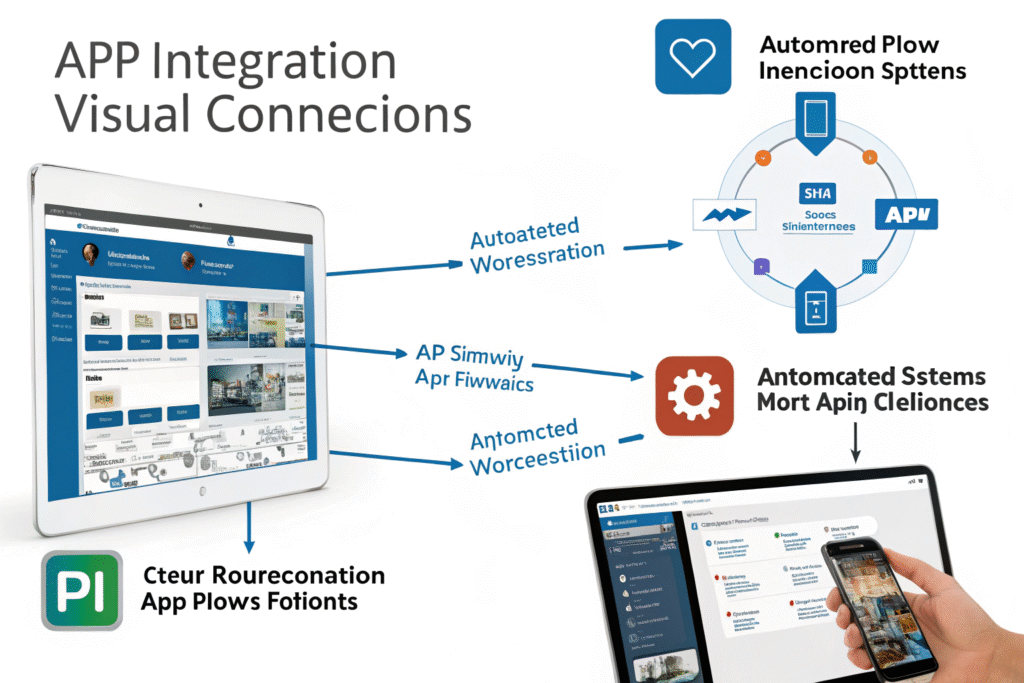
Native integrations between complementary apps create seamless experiences. Many logistics apps offer pre-built connections to popular e-commerce platforms, accounting systems, and carrier networks.
Integration platforms like Zapier and MuleSoft connect apps without coding. These tools create automated workflows between apps that don't have native integrations, using triggers and actions to move data between systems.
Custom API development provides tailored connections for unique needs. While requiring technical resources, custom integrations can create perfect workflows for specific business processes.
What Data Management Practices Support Effective App Integration?
Centralized data hubs prevent siloed information. Using a data warehouse or logistics data platform ensures all apps access consistent, current information rather than maintaining separate databases.
Data standardization enables smooth information exchange. Establishing consistent product identifiers, location codes, and status definitions across all apps prevents translation errors and mismatches.
Master data management maintains data quality. Designating systems of record for key data elements (products, customers, carriers) ensures accuracy across all connected apps.
What Are the Implementation Challenges and Solutions?
Successfully deploying logistics apps requires addressing common technical, operational, and cultural challenges.

How Can You Overcome Technical Implementation Hurdles?
Data migration planning prevents information gaps. Carefully mapping data from existing systems to new apps ensures continuity and prevents operational disruptions during transition.
Phased rollout strategies minimize business disruption. Implementing apps for specific functions or locations first allows problem identification and resolution before company-wide deployment.
Adequate testing protocols identify issues before full implementation. Thorough testing of integrations, workflows, and user interfaces prevents post-implementation problems that impact operations.
What Change Management Approaches Drive User Adoption?
Stakeholder involvement in selection increases buy-in. Including operational teams in app evaluation and selection creates ownership and identifies potential adoption barriers early.
Comprehensive training ensures effective usage. Beyond basic functionality training, showing how apps solve specific pain points and make jobs easier increases adoption.
Performance measurement demonstrates value. Tracking metrics improved by app implementation (time savings, error reduction, cost decreases) builds momentum for expanded usage.
Conclusion
The right combination of logistics apps can dramatically simplify operations, reduce costs, and improve visibility across your supply chain. The most successful implementations don't just automate existing processes—they enable new ways of working that transform logistics from a cost center to a competitive advantage.
At GeeseCargo, we've helped clients reduce logistics administration time by 70% through strategic app implementation, with the best results coming from integrated ecosystems rather than standalone solutions. The key is selecting apps that address your specific pain points while working together seamlessly through APIs and data integration.
Begin your logistics app journey by identifying your most time-consuming processes and biggest visibility gaps, then research apps that specifically address these challenges. Remember that the ultimate goal isn't just implementing technology—it's creating a more responsive, efficient, and data-driven logistics operation that supports your business objectives.