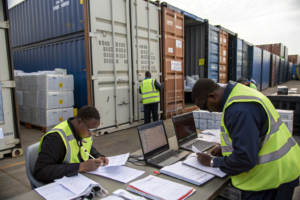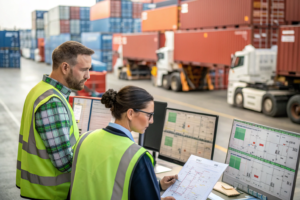
When I talk with clients like Ron, many ask whether they should manage shipping by themselves or work with a freight forwarder. At first, outsourcing might look like an extra expense. But in reality, outsourcing freight forwarding saves time, reduces risks, and improves efficiency.
Businesses should outsource freight forwarding because it reduces costs, ensures compliance, improves efficiency, and allows owners to focus on growth instead of logistics.
That is why I want to share how outsourcing freight forwarding works, the benefits it offers, and why it makes sense for companies that import and export goods.
How Can Outsourcing Save Time and Reduce Costs?
Managing international shipping requires endless paperwork, negotiations, and follow-ups. Outsourcing removes these tasks from business owners so they can focus on what matters most—their customers.
Outsourcing saves time and money by reducing delays, negotiating better rates, and avoiding costly mistakes.

How does outsourcing reduce hidden costs?
Without expertise, companies often pay extra storage, demurrage, and detention fees. Maersk explains how these charges pile up quickly. Forwarders like me prevent these costs by booking space early and handling customs efficiently.
Can outsourcing really lower freight rates?
Yes. Because forwarders handle large volumes, they negotiate better rates with carriers. According to Freightos, small businesses often pay higher rates when booking alone. By outsourcing, companies gain access to wholesale rates that save thousands annually.
Why Does Outsourcing Improve Compliance and Security?
International shipping laws and customs regulations are complex. A small mistake can delay shipments for weeks or cause heavy penalties. Outsourcing puts compliance in expert hands.
Outsourcing ensures compliance, reduces legal risks, and strengthens cargo security throughout the supply chain.
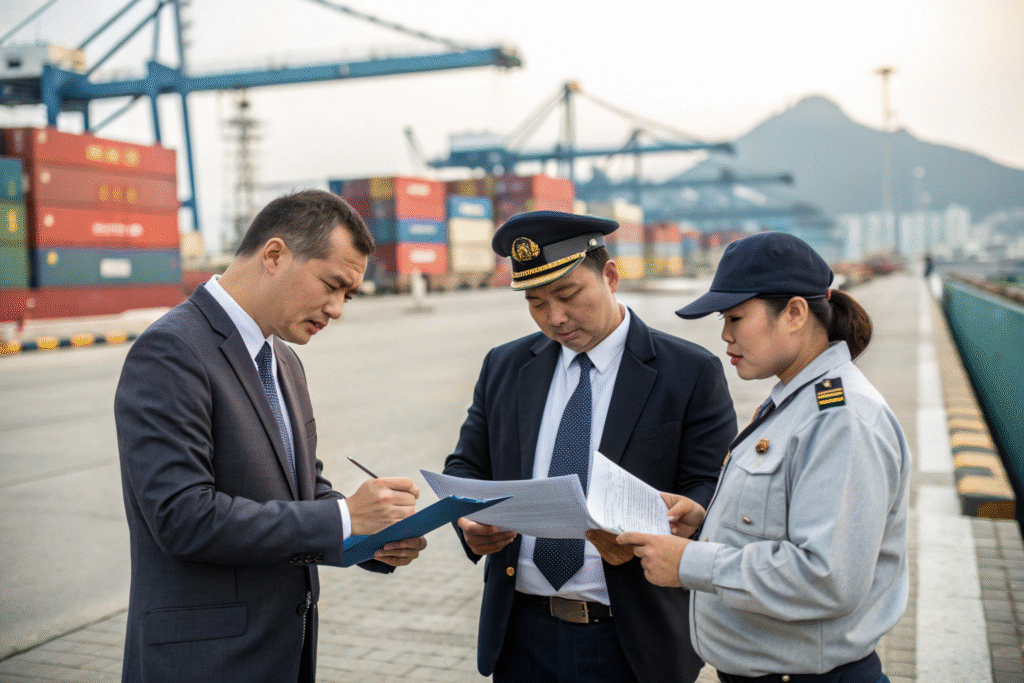
What compliance mistakes do businesses often make?
Incorrect HS codes, missing certificates, and late filings are common mistakes. U.S. Customs and Border Protection enforces strict penalties for such errors. At GeeseCargo, we double-check every document to make sure shipments pass through smoothly.
How does outsourcing improve cargo security?
Freight forwarders use GPS tracking, sealed containers, and vetted carriers. According to CargoNet, theft is a multibillion-dollar problem in global shipping. Reliable forwarders minimize these risks and keep shipments safe until final delivery.
How Does Outsourcing Boost Efficiency and Flexibility?
Markets change fast, and so do shipping conditions. Outsourcing gives businesses access to flexible solutions when unexpected events occur.
Outsourcing improves efficiency by providing real-time tracking, alternative routes, and proactive problem-solving.

Can outsourcing handle sudden disruptions?
Yes. For example, when congestion hit Los Angeles, I rerouted shipments through Oakland and Seattle. Port of Oakland confirmed that diversions help avoid long delays. Clients benefit because they get goods on time even in peak seasons.
How does technology improve outsourced forwarding?
Forwarders use platforms like Project44 and CargoWise to track shipments in real time. With predictive analytics, we inform clients about risks before they become problems. This keeps the supply chain efficient and flexible.
Why Should Businesses Focus on Growth Instead of Logistics?
When companies try to manage logistics in-house, they lose time that could be spent growing their business. Outsourcing gives owners freedom to focus on sales, product development, and customer service.
By outsourcing freight forwarding, businesses free up resources to scale operations while relying on experts for logistics.

How does outsourcing help scale operations?
As companies grow, logistics become more complex. Forwarders already have systems in place to manage larger volumes. FIATA highlights that professional forwarders support businesses from startups to global enterprises. With outsourcing, companies can scale without worrying about logistics bottlenecks.
Why is outsourcing better than building an in-house team?
Building an internal logistics team requires huge investment in staff, systems, and training. McKinsey explains that outsourcing logistics reduces overhead while maintaining flexibility. At GeeseCargo, I give my clients full logistics support without them needing to build an entire department.
Conclusion
Outsourcing freight forwarding is not just about moving goods—it is about making businesses more competitive. By saving costs, ensuring compliance, improving efficiency, and freeing up time, outsourcing allows companies to focus on what really matters—growth.
For clients like Ron, outsourcing means confidence that shipments from China will arrive safely, on time, and at a competitive price. At GeeseCargo, I see myself not just as a service provider but as a growth partner for every client I work with.