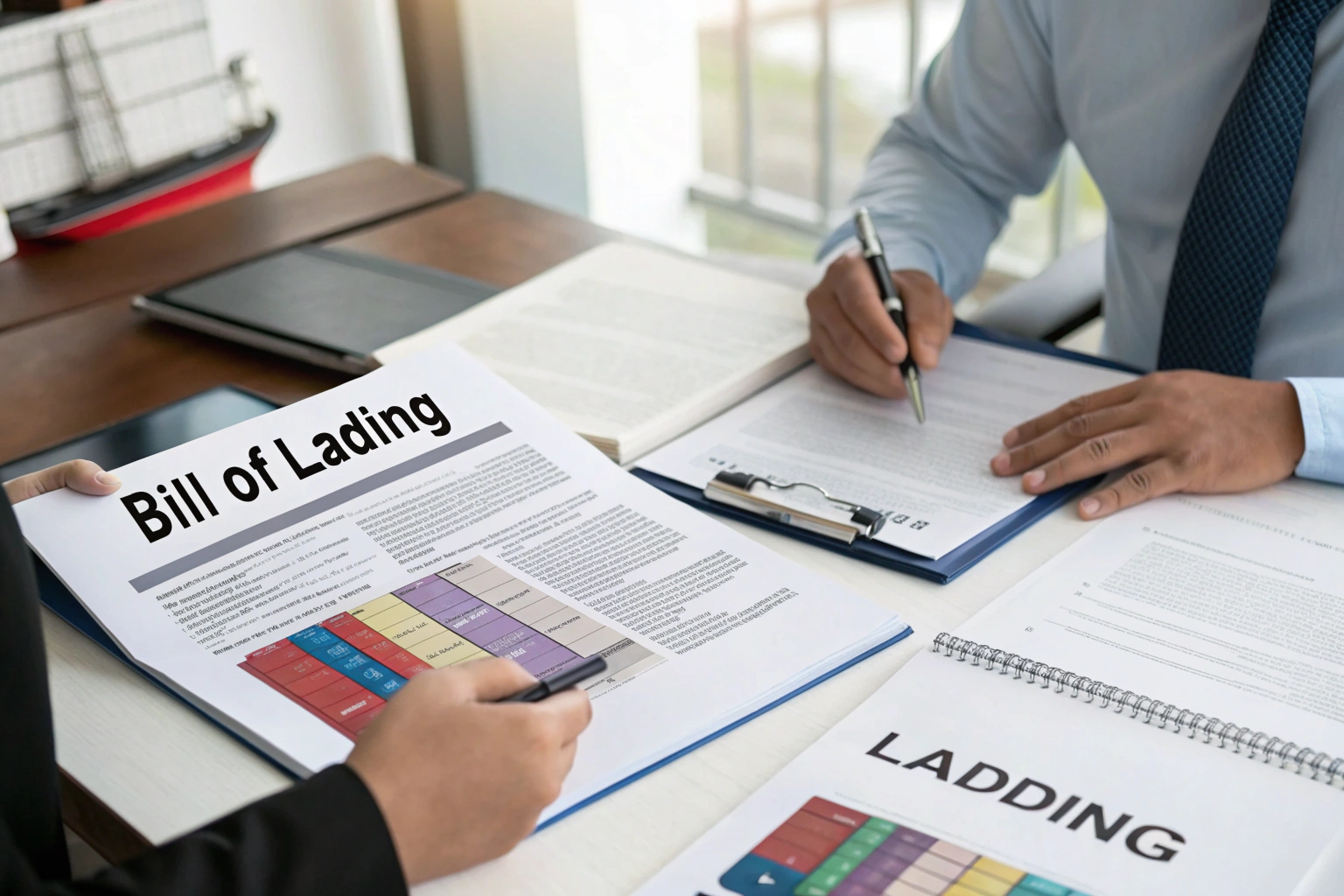
The Bill of Lading stands as perhaps the most critical document in international trade, yet many importers don't fully understand its multifaceted importance beyond basic cargo receipt functions. This single document serves simultaneously as a receipt, contract, and title document, creating a foundation of legal and operational security throughout your supply chain. Misunderstanding or mismanaging the Bill of Lading can lead to catastrophic consequences including cargo seizures, payment delays, and legal disputes.
A Bill of Lading is crucial because it serves as a receipt for received goods, evidence of the contract of carriage, and a document of title that controls who can claim the cargo. It legally protects all parties in the supply chain, enables payment processing through letters of credit, and determines liability for loss or damage during transportation.
Let's examine the specific functions, types, and strategic importance of this foundational document in international shipping and why proper Bill of Lading management deserves your focused attention.
What are the three essential functions of a Bill of Lading?
The Bill of Lading's unique power derives from its triple function in international trade transactions. Each role serves distinct but interconnected purposes that collectively create the document's indispensable nature in global commerce.
As a receipt, the Bill of Lading confirms the carrier received your goods in apparent good order and condition as described. As a contract of carriage, it outlines the terms, conditions, and responsibilities governing the transportation agreement between shipper and carrier. Most critically, as a document of title, it determines who has the legal right to claim possession of the goods at destination. This combination of functions makes the Bill of Lading the central document around which payment, risk, and control revolve in international shipments.

How does the receipt function protect your interests?
The receipt aspect provides critical protection by:
- Documenting cargo condition at time of carrier receipt, creating evidence for damage claims
- Specifying quantity and packaging as loaded, preventing disputes about what was shipped
- Recording loading dates establishing the timeline for transportation performance
- Noting exceptions if cargo shows damage or discrepancies when received by carrier
- Providing evidence for insurance claims if goods arrive damaged
This documented starting point establishes baseline condition for liability determination.
Why does the title function matter for payment and control?
The title aspect controls critical business functions:
- Determining cargo ownership and who can legally claim the goods
- Enabling letter of credit transactions where banks require title documents for payment
- Allowing cargo transfer through endorsement to different parties while goods are in transit
- Establishing security interest for financing arrangements using inventory as collateral
- Controlling cargo release only to holders of original bills of lading
This control over cargo disposition makes the Bill of Lading fundamental to trade finance and risk management.
What are the different types of Bills of Lading and when does each matter?
Not all Bills of Lading serve identical purposes, and selecting the appropriate type for your specific transaction significantly impacts your risk, control, and operational efficiency. Understanding these variations prevents costly mismatches between your business needs and document type.
Straight (or Non-Negotiable) Bills of Lading designate specific consignees and aren't transferable, providing security but limiting flexibility. Order Bills of Lading are negotiable instruments that can be transferred through endorsement, enabling trade financing and cargo transfers. Sea Waybills are non-negotiable receipts that expedite release but reduce control. Multimodal Bills of Lading cover transportation across different modes under single responsibility. Each type serves different business scenarios, with the choice impacting payment terms, cargo security, and release procedures.

When should you use an Order Bill of Lading?
Order Bills of Lading work best when:
- Using letters of credit that require negotiable documents
- Selling goods during transit to different buyers
- Needing collateral for financing using cargo as security
- Uncertain about final consignee at time of shipment
- Trading commodities that frequently change ownership during transit
The transferability provides flexibility but requires careful original document management.
When does a Sea Waybill provide advantages?
Sea Waybills offer benefits when:
- Shipping between related companies where title isn't transferred
- Prioritizing speed over control at destination
- Shipping to trusted customers with established payment history
- Avoiding document handling costs and courier expenses
- Emergency situations where original documents might delay critical shipments
The streamlined process comes with reduced control over cargo release.
How does the Bill of Lading impact your payment security?
The Bill of Lading serves as the linchpin in documentary collection and letter of credit transactions, creating the security that enables international trade between parties who may not fully trust each other. Its proper management directly affects your ability to get paid and your customer's ability to receive goods.
In letter of credit transactions, banks require original Bills of Lading as key documents proving shipment occurred according to terms. The documents must be "clean" (without damage notations) and consistent with other presented documents. In documentary collections, the Bill of Lading is released to the buyer only against payment or acceptance of a draft. This document control creates the payment security that enables open account terms with new customers and reduces payment risk in international transactions.

What makes a Bill of Lading "clean" and why does it matter?
A clean Bill of Lading requirements:
- No notations about damaged packaging or questionable cargo condition
- Consistent descriptions matching commercial invoice and other documents
- Proper authentication with required signatures and carrier identification
- Accurate dates aligning with shipment and letter of credit requirements
- Complete information without omissions that raise questions
Clean Bills of Lading are essential for payment under letters of credit and maintaining cargo value.
How do discrepancies affect payment and cargo release?
Common problematic discrepancies include:
- Description inconsistencies between Bill of Lading and commercial invoice
- Date conflicts with letter of credit shipment windows
- Signature issues with improper authentication or missing endorsements
- Quantity mismatches between different documents
- Routing discrepancies not matching agreed transportation terms
Even minor discrepancies can delay payments for weeks or prevent cargo release at destination.
What are the common Bill of Lading pitfalls and how can you avoid them?
Despite its importance, many importers encounter preventable problems with Bills of Lading that create delays, additional costs, and operational disruptions. Understanding these common pitfalls helps you implement preventive measures.
The most frequent issues include late document presentation missing payment deadlines, original documents arriving after cargo causing storage charges, inaccurate descriptions triggering customs delays, improper endorsements preventing cargo release, and lost documents creating cargo security crises. Additionally, many businesses struggle with the "original vs. surrender" decision, choosing convenience over control without understanding the risks. Each of these problems has straightforward preventive approaches when understood in advance.

How can you prevent timing issues with original documents?
Document timing solutions include:
- Requesting advanced copies by email for preliminary review
- Using express courier services with reliable tracking for originals
- Implementing document tracking systems with alert capabilities
- Establishing document preparation deadlines with suppliers
- Considering electronic Bills of Lading where available and appropriate
Proactive document management prevents most timing-related problems.
What verification steps ensure document accuracy?
Essential verification processes:
- Cross-checking descriptions against commercial invoices before submission
- Verifying quantity and weight against packing lists and actual shipments
- Confirming consignee information matches your customer's requirements
- Reviewing special instructions for handling, temperature, or delivery requirements
- Validating all signatures and endorsements meet carrier and destination requirements
Systematic verification catches errors before they create operational problems.
How is the Bill of Lading evolving with digital transformation?
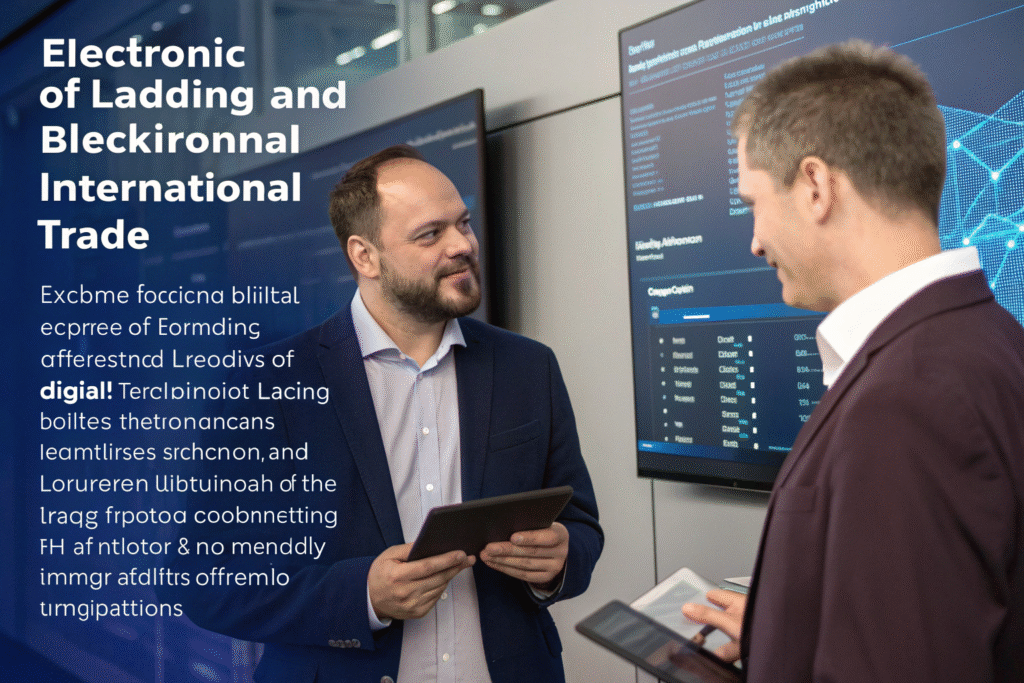
The traditional paper-based Bill of Lading is gradually being supplemented and replaced by electronic equivalents that offer significant efficiency, security, and environmental benefits. Understanding these developments helps position your business for the future of international trade documentation.
Electronic Bills of Lading (eB/L) eliminate paper handling, reduce document processing from weeks to days, enhance security through encryption, and provide real-time status visibility. Blockchain-based solutions create immutable records of title transfer while smart contracts automate document compliance checking. However, adoption faces challenges including legal recognition variations between countries, system interoperability issues, and industry resistance to change. The transition represents both an operational improvement opportunity and a strategic consideration for forward-looking importers.
What are the practical benefits of electronic Bills of Lading?
Operational advantages include:
- Instant transfer eliminating courier delays and costs
- Reduced fraud risk through encryption and authentication
- Automated compliance checking against letter of credit terms
- Environmental benefits from eliminating paper documentation
- Integration capabilities with supply chain management systems
These benefits are driving gradual but accelerating adoption across the industry.
What challenges remain for electronic document adoption?
Current adoption barriers include:
- Legal recognition variations between different countries' commercial codes
- System interoperability between different electronic platforms
- Cost justification for implementation versus established paper processes
- Industry education about electronic options and their benefits
- Cybersecurity concerns regarding document protection and system reliability
Understanding these challenges helps make informed decisions about electronic document adoption timing.
Conclusion
The Bill of Lading remains the cornerstone document of international trade, simultaneously functioning as receipt, contract, and title document in ways that enable secure global commerce. Its proper management directly impacts your payment security, cargo control, risk management, and operational efficiency. While the document is evolving toward electronic formats, its fundamental importance in protecting your interests throughout the supply chain remains unchanged. By understanding the Bill of Lading's multiple roles, selecting appropriate types for your transactions, implementing verification processes, and staying informed about digital developments, you can leverage this crucial document to create more secure, efficient, and reliable import operations.