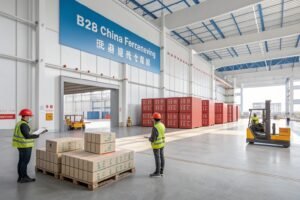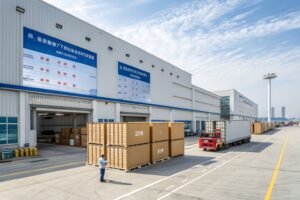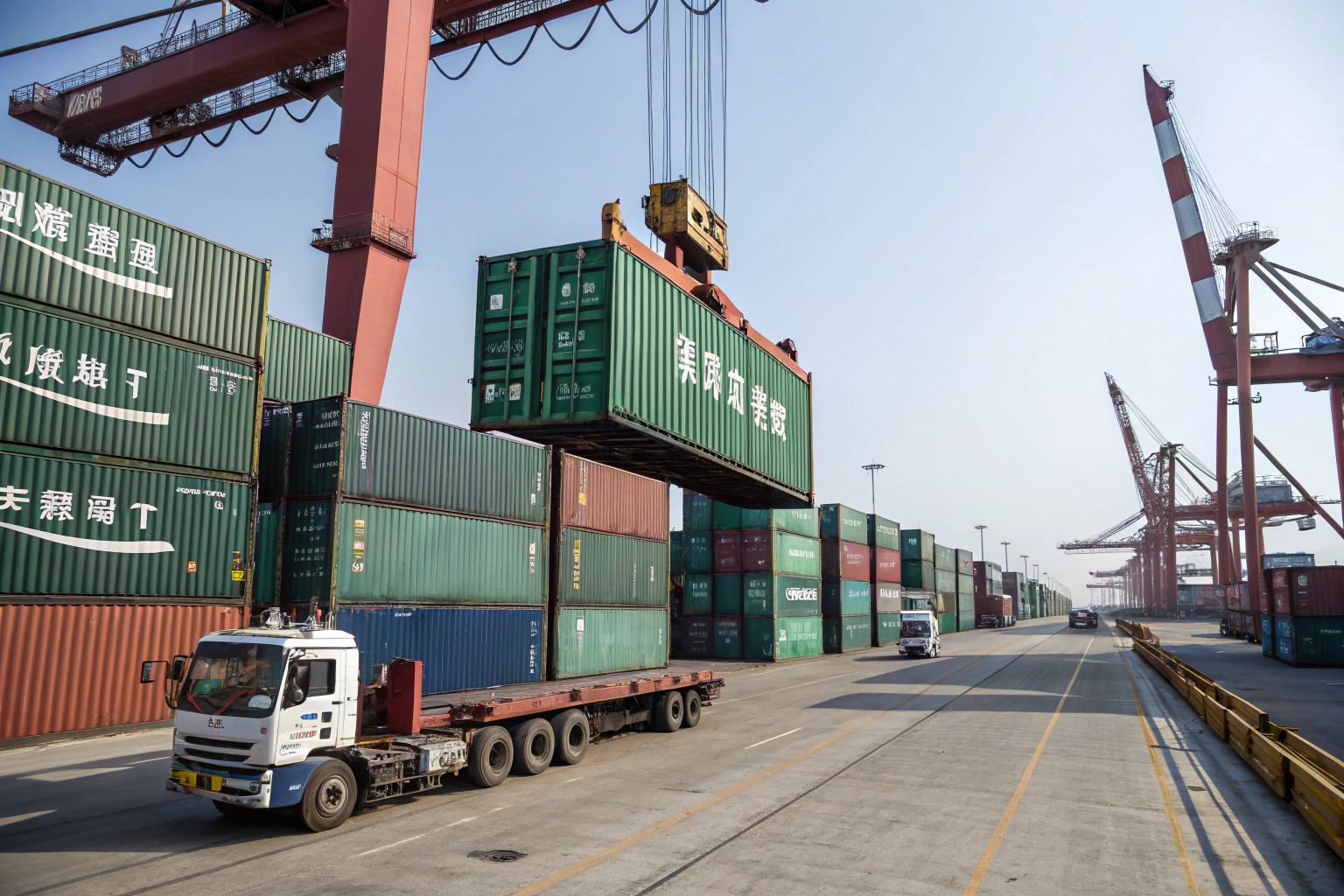
You’ve finalized the production run. The quality check passed. The cartons are stacked neatly on the loading dock in Shenzhen. Then the email arrives. "No empty containers available this week." Your stomach sinks. The shipment that was supposed to hit US shelves next month is now a question mark. You have zero control over the factory’s schedule now, and your customers start calling. A container shortage doesn’t just delay cargo. It damages your credibility as a supplier.
GeeseCargo protects your cargo from global container shortages by maintaining strategic empty container reserves at key Chinese ports, leveraging our long-term carrier alliances to prioritize your bookings, and deploying a "pre-pull" equipment strategy that secures your box before the crisis even begins.
You feel the shortage most acutely because you are the one who suffers the consequences of the delay. The factory won’t pay your lost sales. The shipping line won’t apologize. I realized this early on in my career. I saw an independent shoe importer lose an entire season because a carrier rolled their booking four times. I decided then that my company would never let a client down because of a steel box shortage. Here is how we fight the scarcity and keep your cargo flowing.
What Actually Triggers a Sudden Global Shortage of Shipping Containers?
A container shortage never feels sudden if you track the data. But to most of us, it seems to hit overnight. The root cause is an imbalance. Containers pile up in one region and fail to return to another. The global fleet hasn’t vanished. It’s just sitting idle in the wrong place. A labor strike in Germany. A customs backlog in Los Angeles. A holiday surge in Shanghai. These events trap the boxes for weeks.
We anticipate these imbalances by monitoring the container availability index at 20 major global ports in real-time. When we see a developing deficit in Shanghai or Ningbo, we trigger an "early draw" protocol to secure your containers days before the panic buying starts.
You don’t need to track these indices yourself. That’s tedious and stressful. My team does it for you. The shipping industry operates on a just-in-time basis for equipment. It is fragile. A single vessel delay creates a cascading equipment fault. Blank sailings also worsen the problem. When a ship cancels its voyage, it also cancels the return of empty containers to China. We understand this ecosystem intimately. That’s how we protect your cargo.
Why Do Blank Sailings Immediately Precede a Container Famine at Origin Ports?
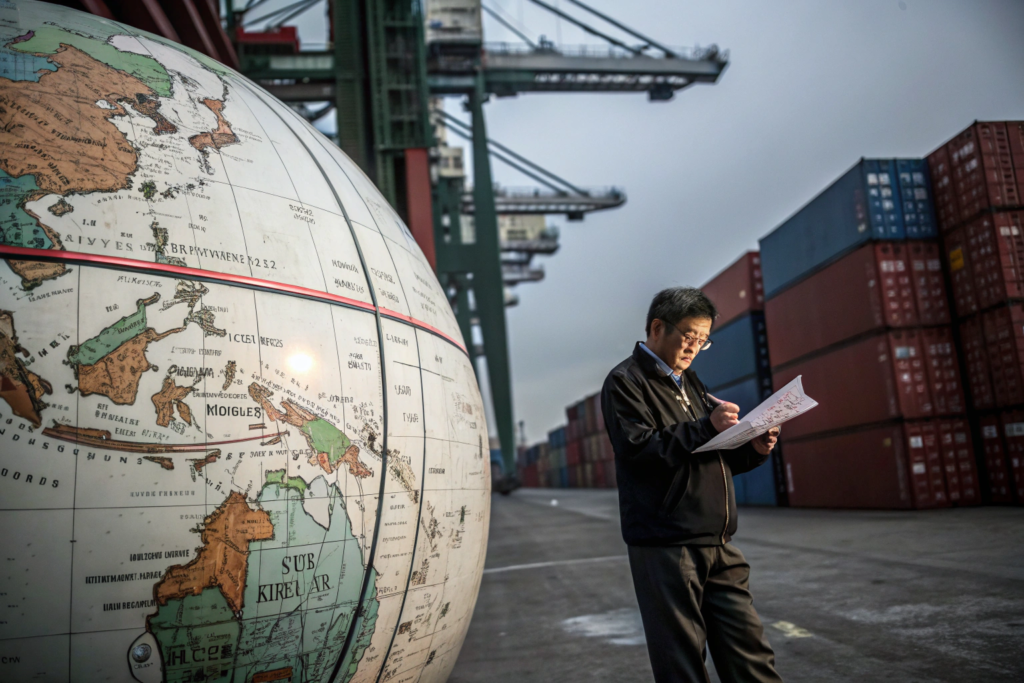
A blank sailing is a canceled ship. Carriers do this to manage capacity and prop up freight rates. When a vessel skips Shanghai, it doesn’t just cancel the export slots. It cancels the discharge of thousands of empty containers meant to be returned to that port for reloading. The port’s equipment pool shrinks instantly.
Your factory is ready to load. The depot says, "No boxes." We counter this by diversifying our equipment sources. When a MAERSK container isn’t available, we check COSCO or ONE inventories immediately. We don’t rely on a single carrier’s pool. This multi-carrier strategy ensures your cargo isn’t tied to the operational decisions of one shipping line. A blank sailing hurts the spot market. It doesn’t have to hurt you if you use a forwarder with freight management leverage across multiple alliances.
How Does Port Congestion in Long Beach Cause a Ripple Shortage in Ningbo?
You might think a traffic jam in Los Angeles stays in Los Angeles. It doesn’t. A vessel waits five days for a berth. It offloads. Then it waits another three days to load the empty returns and local exports. That vessel is now a week late departing for China. Those empty containers are a week late hitting the Ningbo equipment pool.
This delay depletes the reserve. Factories fight for the few boxes that arrive on other ships. Prices explode. We track port dwell times globally. If we see Long Beach slowing down, we immediately pre-book equipment in China for a later vessel. We don’t wait for the ocean loop to correct itself. We treat it as a supply chain disruption that requires pre-emptive action. Reliable logistics partners don’t just react to port congestion; they anticipate the equipment vacuum it creates on the other side of the world.
How Does GeeseCargo’s "Pre-Pull" Strategy Guarantee Equipment Availability?
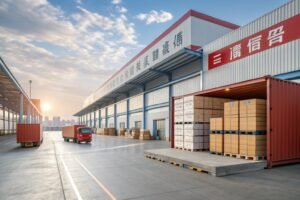
Waiting for a container to magically appear is the fastest way to fail. If your forwarder books the vessel without securing the metal box first, your booking is just a prayer. We practice something different. We don’t just reserve the slot on the ship. We physically pull the empty container from the depot and stage it.
Our "pre-pull" strategy physically removes empty containers from the carrier’s depot days or even weeks before your loading date and stages them at our secure, bonded yard near the factory. This guarantees the equipment is ready when your production is ready.
I remember a client who manufactured holiday gift baskets. Their factory finished production during the post-Chinese New Year chaos. Every other forwarder was screaming about equipment shortages. We had pre-pulled their containers before the holiday shutdown. We loaded the trucks on day one of factory reopening. Their goods sailed first. Their competitors waited two weeks for a box. That head start made their entire fiscal quarter. The box is not a minor detail; it is the foundation of execution.
What Happens During the Chinese New Year Equipment Vacuum?
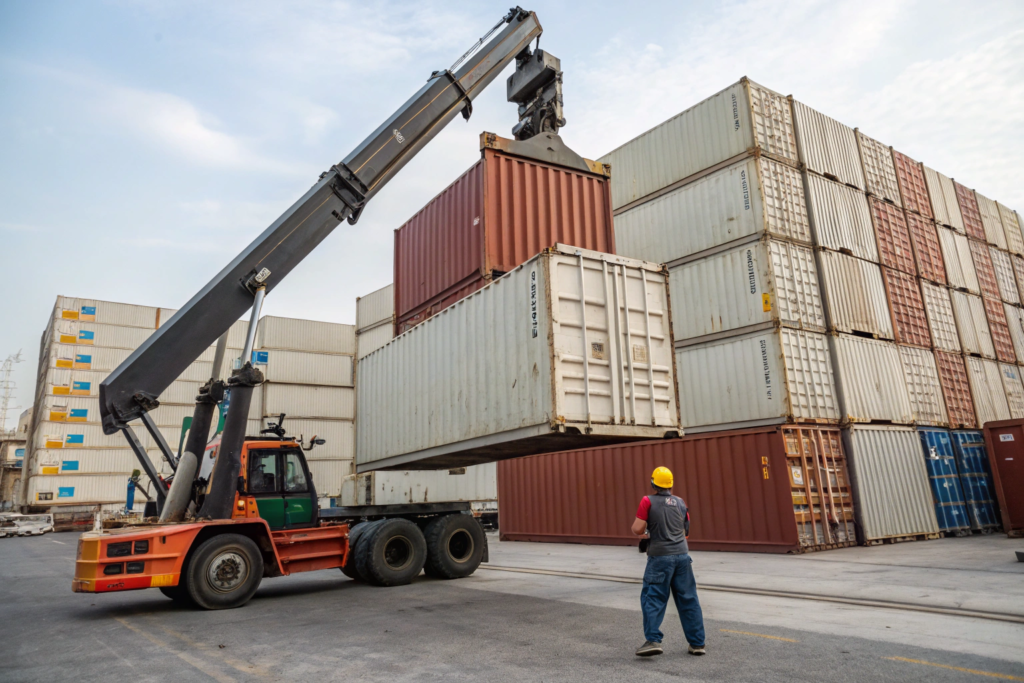
Every year, the Chinese supply chain resets. Factories close for weeks. Port labor goes home. Carriers drastically reduce sailings. The empty container stockpile gets used up and not replenished. The two weeks following the holiday are the most equipment-scarce period on earth.
You cannot change the lunar calendar. But you can beat the rush. We start the pre-pull process two weeks before the shutdown. We negotiate depot release fees early. We stage the empties inside our secure yard. When your factory reopens, we don’t queue at the congested terminal gate with everyone else. Our truck just picks up the staged box and goes straight to your loading dock. This is how we guarantee ocean freight execution during the most volatile period of the year.
How Can Staging Containers Off-Dock Solve the "No-Show" Trucker Problem?
Even if a container exists, getting a trucker to pick it up during peak times is a nightmare. The depot has long queues. Truckers often abandon the job for a better-paying one. This is called a "no-show." It destroys your loading schedule.
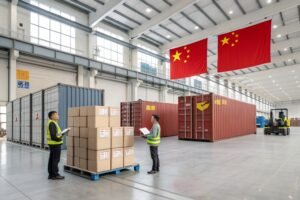
By pre-pulling the container to our yard, we solve the trucker problem permanently. Our yard is accessible 24/7. We use a dedicated fleet of short-haul drivers who don’t have to fight the terminal lines. We load your cargo at our pace, not the port’s pace. This off-dock staging also protects against terminal chassis shortages. When the port runs out of trailers to put boxes on, we already have your box on our own chassis. We control the last mile at origin entirely.
Is a Shift to High-Cube and Specialized Containers the Solution to Space Crunch?
When standard 40-foot containers run out, the panic sets in. But the game isn’t over. There’s a fleet of alternative equipment that many forwarders ignore because it’s harder to source. High-cube pallet-wide containers, for example, offer extra cubic capacity. Shipper-owned containers (SOCs) offer independence from carrier fleets.
We bypass standard equipment bottlenecks by pivoting instantly to high-cube and specialized containers that offer extra space and, critically, are often sitting available when standard boxes are fully booked.
If you ship bulky clothing or voluminous gift packaging, you often "cube out" before you "weigh out." A high-cube container offers an extra foot of height. That translates into hundreds of extra units per shipment. The freight cost per unit drops. But more importantly, during a crunch, the high-cube inventory isn’t as heavily contested as the standard 40-foot GP. Knowing how to access this "shadow inventory" of boxes comes from years of dealing with equipment controllers at the port.
How Can Shipper-Owned Containers (SOCs) Free You from Carrier Dependency?
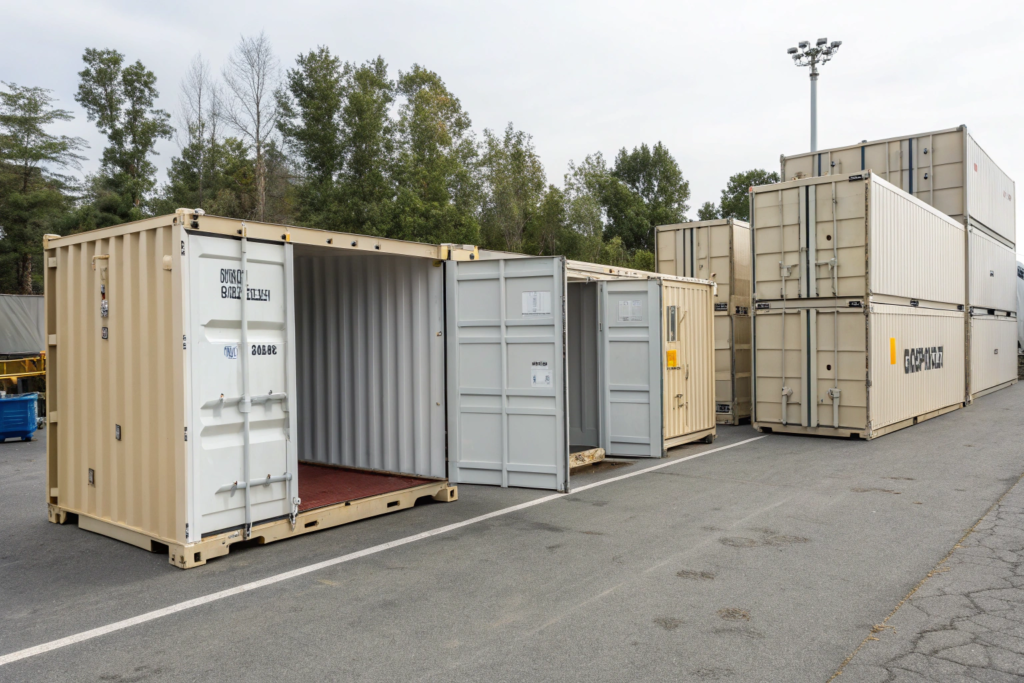
A SOC is a box you control, not the steamship line. During an equipment crisis, carriers prioritize their own containers for their highest-paying cargo. Your cargo gets rolled. But if you bring your own box, the carrier sees a fully ready-to-load unit. They love this. You get priority boarding.
We have a dedicated fleet of SOCs available for clients on long-term contracts. This completely removes your dependence on the carrier’s equipment availability. The vessel can be short of boxes, but your shipment is already boxed. SOC usage also saves on drop-off charges at the destination because you control the return timing. It’s a strategic tool for supply chain independence that we deploy for major clothing and accessory shippers.
When Does the "Grey Box" Strategy Work Best for Bulky Commodities?
Sometimes, you don’t just need a container. You need a specific type right now. The "grey box" strategy refers to using one-way lease containers or special pool containers that don’t go back into the main circulation loop. These are often available on short notice.
For large-scale imports of gifts and home goods that sell on volume, this is a lifesaver. We tap into leasing pools that standard freight forwarders don’t access. The box might be a different color or have different markings, but it passes inspection. It carries your cargo safely. We negotiate the handover at the destination depot directly. This flexibility ensures that a shortage of a specific carrier’s stock never stops your factory from shipping.
How Does Real-Time Visibility and DDP Planning Negate the Impact of Delays?
A container shortage creates a delay. A delay creates a question: "Where is my cargo?" If you don’t have an answer, your downstream operations fall apart. The warehouse crew stands idle. The retail buyer loses faith. The shortage itself is only half the problem. The panic caused by zero visibility is the other half.
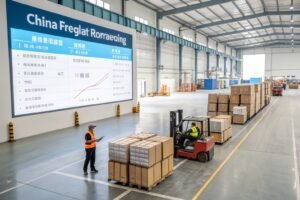
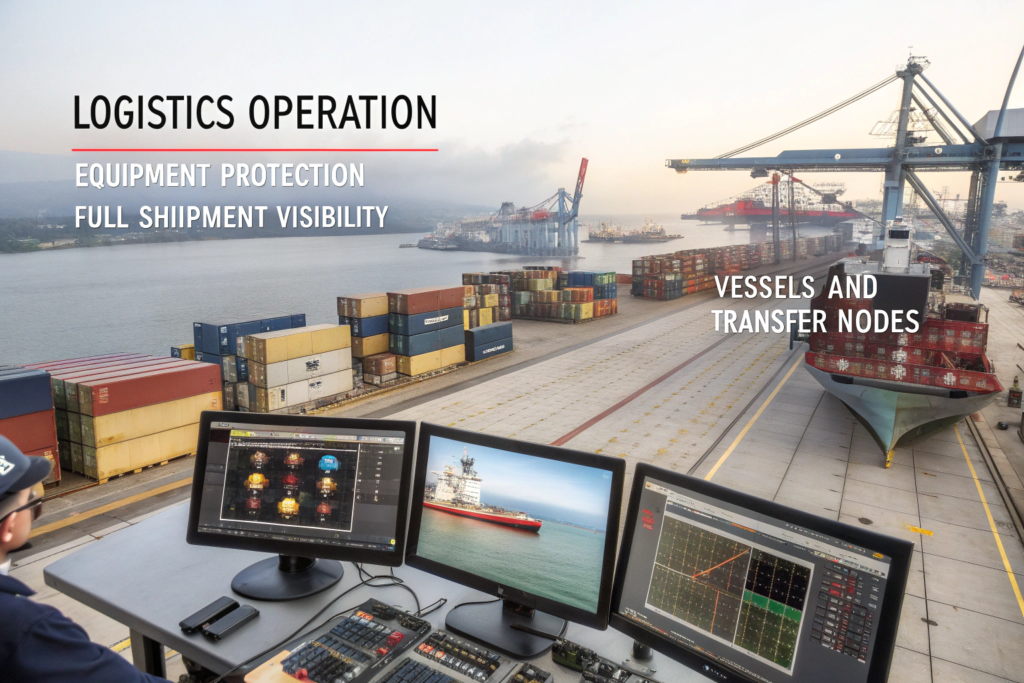
We pair our equipment protection with full shipment visibility and DDP door-to-door planning. You see not just the vessel’s position, but the container’s status through every customs and transfer node, allowing you to plan downstream operations confidently despite the upstream shortage.
You deserve peace of mind. If a container was difficult to secure, you need to know that it’s treated with priority all the way to your door. Our DDP planning integrates the pickup, origin customs, ocean transit, destination clearance, and final delivery into one unbroken chain of custody. This transparency turns a stressful delay into a manageable rescheduling exercise.
How Can Status Updates During a Shortage Protect Warehouse Scheduling?
Your warehouse schedule is based on delivery dates. If the container is delayed by a week but nobody tells you, you pay staff to stand around. If you know the delay is coming, you adjust. Our visibility platform sends proactive alerts.
We don’t just show the ship on a map. We calculate the estimated arrival considering the port congestion we see ahead. We tell you the trucking delivery appointment time at your warehouse. This allows you to flex your labor budget. You treat the delay as an operational input, not a shocking surprise. This level of shipment tracking detail pays for itself in saved warehouse idle time.
Why Is a Combined DDP and Fixed-Price Model Crucial When Spot Rates Spike?
Container shortages often cause freight rate spikes. You budgeted $3,000 per container, but the spot market now demands $7,000. If you are buying FOB and booking freight yourself, you pay the difference or wait. If you wait, you risk another price increase.
Our DDP fixed-price model insulates you completely. We take the commodity risk. We committed to a price before the shortage hit. We use our volume contracts to secure space at the agreed price, even if the market price triples. You pay the same all-in cost per unit. This financial stability means a global container crunch doesn’t trigger a panic re-costing of your product line. It’s the ultimate protection.
Conclusion
A container shortage feels like an invisible wall between your finished goods and your customers. But it’s a wall we have the tools to tear down before you even see it. We’ve covered how a blank sailing in Europe or a bottleneck in Long Beach can suck the equipment dry in China, and why trusting a standard booking without a physical box is a gamble you should never take. Our pre-pull strategy and off-dock staging turn a chaotic terminal gate into a predictable, calm loading process.
We’ve also explored the safety valves. High-cube containers and SOCs exist in the shadow market, ready to carry your clothing, accessories, and giftware when the standard boxes vanish. And when the shortage does cause a delay, our locked-in DDP pricing and granular tracking ensure you aren’t hit twice—once by the wait and once by a surprise surcharge.
I built GeeseCargo to take the panic out of global logistics. Container availability is a puzzle we solve daily. Let us solve it for you. Contact us today. We’ll lock down your equipment pipeline, freeze your costs, and give you back the confidence that your cargo will arrive, no matter the scarcity headlines.