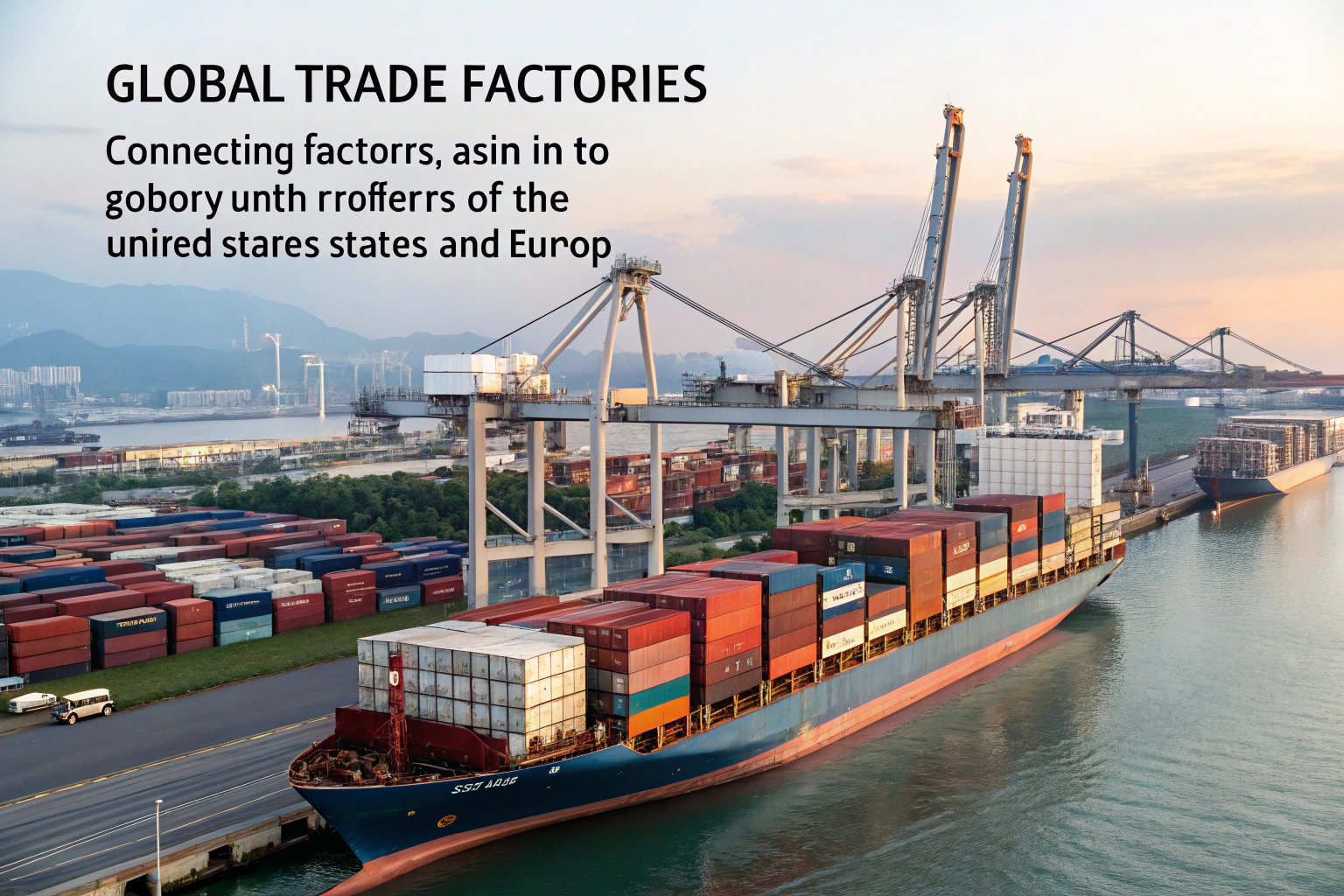
Global trade connects factories in Asia with retailers in the United States and Europe. Yet, moving goods across borders is never simple. From customs clearance and tariff compliance to cargo safety and timely delivery, the process can overwhelm businesses without professional support.
This is why freight forwarders are essential—they manage the complexity of global logistics. With expertise, networks, and technology, they make shipping faster, safer, and more reliable.
For business owners like Ron in America, who import large volumes of clothing, accessories, or gifts from China, freight forwarders ensure goods move smoothly from factory to warehouse. In this article, I will explain why freight forwarders are indispensable partners in today’s global trade.
What Role Do Freight Forwarders Play in Supply Chains?
Supply chains are the backbone of international trade, and freight forwarders are the coordinators who keep them running.
Freight forwarders act as the bridge between manufacturers, carriers, and buyers. They handle shipping documents, negotiate freight rates, and ensure compliance with international regulations.

Why Are Freight Forwarders the Link Between Buyers and Carriers?
Manufacturers and importers often lack direct access to carriers. Airlines, shipping lines, and trucking companies prefer working with freight forwarders who consolidate shipments and guarantee volumes. According to the International Federation of Freight Forwarders Associations (FIATA), forwarders enable small and medium enterprises to access global markets at competitive costs.
By consolidating cargo, forwarders lower costs for businesses like Ron’s while ensuring stable carrier capacity.
How Do Freight Forwarders Simplify Documentation?
International shipping requires multiple documents: bills of lading, commercial invoices, certificates of origin, and customs declarations. Errors in any of these can delay shipments. The World Trade Organization highlights documentation as a top barrier in trade.
Freight forwarders prepare and review every document, ensuring accuracy and compliance with local laws. This reduces delays and prevents costly penalties.
How Do Freight Forwarders Improve Cost Efficiency?
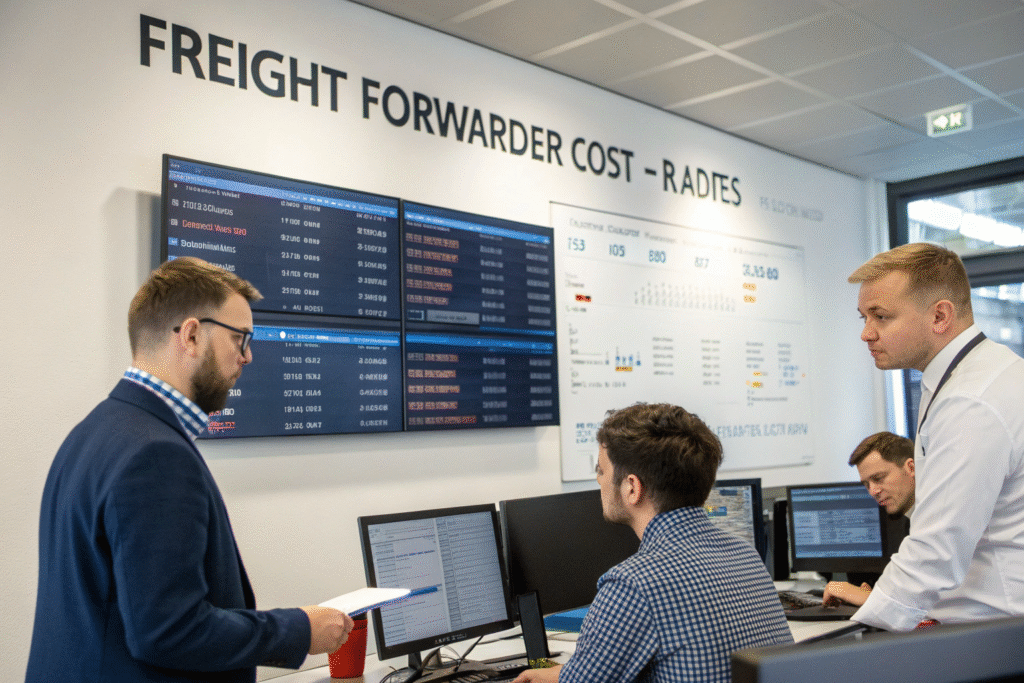
Shipping across borders is expensive. Tariffs, surcharges, and unexpected delays can increase costs. Freight forwarders use their industry connections and expertise to make logistics more affordable.
They improve cost efficiency by negotiating better freight rates, consolidating shipments, and reducing hidden costs.
How Do Freight Forwarders Negotiate Better Rates?
Freight forwarders move goods in large volumes, giving them stronger bargaining power with carriers. This allows them to secure discounts unavailable to individual importers. The Journal of Commerce often reports how forwarders secure stable rates even during peak demand.
For Ron, importing clothing from China, this means predictable shipping costs and better profit margins.
How Does Consolidation Save Money?
By combining shipments from multiple clients, forwarders maximize container and aircraft space. This reduces per-unit costs for businesses shipping smaller quantities. Industry platforms like Freightos show how consolidation provides competitive pricing.
Consolidation also reduces risks of empty container space, ensuring businesses only pay for what they use.
Why Are Freight Forwarders Critical for Compliance and Risk Management?
Global trade comes with strict regulations. Misclassification, incomplete paperwork, or tariff miscalculations can lead to fines or shipment delays. Freight forwarders protect businesses by managing compliance.
They handle customs clearance, monitor tariff changes, and secure insurance to protect against risks.
How Do Freight Forwarders Ensure Customs Compliance?
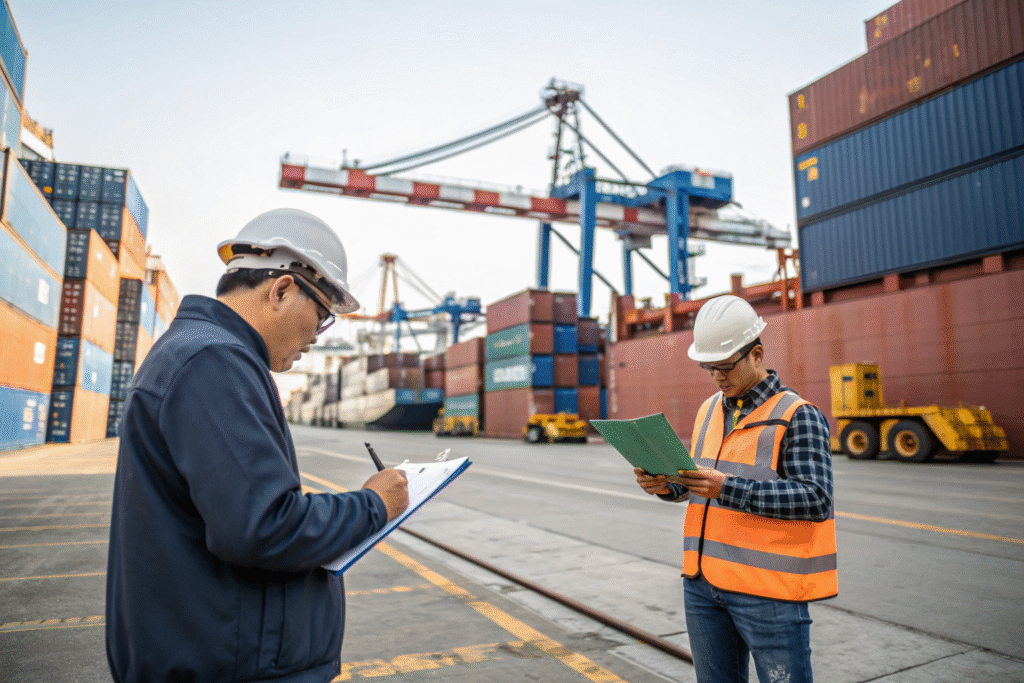
Customs clearance requires precise documentation and accurate HS codes. According to U.S. Customs and Border Protection, non-compliance is a leading cause of shipment delays.
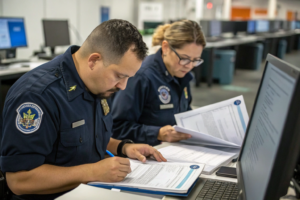
Freight forwarders prevent mistakes by preparing all customs paperwork, consulting tariff databases, and coordinating directly with customs officers.
Why Is Insurance Support Important?
Even with careful planning, accidents like container loss or cargo damage can occur. Freight forwarders help clients choose appropriate cargo insurance from providers like Allianz Trade, ensuring financial protection against unexpected losses.
This service gives businesses peace of mind, knowing that their investment is protected.
How Do Freight Forwarders Enhance Supply Chain Visibility?
Transparency in logistics is no longer optional—it is essential. Freight forwarders use digital platforms to give clients real-time visibility into their shipments.
They provide tracking tools, status updates, and proactive alerts to enhance trust and decision-making.
What Tracking Technologies Do Forwarders Use?
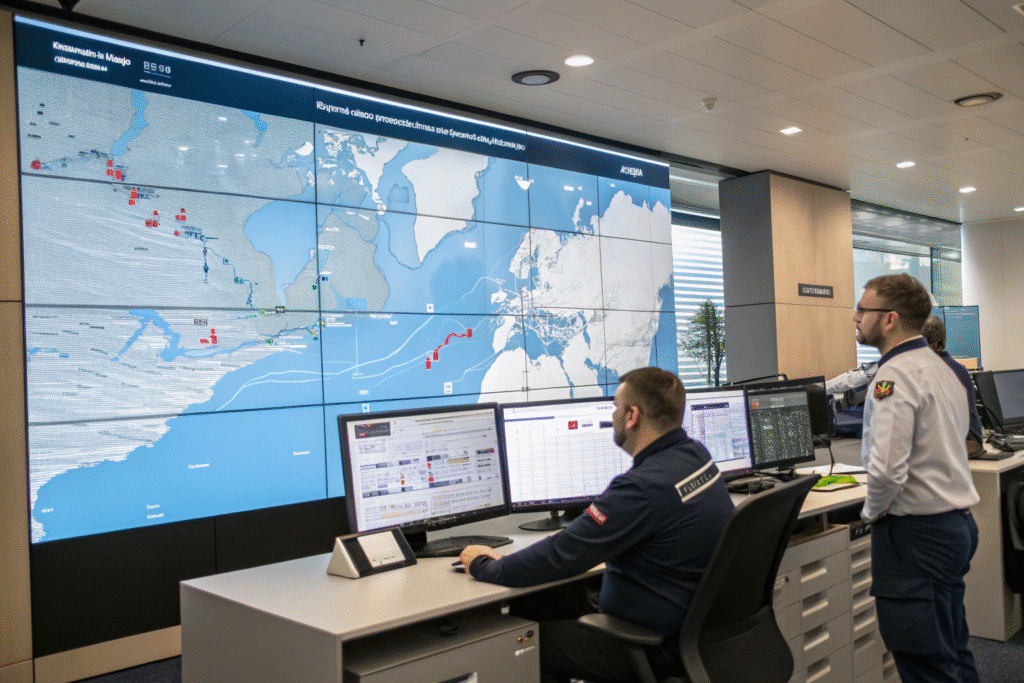
Forwarders integrate GPS tracking, IoT devices, and online dashboards. Platforms like Project44 provide end-to-end visibility across all modes of transportation.
At GeeseCargo, we share live shipment updates with clients, allowing them to monitor every stage of delivery.
How Does Visibility Improve Business Planning?
When importers know the exact status of shipments, they can manage inventory better and plan sales strategies. For Ron, this means avoiding stockouts during peak seasons. Industry insights from DHL Supply Chain confirm that visibility reduces supply chain disruptions.
Conclusion
Freight forwarders are not just middlemen—they are essential partners in global trade. They connect businesses to carriers, reduce costs, manage compliance, and provide visibility. Without forwarders, international shipping would be slower, riskier, and more expensive.
For companies importing from China to the United States, freight forwarders like GeeseCargo provide stability in an unpredictable market. By trusting professionals, businesses can focus on growth while ensuring their supply chains run smoothly.
In today’s world of complex logistics, freight forwarders are not optional—they are indispensable.