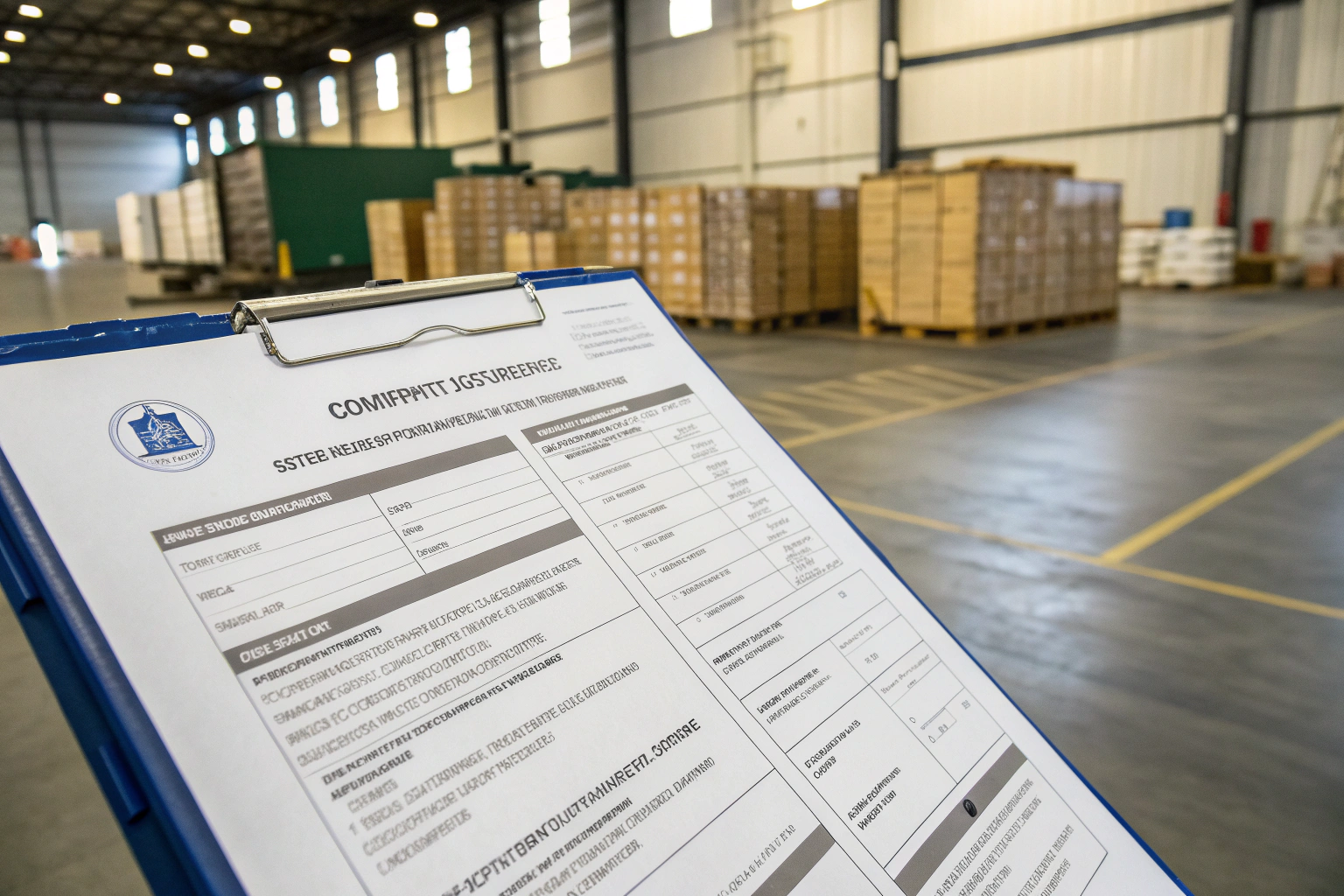
In international commerce, even small oversights in logistics planning can set off delays, financial losses, and unsatisfied customers. Many organizations devote their attention to freight pricing or delivery times, yet it is often the quality of shipping instructions that determines whether goods move without interruption or encounter disruptive problems. This naturally leads to a central question: why are detailed shipping instructions indispensable?
Comprehensive and accurate shipping instructions are crucial because they provide carriers, forwarders, and customs officials with the exact information needed to handle cargo appropriately, observe regulations, and ensure timely arrival. Without such guidance, even minor documentation errors may bring about penalties, additional storage expenses, or damage to shipments.
This article explores the importance of detailed shipping instructions, highlighting how they minimize mistakes, support compliance, and improve the efficiency of global logistics systems.
How Do Detailed Instructions Reduce Errors?
Operational mistakes in freight handling often arise from vague or incomplete information. Missing or unclear details regarding packaging, weight, or handling requirements create uncertainty for carriers and raise the risk of cargo mishandling.
Clear instructions eliminate ambiguity, ensuring that every participant across the supply chain adheres to the same set of expectations.
When communication is consistent and complete, the chances of disputes, delays, or unnecessary costs decrease significantly.
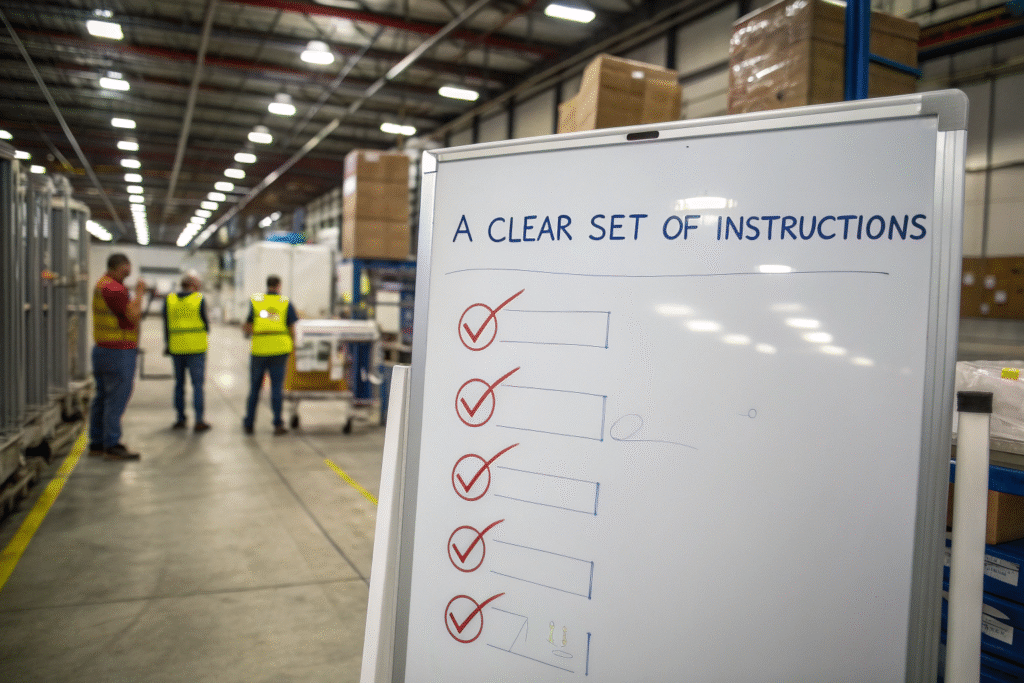
What Happens When Details Are Missing?
Inadequate instructions may cause shipments to be misrouted or placed on the wrong vessel. Goods requiring special handling—such as fragile or hazardous items—are particularly vulnerable if details are overlooked.
Companies like Hapag-Lloyd emphasize that accurate data entry is fundamental for avoiding routing mistakes and ensuring smooth transport.
Why Is Clarity Crucial in Communication?
Supply chains rely on numerous partners, including shipping lines, forwarders, truck operators, and customs agencies. Only with comprehensive instructions can these stakeholders communicate effectively and coordinate their roles seamlessly.
Digital platforms such as Freightos show how electronic documentation fosters clearer communication and reduces misunderstandings across networks.
How Do Shipping Instructions Ensure Compliance?
Global trade operates under a wide range of rules and regulations. Mistakes or gaps in documents can lead to customs penalties, shipment rejection, or prolonged clearance times.
Detailed and accurate instructions help firms comply with tariff classifications, safety requirements, and trade legislation, thereby protecting them from fines and confiscation risks.
Well-prepared instructions not only support forwarders but also provide customs agencies with the information necessary to process cargo efficiently and legally.

How Do They Prevent Customs Delays?
Timely clearance depends on precise paperwork such as invoices, packing lists, and certificates of origin. Any inconsistencies can result in cargo being held at the border.
Authorities like U.S. Customs and Border Protection highlight that accurate documentation is central to smooth customs operations.
Why Is Compliance Important for Safety?
Certain shipments, including chemicals or food products, must meet strict safety standards. If details are incomplete, shipments risk being stopped, destroyed, or causing liability issues.
Institutions such as the European Commission Trade stress compliance as a cornerstone of safe and legal international commerce.
How Do Instructions Support Supply Chain Efficiency?
Efficiency in logistics is grounded in coordination. Shipping instructions serve as a roadmap, informing each actor about the handling, routing, and final delivery of cargo.
With complete instructions, forwarders can select appropriate routes, carriers can allocate resources, and warehouses can prepare for cargo arrival.
This level of planning minimizes idle time, optimizes capacity, and enhances speed throughout the supply chain.
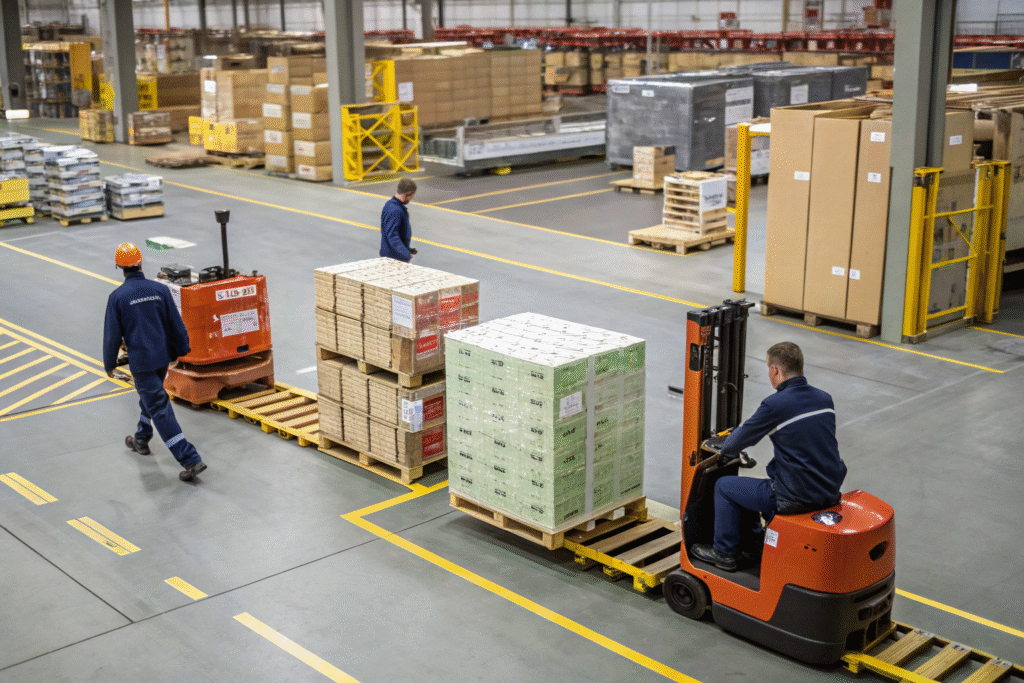
How Do They Improve Route Planning?
Precise data on deadlines, destinations, and product categories allows forwarders to design efficient routes and prevent unnecessary detours.
Tools like Project44 integrate this information into real-time systems, creating greater visibility for transport partners.
Why Are Warehouses Dependent on Instructions?
Warehouses need prior knowledge of cargo requirements to allocate space, labor, and equipment. Without accurate instructions, facilities may face congestion and wasted resources.
Providers like Kuehne+Nagel use advanced systems that link shipping documents with warehouse management to streamline operations.
How Do Shipping Instructions Build Trust With Partners?
Trust is central to effective logistics. When documents are accurate and thorough, stakeholders can depend on one another, reinforcing collaboration.
Well-prepared shipping instructions reflect professionalism, foster stronger partnerships, and assure partners that shipments will be managed with precision.
Conversely, vague or inconsistent instructions undermine confidence and increase the risk of conflict.

How Do Instructions Strengthen Relationships?
Consistently detailed instructions show partners—such as carriers and customs agencies—that a company is reliable. This often results in faster processing and smoother cooperation.
Industry leaders like DHL emphasize that strong documentation practices enhance long-term client and partner relationships.
Why Do Accurate Instructions Reflect Professionalism?
Precision in logistics signals competence. Firms that deliver accurate and thorough documentation demonstrate respect for their partners’ time and establish themselves as professional operators.
Companies such as Expeditors underline accurate documentation as a hallmark of superior service standards.
Conclusion
Detailed shipping instructions are indispensable for successful international trade. They reduce the likelihood of operational errors, guarantee compliance, improve logistics efficiency, and strengthen trust among global partners.
By ensuring that all stakeholders—from carriers to customs agencies—operate with consistent and reliable information, businesses can avoid unnecessary risks and achieve smoother cargo movement.
In today’s competitive trade environment, dedicating resources to prepare accurate shipping instructions is not optional but a critical strategy for sustainable success.