When a buyer asks me about DDP door-to-door shipping from China, I usually hear the same concern first. The buyer does not only want a lower freight price. The buyer wants a shipment that arrives on time, clears smoothly, and protects margin after every small fee is counted.
My direct answer is this: a quote that explains duty, tax, pickup, export, import, and final delivery in one workflow. At GeeseCargo, I treat freight as part of the buying decision, not as a last-minute booking after production is done. That is how I help overseas buyers avoid unclear duty responsibility, weak customs planning, and final-mile surprises.
In this guide, I explain how I look at the question from the side of a China logistics partner. I will keep the language simple, because import work already has enough moving parts. The goal is to help importers who want a clear delivered cost and less customs stress make a practical decision before money, cargo, and time are at risk.
What Should Buyers Know First?
I start this part with the same rule I use in daily work: a shipment is only as strong as the information behind it. For DDP door-to-door shipping from China, the best plan comes from product details, supplier readiness, packing data, route options, and the buyer’s deadline.

What is the real buying problem behind this question?
The first thing I check is whether the buyer, supplier, and freight team are using the same facts. I need carton count, gross weight, volume, pickup city, destination address, trade term, and deadline. When customs or Incoterms are involved, I also compare the plan with public references such as IATA cargo guidance so the buyer understands the rule behind the advice.
For many importers who want a clear delivered cost and less customs stress, the expensive mistake is not one large error. It is a chain of small gaps. A supplier gives an EXW price but the buyer reads it like FOB. A forwarder quotes ocean freight but leaves out destination delivery. A carton label is approved late. Each gap looks small alone, but together they create delay and cost.
My working method is simple. I slow the process down before booking, then speed it up after the plan is clear. I ask direct questions, write down the scope, and make sure the buyer knows what is included, what is excluded, and which party must act next. That discipline is often more valuable than chasing a price that looks low for one day.
Which shipment details should be confirmed before quoting?
The first thing I check is whether the buyer, supplier, and freight team are using the same facts. I need carton count, gross weight, volume, pickup city, destination address, trade term, and deadline. When customs or Incoterms are involved, I also compare the plan with public references such as International Maritime Organization so the buyer understands the rule behind the advice.
For many importers who want a clear delivered cost and less customs stress, the expensive mistake is not one large error. It is a chain of small gaps. A supplier gives an EXW price but the buyer reads it like FOB. A forwarder quotes ocean freight but leaves out destination delivery. A carton label is approved late. Each gap looks small alone, but together they create delay and cost.
My working method is simple. I slow the process down before booking, then speed it up after the plan is clear. I ask direct questions, write down the scope, and make sure the buyer knows what is included, what is excluded, and which party must act next. That discipline is often more valuable than chasing a price that looks low for one day.
| Item to Confirm | Why It Matters | My Practical Check |
|---|---|---|
| Trade term | It decides who pays and who carries risk. | Confirm EXW, FOB, CIF, DDP, or another term in writing. |
| Cargo data | Wrong weight or volume changes price. | Check cartons, dimensions, gross weight, and photos. |
| Destination | Final delivery changes the real cost. | Use full address, warehouse rules, and appointment needs. |
| Deadline | Transit time affects mode choice. | Compare sea, air, rail, express, or multimodal options. |
This table is basic, but it prevents many costly problems. I would rather spend ten extra minutes confirming these points than let a shipment move with weak data. Once cargo leaves the supplier, every correction becomes slower and more expensive.
How Do Costs and Risks Change?
I start this part with the same rule I use in daily work: a shipment is only as strong as the information behind it. For DDP door-to-door shipping from China, the best plan comes from product details, supplier readiness, packing data, route options, and the buyer’s deadline.

Which fees create the biggest price difference?
The first thing I check is whether the buyer, supplier, and freight team are using the same facts. I need carton count, gross weight, volume, pickup city, destination address, trade term, and deadline. When customs or Incoterms are involved, I also compare the plan with public references such as European Commission customs overview so the buyer understands the rule behind the advice.
For many importers who want a clear delivered cost and less customs stress, the expensive mistake is not one large error. It is a chain of small gaps. A supplier gives an EXW price but the buyer reads it like FOB. A forwarder quotes ocean freight but leaves out destination delivery. A carton label is approved late. Each gap looks small alone, but together they create delay and cost.
My working method is simple. I slow the process down before booking, then speed it up after the plan is clear. I ask direct questions, write down the scope, and make sure the buyer knows what is included, what is excluded, and which party must act next. That discipline is often more valuable than chasing a price that looks low for one day.
How can buyers avoid low quotes with missing charges?
The first thing I check is whether the buyer, supplier, and freight team are using the same facts. I need carton count, gross weight, volume, pickup city, destination address, trade term, and deadline. When customs or Incoterms are involved, I also compare the plan with public references such as UK import goods guidance so the buyer understands the rule behind the advice.
For many importers who want a clear delivered cost and less customs stress, the expensive mistake is not one large error. It is a chain of small gaps. A supplier gives an EXW price but the buyer reads it like FOB. A forwarder quotes ocean freight but leaves out destination delivery. A carton label is approved late. Each gap looks small alone, but together they create delay and cost.
My working method is simple. I slow the process down before booking, then speed it up after the plan is clear. I ask direct questions, write down the scope, and make sure the buyer knows what is included, what is excluded, and which party must act next. That discipline is often more valuable than chasing a price that looks low for one day.
How Do Documents and Timing Work?
I start this part with the same rule I use in daily work: a shipment is only as strong as the information behind it. For DDP door-to-door shipping from China, the best plan comes from product details, supplier readiness, packing data, route options, and the buyer’s deadline.
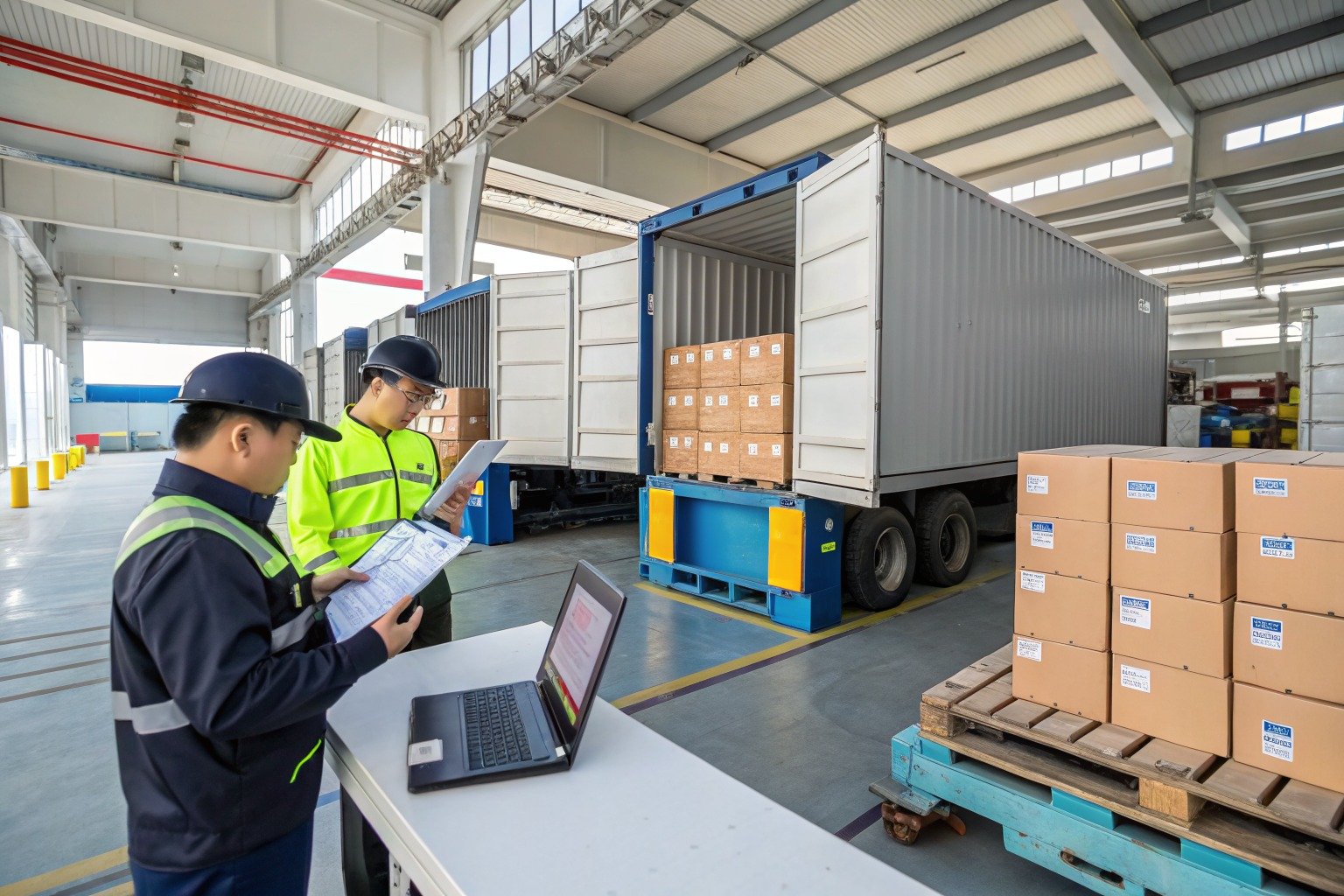
Which documents should be checked before cargo leaves China?
The first thing I check is whether the buyer, supplier, and freight team are using the same facts. I need carton count, gross weight, volume, pickup city, destination address, trade term, and deadline. When customs or Incoterms are involved, I also compare the plan with public references such as CBP importer guidance so the buyer understands the rule behind the advice.
For many importers who want a clear delivered cost and less customs stress, the expensive mistake is not one large error. It is a chain of small gaps. A supplier gives an EXW price but the buyer reads it like FOB. A forwarder quotes ocean freight but leaves out destination delivery. A carton label is approved late. Each gap looks small alone, but together they create delay and cost.
My working method is simple. I slow the process down before booking, then speed it up after the plan is clear. I ask direct questions, write down the scope, and make sure the buyer knows what is included, what is excluded, and which party must act next. That discipline is often more valuable than chasing a price that looks low for one day.
How should buyers plan pickup, customs, and delivery time?
The first thing I check is whether the buyer, supplier, and freight team are using the same facts. I need carton count, gross weight, volume, pickup city, destination address, trade term, and deadline. When customs or Incoterms are involved, I also compare the plan with public references such as CBP customs bonds guidance so the buyer understands the rule behind the advice.
For many importers who want a clear delivered cost and less customs stress, the expensive mistake is not one large error. It is a chain of small gaps. A supplier gives an EXW price but the buyer reads it like FOB. A forwarder quotes ocean freight but leaves out destination delivery. A carton label is approved late. Each gap looks small alone, but together they create delay and cost.
My working method is simple. I slow the process down before booking, then speed it up after the plan is clear. I ask direct questions, write down the scope, and make sure the buyer knows what is included, what is excluded, and which party must act next. That discipline is often more valuable than chasing a price that looks low for one day.
| Document or Check | Who Usually Provides It | Risk If It Is Wrong |
|---|---|---|
| Commercial invoice | Supplier or seller | Customs value, buyer name, and product description may be questioned. |
| Packing list | Supplier or warehouse | Carton count, weight, and loading data may not match the cargo. |
| Bill of lading or airway bill | Carrier or forwarder | Release, tracking, and consignee details may be delayed. |
| HS code review | Importer with broker support | Duty rate and compliance risk may change. |
Documents should not be treated as a formality. They are the operating language between the supplier, carrier, customs broker, warehouse, and buyer. When the language is clean, the shipment has fewer reasons to stop.
How Can GeeseCargo Support Buyers?
I start this part with the same rule I use in daily work: a shipment is only as strong as the information behind it. For DDP door-to-door shipping from China, the best plan comes from product details, supplier readiness, packing data, route options, and the buyer’s deadline.
What does my team coordinate before booking freight?
The first thing I check is whether the buyer, supplier, and freight team are using the same facts. I need carton count, gross weight, volume, pickup city, destination address, trade term, and deadline. When customs or Incoterms are involved, I also compare the plan with public references such as ICC Incoterms rules so the buyer understands the rule behind the advice.
For many importers who want a clear delivered cost and less customs stress, the expensive mistake is not one large error. It is a chain of small gaps. A supplier gives an EXW price but the buyer reads it like FOB. A forwarder quotes ocean freight but leaves out destination delivery. A carton label is approved late. Each gap looks small alone, but together they create delay and cost.
My working method is simple. I slow the process down before booking, then speed it up after the plan is clear. I ask direct questions, write down the scope, and make sure the buyer knows what is included, what is excluded, and which party must act next. That discipline is often more valuable than chasing a price that looks low for one day.
How do I keep buyers updated after the cargo moves?
The first thing I check is whether the buyer, supplier, and freight team are using the same facts. I need carton count, gross weight, volume, pickup city, destination address, trade term, and deadline. When customs or Incoterms are involved, I also compare the plan with public references such as World Customs Organization HS overview so the buyer understands the rule behind the advice.
For many importers who want a clear delivered cost and less customs stress, the expensive mistake is not one large error. It is a chain of small gaps. A supplier gives an EXW price but the buyer reads it like FOB. A forwarder quotes ocean freight but leaves out destination delivery. A carton label is approved late. Each gap looks small alone, but together they create delay and cost.
My working method is simple. I slow the process down before booking, then speed it up after the plan is clear. I ask direct questions, write down the scope, and make sure the buyer knows what is included, what is excluded, and which party must act next. That discipline is often more valuable than chasing a price that looks low for one day.
Conclusion
If you are comparing options for DDP door-to-door shipping from China, my advice is to look beyond the first freight number. Ask what is included, who controls each step, what documents are checked, and how fast the team can respond when something changes.
My team at GeeseCargo helps overseas buyers ship from China with practical routing, DDP planning, FOB and CIF coordination, sourcing support, supplier pickup, cargo checking, customs preparation, and full delivery follow-up. We work from China and coordinate with buyers who need clear communication and reliable execution.
You can contact our logistics team at benzhu@geesecargo.com. If you want a freight plan, send the product name, supplier city, carton data, destination, trade term, and target delivery time. I will help you review the route, cost structure, and risk points before you book.
#GeeseCargo #ChinaFreightForwarder #ShippingFromChina #ChinaLogistics #DDPShipping #DoorToDoorDelivery #ImportFromChina #OceanFreight #AirFreight #ChinaSourcing