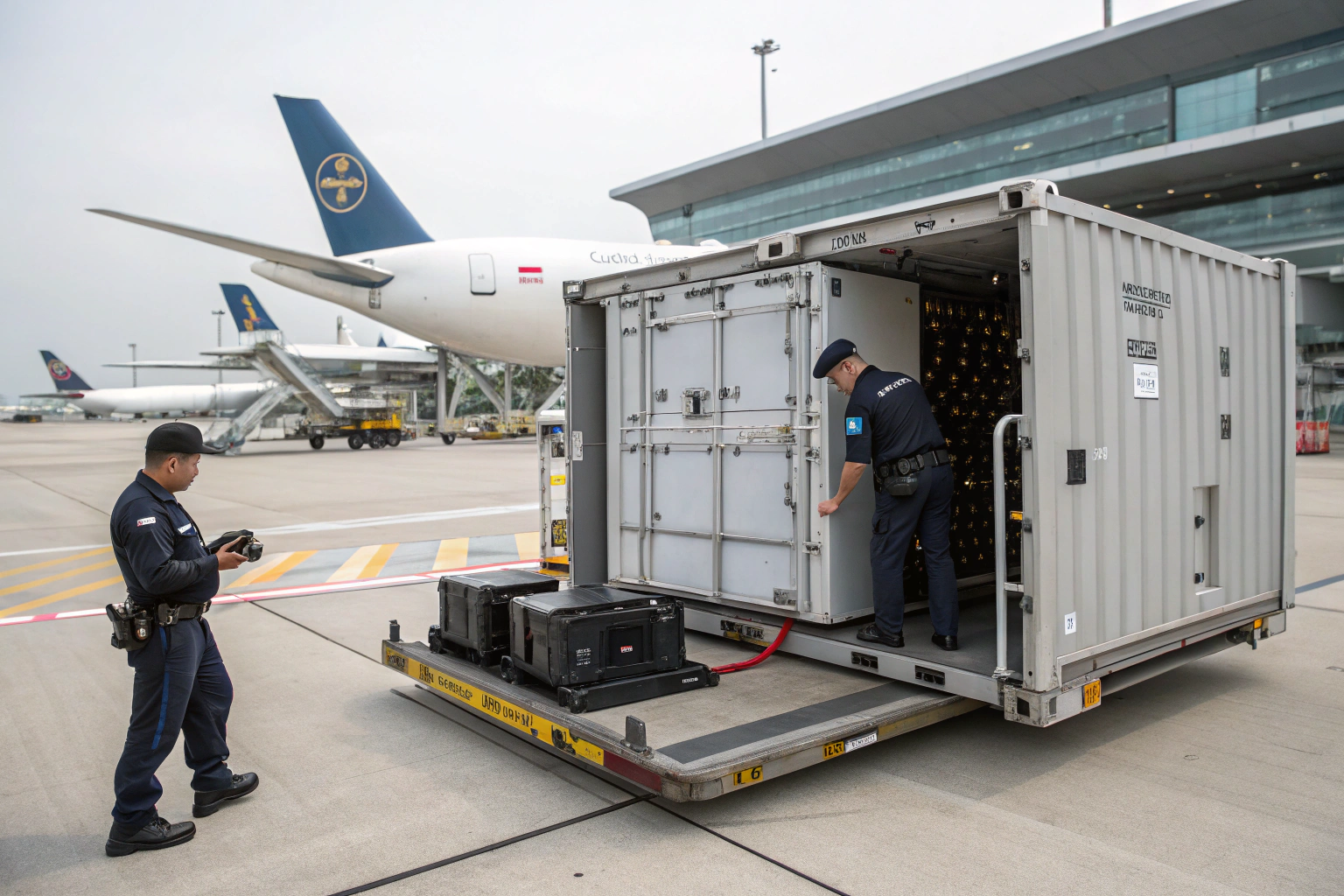
When one of our clients shipped $2.8 million in luxury watches from Switzerland to Japan, they used a seven-layer security approach that prevented a sophisticated theft attempt during transit. As founder of GeeseCargo with extensive experience in high-value logistics, I've learned that safe shipping requires treating security as an integrated system rather than relying on any single method. The safest approach combines physical protection, tracking technology, procedural controls, and insurance in a defense-in-depth strategy.
The safest method for shipping high-value products involves integrated security layers including specialized armored transport, dual-technology tracking, tamper-evident packaging, covert routing, and comprehensive insurance. For most high-value items, registered courier services with dedicated handlers provide optimal security for smaller parcels, while consolidated high-security containers offer better protection for larger shipments.
Security for high-value products isn't just about preventing theft—it's about creating multiple detection and response layers that make successful theft statistically improbable while ensuring full recovery even if breaches occur. The most secure approaches typically add 15-30% to shipping costs but prevent losses that could destroy businesses.
What Physical Security Measures Provide the Best Protection?
Physical security forms the first line of defense, creating tangible barriers that deter, detect, and delay unauthorized access throughout the shipping journey.
How Do Specialized Containers and Packaging Enhance Security?
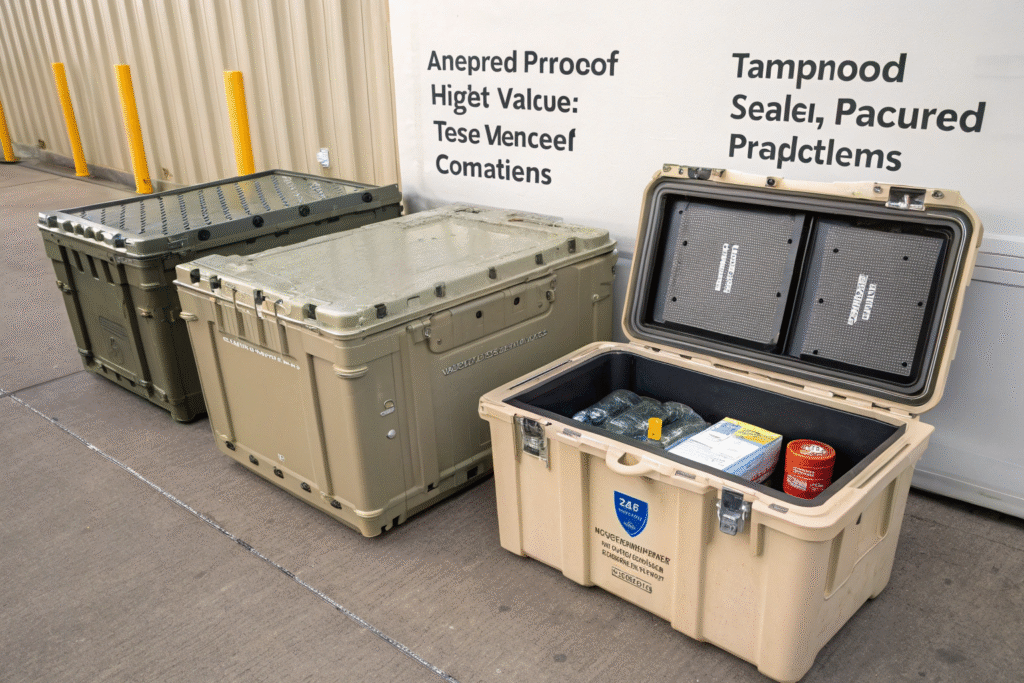
Armored transit cases with custom foam cushioning protect against both theft and damage. These cases typically feature reinforced walls, pry-resistant locks, and shock-absorbent interiors that maintain protection during normal handling while resisting forced entry.
Tamper-evident packaging with sequential numbering provides visible breach detection. Special seals and tapes that change color or display visible patterns when removed make unauthorized access immediately apparent to handlers and recipients.
Decoy packaging conceals high-value items within ordinary-looking containers. What appears to be routine industrial components or commercial goods may contain specially secured compartments housing valuable products, avoiding obvious targeting.
What Transportation Equipment Offers the Highest Security?
Dedicated high-security containers with integrated tracking provide mobile vaults. These specialized units feature reinforced construction, electronic locks, and built-in monitoring systems that create secure environments even during extended transit.
Armored vehicles with GPS and communication systems offer point-to-point protection. For regional transportation, vehicles with bullet-resistant materials, emergency communication, and real-time monitoring provide secure movement between facilities.
Temperature-controlled secure containers protect sensitive high-value items. For electronics, pharmaceuticals, or artwork requiring climate control, integrated security systems maintain both environmental conditions and physical protection.
How Can Technology Enhance Shipping Security?
Modern technology creates unprecedented visibility and control, transforming shipping security from reactive to proactive through continuous monitoring and instant response capabilities.
What Tracking and Monitoring Systems Provide the Best Visibility?
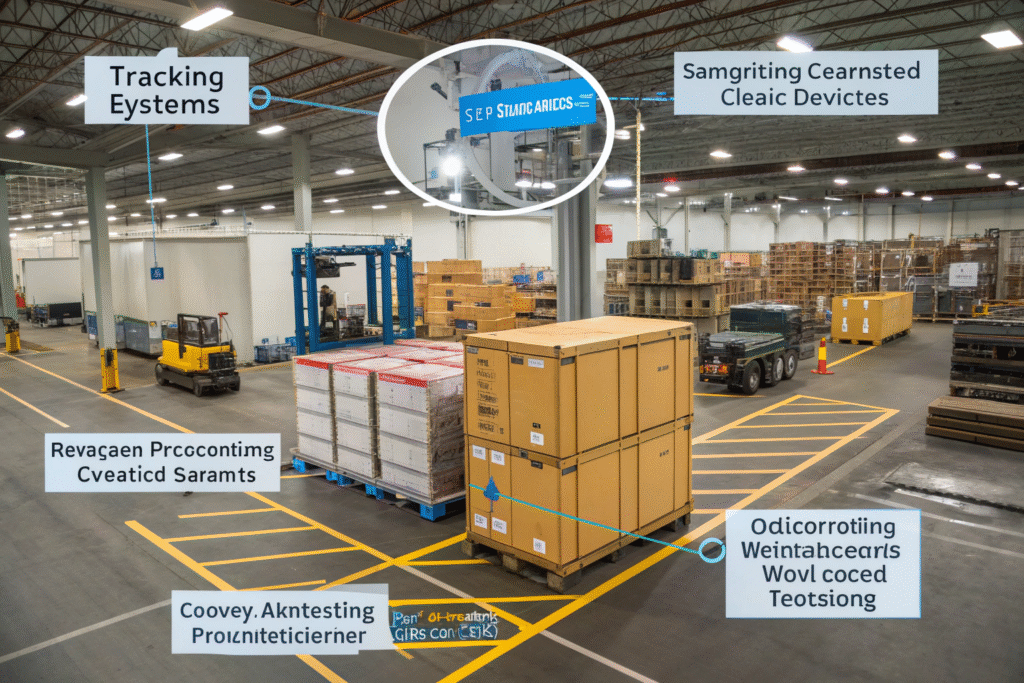
Dual-technology tracking units with cellular and satellite connectivity ensure continuous monitoring. These devices provide real-time location updates while maintaining functionality even when cellular coverage is unavailable or intentionally blocked.
Environmental sensors monitor conditions beyond simple location. Temperature, humidity, shock, light exposure, and radiation sensors detect environmental changes that might indicate tampering or inappropriate handling.
Bluetooth beacon networks create geofenced security perimeters. When combined with receiver networks at facilities and transit points, these systems generate immediate alerts if shipments deviate from approved routes or locations.
How Do Electronic Seals and Access Controls Prevent Tampering?
Electronic seals with integrated sensors provide digital tamper evidence. Unlike physical seals that require visual inspection, electronic versions generate immediate alerts when breached, including time, location, and breach method data.
Biometric access controls limit handling to authorized personnel. Fingerprint, facial recognition, or iris scanning systems ensure only pre-approved individuals can access high-value shipments during loading, inspection, or transfer.
Blockchain-based documentation creates immutable custody records. Each transfer point generates cryptographically secured records that cannot be altered, providing definitive proof of proper handling throughout the supply chain.
What Procedural Security Measures Are Most Effective?
People and processes represent both the greatest vulnerability and most powerful protection in high-value shipping. Well-designed procedures create security through predictability and verification.

What Custody Transfer Protocols Prevent Internal Threats?
Dual-person verification requires multiple authorized individuals for all transfers. No single person can receive, transfer, or release high-value shipments, preventing internal collusion or individual malfeasance.
Documented handoff procedures with photographic evidence create audit trails. Each transfer includes timestamped photographs of the shipment condition, seals, and participating personnel, creating comprehensive custody records.
Background-checked dedicated handlers minimize personnel risks. Individuals handling high-value shipments undergo enhanced vetting and continuous monitoring beyond standard employee screening.
How Can Routing and Timing Strategies Enhance Security?
Unpredictable routing with real-time adjustments prevents ambush planning. Rather than fixed routes, dynamic routing based on current traffic, weather, and security conditions makes interception planning practically impossible.
Strategic timing avoids predictable patterns that facilitate targeting. Varying dispatch times, using different days of the week, and avoiding publication of shipping schedules reduces vulnerability to planned theft.
Multi-modal transportation with secure transfer points complicates interception planning. Switching between air, ground, and sea transport at secured facilities prevents criminals from establishing predictable patterns.
What Insurance and Financial Protections Are Essential?
Financial protections ensure that even successful security breaches don't create catastrophic business losses, while also influencing security practices through premium structures.

What Insurance Coverage Options Provide the Best Protection?
All-risk marine cargo insurance covers physical loss or damage from external causes. This broad coverage includes theft, mysterious disappearance, and handling damage, though specific exclusions may apply.
Valuable articles insurance offers specialized coverage for high-value items. This coverage typically has higher limits, lower deductibles, and broader protection than standard cargo insurance.
Third-party liability insurance protects against claims arising from security incidents. When security measures affect other parties or property, liability coverage addresses legal and compensation obligations.
How Can Insurance Structures Influence Security Practices?
Premium incentives for enhanced security reduce overall costs. Insurers often provide significant premium reductions for shipments using approved security measures, sometimes offsetting much of the security investment cost.
Deductible structures aligned with security investments create financial incentives. Lower deductibles for breaches occurring despite proper security implementation encourage comprehensive protection measures.
Loss prevention services from insurers provide expert security guidance. Many insurers offering high-value coverage include security consulting and assessment services to help prevent claims.
How Should You Choose Between Shipping Options?
Different high-value products and business contexts require tailored security approaches that balance protection, cost, and practical considerations.
When Are Dedicated Courier Services the Best Choice?
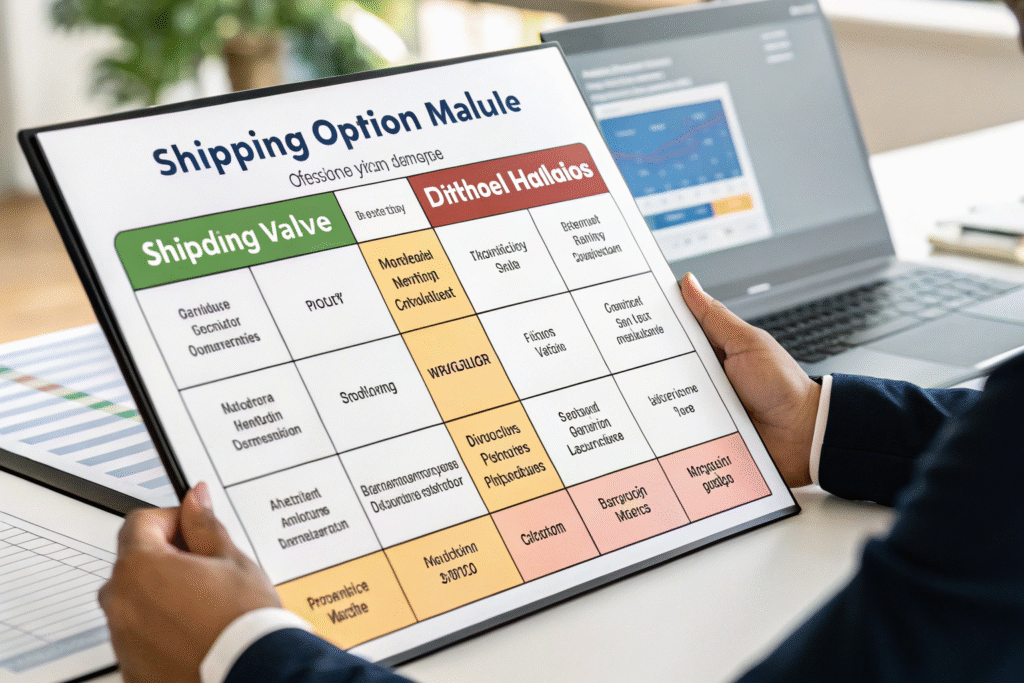
Small, high-density items under 50kg typically suit courier services. Luxury goods, precious metals, critical documents, and high-value components often benefit from the controlled handling of dedicated couriers.
Time-sensitive shipments requiring precise timing need courier reliability. When delivery windows are narrow and timing predictable, courier services provide the scheduling certainty that enhances security.
Single-piece shipments with values exceeding $100,000 justify courier premiums. The per-item cost of dedicated courier service becomes economically viable at very high individual values.
When Do Consolidated Security Services Offer Better Value?
Multiple items shipping together benefit from consolidated security. Rather than securing each item individually, grouping high-value products in secured containers spreads security costs across multiple items.
Regular shipment volumes enable dedicated security protocols. Businesses with consistent high-value shipping can establish standing security arrangements that reduce per-shipment costs while maintaining protection.
Complex supply chains requiring multiple transfers need integrated security. When shipments move through various carriers and facilities, consolidated security providers maintain consistent protection across handoffs.
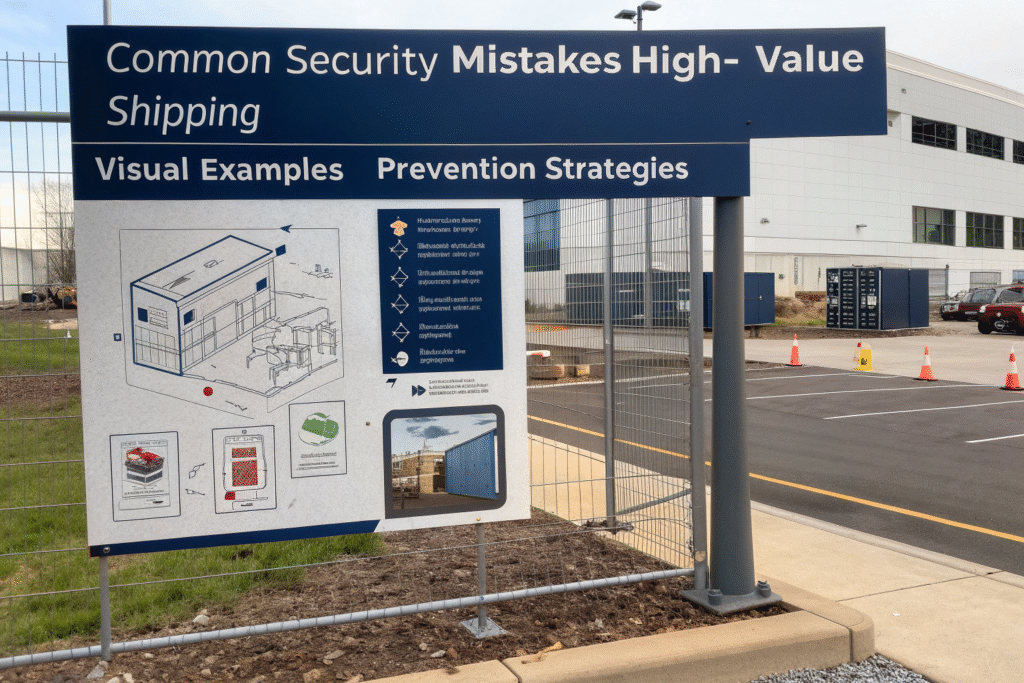
What Are the Most Common Security Mistakes to Avoid?
Understanding frequent security failures helps businesses avoid repeating others' costly mistakes while implementing effective protection strategies.
What Procedural Oversights Create Vulnerabilities?
Inconsistent security application across shipments creates predictable patterns. When security measures vary significantly between shipments, criminals can identify less-protected targets, undermining overall security effectiveness.
Over-reliance on any single security layer creates single points of failure. The most secure approaches implement multiple independent security layers so failure of one component doesn't compromise entire shipments.
Inadequate staff training on security protocols undermines technological investments. The most sophisticated security systems become ineffective when personnel don't understand proper procedures or response protocols.
How Can Businesses Avoid Insurance and Documentation Pitfalls?
Underinsurance based on incorrect valuation creates financial exposure. Businesses must ensure declared values reflect full replacement costs, including incidental expenses like customs duties and lost profits.
Inadequate documentation for insurance claims delays recovery. Proper documentation of security measures, values, and conditions is essential for successful insurance recovery when incidents occur.
Failure to understand policy exclusions creates coverage gaps. Many policies exclude specific circumstances like unattended vehicles, unapproved routing, or improper packaging that might void coverage.
Conclusion
The safest method for shipping high-value products involves integrating physical security, advanced technology, rigorous procedures, and comprehensive insurance into a cohesive protection system. The most successful approaches recognize that security is not a product but a process—one that requires continuous assessment, adaptation, and improvement based on evolving threats and business needs.
At GeeseCargo, we've developed high-value shipping protocols that have maintained perfect security records for shipments totaling over $450 million. The key insight from this experience is that effective security balances prevention with response, recognizing that while perfect prevention is impossible, layered security makes successful theft statistically improbable while ensuring recovery when incidents occur.
Begin your security planning by conducting a thorough risk assessment of your specific products, routes, and business context, then implement a defense-in-depth approach that addresses your highest-priority vulnerabilities. Remember that in high-value shipping, security is not an expense—it's an investment in business continuity, customer trust, and competitive advantage.