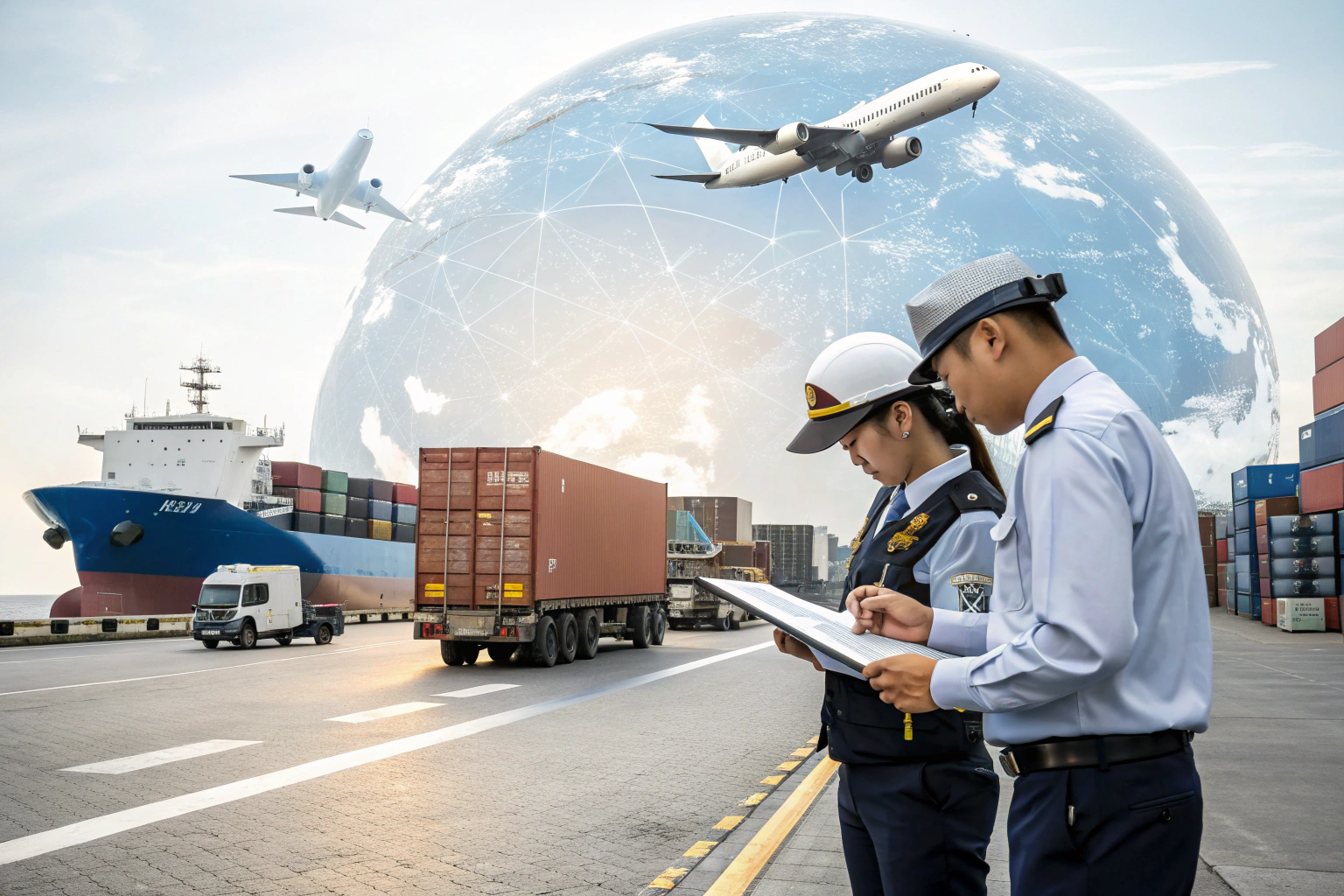
When I speak with clients like Ron, one of their biggest concerns is how tariffs affect the final cost of importing goods. Tariffs are not just taxes—they are financial tools used by governments that directly influence global trade. For importers and exporters, unexpected tariff changes can disrupt budgets, profit margins, and even supply chain strategies.
Tariffs impact shipping costs by increasing landed prices, creating uncertainty, and forcing businesses to adjust sourcing and logistics strategies. Freight forwarders help minimize these effects through compliance expertise, strategic planning, and alternative routing.
That is why I want to explain how tariffs work, how they affect businesses, and how forwarders like GeeseCargo support clients in managing these costs.
Why Do Tariffs Matter in Global Trade?
Tariffs are government-imposed duties on imported or exported goods. They are meant to protect local industries or generate revenue. But for businesses, they often mean higher costs and more complexity.
Tariffs matter because they raise import costs, affect product pricing, and change how businesses compete in the market.
How do tariffs increase landed costs?
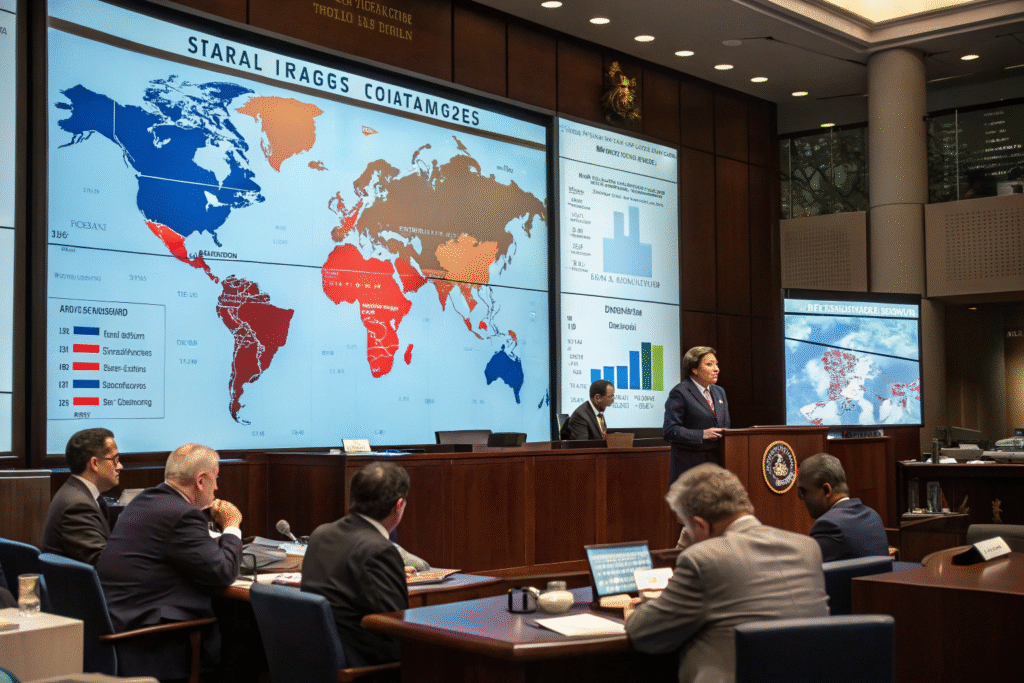
Tariffs add directly to the landed cost of goods. U.S. International Trade Commission shows that duties are calculated as a percentage of the product’s value. For example, if Ron imports $100,000 worth of apparel with a 10% tariff, he pays $10,000 more before even adding freight charges.
Do tariffs change consumer prices?
Yes. When businesses pay higher tariffs, they often pass these costs to consumers. According to World Trade Organization, tariff hikes during trade disputes often result in higher retail prices. This means fewer sales and reduced competitiveness.
How Do Tariffs Affect Shipping Costs?
Many businesses think tariffs are separate from shipping, but they are directly linked. Tariffs affect customs clearance times, routing choices, and overall logistics budgets.
Tariffs affect shipping costs by increasing customs processing, causing route changes, and adding uncertainty to logistics planning.
Can tariffs cause customs delays?
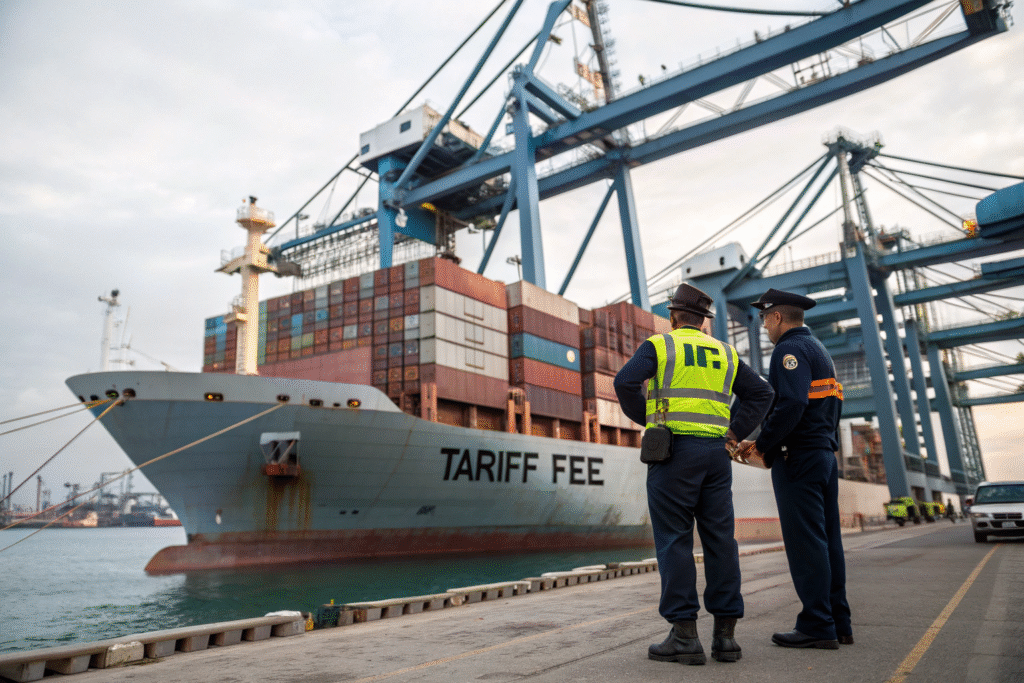
Yes. Higher tariffs often lead to more inspections. U.S. Customs and Border Protection enforces tariff compliance strictly. More checks mean longer wait times at ports, which translate into storage and demurrage fees.
How do tariffs influence routing strategies?
Businesses sometimes reroute cargo through tariff-friendly countries or free-trade zones. European Commission highlights that trade agreements can reduce or eliminate tariffs. I help clients adjust routes to take advantage of these agreements whenever possible.
How Can Freight Forwarders Help Manage Tariff Costs?
Freight forwarders do more than just move goods. We analyze trade policies, optimize documentation, and suggest strategies to lower tariff impacts.
Forwarders help manage tariff costs by advising on compliance, leveraging trade agreements, and identifying cost-efficient shipping solutions.

How do forwarders ensure compliance with tariff rules?
Incorrect HS codes or undervaluing goods can cause penalties. International Chamber of Commerce stresses the importance of correct classification. At GeeseCargo, we carefully review tariff codes to make sure clients don’t face unnecessary fines.
Can forwarders help businesses use trade agreements?
Yes. Free trade agreements often reduce or eliminate tariffs for qualifying goods. NAFTA/USMCA is one example that benefits U.S. importers. I guide clients on how to qualify their shipments under such agreements, saving them thousands in duties.
What Strategies Reduce the Impact of Tariffs?
Tariffs cannot always be avoided, but smart strategies help reduce their financial burden.
Strategies include optimizing sourcing locations, adjusting Incoterms, consolidating shipments, and using tariff classification expertise.
How does sourcing location affect tariffs?
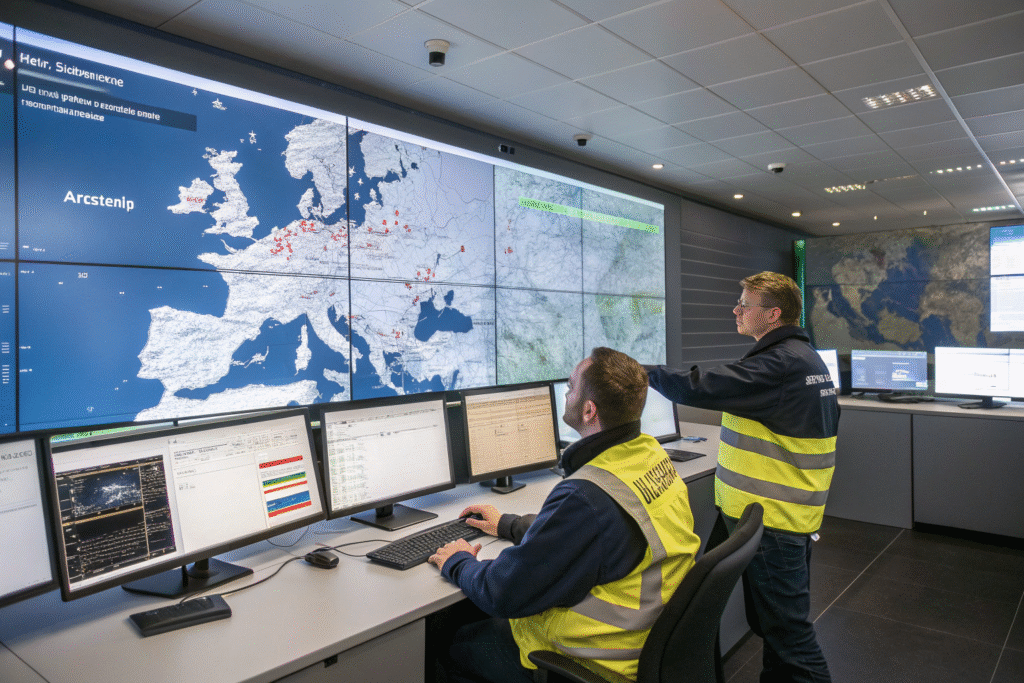
Changing sourcing from one country to another can reduce tariffs significantly. OECD notes that many businesses shift production to tariff-free zones or low-duty countries to remain competitive.
Can shipment consolidation reduce tariff expenses?
Yes. Consolidating small shipments into full-container loads reduces per-unit tariff and customs handling costs. Kuehne+Nagel explains that consolidation also reduces freight rates, lowering overall expenses.
Conclusion
Tariffs are one of the most significant hidden costs in global shipping. They raise landed costs, complicate customs, and impact competitiveness. But with the right freight forwarder, businesses can manage and reduce these risks.
For importers like Ron, working with GeeseCargo means more than shipping—it means having a partner who understands tariffs, compliance, and cost-saving strategies. By combining logistics expertise with trade knowledge, we make sure tariffs don’t derail business growth.