If you’re sourcing clothing, accessories, or gifts from China, 2026 probably keeps you up at night. Every email from your supplier makes your stomach drop. You worry about new tariff announcements, a container stuck at a port, or a freight quote that kills your margin. You’ve built a business based on quality and price, but an unreliable supply chain makes you look bad to your own customers. The process feels fragile, and you hate feeling out of control.
GeeseCargo helps importers like you prepare for 2026’s supply chain risks by securing stable container space, offering locked-in tariff-mitigation DDP services, and providing real-time, transparent pricing for ocean and air freight. We don’t just move boxes. We protect your cash flow against unstable sailing schedules, unexpected demurrage fees, and customs clearance delays on major US routes.
Imagine having a partner who treats your cargo like their own. You shouldn’t need to be a logistics expert to run a profitable brand. You need straight answers about what’s happening on the water and at the border. Over the years, I’ve seen too many American business owners lose sleep because their freight forwarder went silent when a problem appeared. That’s not how we operate at GeeseCargo. Let me walk you through how we’re de-risking your 2026 supply chain.
How Will New Tariff Structures Impact My Shipping Costs from China to the US?
If you’ve been importing from China for years, you know the panic. One presidential tweet or policy shift can add thousands in unexpected fees. You get a call from your customs broker saying your shipment is held because of a reclassified HS code. Suddenly, the great FOB price you negotiated means nothing. Your profit vanishes while you’re stuck processing paperwork and payment links. The unpredictability of tariffs makes you hesitate to place large orders, stalling your business growth.
GeeseCargo insulates your bottom line from tariff volatility by offering Delivered Duty Paid (DDP) services that freeze your landed costs before your goods even leave the factory gate. You know exactly what you will pay per unit, turning a variable political risk into a fixed operational expense.
This isn’t just about paying duties. It’s about controlling your financial narrative. I’ve spoken with many apparel importers who switched to DDP with us last year. They told me the biggest relief wasn’t the cost savings. It was the ability to price their inventory confidently without fearing a "surprise" Customs and Border Protection bill in the mail. When a new tariff category seems unclear, we use our pre-existing relationships with Chinese customs officials and American port officers to advocate for the correct classification. You focus on design and sales. We handle the fiscal fog at the border.
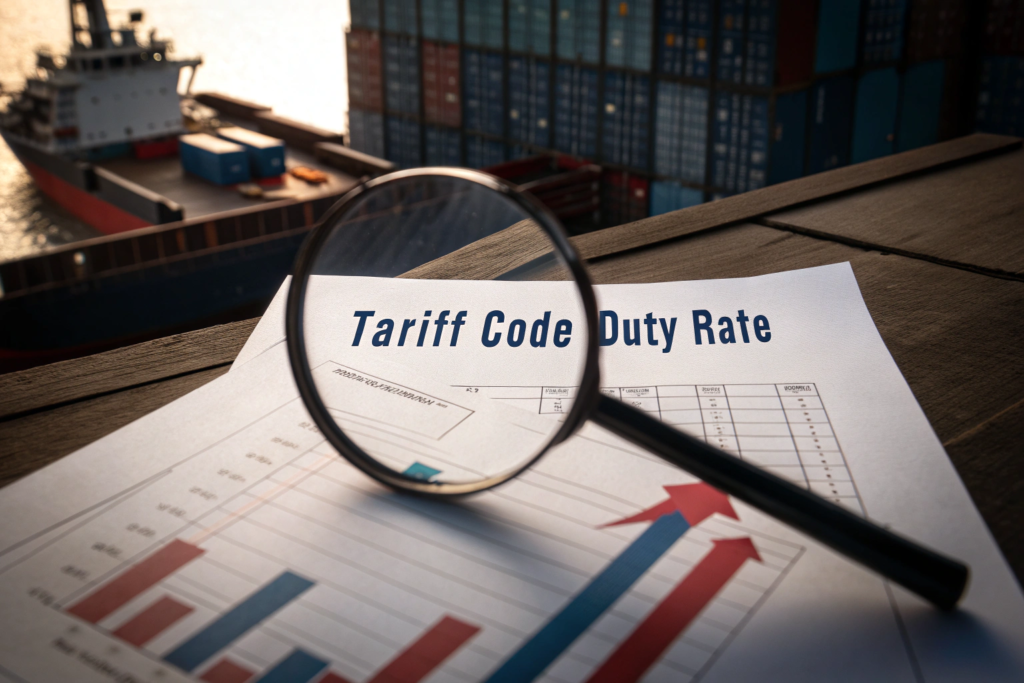
Are DDP Services the Safest Way to Bypass Tariff Uncertainty in 2026?
For bulk clothing shipments and giftware, guessing isn’t a strategy. When you ship under standard FOB or CIF terms, you become the importer of record. That makes you legally responsible for any sudden duty changes. If the trade policy shifts in 2026, you’re exposed. A freight forwarder acting as your direct representative can mitigate this. However, a specialized DDP agreement takes it further.
We absorb the customs bond risk. You pass the liability to us. This is critical if you source from multiple factories in China. Without DDP, a single reclassification of a polyester blend garment can trap a container at the Port of Long Beach. You pay daily demurrage while arguing with officials. Under our DDP model, we clear the goods immediately. The cost of doing business becomes predictable. You should also verify your supply chain resilience by mapping out these tariff touchpoints early in the vendor negotiation stage.
How Can a Single HS Code Error Erode Your Entire Import Margin?
A wrong HS code doesn’t just trigger a higher duty rate. It triggers a full audit. When you import gift sets or mixed material accessories, classification gets tricky fast. You might think you’ve saved money by using a generic code. Customs sees it as a legal violation. The penalties can erase months of profit. We invest heavily in customs clearance accuracy.
Before your cargo departs Shanghai or Shenzhen, our team reviews your commercial invoice against the physical sample photos. We catch discrepancies that a factory clerk might miss. This proactive review prevents seizure. It also speeds up clearance because the paperwork matches the physical scan perfectly upon arrival in the US. If you rely on logistics partners who just pass documents along, a single typo can delay your holiday season launch. Don’t let a data entry mistake dictate your brand’s reputation.
Why Are Ocean Freight Sailing Schedules Becoming Unstable in 2026?
You don’t care about the complexities of maritime law. You just want to know where your stock is. When a retailer asks for a delivery date, you need an answer. But lately, blank sailings and vessel bunching have become the norm, not the exception. The stress hits when your shipment is rolled over. You get an email saying your container missed the boat. Suddenly, your high-ticket winter coats arrive in spring. That timeline mismatch means you miss the selling window, and you’re forced into markdowns.
We mitigate schedule reliability failures by diversifying our carrier partnerships across COSCO, Maersk, and CMA CGM, ensuring we can pivot your booking instantly if a primary vessel drops a sailing. We don’t bet your season on a single ship.
You deserve a buffer. I’ve always believed that freight forwarding is a game of chess, not checkers. When conflict in the Red Sea or weather patterns delay a vessel, a standard forwarder sends you a generic delay notice. We send you a solution. Because we hold allocated space with major alliances on the transpacific route, we can shift your cargo to the next available vessel without the "priority" surcharge that most spot-booking traders would charge you. Your consignee doesn’t just receive a tracking number; they receive a guarantee from us that their products will hit the warehouse shelf on time.
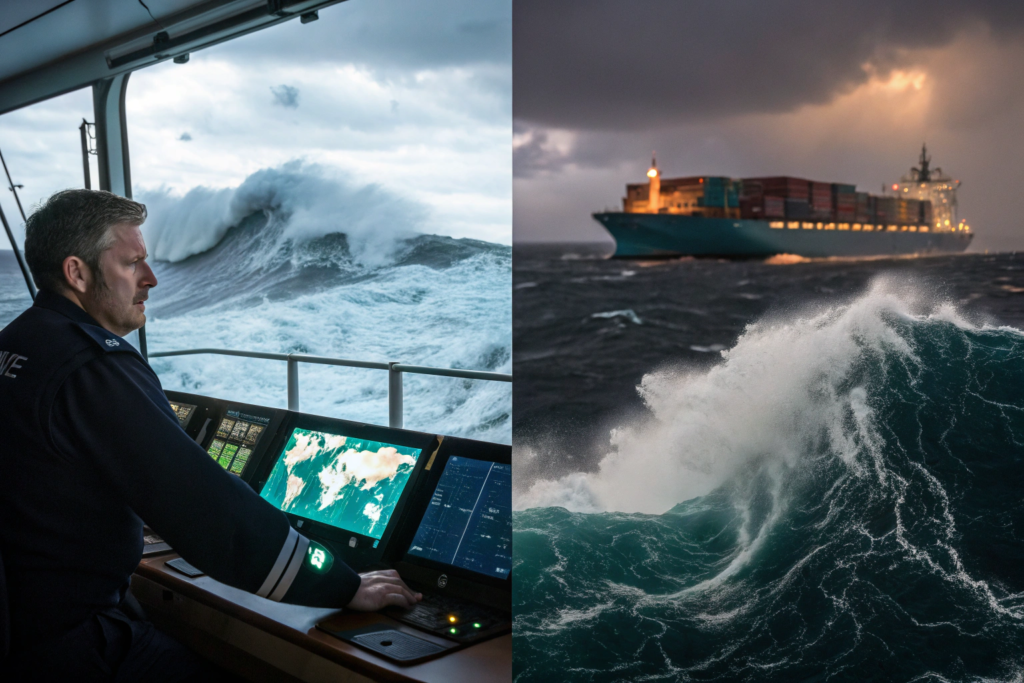
How Do Blank Sailings Threaten Your Seasonal Inventory Pipelines?
A blank sailing is essentially a canceled trip. Carriers do this to manage capacity and keep freight rates high. For a clothing importer, this is a disaster. Imagine your Chinese New Year production run is finished, but the ship just doesn’t show up. Your stock sits at the port accumulating storage fees. We counter this with predictive data. We monitor carrier announcements weeks in advance.
If we spot a likely cancellation on your booked vessel, we trigger a contingency plan. We might split your load between a fast ship and a standard ship to balance cost and speed. You won’t see a lag in communication. Our ground team at the port ensures the containers are physically moved to the loading dock of the alternative vessel. The key to beating blank sailings is not just information; it’s having the ground crew to execute the switch in a matter of hours.
What Geographic Chokepoints Are Expected to Disrupt Transpacific Routes in 2026?
Geopolitics and climate define shipping routes. The Panama Canal has seen draft restrictions. The Red Sea rerouting via the Cape of Good Hope added days to transit. In 2026, congestion around Southeast Asian hubs may increase as trade shifts slightly. If you ship from Shenzhen or Ningbo to Los Angeles, the direct path seems safe.
However, unexpected labor negotiations on the US West Coast can quickly force a diversion to Oakland or Seattle. Our network in major ports across Asia and America allows us to execute route deviations smoothly. We don’t just track the vessel’s GPS. We analyze port density. If a destination port is clogged, we might recommend a rail-truck combo inland. This flexibility ensures your cargo flows even when physical chokepoints block the standard route.
How to Secure Limited Container Space During Peak Import Seasons from China?
There’s a unique frustration when you’ve sold the goods but can’t ship them. Peak season rolls around. Every trader in China is fighting for a box. Spot rates skyrocket, doubling your freight spend overnight. You feel helpless, staring at a spreadsheet that no longer makes financial sense. If you can’t ship, you cancel orders, damage supplier relationships, and disappoint clients.
We secure container space for our clients by pre-booking blocks of empty containers weeks before the rush, leveraging our long-term carrier relationships and consolidated buying power in China’s top ports.
This is where experience turns into savings. A transactional forwarder waits for your booking request and then goes hunting for equipment. I go hunting months before. My team forecasts the demand of our regular clothing and giftware importers. We rent that space early when rates are rational. We also use a "grey box" strategy. When standard 40-foot containers run short, we have the connections to secure high-cube pallet wide containers instantly. This gives you extra volume without the delay. You don’t pay the panic premium that your competitors pay.
How Can Long-Term Freight Contracts Provide Stability Against Market Volatility?
Spot market prices are like gambling. For a successful business owner like you, stability allows for growth. A fixed contract rate for a 3- or 6-month period lets you calculate your margin precisely. GeeseCargo offers sea freight solutions that lock in capacity on specific lanes, such as Shanghai to Los Angeles.
We negotiate these terms based on our total group volume. You get the benefit of a big importer’s price even if you are a medium-sized brand. This contract discipline also prevents the "rolling" of your cargo. Carriers prioritize contract cargo over spot cargo when space gets tight. By signing a structured agreement, you secure a seat at the table. Your goods sail, while speculative cargo stays on the dock. It is a straightforward insurance policy against the chaos of peak season demand.
Why Is the "Pre-Pull" Strategy Essential for Post-Chinese New Year Shipping?
Every year, factories shut down, and port labor goes home. The two weeks after Chinese New Year create a massive equipment vacuum. You cannot find an empty container anywhere in China for love or money. Our "pre-pull" strategy stops this headache. Two weeks before the holiday begins, we negotiate with the depots.
We pull empty containers and stage them safely at our secure yards near the ports. When your factory reopens and starts the new production run, the boxes are already there. While others wait 10 days for equipment to circulate back from the port, we are loading. This head start puts your goods on the first vessel out. It compresses your post-holiday lead time significantly. Effective freight management isn’t just about the ship; it’s about owning the container before anyone else can take it.
Is Air Freight a Viable Backup Strategy for Fast-Fashion Importers in 2026?
We all love the speed of air freight, but we hate the price. You run a fast-fashion brand or deal in trending gifts. A viral social media moment sparks demand. If you wait for ocean freight, the trend dies before your stock arrives. But if you airfreight everything, you make zero profit. The anxiety comes from balancing speed against cost, and if you get the balance wrong, you’re stuck with dead stock or missed sales.
GeeseCargo uses a hybrid ocean-air model for fashion importers, boarding the bulk on ships but using consolidated express air freight for high-SKU, low-volume trial runs that mitigate the risk of heavy discounting later.
You shouldn’t have to choose between being fully out of stock and being unprofitable. I advised a client recently who wasn’t sure if a new line of dresses would take off. We shipped 70% of the order by sea but flew out 30% on a consolidated air pallet. The air cargo hit the US in three days. Sales data came in immediately. We used that data to adjust the destination routing of the sea shipment before it even hit the port. This "split-focus" method gives you the agility of a domestic supplier with the cost benefits of Chinese manufacturing.
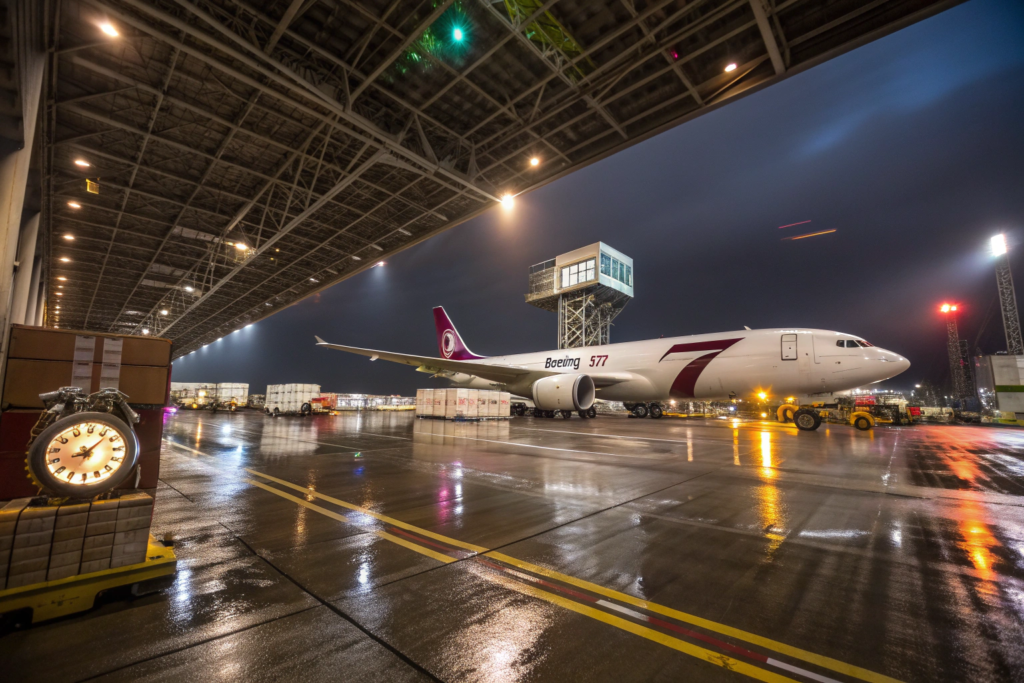
How Do You Calculate the True Cost of Consolidation vs. Direct Air Freight?
Direct air freight is fast but requires a minimum weight that often wastes space. For accessories like jewelry or lightweight scarves, a standard air pallet is overkill. A consolidation service groups your shipment with others. You only pay for your volumetric weight.
The trick is calculating the consolidation cut-off timing. If you miss the cut-off, you wait for the next batch. We help you calculate if the rate per kilo justifies the slight delay in a consolidated network. Sometimes, a premium direct service is cheaper if you factor in the warehouse storage cost at origin while waiting for the consolidation to close. We run these numbers for you transparently. Our calculator shows you the "landed cost per piece" for direct vs. consolidated, so you make a data-driven choice, not an emotional one.
Can Real-Time Tracking on Air Cargo Reduce The Risk of Stock-Outs?
When you air freight high-value items, anxiety spikes while the cargo is airborne. "Did it clear?" is the question that wakes you up. Our electronic tracking doesn’t just say "in transit." It integrates with US customs clearance nodes. You see when the manifest is approved and when the freight is freed.
This visibility allows you to schedule your warehouse staff dynamically. If the cargo clears early, you call labor in. If there’s a delay, you don’t pay them to stand idle. For e-commerce clothing brands, this timing syncs with flash sale planning. You can start marketing the stock the moment the wheels touch the runway because you trust the tracking data. We bridge the gap between the cockpit and your storefront by providing shipment tracking that updates faster than the airline’s general public system.
Conclusion
We’ve covered a lot of ground on what keeps you awake at night. Tariffs don’t need to be a guessing game if you lock in a DDP structure that protects your margins before you cut a purchase order. Unstable sailing schedules become manageable when your provider has the buying power to pivot containers across different carriers without holding you hostage to spot market rates. The panic of peak season equipment shortages disappears when you work with a team that pre-pulls containers and secures allocated space weeks before the rush hits.
2026 is not going to be a quiet year for global logistics. But volatility is only a threat if you are unprepared. I’ve built GeeseCargo to act as your logistics firewall. You run a clothing, accessories, or giftware business. You are great at that. Leave the headaches of container allocations, tariff recalibrations, and last-minute route changes to us.
Let’s stop worrying about the ship and start growing your brand. Whether you need a cost-effective way to clear a large commodity shipment through Los Angeles or require expedited hybrid air service for a trending product, we have the American and Chinese ground teams ready. Contact us through our website today. Let’s set up a time to audit your current supply chain. I promise it will be the most calming logistics conversation you have this year.