Freight delays are one of the biggest threats to global trade. For importers like Ron in the U.S., delays mean missed deadlines, higher costs, and unhappy customers. Whether caused by customs issues, port congestion, or poor planning, delays can disrupt entire supply chains. As a freight forwarder with years of experience, I know how important it is to minimize these risks.
The good news is that delays can be reduced with the right strategies. From accurate documentation and route optimization to stronger partnerships with carriers and customs officers, forwarders use proven methods to keep shipments moving.
In this article, I will share the best strategies that reduce freight delays and help businesses maintain efficient logistics.
What Are the Main Causes of Freight Delays?
Freight delays can happen at any point in the logistics chain.
The most common causes are customs clearance issues, port congestion, inaccurate documentation, and carrier disruptions.
Why Do Customs Issues Cause So Many Delays?
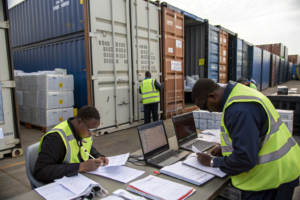
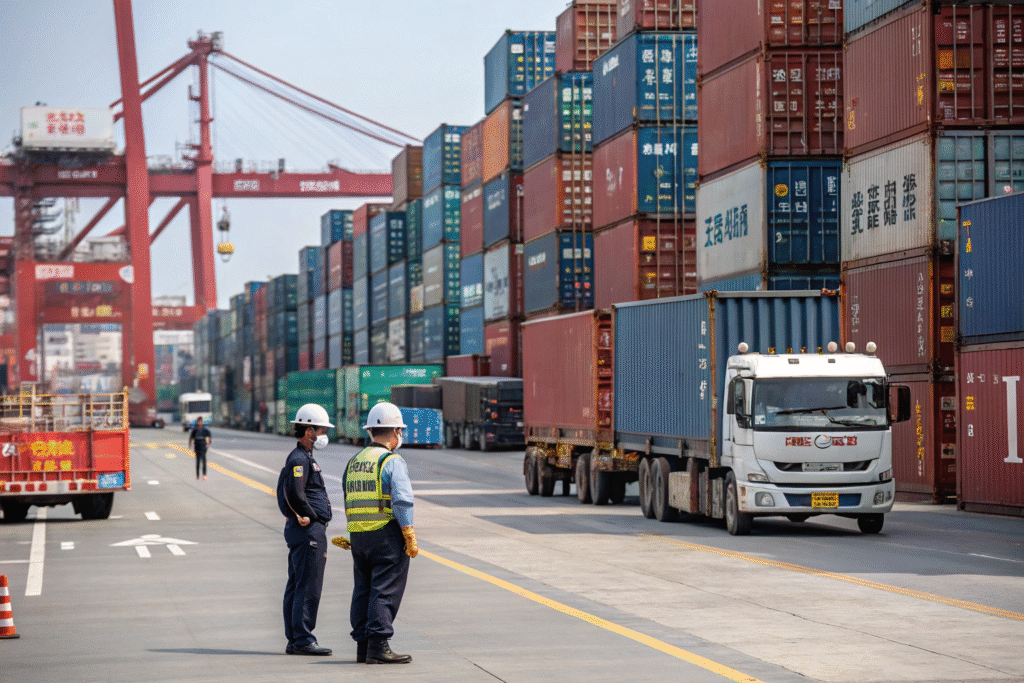
Customs clearance is one of the most sensitive steps in shipping. According to U.S. Customs and Border Protection, missing or incorrect paperwork is a leading cause of shipment delays.
Freight forwarders prevent this by preparing accurate documents and verifying HS codes, invoices, and packing lists before shipments leave the factory.
How Does Port Congestion Affect Timelines?
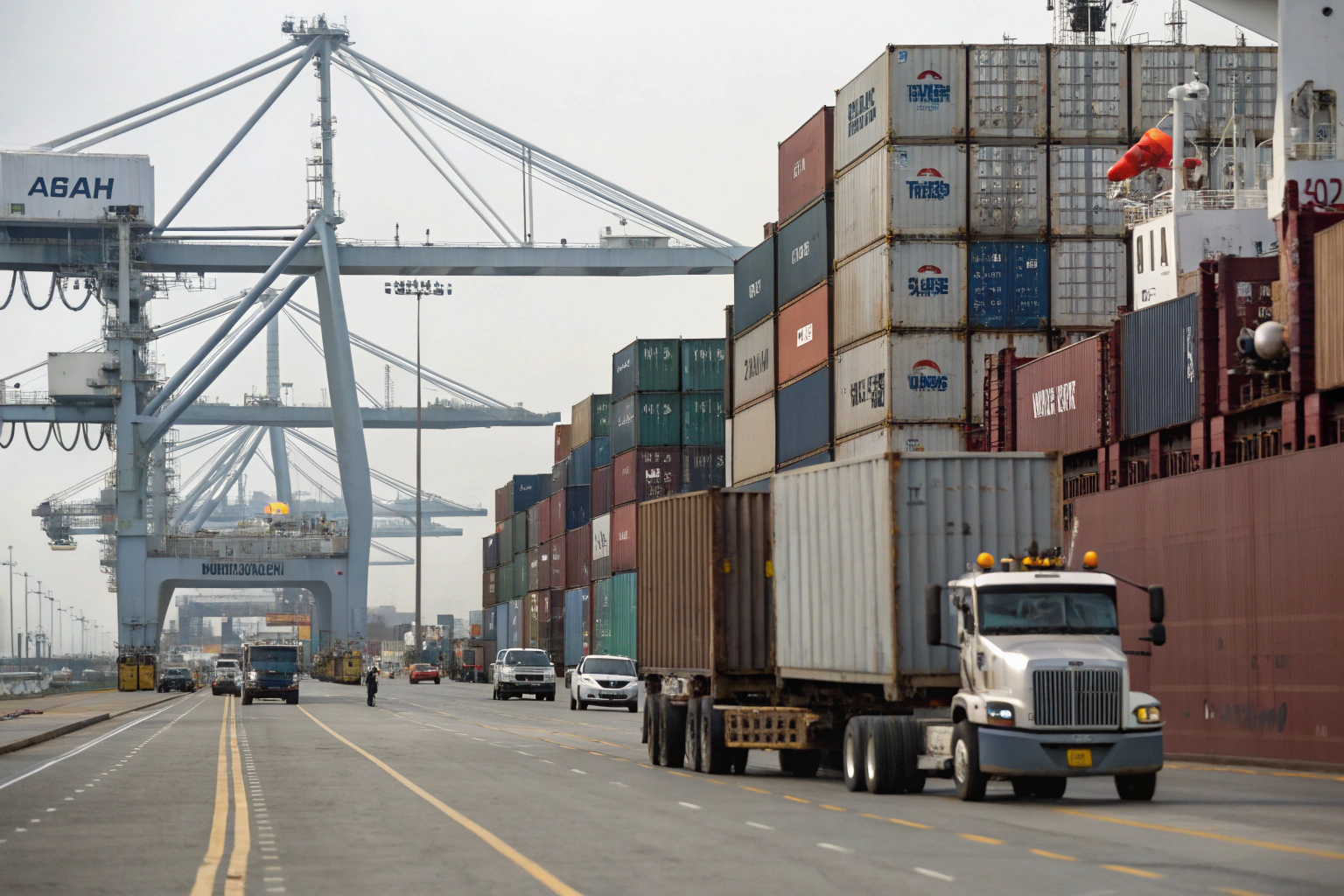
Congestion at major ports can add days or even weeks to shipping times. Platforms like MarineTraffic track congestion levels at global ports, showing how delays ripple across supply chains.
Forwarders mitigate this risk by booking space in advance and using alternative ports when necessary.
How Does Proper Planning Reduce Delays?
Planning is the foundation of delay prevention.
Forwarders reduce delays by forecasting demand, booking space early, and using technology to monitor shipments in real time.
Why Is Early Booking Important?
During peak seasons, carrier space becomes limited. Reports from Journal of Commerce confirm that last-minute bookings face higher costs and longer delays.
Freight forwarders secure capacity weeks or months ahead, protecting clients from shortages and delays.
How Does Real-Time Tracking Help?
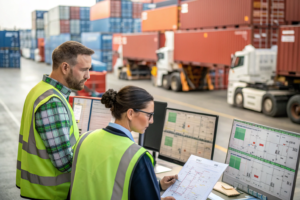
Real-time monitoring tools like Project44 allow forwarders to track cargo across ships, trucks, and planes. This visibility enables quick action if delays occur.
At GeeseCargo, we provide clients with live shipment updates to maintain transparency and control.
What Role Do Strong Partnerships Play in Reducing Delays?
Relationships matter in logistics.
Forwarders with strong ties to carriers, terminals, and customs officers can resolve problems faster and avoid unnecessary delays.

How Do Carrier Relationships Speed Up Shipments?
Carriers prioritize forwarders who consistently book high volumes. This gives forwarders leverage to secure faster loading and unloading times. According to FIATA, forwarder-carrier partnerships are a major advantage for importers.
This ensures goods move on schedule, even during peak demand.
Why Is Communication with Customs Officers Critical?
Direct communication with customs reduces inspection delays. Platforms like Descartes Customs Info help forwarders stay updated with changing regulations.
At GeeseCargo, our established network across Asia, Europe, and America allows us to resolve clearance issues quickly.
Why Are Freight Forwarders Essential for Delay Prevention?
Delays cost businesses money, but forwarders minimize these risks through expertise and proactive management.
They combine planning, technology, and industry relationships to ensure goods move on time.

How Do Forwarders Reduce Costs Caused by Delays?
Delays often result in extra storage, demurrage, and penalty fees. Forwarders prevent these costs by streamlining clearance and scheduling deliveries efficiently. Insights from DHL Supply Chain highlight the financial benefits of proactive logistics management.
For importers like Ron, this means more predictable costs and stable operations.
Why Does Experience Matter Most?
Experienced forwarders know how to navigate sudden challenges like strikes, weather disruptions, or capacity shortages. At GeeseCargo, we have solved countless problems at ports and airports, giving clients the confidence that their shipments will not stall.
That is why many importers trust us as their reliable freight forwarding partner.
Conclusion
Freight delays are costly, but they are not inevitable. By understanding the causes—customs issues, port congestion, and poor planning—businesses can take action to reduce risks.
Freight forwarders prevent delays by preparing accurate documents, booking space early, optimizing routes, and maintaining strong industry relationships. For importers shipping from China to the U.S., this means faster deliveries, lower costs, and fewer disruptions.
The best strategy for avoiding freight delays is choosing the right forwarder—a partner who ensures goods arrive on time, every time.