As a freight forwarder based in China, I’ve seen how chaotic trade shows can become if logistics aren’t handled professionally. For companies like Ron’s—an American buyer sourcing large volumes of clothing and gifts from China—having a reliable freight partner to navigate the complexities of event shipping is not just convenient, it’s essential.
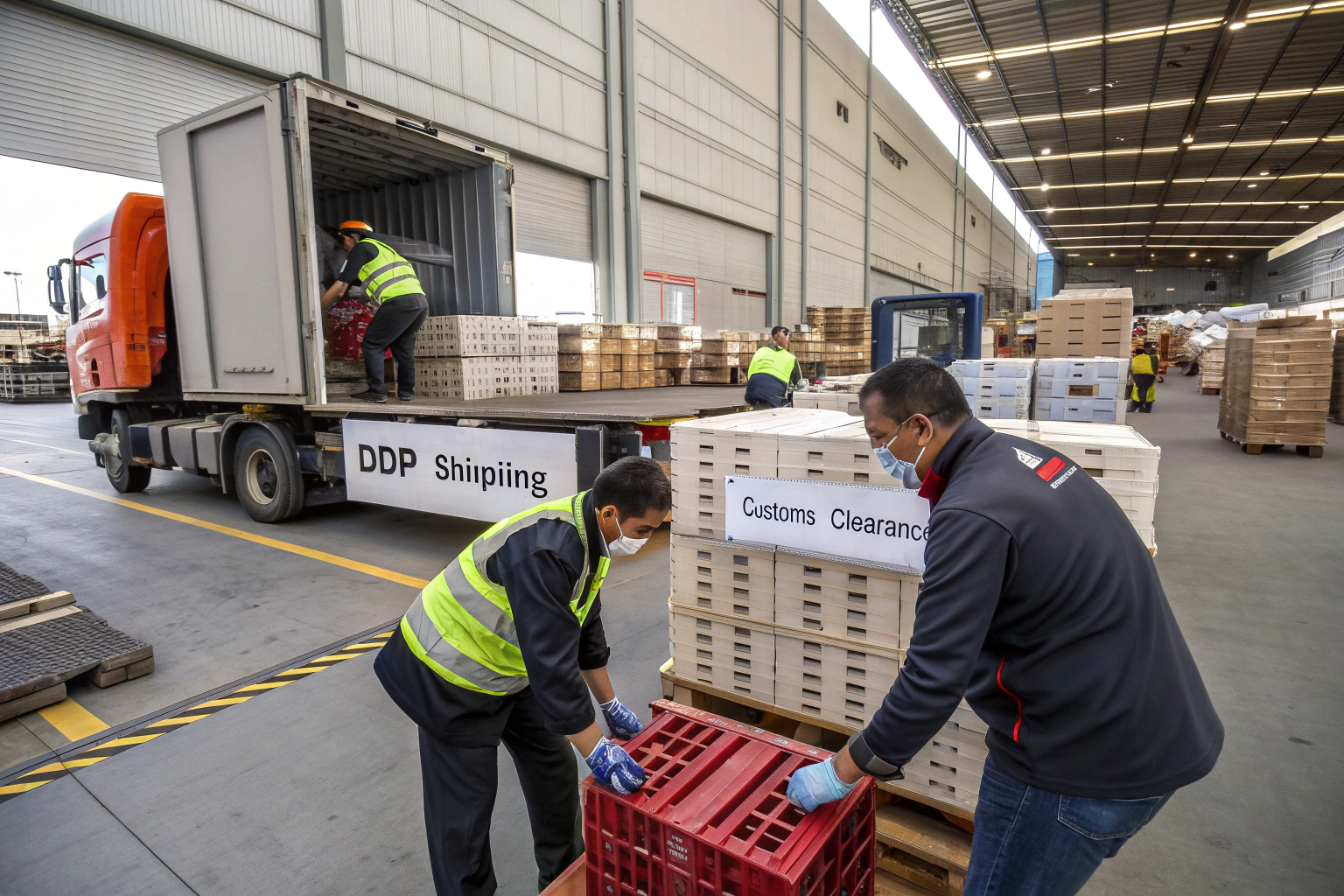
Freight forwarders play a crucial role in ensuring the smooth, timely, and cost-effective transport of trade show materials. From customs clearance and DDP shipping to handling last-mile delivery and returns, we bridge the gap between your factory and your booth.
If you're attending trade shows in China or shipping products to US exhibitions, the wrong logistics partner can mean missed deadlines, extra tariff costs, or even lost goods. Below, I’ll show you exactly how we ensure none of that happens.
How Do Freight Forwarders Handle Trade Show Cargo?
Trade show cargo requires special handling compared to standard shipments. You can't afford delays, especially when booth materials, samples, or presentation kits are time-sensitive.
We coordinate end-to-end logistics from pick-up at your factory to delivery at the venue. This includes cargo consolidation, protective packaging, and precise scheduling to match exhibition timelines.
What Makes Trade Show Cargo Different from Normal Shipping?
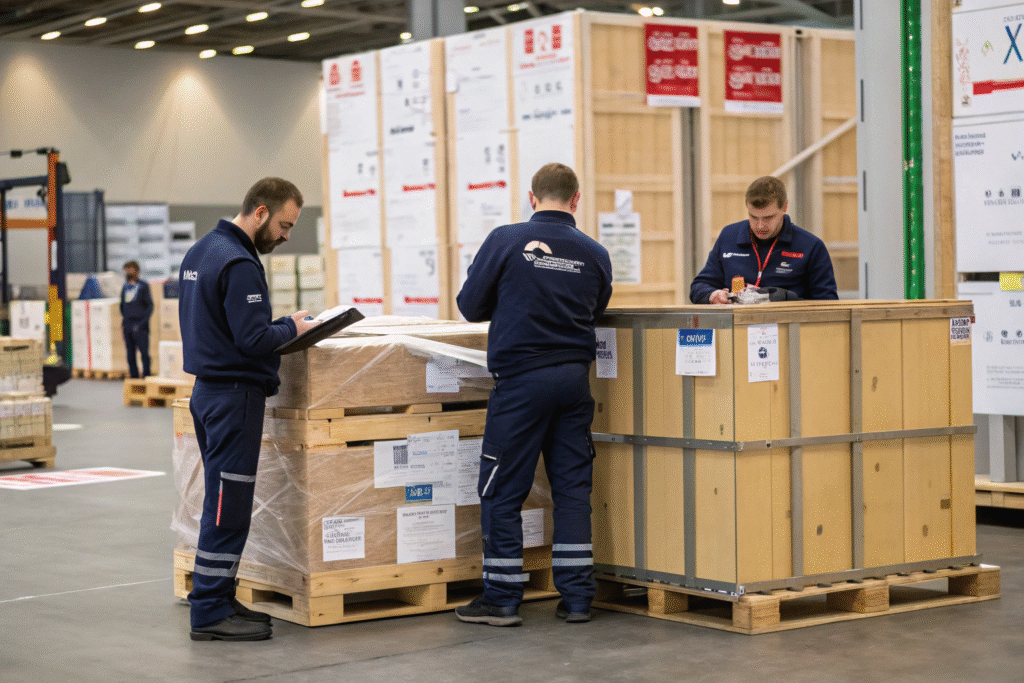
First, trade show goods often have fixed delivery windows, sometimes within a few hours. That means no room for error. Second, packaging has to withstand multiple loadings and sometimes cross-border inspections. Finally, many trade shows require delivery to a specific dock or hall, which we manage through advance coordination.
We also provide event labeling and clear documentation to comply with regulations set by customs and exhibition organizers. For example, when dealing with ATA Carnets for temporary imports, our team ensures you avoid unnecessary duties and delays. Plus, by using tools like cargo tracking dashboards, we give real-time updates to your team.
Why Is Pre-Show Coordination So Critical?
Pre-show planning includes determining whether goods will go by air freight or ocean freight, based on delivery deadlines and cost. We’ll book transport early, allocate secure warehousing, and handle customs paperwork before your goods even depart.
Many clients also rely on us for on-site coordination, ensuring drivers arrive on time, goods are offloaded efficiently, and nothing gets lost. We’ve seen trade shows where booths couldn’t open because shipments didn’t clear customs—our team prevents that.
Can Freight Forwarders Support Return Logistics After the Show?
After the show ends, the logistics work is far from over. Samples need to be returned or forwarded, and promotional materials often require disposal or storage.
We help recover, return, or forward unused materials, ensuring you save on costs and preserve valuable samples for future use.
What Happens to Leftover Samples and Booth Materials?
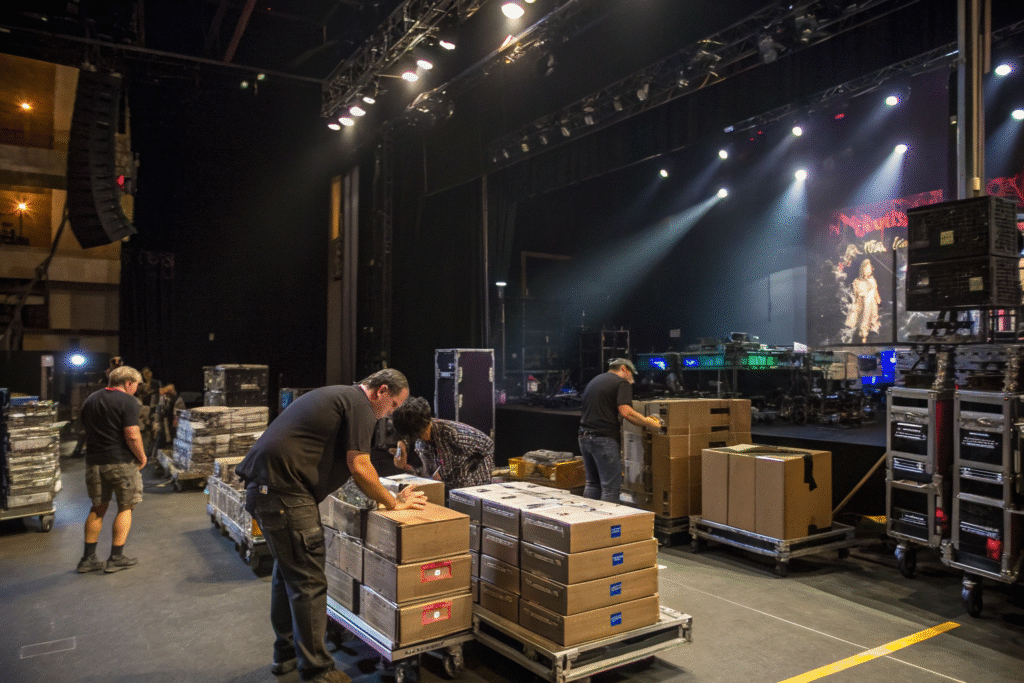
Clients often want leftover products sent to local partners, consolidated into storage, or returned to their Chinese suppliers. We offer all three solutions. With reverse logistics built into our process, we make sure goods get where they need to be—fast.
Even packaging and printed displays can be returned or recycled depending on your sustainability goals. This service is particularly useful for Ron, who wants to repurpose booth elements across multiple expos without rebuilding every time.
How Do You Avoid Waste and Save on Return Costs?
We offer freight consolidation on return shipments. That means grouping multiple clients’ goods in one container, lowering your per-unit costs. Tools like Smart Consolidation from third-party warehouses can streamline this.
We also use customs codes and value declarations optimized for re-export, so you don't pay unnecessary taxes. Our DDP (Delivered Duty Paid) structure ensures you understand the complete return cost ahead of time.
Why Is Customs Clearance for Trade Show Goods So Tricky?
Trade show goods can fall under unique classifications like temporary importation or bonded warehousing. One small documentation error can delay your shipment by days.
We manage pre-clearance, temporary import permits, and ensure proper HS codes are used for all products—minimizing risk and extra charges.
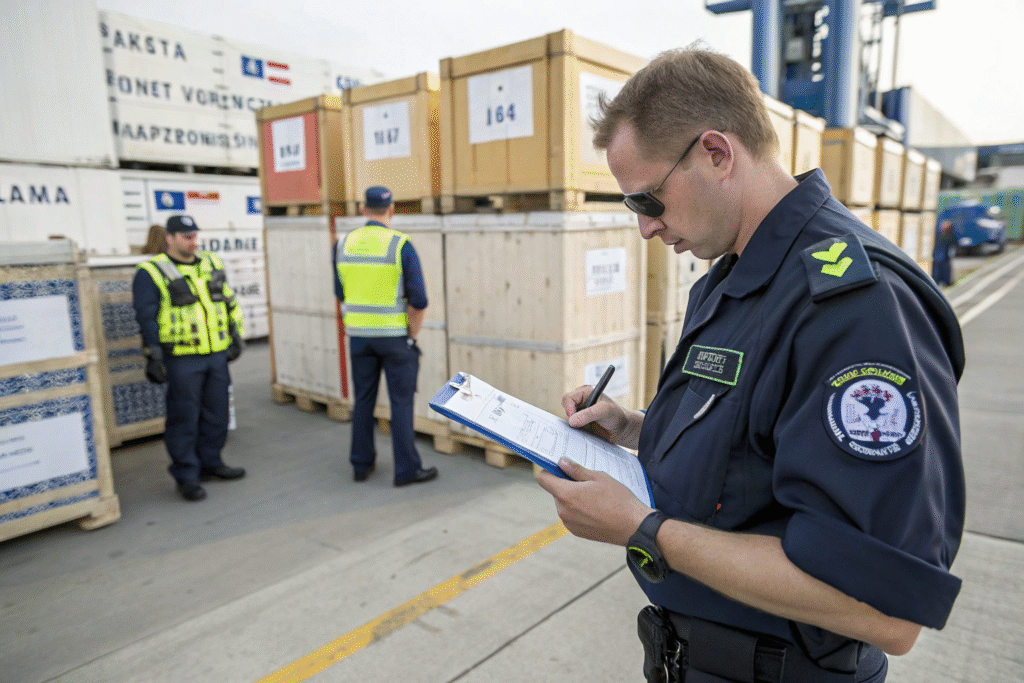
What Paperwork Is Required for Smooth Customs Entry?
For trade shows, we often use ATA Carnets or commercial invoices with special “temporary import” status. Depending on the goods and destination, customs might require exhibition contracts, product images, or end-use certificates.
To help clients like Ron, we prepare all relevant forms days in advance and coordinate with port officials. We also use digital customs platforms like China Single Window to pre-submit electronic declarations and reduce port waiting time.
How Do We Ensure No Delays at the Port?
Our close relationships with customs officials at key Chinese ports help fast-track shipments. We also employ bonded warehouse options near major ports, allowing goods to stay duty-free until needed. Using platforms like Kuehne+Nagel's Control Tower enhances visibility and compliance throughout.
With this groundwork in place, shipments clear customs quickly and make it to trade show venues on time—every time.
What Shipping Methods Are Best for Trade Show Delivery?
Choosing the right shipping method is a balancing act between speed, cost, and risk. Trade shows often have fixed start dates, which makes late delivery catastrophic.
We evaluate timelines and budgets to help clients decide between air, ocean, or rail freight—sometimes using hybrid multi-modal solutions to meet critical deadlines.
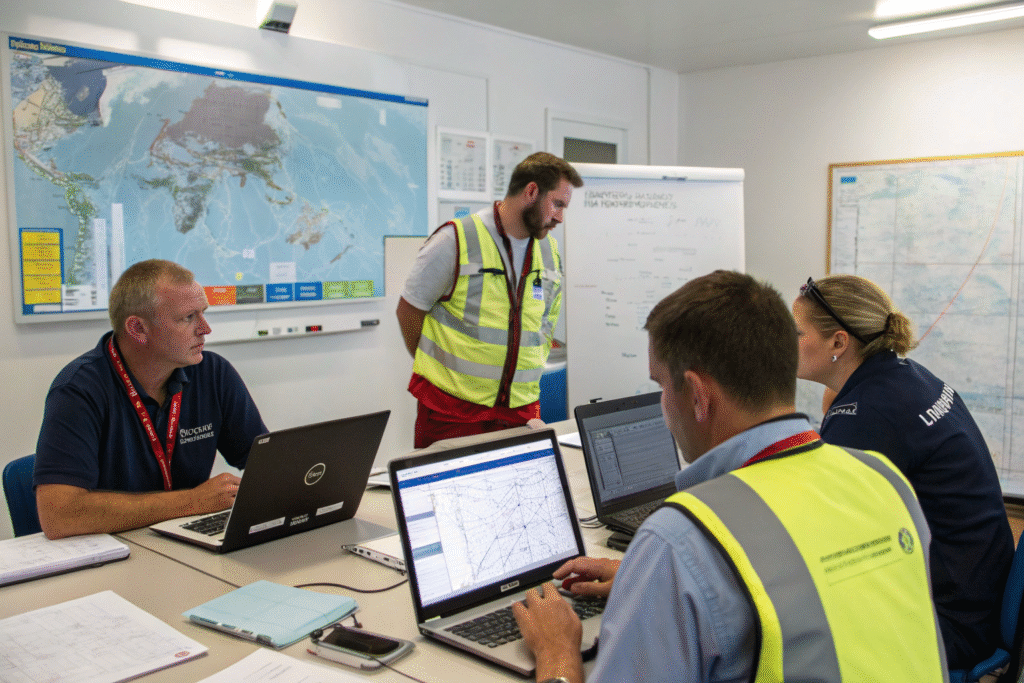
When Should You Use Air Freight Over Ocean?
If your cargo must arrive within a week or is relatively small (like samples or lightweight booth decorations), air freight is usually the best option. It’s fast, secure, and predictable. We often use partners like FedEx Trade Networks for urgent shipments.
However, air freight can be expensive. We help by offering door-to-door DDP quotes upfront, so there are no surprise fees. If you're shipping bulky items like booth setups, it may be better to go with LCL (less-than-container load) by sea, using providers like Maersk Spot.
Is Multimodal Shipping a Viable Option?
Absolutely. We frequently combine rail freight from inland factories to port, then shift to air or ocean, depending on urgency. This flexibility reduces costs and avoids last-mile bottlenecks.
We also work with platforms like Flexport that offer visibility into multimodal shipments, so clients always know where their trade show cargo is.
Conclusion
Trade shows are high-stakes, high-pressure environments where even small logistics hiccups can cause big problems. As a seasoned freight forwarder, I ensure our clients never have to worry about that. From customs and cargo handling to delivery and returns, our job is to make trade show logistics stress-free, fast, and transparent.
With years of experience across major Chinese ports and an understanding of trade show dynamics, we’re here to serve businesses like Ron’s—and deliver results that make a real difference.