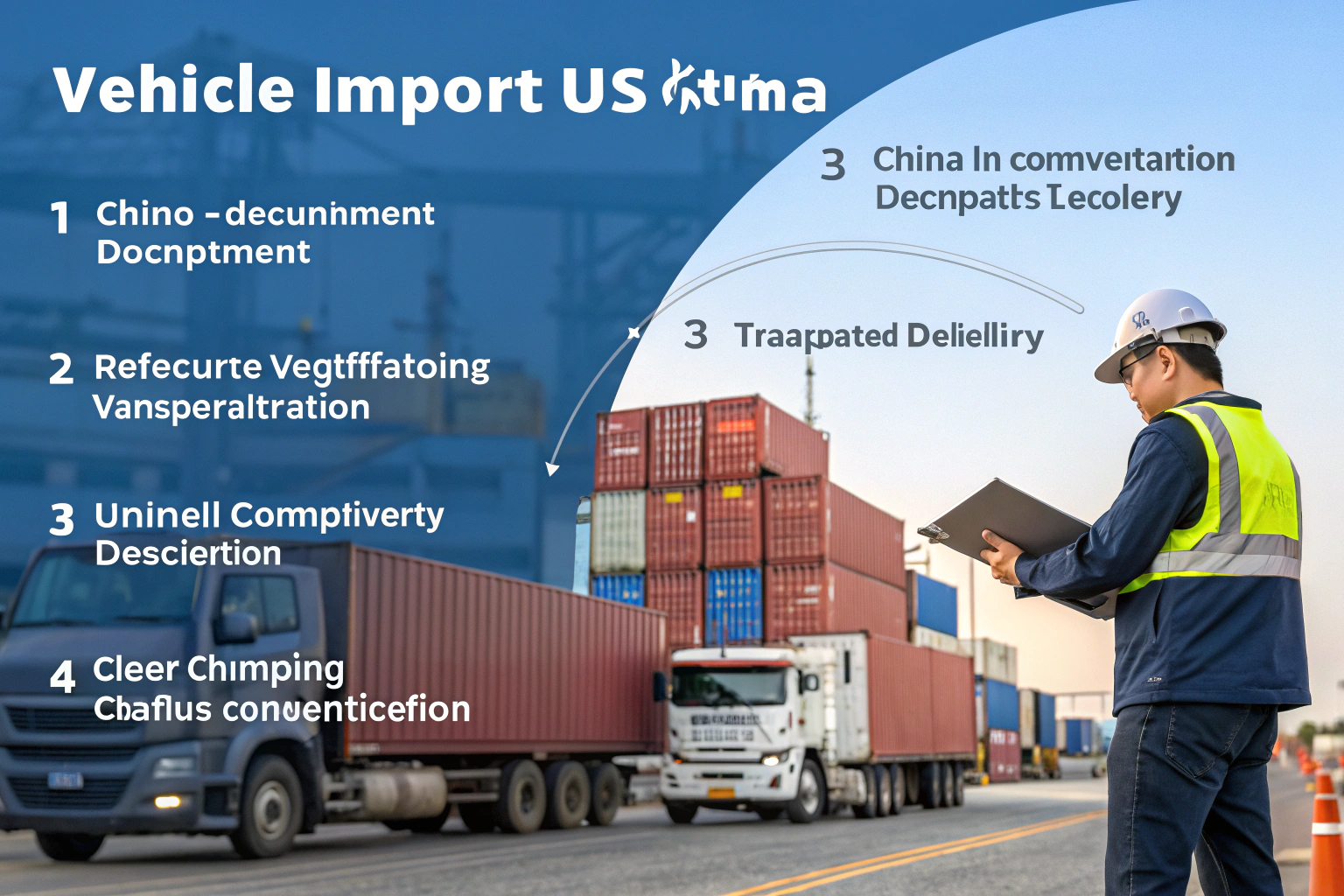
Importing a vehicle from China involves navigating one of the most complex and regulated import processes, with requirements that vary dramatically depending on whether the vehicle is for commercial use, personal use, or show/exhibition purposes. As a freight forwarder specializing in automotive imports, I've guided clients through successful vehicle imports while witnessing others face costly rejections due to procedural missteps. The process demands meticulous attention to regulatory details that differ significantly from standard commodity imports.
The process for importing a vehicle from China involves pre-import compliance verification, proper shipping method selection, detailed customs documentation, Environmental Protection Agency (EPA) and Department of Transportation (DOT) compliance, bonded entry procedures, and final state-level registration. Each step requires specific expertise, with the entire process typically taking 60-120 days from purchase to road-ready status in the US.
Understanding the sequential requirements and preparing for each phase's unique challenges is crucial for successful vehicle importation. Let's examine the specific steps and considerations for bringing a vehicle from China to the United States.
What Pre-Import Compliance Verification Is Required?
Before purchasing or shipping any vehicle, you must verify its eligibility for US importation—a step many importers overlook with costly consequences.

How Do You Verify EPA and DOT Compliance?
Vehicle identification number (VIN) verification against EPA and DOT databases. Check whether the specific make, model, and year appears on the EPA's list of vehicles certified for sale in the US and whether it meets all DOT Federal Motor Vehicle Safety Standards (FMVSS).
Manufacturer compliance documentation requirements. Obtain written confirmation from the manufacturer that the vehicle was originally manufactured to meet US emissions and safety standards, or determine what modifications will be required to achieve compliance.
What About Right-Hand Drive and Special Category Vehicles?
Right-hand drive vehicles face additional restrictions. While not prohibited, RHD vehicles may face registration restrictions in some states and typically require additional documentation to demonstrate they meet all applicable FMVSS despite the steering configuration.
Show, exhibition, or racing vehicles have different compliance pathways. Vehicles imported temporarily for shows, exhibitions, or racing may qualify for EPA and DOT exemptions but require specific documentation and are subject to usage restrictions.
What Shipping Method Best Suits Vehicle Import?
Vehicle characteristics, value, and timeline requirements determine the optimal shipping method.

When Should You Use Container vs. RoRo Shipping?
Container shipping provides superior protection for high-value or sensitive vehicles. Luxury cars, prototypes, or vehicles with extensive modifications typically ship best in 40-foot containers with specialized blocking and bracing, though at 40-60% higher cost than RoRo.
Roll-on/Roll-off (RoRo) service offers cost efficiency for standard vehicles. Suitable for most production vehicles, RoRo involves driving vehicles onto specialized vessels, with transit times similar to container but with greater exposure to elements and potential minor damage risks.
What Specialized Handling Requirements Exist?
Battery electric vehicles (BEVs) face specific shipping regulations. Due to fire risks, BEVs often require special documentation, battery charge level restrictions (typically 30-50% state of charge), and sometimes modified container requirements.
Modified or non-running vehicles require special arrangements. Vehicles that cannot move under their own power or have significant modifications may need specialized equipment for loading/unloading and potentially different customs classification.
What Customs Documentation and Procedures Apply?
Vehicle imports require specific documentation beyond standard commercial shipments.

What Specific Customs Forms Are Required?
HS-7 Declaration form for EPA compliance. This form declares whether the vehicle conforms to EPA emissions standards or is being imported under an exemption, and must be submitted to CBP at the time of entry.
DOT Form HS-7 for safety standards compliance. Similar to but separate from the EPA form, this declares compliance with DOT safety standards or eligibility for exemption.
How Does Entry and Bonding Work for Vehicles?
Temporary import bond requirements for non-compliant vehicles. Vehicles not meeting EPA/DOT standards at time of import typically require a single entry bond equal to 150% of vehicle value, which is released once compliance is demonstrated.
Importer Security Filing (ISF) requirements still apply. While vehicles have specific requirements, standard ISF 10+2 filing is still required for ocean shipments, with specific data elements related to vehicle identification and characteristics.
How Do You Complete EPA and DOT Compliance?
The compliance phase represents the most complex and time-consuming part of vehicle importation.
What Are the EPA Compliance Pathways?
Independent Commercial Importer (ICI) program for non-compliant vehicles. Most non-compliant vehicles must be modified by an EPA-certified ICI who tests, modifies, certifies, and warrants the vehicle's compliance with emissions standards.
Exemption possibilities for specific use cases. Vehicles over 21 years old, permanently imported for show/display, or meeting other specific criteria may qualify for EPA exemptions with proper documentation.
How Do You Achieve DOT Compliance?
Registered Importer (RI) program for safety standard compliance. Similar to EPA's ICI program, DOT requires non-compliant vehicles to be modified by a Registered Importer who certifies compliance with all applicable FMVSS.
Substantial conformity determinations for similar vehicles. Vehicles substantially similar to US-certified models may qualify for streamlined compliance processes, though this requires manufacturer cooperation and detailed documentation.
What Are State Registration and Titling Requirements?
Even after federal release, state-level requirements must be satisfied before the vehicle can be legally driven.

How Do State Requirements Vary?
Emissions testing requirements differ by state. While the EPA provides federal compliance, states like California (CARB) and those adopting California standards have additional requirements that must be verified before registration.
Title and registration documentation requirements. States typically require the original foreign title, bill of sale, EPA/DOT release documents, customs entry documentation, and sometimes additional verification of vehicle identity and ownership.
What About State-Specific Safety Inspections?
Enhanced safety inspections for imported vehicles. Many states require imported vehicles to undergo specific safety inspections beyond standard state inspections, focusing on compliance with US safety standards and proper functioning of all required equipment.
Vehicle identification number (VIN) verification by state authorities. Most states require in-person VIN verification by law enforcement or DMV officials to confirm the vehicle matches its documentation and hasn't been stolen or fraudulently altered.
What Ongoing Compliance and Recordkeeping Is Required?
Importers have ongoing responsibilities that extend beyond initial importation.

What Records Must Be Maintained?
Five-year documentation retention for EPA and DOT. Importers must maintain all compliance documentation for at least five years, including test reports, modification records, and certification documents, available for inspection upon request.
Warranty and recall information requirements. Vehicles modified by ICIs or RIs carry specific warranty requirements, and importers must maintain records of any recalls or safety campaigns affecting their vehicles.
How Can You Manage Future Compliance?
Annual reporting requirements for some importers. Commercial importers or those importing multiple vehicles may have additional reporting requirements to EPA and DOT regarding their import activities and compliance records.
Technology update considerations for connected vehicles. Modern vehicles with connected systems may require ongoing software updates or modifications to maintain compliance with evolving standards.
Conclusion
Importing a vehicle from China involves a multi-phase process with stringent regulatory requirements at federal and state levels, requiring careful planning, specialized expertise, and meticulous attention to documentation and compliance details. The most successful importations follow a methodical approach that begins with thorough pre-import verification, continues through proper shipping and customs clearance, addresses EPA and DOT compliance requirements systematically, and concludes with state registration procedures. While complex, the process is manageable with proper preparation and expert guidance.
At GeeseCargo, we've helped clients import everything from commercial electric buses to collector vehicles, with successful completions typically requiring 60-90 days for compliant vehicles and 90-120+ days for those needing modifications. Our experience shows that importers who engage compliance experts early in the process typically reduce total costs by 20-40% and avoid the most common pitfalls that lead to lengthy delays or refusal. Remember that vehicle import regulations evolve continuously—maintaining current knowledge of EPA, DOT, and CBP requirements is essential for successful importation.