Geopolitical dynamics have become one of the most significant factors influencing ocean shipping routes, costs, and reliability in 2024-2025. As a freight forwarder navigating these complex waters daily, I've witnessed how political decisions, international conflicts, and trade policies can transform established shipping patterns almost overnight. The impact extends far beyond simple route changes to affect costs, transit times, insurance rates, and overall supply chain resilience.
Geopolitics impacts your ocean shipping routes through forced diversions, security surcharges, capacity constraints, insurance premium increases, and compliance complexities that can increase transit times by 10-40% and costs by 15-60% depending on the specific routes and geopolitical events involved. The effects cascade through your supply chain, affecting everything from raw material availability to final customer delivery.
Understanding these impacts and developing strategic responses is no longer optional but essential for maintaining competitive and reliable supply chains. Let's examine the specific ways geopolitics is reshaping ocean shipping and how you can adapt.
How Are Major Conflict Zones Reshaping Global Shipping Lanes?
Active conflicts and geopolitical tensions are creating permanent alterations to traditional shipping routes.

What Is the Ongoing Impact of Red Sea Disruptions?
Extended transit times around the Cape of Good Hope have become the new normal. Vessels avoiding Houthi attacks in the Red Sea are adding 10-20 days to Asia-Europe voyages, increasing fuel consumption by 30-40% and reducing effective global vessel capacity by 9-15% due to longer round-trip durations.
War risk insurance premiums have increased 500-1000% for affected routes. Ships transiting the Red Sea region now pay significantly higher insurance costs, with these expenses typically passed through to shippers as emergency risk surcharges ranging from $500-$2,500 per container.
How Is the Russia-Ukraine Conflict Affecting Shipping?
Black Sea shipping limitations continue affecting regional trade. While grain corridor arrangements have provided some stability, insurance restrictions and naval activity continue to complicate Black Sea operations, particularly for ports near conflict zones.
Sanctions compliance complexity adds administrative burden and risk. Enhanced due diligence requirements for vessels, counterparties, and transactions related to Russian trade create significant compliance overhead and potential penalties for violations.
What Strategic Chokepoint Vulnerabilities Affect Your Operations?
Key maritime chokepoints have become focal points for geopolitical tension and supply chain vulnerability.
How Do Panama Canal Restrictions Impact Your Routing?
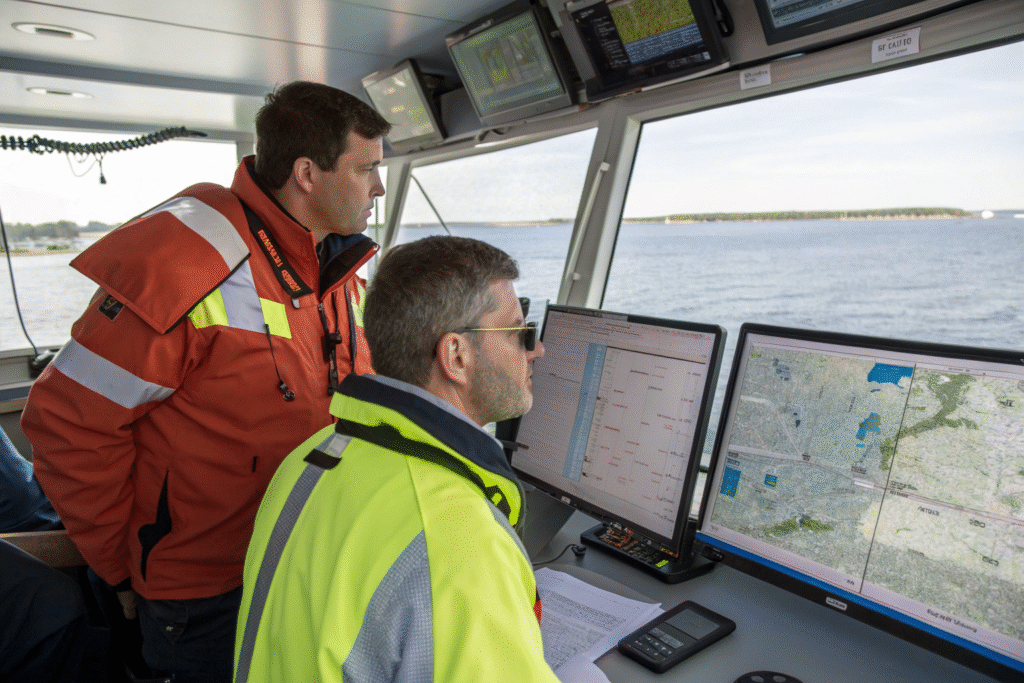
Draft and transit limitations have become semi-permanent. Due to prolonged drought conditions, the Panama Canal Authority has maintained vessel transit restrictions, reducing daily transits from 36-38 to 24-30 vessels and imposing draft restrictions that affect vessel capacity and efficiency.
Alternative routing costs significantly impact Asia-US East Coast shipments. The combination of Panama Canal restrictions and Red Sea diversions has forced vessels onto longer routes via Suez or around Africa and Cape Horn, increasing costs and transit times simultaneously.
What About the Strategic Importance of the Strait of Malacca?
China-US tension implications create potential future vulnerability. As the primary chokepoint for China's energy imports and manufacturing exports, the Strait of Malacca represents a potential flashpoint that could disrupt over 25% of global trade if tensions escalate significantly.
Piracy and security concerns persist despite improvements. While piracy has decreased in the region, the strategic importance of this waterway means any security incidents have disproportionate impacts on global shipping patterns and insurance costs.
How Are Trade Policies and Sanctions Reshaping Routes?
Government trade policies and sanctions regimes are creating new routing patterns and compliance requirements.

What Is the Impact of US-China Trade Policies?
Tariff engineering and transshipment patterns have evolved significantly. Section 301 tariffs and related trade restrictions have increased transshipment through Southeast Asian countries, with Vietnam, Malaysia, and Thailand seeing dramatic increases in containers being transshipped or undergoing minimal processing.
Forced supply chain diversification is becoming permanent. Many companies have established alternative manufacturing and sourcing locations to mitigate China concentration risk, creating more complex but resilient supply networks with different shipping route requirements.
How Do Sanctions Affect Vessel Routing and Compliance?
Shadow fleet operations complicate maritime security and insurance. The growth of vessels operating outside traditional maritime frameworks to service sanctioned trades (particularly Russian and Venezuelan oil) creates regulatory complexity and potential safety concerns for legitimate commercial shipping.
Enhanced due diligence requirements increase compliance costs. Shipping lines and their customers must implement more sophisticated screening processes for vessels, counterparties, and transactions, with penalties for violations reaching millions of dollars.
What Capacity and Equipment Implications Arise?
Geopolitical disruptions create complex effects on vessel capacity and equipment availability.
How Do Route Changes Affect Global Capacity?
Effective capacity reduction occurs when vessels take longer routes. The 10-20 day additional transit time for vessels avoiding the Red Sea effectively removes 9-15% of global container capacity, creating tighter market conditions and stronger carrier pricing power.
Equipment repositioning challenges increase costs and delays. Containers stranded on longer routes create imbalances at key ports, particularly affecting export regions that suddenly face equipment shortages when containers are slow to return.
What Are the Cost Implications of Geopolitical Disruptions?
Emergency surcharges and rate volatility have become more frequent. Carriers now regularly implement peak season surcharges, contingency adjusted charges, and emergency revenue charges that can increase total shipping costs by 30-100% during periods of significant disruption.
Bunker cost fluctuations add another layer of cost uncertainty. Longer routes consume more fuel, while geopolitical tensions in oil-producing regions can cause bunker price spikes that are quickly passed through to shippers via bunker adjustment factors.
How Can You Develop Geopolitically Resilient Shipping Strategies?
Proactive strategies can mitigate geopolitical risks and maintain supply chain reliability.

What Routing Diversification Strategies Work Best?
Multi-corridor approaches reduce dependency on single routes. Develop working knowledge and relationships across multiple shipping routes rather than relying exclusively on traditionally efficient but potentially vulnerable corridors.
Nearshoring and regionalization shorten supply chains. The combination of geopolitical risks and sustainability pressures is accelerating nearshoring trends, particularly between North American trading partners, reducing exposure to long-distance shipping disruptions.
How Can Technology and Partnerships Enhance Resilience?
Advanced visibility and predictive analytics provide early warning. Implement systems that monitor geopolitical developments, weather patterns, and port conditions to predict potential disruptions before they affect your shipments.
Strategic carrier partnerships provide priority during disruptions. Deeper relationships with multiple carriers across different alliances can ensure capacity access and better information sharing during periods of limited availability and uncertainty.
Conclusion
Geopolitics has become a permanent and dominant factor in ocean shipping route planning, with impacts extending far beyond simple route changes to affect costs, reliability, and risk management approaches. The most successful shippers are those who treat geopolitical awareness as a core competency rather than a reactive concern, building flexibility and diversification into their fundamental supply chain design rather than as optional additions.
At GeeseCargo, we've helped clients navigate these geopolitical challenges through strategies that typically maintain 85-95% reliability even during significant disruptions, while competitors using traditional approaches often experience 30-50% reliability degradation. Our experience demonstrates that companies investing in geopolitical supply chain resilience typically achieve 20-40% lower total disruption costs and maintain significantly better customer service levels during periods of international tension. Remember that in today's environment, geopolitical awareness isn't just about risk avoidance—it's a source of competitive advantage that separates industry leaders from followers.