The logistics industry stands at a technological crossroads, and freight forwarders face both existential threats and unprecedented opportunities. As someone who has navigated this industry through multiple transformations, I’ve witnessed how forward-thinking forwarders are reinventing themselves while others struggle to adapt. The traditional model of simply arranging transportation between point A and point B is rapidly becoming obsolete.
The future freight forwarder will evolve from a transactional service provider to a strategic supply chain partner, leveraging technology to provide end-to-end visibility, data-driven optimization, and customized solutions that address increasingly complex global trade challenges. This transformation requires new skills, technologies, and business models that add measurable value beyond basic transportation arrangements.
The digital revolution, changing customer expectations, and global supply chain disruptions are collectively reshaping what it means to be a freight forwarder. Let’s explore the key dimensions of this evolution.
How Will Technology Transform Forwarding Operations?
Technology is no longer just a supporting tool but the core differentiator that will separate future-forward forwarders from those stuck in traditional models.
What Role Will Artificial Intelligence Play?
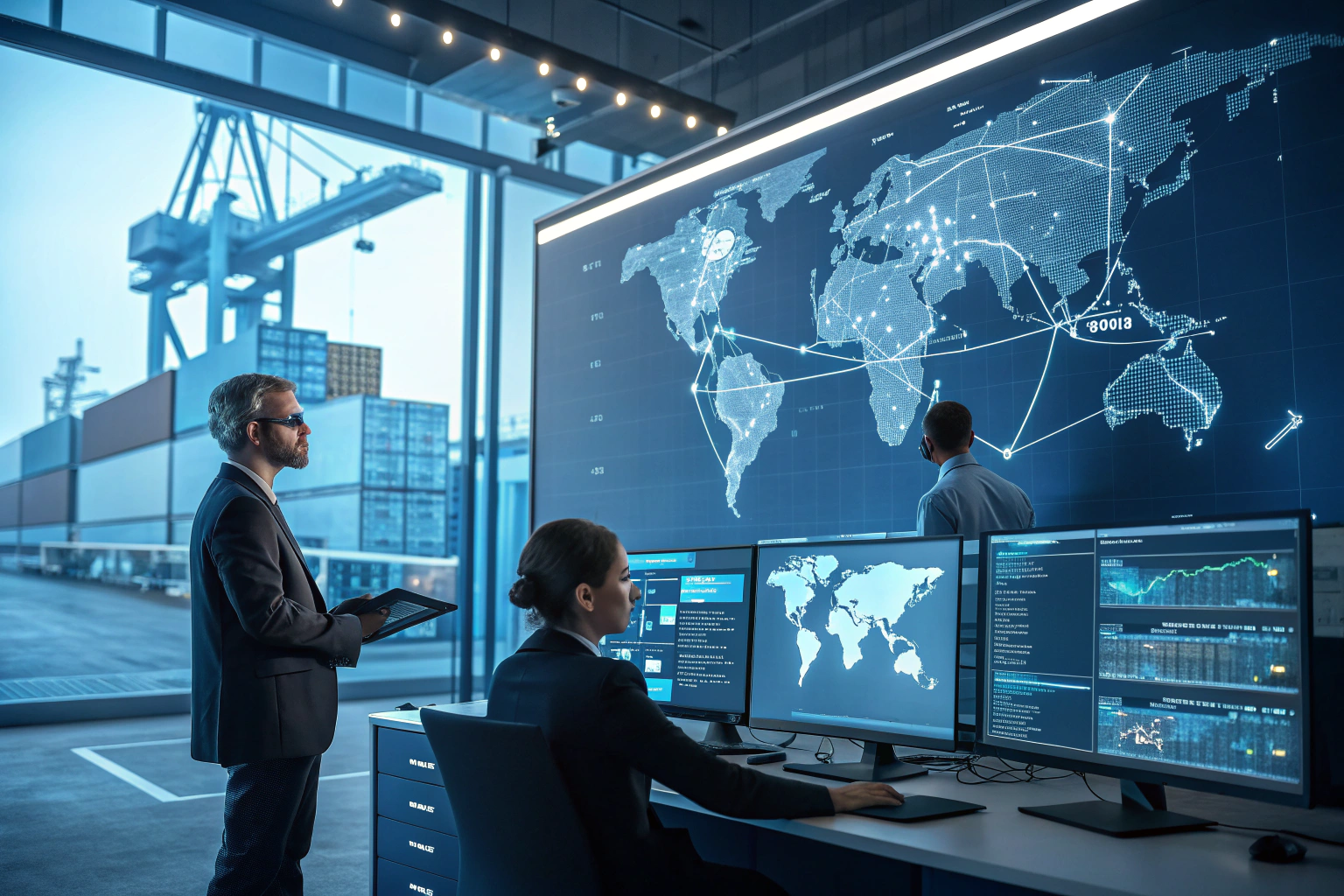
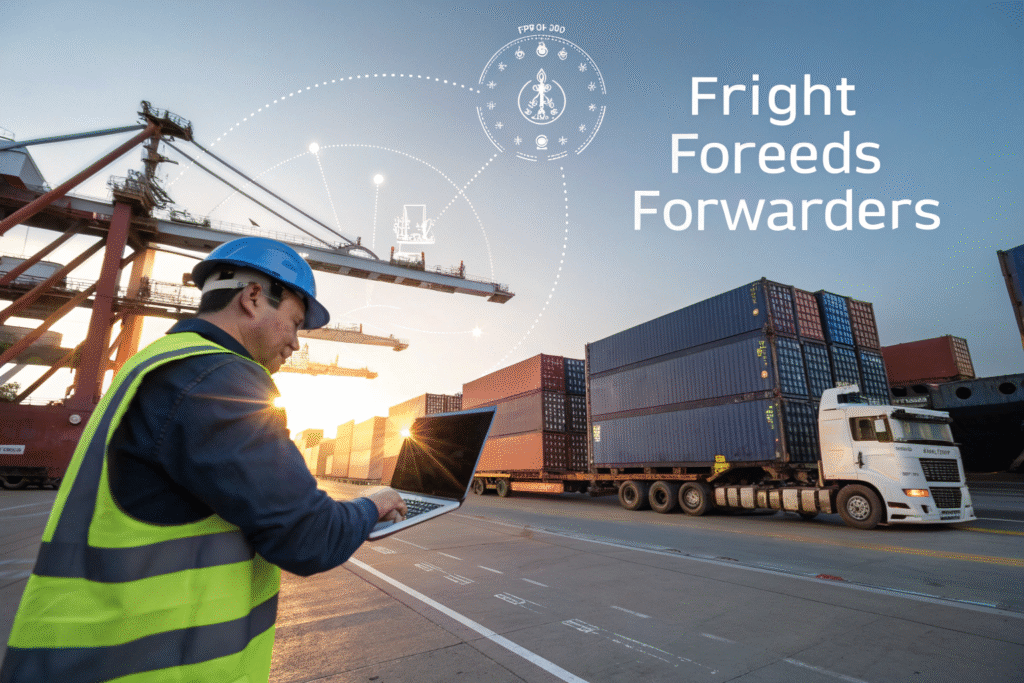
Predictive analytics powered by AI will enable forwarders to anticipate disruptions and optimize routes before problems occur. Machine learning algorithms will analyze historical data, weather patterns, port congestion, and countless other variables to recommend the most efficient shipping strategies. This proactive approach will significantly reduce transit times and costs for clients.
Automated documentation processing using AI will eliminate one of the most time-consuming aspects of traditional forwarding. Natural language processing will extract relevant information from emails, while computer vision will read and verify documents, reducing errors and speeding up customs clearance. This automation will free up human forwarders to focus on higher-value tasks.
How Will Blockchain and IoT Enhance Services?
Blockchain-based smart contracts will automate payments and release processes, reducing administrative overhead and increasing transaction security. These contracts will automatically execute when predefined conditions are met, such as releasing payment upon confirmed delivery or triggering insurance claims based on IoT sensor data.
Internet of Things integration will provide real-time, granular visibility into shipment conditions. Forwarders will monitor not just location but temperature, humidity, shock, and even light exposure, providing clients with unprecedented control and quality assurance throughout the supply chain.
What New Value-Added Services Will Emerge?
Future forwarders must expand beyond traditional services to remain relevant and competitive in an increasingly demanding market.
How Will Consulting Services Evolve?
Supply chain design and optimization will become a core service as forwarders leverage their data and experience to architect more resilient and efficient supply chains. Rather than simply executing shipments, forwarders will advise clients on network design, inventory positioning, and risk mitigation strategies based on comprehensive data analysis.
Carbon footprint management and offsetting services will address growing sustainability demands. Forwarders will help clients measure, reduce, and offset their logistics emissions, potentially even trading carbon credits as part of integrated green logistics solutions.
What Specialized Expertise Will Be Required?
Trade compliance and regulatory expertise will grow in importance as global trade regulations become more complex. Forwarders will need deep knowledge of constantly changing requirements across multiple jurisdictions, helping clients navigate sanctions, trade agreements, and product-specific regulations.
Risk management and contingency planning services will differentiate forwarders as supply chains face increasing disruptions from climate events, geopolitical tensions, and other unforeseen challenges. Forwarders will develop sophisticated risk assessment tools and pre-planned alternatives for various disruption scenarios.
How Will Customer Relationships and Business Models Change?
The fundamental economics and relationship dynamics of freight forwarding are undergoing a profound transformation.
What New Partnership Models Will Develop?
Long-term strategic partnerships will replace transactional relationships as forwarders integrate more deeply into clients’ operations. Instead of competing on individual shipment pricing, forwarders will contract for comprehensive supply chain management, sharing risks and rewards through performance-based pricing models.
Platform-based collaboration will enable forwarders to seamlessly work with multiple partners and service providers. These digital ecosystems will allow specialized forwarders to combine their expertise, offering clients best-in-class solutions across different trade lanes and transport modes without traditional silos.
How Will Transparency and Communication Evolve?
Real-time, proactive communication will become the standard as forwarders leverage technology to provide constant updates and early warnings about potential issues. Automated systems will notify clients of deviations from plan and suggest alternative actions before problems escalate.
Data-driven performance management will provide clients with comprehensive metrics on cost, service, sustainability, and resilience. Forwarders will use these insights to continuously improve their services and demonstrate clear return on investment to clients.
What Skills and Capabilities Will Future Forwarders Need?
The human element remains crucial, but the required skill sets are shifting dramatically toward technology and strategic thinking.
What Technical Competencies Will Be Essential?
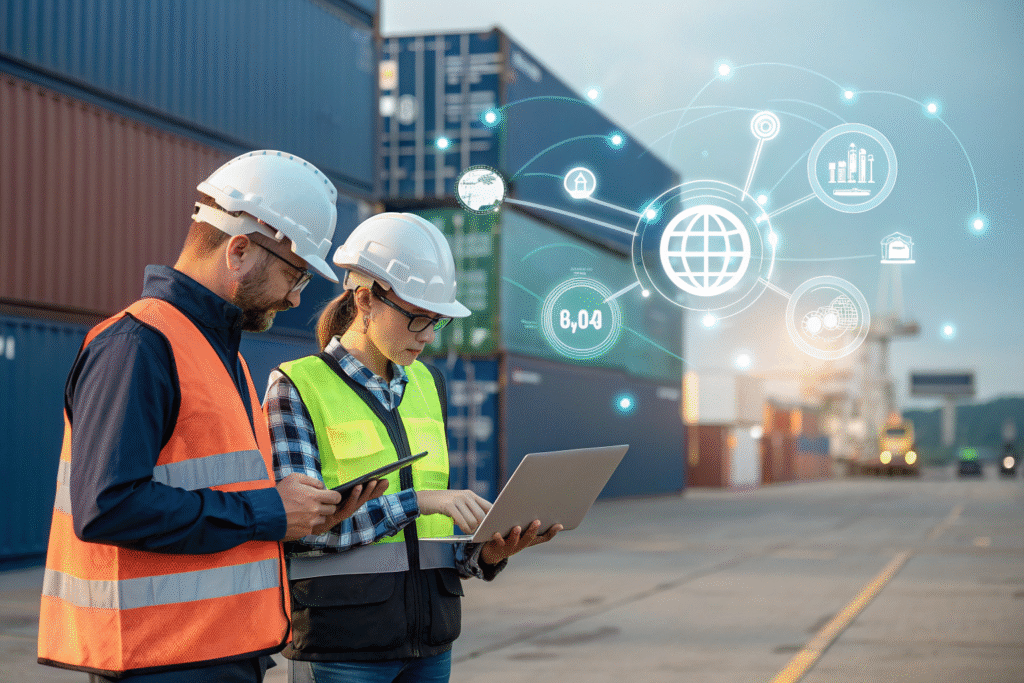
Data analytics and interpretation skills will become fundamental as forwarders transition from paperwork processors to data scientists. The ability to extract insights from complex datasets and translate them into actionable supply chain improvements will separate top performers from the rest.
Digital literacy and technology management will be required at all levels of forwarding organizations. Forwarders will need to understand, implement, and sometimes even develop the technologies that power modern logistics, from API integrations to machine learning applications.
What Strategic Abilities Will Differentiate Success?
Critical thinking and problem-solving skills will grow in importance as forwarders face increasingly complex and novel challenges. The ability to analyze situations from multiple perspectives and develop creative solutions will be invaluable in a disrupted global trade environment.
Change management and adaptability will become core competencies as the industry continues its rapid transformation. Successful forwarders will need to continuously evolve their services, business models, and organizational structures to stay ahead of market changes.
Conclusion
The future freight forwarder will be a technology-enabled, strategically minded supply chain architect who creates measurable value beyond basic transportation. This evolution requires embracing digital transformation, developing new service offerings, building deeper client partnerships, and cultivating next-generation skills. While technology will automate many traditional forwarding tasks, it simultaneously creates opportunities for forwarders to provide more sophisticated, valuable services.
At GeeseCargo, we’re actively building this future through investments in technology, development of new capabilities, and transformation of our client relationships. Our experience confirms that forwarders who proactively shape their evolution rather than resisting change will not only survive but thrive in the coming years. The future belongs to forwarders who recognize that their greatest opportunity lies in solving clients’ most complex supply chain challenges through the powerful combination of human expertise and technological capability.