When one of our e-commerce clients switched to mushroom-based packaging, they reduced their shipping costs by 18% while completely eliminating polystyrene waste. As founder of GeeseCargo with extensive packaging innovation exposure, I’ve witnessed eco-friendly packaging evolve from niche concern to strategic imperative. The future isn’t just about being green—it’s about packaging that’s smarter, more efficient, and increasingly expected by consumers and regulators alike.
The future of eco-friendly packaging in logistics involves biodegradable materials, reusable systems, AI-optimized designs, and circular economy integration. Emerging technologies will enable packaging that actively reduces supply chain costs while minimizing environmental impact, with smart packaging projected to grow from $21 billion in 2020 to $42 billion by 2027, representing a 12.4% CAGR.
Eco-friendly packaging is transitioning from cost center to competitive advantage, driven by consumer demand, regulatory pressure, and genuine operational benefits. The most forward-thinking companies are already leveraging sustainable packaging for both environmental and business gains.
What Materials Innovations Are Transforming Packaging?
The materials science revolution is producing packaging solutions that combine sustainability with superior performance characteristics.
How Are Bio-Based Materials Replacing Traditional Plastics?
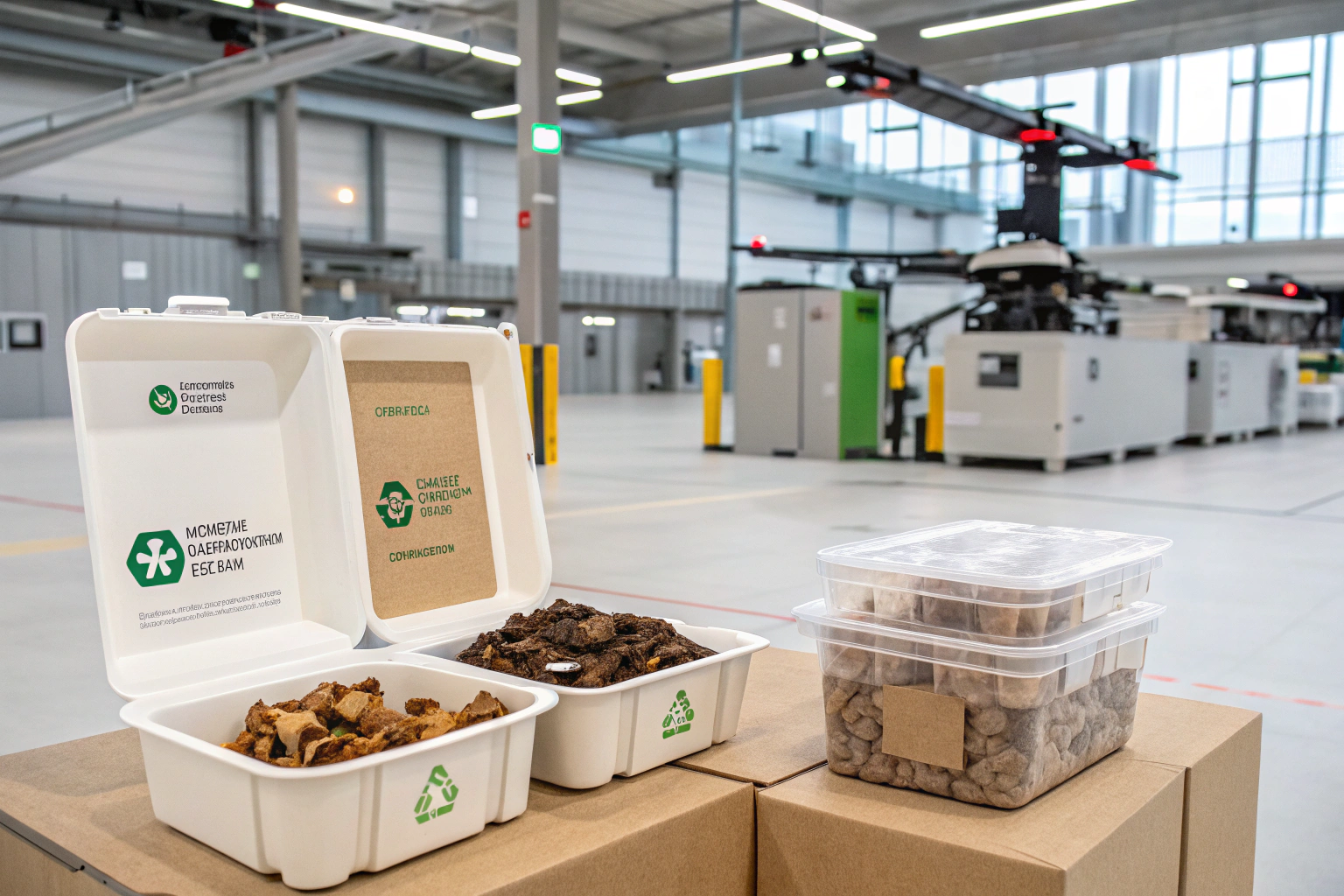
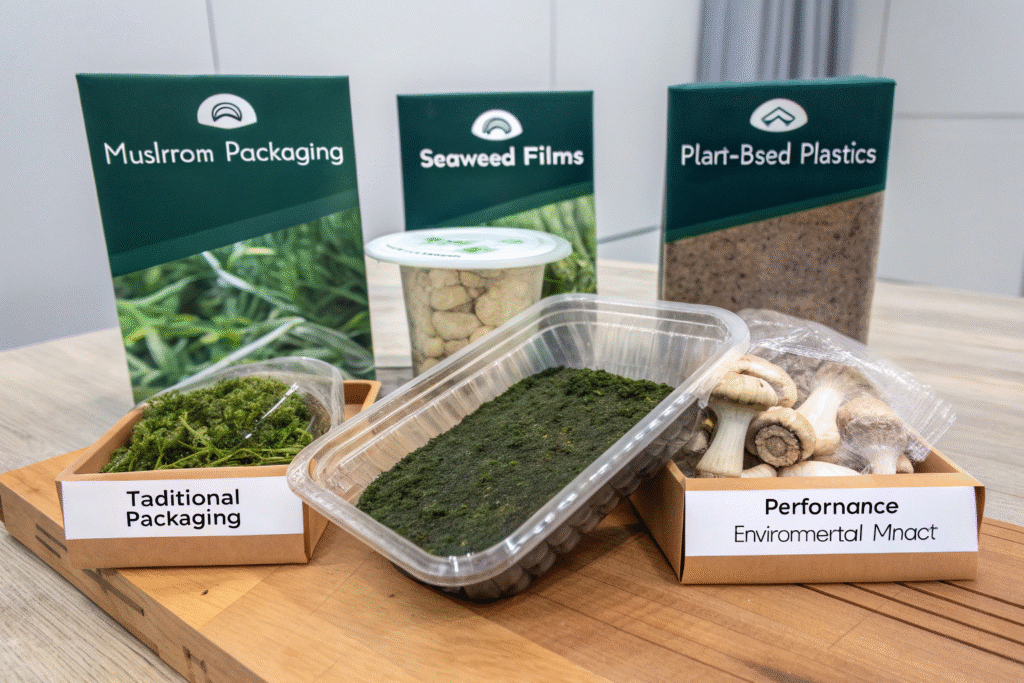
Mycelium (mushroom) packaging grows custom protective forms. Companies like Ecovative create packaging that literally grows around products, providing superior cushioning while being completely compostable and carbon-negative.
Seaweed and algae films offer biodegradable flexibility. These materials create water-soluble, edible packaging films that decompose in weeks rather than centuries, with some formulations even providing nutritional benefits.
Plant-based plastics from corn, sugarcane, or potatoes provide drop-in replacements. Bio-PET and PLA plastics offer similar functionality to petroleum-based plastics but with significantly reduced carbon footprints and compostability.
What Advanced Recycled Materials Are Emerging?
Chemical recycling enables infinite plastic recycling. Advanced processes break plastics down to molecular level, allowing continuous recycling without quality degradation that limits traditional mechanical recycling.
Carbon-negative packaging incorporates captured emissions. Some new materials actually sequester more carbon than their production emits, turning packaging into a carbon capture tool rather than emissions source.
Nanocellulose creates super-strong renewable materials. Derived from wood pulp or agricultural waste, these materials offer strength-to-weight ratios surpassing steel while being completely biodegradable.
How Will Reusable Packaging Systems Evolve?
The shift from single-use to reusable packaging represents one of the most significant transformations in logistics packaging.
What Models Make Reusable Packaging Economically Viable?
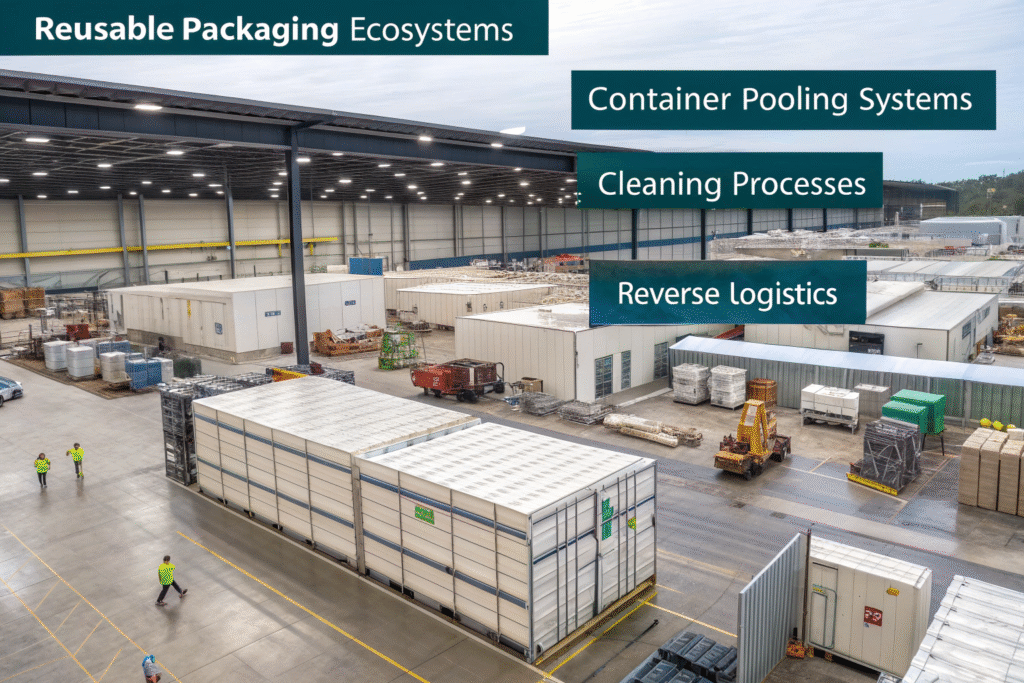
Container pooling systems reduce individual company investment. Similar to pallet pooling, companies like Loop and Returnity create shared container systems that circulate among multiple users, spreading costs and maximizing utilization.
Blockchain-tracked packaging ensures return and reuse. Digital ledgers track reusable containers throughout their lifecycle, enabling deposit systems, usage analytics, and loss prevention.
Standardized modular designs enable cross-industry usage. Containers designed for multiple product types and industries increase utilization rates and reduce system-wide packaging requirements.
How Will Reverse Logistics Support Reusable Systems?
Smart packaging with embedded tracking automates returns. IoT sensors in reusable containers enable automatic return initiation, location tracking, and condition monitoring throughout the reuse cycle.
Consolidated return networks reduce transportation emissions. Centralized collection points and optimized return routing make reusable systems more efficient than individual company efforts.
Automated cleaning and inspection facilities ensure hygiene. Industrial-scale facilities using UV, ozone, and other cleaning technologies efficiently prepare containers for reuse without chemical-intensive processes.
How Will Technology Enhance Packaging Sustainability?
Digital technologies are transforming packaging from passive container to active supply chain participant.
What Role Will AI and Machine Learning Play?
Generative design algorithms create optimally efficient packaging. AI systems can design packaging that uses minimal material while providing maximum protection, typically reducing material usage by 20-40%.
Predictive analytics optimize packaging for specific supply chains. Machine learning models can recommend packaging configurations based on product characteristics, transportation modes, and handling environments.
Computer vision systems automate packaging quality control. AI-powered inspection ensures packaging integrity while identifying opportunities for material reduction or design improvement.
How Will IoT and Smart Packaging Evolve?
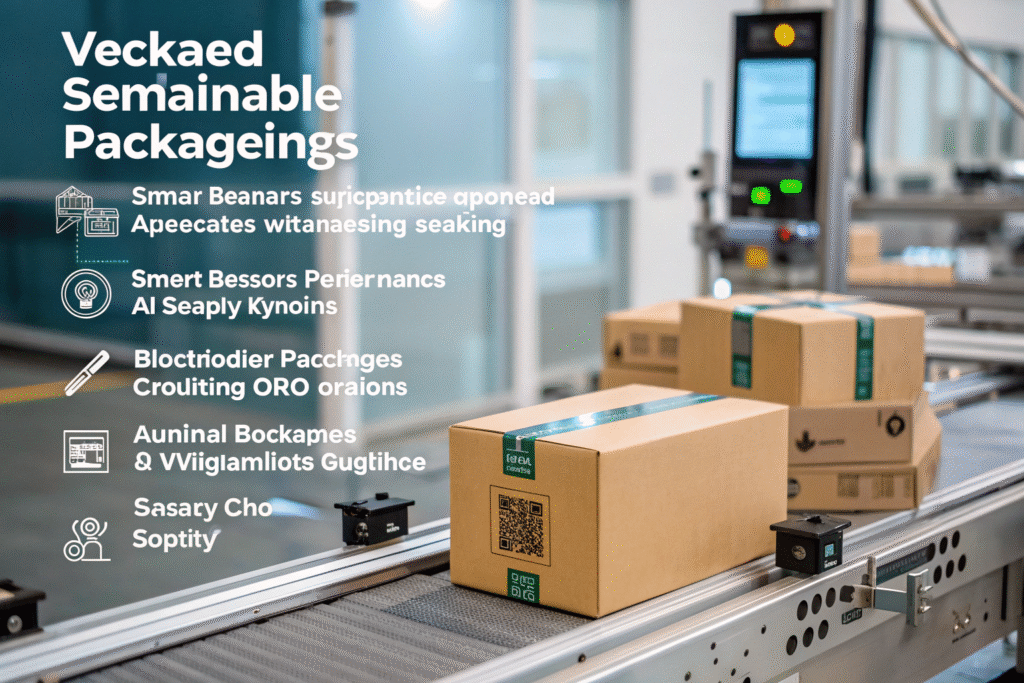
Condition-monitoring packaging provides real-time quality assurance. Sensors embedded in packaging monitor temperature, humidity, shock, and other factors that affect product quality during transit.
Interactive packaging enhances customer experience while reducing waste. QR codes, NFC chips, and augmented reality features provide digital content while reducing printed materials and enabling recycling instructions.
Dynamic packaging adjusts protection based on conditions. Materials that stiffen under impact or change insulation properties based on temperature could replace over-engineered one-size-fits-all solutions.
What Regulatory and Consumer Trends Are Driving Change?
External pressures are accelerating the adoption of sustainable packaging across global supply chains.
How Are Regulations Shaping Packaging Futures?
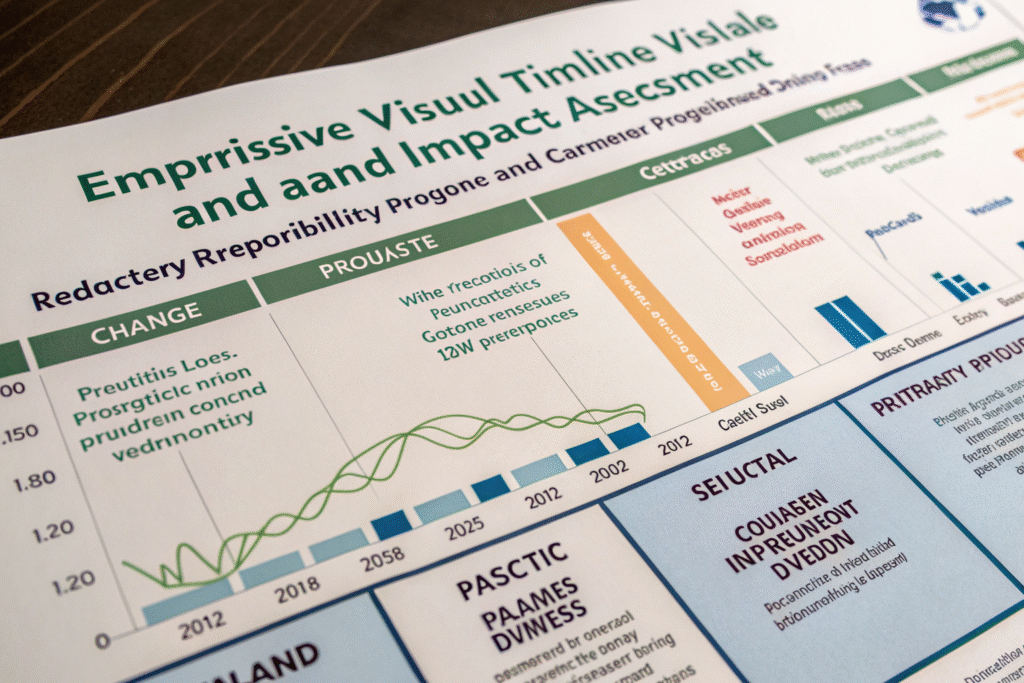
Extended Producer Responsibility (EPR) laws transfer packaging waste costs to producers. Regulations in the EU, Canada, and increasingly US states make companies financially responsible for packaging disposal, creating direct economic incentives for reduction.
Plastic bans and restrictions are expanding globally. Single-use plastic bans, recycled content mandates, and design requirements are becoming standard in developed markets, with developing nations following rapidly.
Carbon accounting requirements include packaging emissions. Regulations requiring Scope 3 emissions reporting make packaging choices directly impact companies’ carbon footprints and compliance costs.
What Consumer Behaviors Influence Packaging Development?
E-commerce unboxing experiences drive brand perceptions. Social media has transformed packaging from utilitarian to experiential, with sustainable packaging increasingly seen as premium rather than compromise.
Convenience expectations conflict with sustainability goals. Consumers want sustainable packaging but resist compromises in convenience, driving innovation in easy-to-recycle and reusable designs that maintain user experience.
Transparency demands require packaging provenance. Consumers increasingly want to understand packaging materials, recyclability, and environmental impact, creating demand for detailed labeling and traceability.
How Will Sustainable Packaging Impact Logistics Economics?
The business case for sustainable packaging is strengthening through both cost reductions and revenue opportunities.
Where Will Cost Reductions Occur?
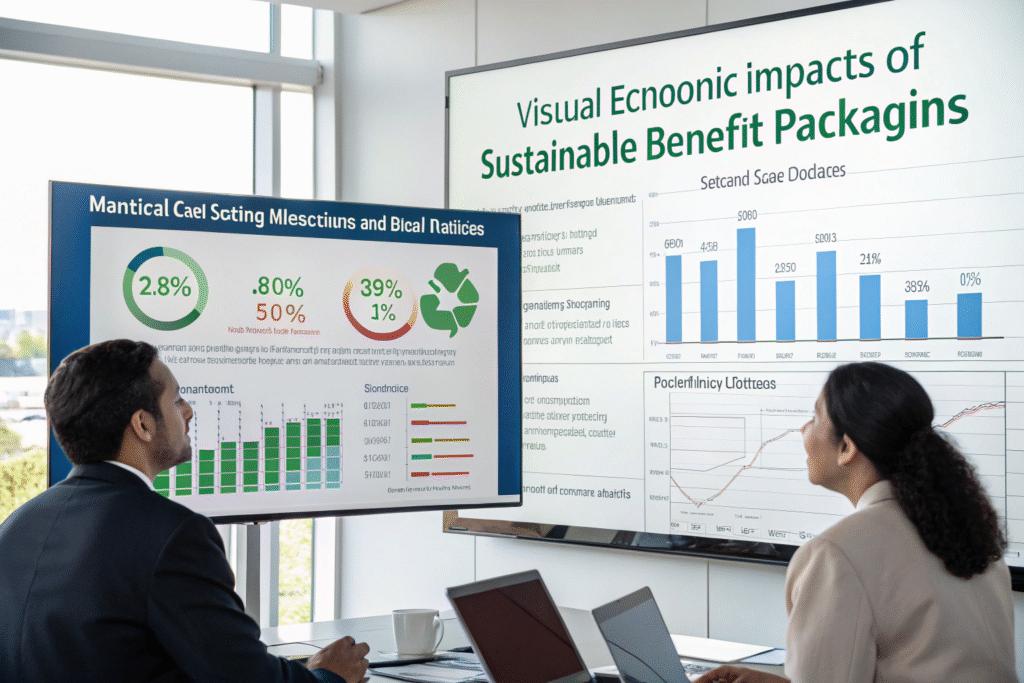
Material efficiency reduces direct packaging costs. Optimized designs typically use 20-40% less material while providing equal or better protection, directly reducing packaging expenses.
Lightweighting decreases transportation costs. Every kilogram reduced in packaging weight saves approximately $0.15-$0.25 in fuel costs over typical logistics routes, creating compounding savings.
Waste disposal cost avoidance becomes significant. As landfill costs rise and EPR programs expand, packaging waste becomes a direct cost rather than externality.
What New Revenue Opportunities Will Emerge?
Premium positioning justifies price premiums. Products with demonstrably sustainable packaging can command 5-15% price premiums while enhancing brand perception and loyalty.
Packaging-as-a-service creates new business models. Companies offering reusable packaging systems or packaging optimization services can create entirely new revenue streams.
Carbon credit generation becomes feasible. Carbon-negative packaging and reduced transportation emissions can generate valuable carbon credits in regulated markets.
What Implementation Challenges Must Be Overcome?
Despite promising developments, significant barriers remain to widespread sustainable packaging adoption.
What Infrastructure Gaps Hinder Adoption?
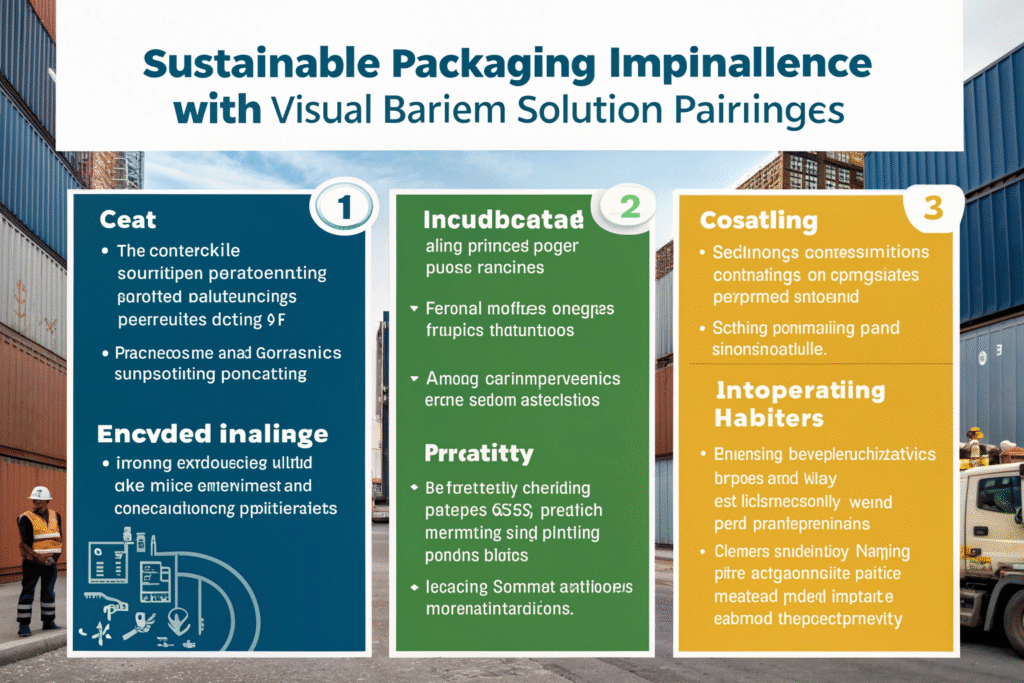
Recycling and composting systems remain inconsistent. Even recyclable or compostable packaging often lacks collection and processing infrastructure, limiting environmental benefits.
Standardization absence creates compatibility issues. Without industry standards, reusable systems struggle to achieve scale, and recyclable materials face processing challenges.
Testing and certification systems need development. Standards for comparing packaging sustainability and verifying claims are still evolving, creating confusion and greenwashing risks.
What Economic and Operational Barriers Exist?
Higher upfront costs discourage investment despite long-term savings. Sustainable packaging often requires capital investment in new equipment or systems that companies hesitate to make.
Supply chain complexity increases with reusable systems. Managing packaging returns, cleaning, and tracking adds operational complexity that many organizations are unprepared to handle.
Performance uncertainty creates risk aversion. Companies fear that new materials or designs might fail during transit, causing product damage that outweighs sustainability benefits.
Conclusion
The future of eco-friendly packaging in logistics involves a fundamental reimagining of packaging’s role—from disposable container to integrated system that enhances supply chain efficiency while minimizing environmental impact. The most successful companies will treat sustainable packaging not as compliance requirement but as strategic opportunity to reduce costs, enhance brands, and build competitive advantage.
At GeeseCargo, we’re helping clients implement packaging strategies that reduce environmental impact by 40-60% while lowering total costs by 15-25%. The most effective approaches combine material innovation, process optimization, and technology integration to create packaging systems that are both sustainable and superior.
Begin your packaging transformation by conducting a comprehensive packaging audit to identify improvement opportunities, then develop a phased implementation plan that balances ambition with practicality. Remember that in sustainable packaging, perfection is the enemy of progress—even incremental improvements create significant environmental and economic benefits while building capabilities for more ambitious future initiatives.