Understanding container measurement units is fundamental to international shipping, yet many businesses don't fully grasp the practical implications beyond the basic definitions. As a freight forwarder who has helped countless clients optimize their container utilization, I've seen how proper understanding of TEU and FEU differences directly impacts shipping costs, planning efficiency, and supply chain flexibility. These aren't just academic measurements—they're practical tools for managing your global logistics.
The primary difference between a TEU (Twenty-foot Equivalent Unit) and an FEU (Forty-foot Equivalent Unit) is their physical dimensions and capacity, with one FEU equaling two TEUs in measurement but not necessarily in practical usage due to different loading characteristics, weight distributions, and shipping economics. While TEUs measure container ship capacity and port throughput, FEUs represent the workhorse containers that carry most of the world's consumer goods.
The choice between TEU and FEU affects everything from per-unit shipping costs to customs documentation and port operations. Let's examine the specific differences and their practical implications for your shipping decisions.
What Are the Physical and Technical Differences?
The dimensional differences between TEU and FEU containers create distinct operational characteristics.

What Are the Exact Dimensions and Capacities?
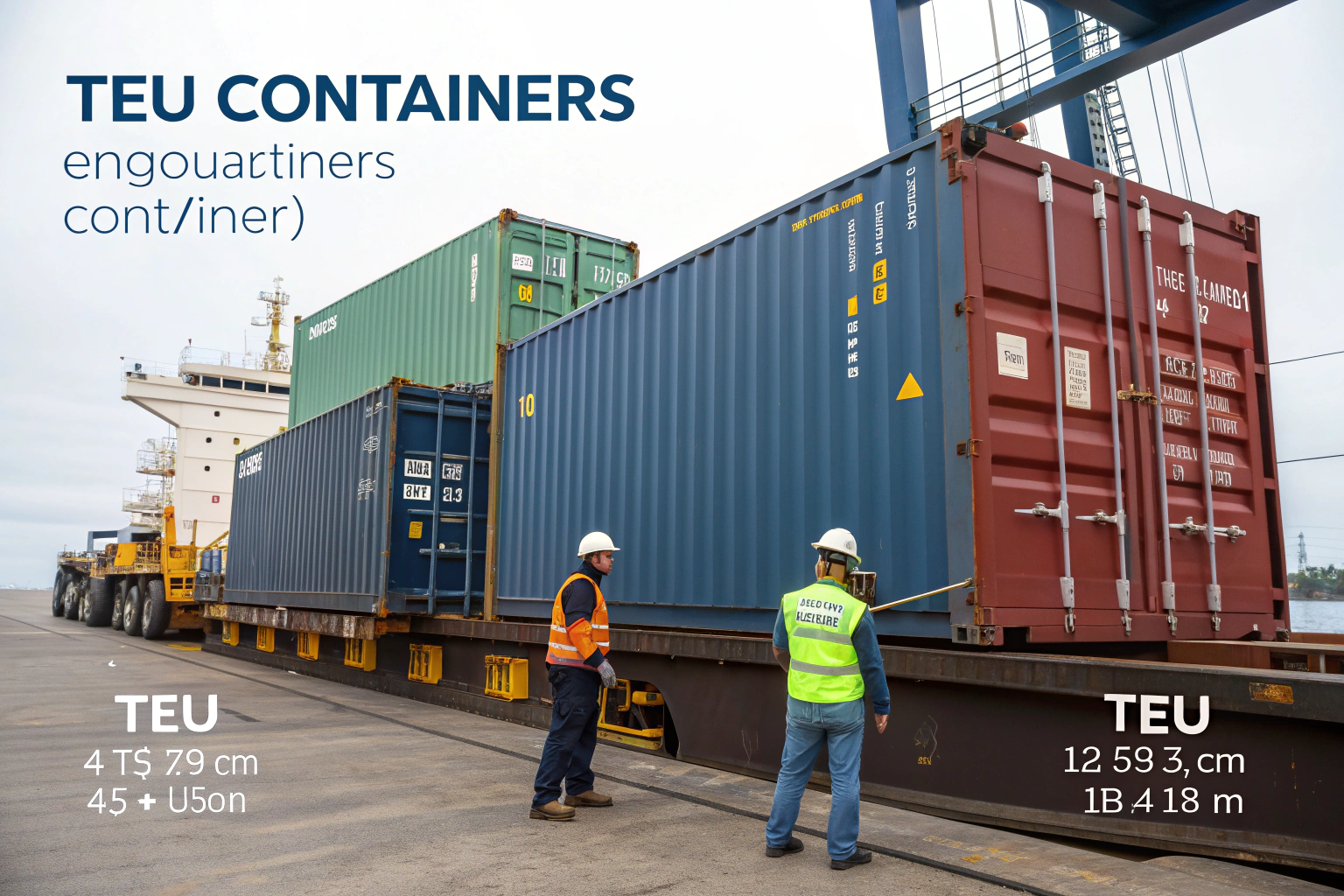
TEU containers measure approximately 20 feet long, 8 feet wide, and 8 feet 6 inches high (6.10m × 2.44m × 2.59m), with an internal capacity of about 1,170 cubic feet (33.1 cubic meters). Their maximum gross weight typically reaches 24,000 kg (52,910 lbs), with a payload capacity around 21,600 kg (47,620 lbs) after subtracting the container's tare weight.
FEU containers measure 40 feet long with the same width and height (12.19m × 2.44m × 2.59m), offering approximately 2,390 cubic feet (67.7 cubic meters) of internal space—slightly more than double a TEU's volume. Standard FEUs have a maximum gross weight of 30,480 kg (67,200 lbs), with payload capacity around 26,500 kg (58,430 lbs).
How Do Structural Differences Affect Usage?
Weight distribution characteristics differ significantly. While an FEU can hold more than double the volume of a TEU, its weight capacity is only about 23% greater. This means FEUs are volume-efficient but may reach weight limits before filling completely with dense cargo, while TEUs often reach weight capacity before utilizing all cubic space with heavy goods.
Specialized FEU variations include high-cube containers (9 feet 6 inches tall), refrigerated containers, open-top designs, and flat racks. High-cube FEUs offer approximately 12% more volume than standard FEUs, making them particularly popular for lightweight, bulky consumer goods.
How Do Pricing and Economics Compare?
The cost structures for TEU versus FEU shipping involve more complex calculations than simple linear scaling.

What Are the Typical Rate Differences?
Non-linear pricing relationships mean one FEU typically costs less than two TEUs but more than one TEU. On major trade lanes, an FEU might cost 1.6-1.8 times a TEU rate rather than exactly double. This pricing structure encourages efficient container utilization and reflects the actual cost to carriers of handling different container types.
Additional charge structures vary between container types. While ocean freight rates show the most visible difference, other charges like terminal handling fees, bunker adjustment factors, and port congestion surcharges often apply per container rather than per TEU, making FEUs potentially more cost-effective for consolidating multiple TEU shipments.
How Does Cargo Density Affect Cost Efficiency?
Volume-optimized shipments benefit most from FEUs. Goods with low density (light but bulky) like furniture, clothing, or plastic products achieve significantly lower per-unit costs in FEUs because they utilize the container's cubic capacity without hitting weight limits.
Weight-optimized shipments may favor TEUs for certain dense products. Heavy machinery, metal products, or dense raw materials might reach weight limits in an FEU without filling its volume, making multiple TEUs potentially more cost-effective despite the higher per-container rate.
What Operational Considerations Differ?
Practical handling and operational factors create distinct use cases for each container type.
How Do Loading and Unloading Processes Differ?
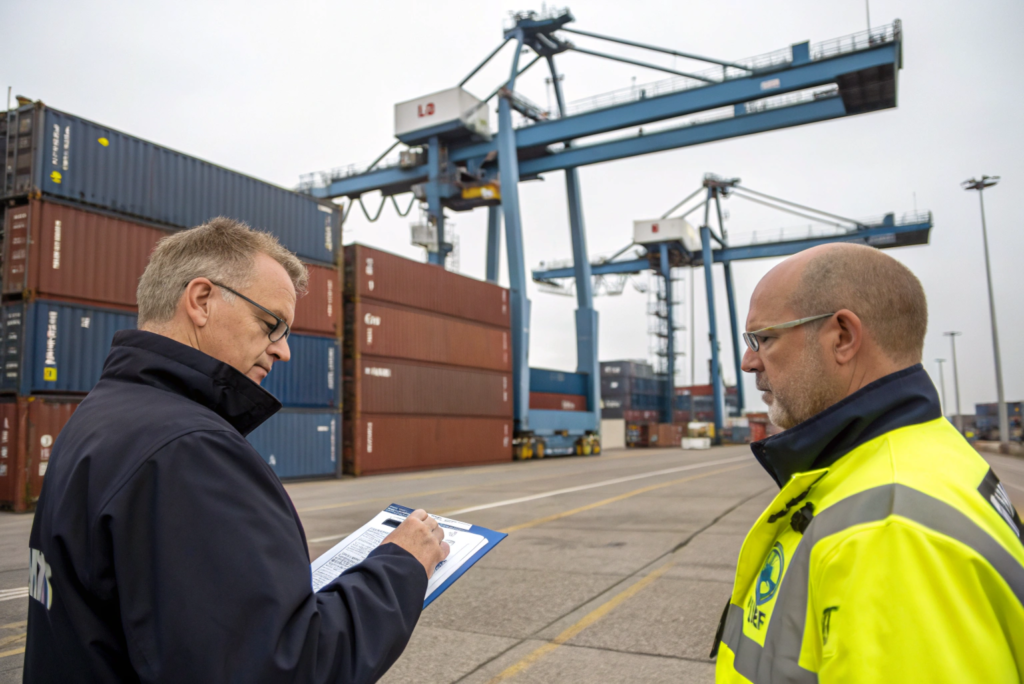
Loading flexibility advantages vary by container type. TEUs offer more flexibility for mixed cargo with different destinations since they can be separated more easily during transshipment. FEUs provide better protection for cargo moving to a single destination since the entire container stays sealed throughout transit.
Equipment compatibility affects operations at both origin and destination. While most ports and terminals handle both container types, some smaller facilities or inland locations may have equipment limitations. Always verify that both origin and destination can handle your chosen container type, particularly for FEUs which require specific chassis and handling equipment.
What About Documentation and Customs Considerations?
Bill of lading implications differ between container types. Each container typically requires its own bill of lading, whether TEU or FEU, though some carriers offer consolidated billing options. The container number and seal number tracking differ by container size, affecting documentation accuracy requirements.
Customs declaration processes have similarities but different volume reporting. While customs procedures are similar regardless of container size, the declared quantities and values must accurately reflect the actual contents, with FEU shipments generally containing larger volumes requiring more detailed breakdowns.
How Should You Choose Between TEU and FEU?
Strategic selection between container types depends on multiple factors specific to your shipment.

What Cargo Characteristics Guide Selection?
Volume-to-weight ratio provides the primary guidance. Calculate your shipment's total cubic volume and total weight, then compare to container capacities. If your cargo is volume-heavy, FEUs typically offer better economics. If weight-heavy, calculate whether your shipment would require partial container loads or multiple containers regardless of type.
Cargo compatibility and segregation needs affect container choice. If you're shipping multiple products that shouldn't commingle or require different handling (refrigerated vs. dry, hazardous vs. non-hazardous), multiple TEUs might be necessary regardless of volume considerations.
How Do Supply Chain Factors Influence Decisions?
Inventory management strategies align with container choices. Just-in-time operations might favor more frequent TEU shipments for flexibility, while bulk inventory strategies often benefit from FEU efficiency. Consider your storage capacity, demand patterns, and working capital implications of different shipment sizes.
Seasonality and lead time considerations affect container availability. During peak seasons, certain container types may experience shortages or rate premiums. Develop flexibility to use either type when market conditions favor one over the other.
What Are the Industry Trends Affecting Container Usage?
The global container shipping industry continues evolving, affecting how TEUs and FEUs are utilized.

How Is Fleet Composition Changing?
Increasing FEU percentage in global fleets reflects efficiency priorities. New container ships are increasingly optimized for FEU handling, with cell guides designed primarily for 40-foot containers. This doesn't eliminate TEU capacity but reflects the industry's preference for FEU efficiency where possible.
Specialized container growth affects both TEU and FEU categories. The expansion of refrigerated, tank, and other specialized containers in both size categories provides more options but also adds complexity to equipment planning and availability management.
What Technological Developments Are Emerging?
Digital container management improves utilization regardless of size. IoT sensors, smart containers, and advanced tracking technologies apply equally to TEUs and FEUs, but the economic justification for technology investment differs by container value and usage patterns.
Sustainability initiatives affect container design and usage. Lightweight container materials, aerodynamic improvements, and circular economy approaches impact both TEU and FEU operations, with different implications based on container turnover rates and repair economics.
Conclusion
Understanding the differences between TEU and FEU extends far beyond simple dimensions to encompass economic, operational, and strategic considerations that directly impact your shipping costs and supply chain efficiency. While FEUs generally offer better economics for volume-optimized shipments, TEUs provide important flexibility for weight-optimized cargo, mixed shipments, and certain supply chain configurations. The most effective approach often involves maintaining flexibility to use either type based on specific shipment characteristics and market conditions.
At GeeseCargo, we've helped clients optimize container selection strategies that typically reduce shipping costs by 8-20% while improving container utilization rates by 15-30%. Our experience demonstrates that systematic analysis of each shipment's characteristics against current market conditions yields better results than rigid preferences for one container type. Remember that container selection is not a one-time decision but an ongoing optimization process that should adapt to changing cargo profiles, market rates, and operational requirements throughout your business evolution.