Importing heavy equipment from China represents one of the most complex and high-stakes logistics challenges in international trade, where mistakes can lead to catastrophic damage, severe safety issues, or massive financial losses. As a forwarder specializing in project cargo and oversized shipments, I've managed the import of everything from industrial machinery and construction equipment to factory production lines, learning that successful heavy equipment importation requires specialized expertise far beyond standard container shipping. The "best" approach depends on your specific equipment characteristics, budget, timeline, and installation requirements.
The best way to import heavy equipment from China involves comprehensive pre-shipment planning, specialized transport equipment selection, meticulous route surveys, professional loading/unloading arrangements, and integrated customs clearance strategies tailored to oversized or high-value industrial goods. This approach typically combines RO-RO (Roll-on/Roll-off) shipping for mobile equipment, specialized flat racks or open tops for non-mobile machinery, and sometimes breakbulk shipping for extremely large components, with careful attention to Chinese export regulations and destination country import requirements for industrial equipment.
The complexity of heavy equipment logistics demands treating each shipment as a unique project rather than routine freight. Let's examine the specific strategies that ensure successful heavy equipment importation from Chinese manufacturers to your operational site.
What Pre-Shipment Planning Is Essential for Heavy Equipment?
Success begins long before equipment leaves the factory, with detailed planning addressing every potential challenge.
How Should You Conduct Dimensional and Weight Analysis?
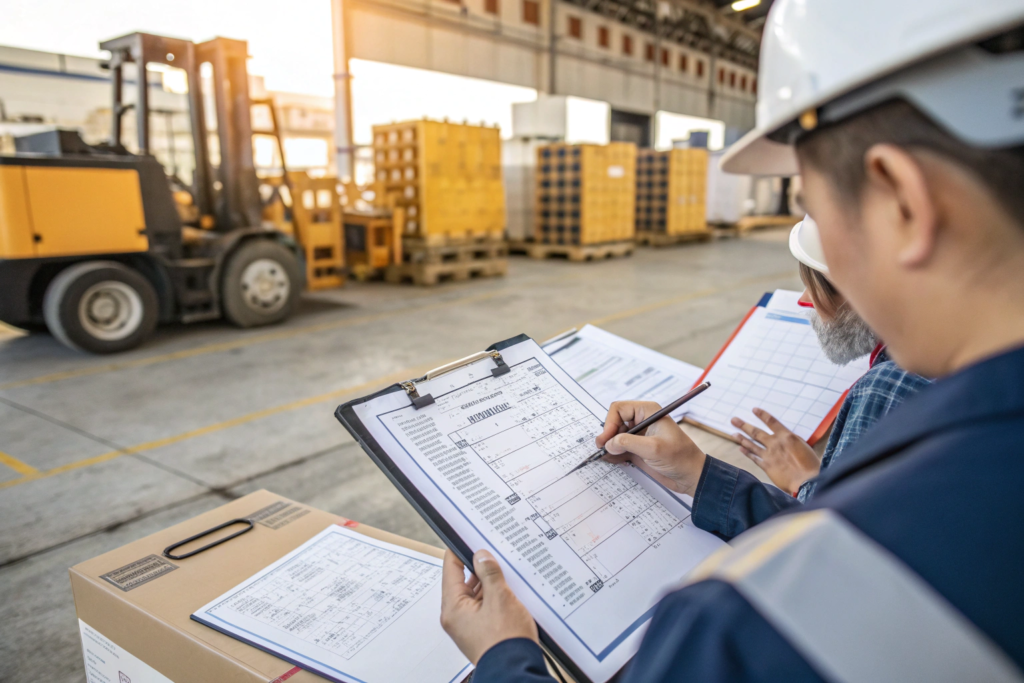
Comprehensive measurement protocols capture all critical dimensions. Beyond basic length, width, and height, measure: center of gravity, lifting points, axle loads (for mobile equipment), protrusions, and any components that might require disassembly for transport. Even small measurement errors can cause major routing or loading problems.
Professional surveyor involvement provides objective assessment. Engage marine surveyors or specialized engineers to verify measurements, assess packaging adequacy, and identify potential issues before shipping commences. Their reports also support insurance claims if damage occurs.
What About Disassembly and Packaging Considerations?
Strategic disassembly planning balances transport efficiency with reassembly complexity. Determine which components should ship separately (cabs, booms, counterweights on construction equipment; guards, motors, control panels on industrial machinery) to reduce dimensions while minimizing reassembly time and costs.
Customized packaging and crating protects critical components. Professional export crating designed for specific equipment provides: structural support during handling and transit, weather protection, vibration damping, and security against theft of valuable components.
What Transportation Methods Work Best for Different Equipment Types?
Heavy equipment requires matching specific transport methods to equipment characteristics and destination requirements.
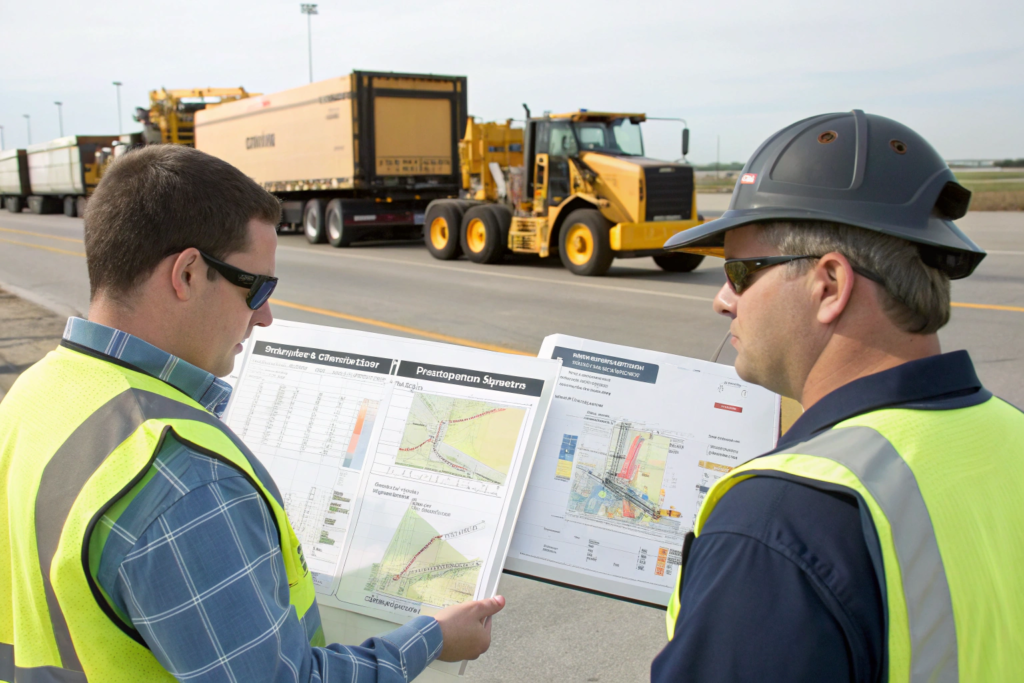
When Should You Use RO-RO Versus Container Shipping?
RO-RO (Roll-on/Roll-off) shipping suits self-propelled or wheeled equipment. Construction machinery, agricultural equipment, trucks, and other mobile equipment typically ship via RO-RO vessels where they're driven on/off, minimizing handling and reducing damage risk. This method often provides the best balance of cost, safety, and efficiency for suitable equipment.
Specialized container options work for non-mobile machinery. Flat racks, open tops, and platform containers accommodate equipment that can't be driven, with sizes available up to 40 feet with varying weight capacities. For extremely large items, multiple flat racks might be combined or custom solutions developed.
What About Breakbulk and Project Cargo Solutions?
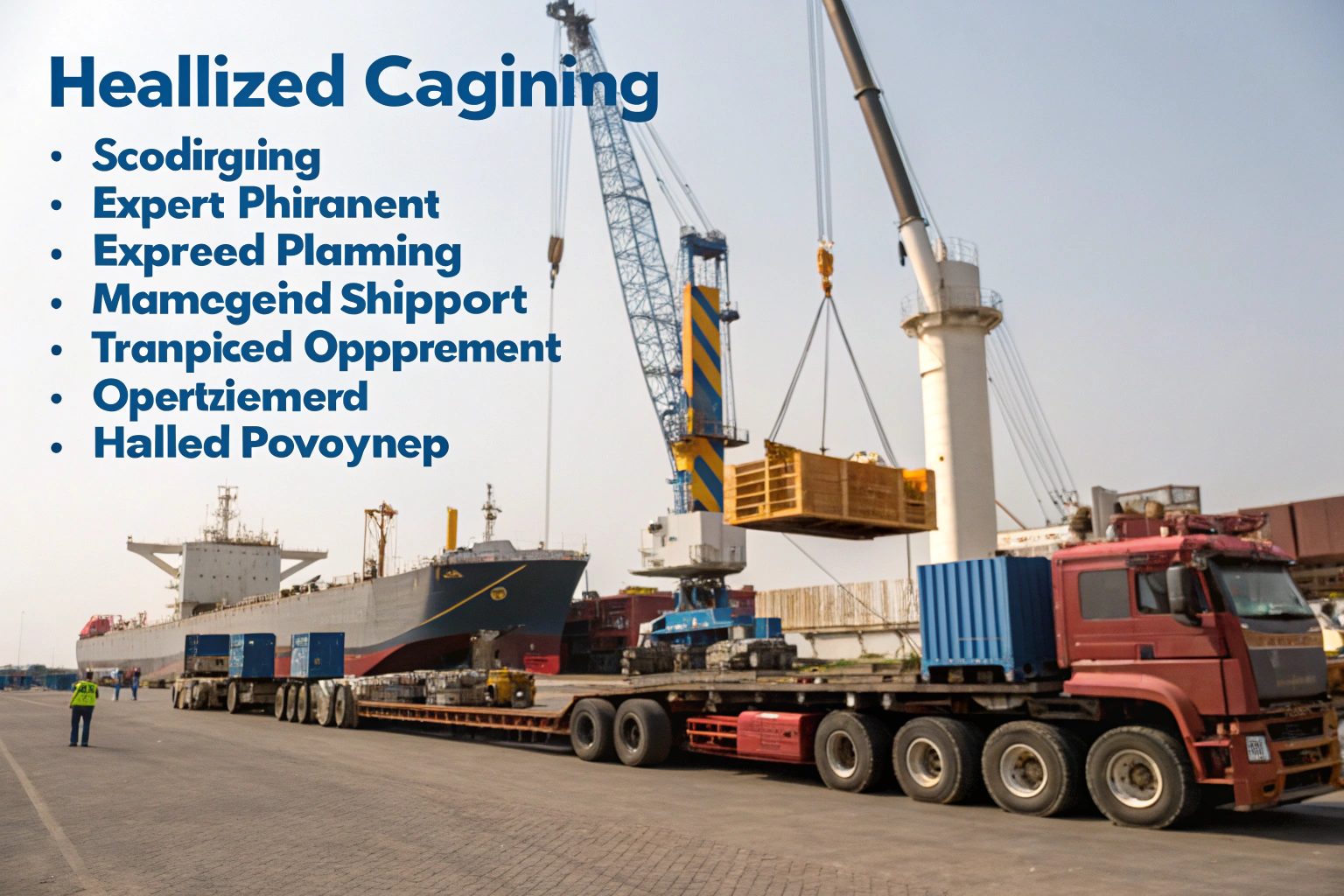
Breakbulk shipping handles oversized or heavy individual components. When equipment exceeds container or RO-RO dimensions/weights, breakbulk vessels with heavy-lift cranes transport individual pieces, though with higher costs and more complex logistics.
Heavy-lift vessel charter for exceptional shipments. For unique, extremely heavy, or oversized equipment, chartering specialized heavy-lift vessels with specific crane capacities might be necessary, representing the most complex and expensive but sometimes only feasible option.
How Should You Manage Route Planning and Access Challenges?
Heavy equipment transport faces unique routing challenges that standard freight doesn't encounter.
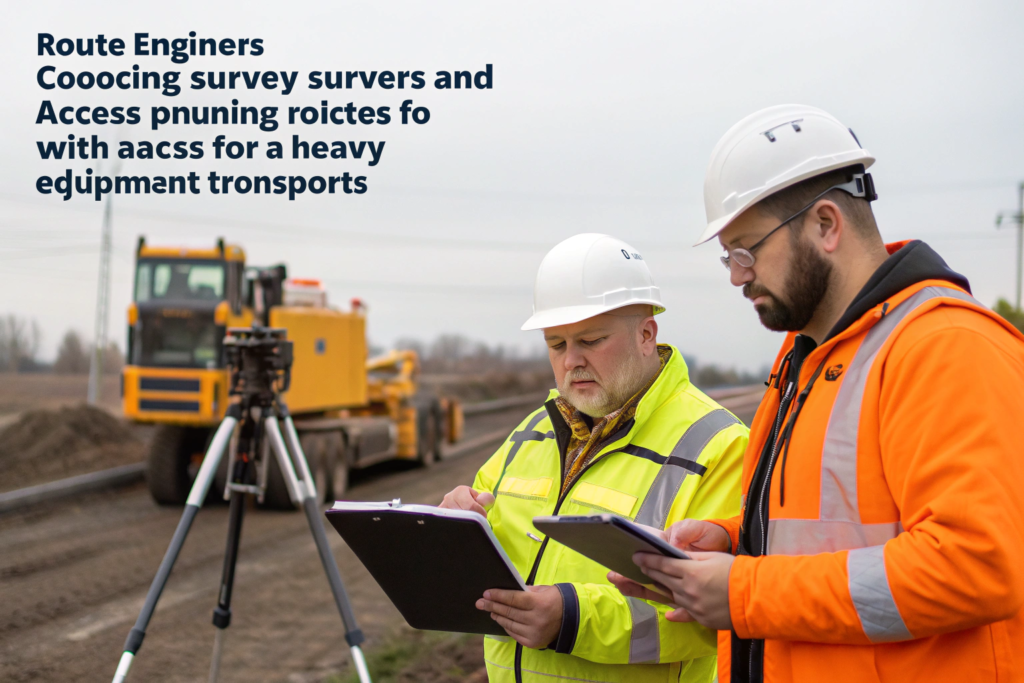
What Route Survey Elements Are Critical?
Comprehensive door-to-door route analysis identifies all constraints. Survey: factory exit routes, road conditions to Chinese port, port access and equipment, vessel loading capabilities, destination port facilities, and final delivery route to site—each segment presents potential obstacles requiring advance planning.
Clearance verification at every transition point. Measure and verify: bridge heights and weight limits, tunnel dimensions, road width constraints, turning radii requirements, and overhead obstruction clearances along the entire route, not just obvious obstacles.
How Can You Address Access and Infrastructure Limitations?
Temporary infrastructure modification sometimes necessary. Plan for: temporary removal of signage or lights, coordination with utility companies to raise or move power lines, placement of temporary crossing plates over drains or weak surfaces, and obtaining necessary permits for road closures or special movements.
Alternative access strategies when primary routes fail. Develop backup access plans using: different ports with better infrastructure, barge transport for coastal sites, or even helicopter transport for extremely remote locations with critical equipment.
What Customs and Regulatory Considerations Are Unique to Heavy Equipment?
Heavy equipment imports face specialized regulatory requirements beyond standard commercial goods.
How Do Temporary Import Bonds Work for Equipment?
Carnet or temporary import procedures for equipment returning to China. If importing equipment for temporary use (exhibitions, construction projects) with planned re-export, arrange ATA Carnets or temporary import bonds to avoid paying full duties, though with strict compliance requirements and time limits.
Duty reduction programs for specific equipment types. Some countries offer reduced or zero duties for certain industrial equipment not manufactured locally, but typically require specific certification and application processes before importation.
What About Safety and Emissions Compliance?
Destination country standards compliance often requires modification. Many countries require equipment modifications to meet local safety standards, emission regulations, or electrical specifications before operation, which might need to occur before customs clearance or require bonded storage for modifications.
Pre-shipment testing and certification prevents clearance delays. Arrange for necessary testing (safety, emissions, electrical) and certification in China before shipment when possible, as performing these at destination often causes significant delays and additional costs.
How Can Insurance and Risk Management Protect Your Investment?
Heavy equipment represents substantial value requiring specialized insurance approaches.
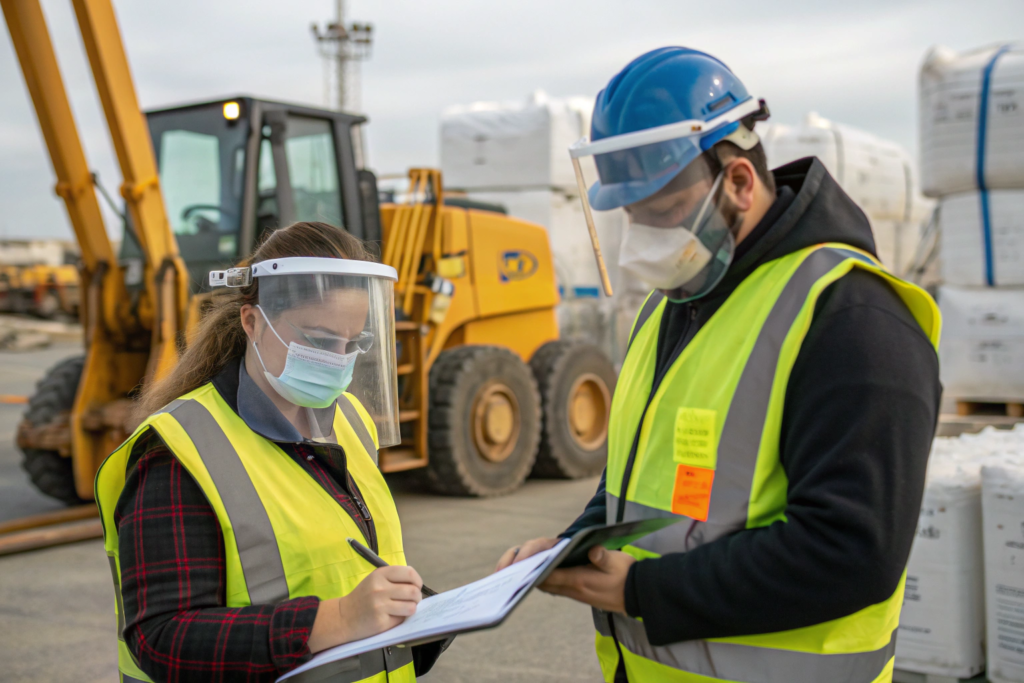
What Insurance Coverage Is Essential?
All-risk marine cargo insurance with specific heavy equipment clauses. Standard cargo insurance often excludes certain risks relevant to heavy equipment; ensure your policy specifically covers: loading/unloading operations, improper stowage, overland transport risks, and reefer breakdown for temperature-sensitive components.
Erection all-risk insurance for assembly and commissioning. Coverage for damage during unloading, assembly, installation, and testing at site is typically separate from marine cargo insurance but crucial for complete protection through commissioning.
How Can Risk Mitigation Strategies Reduce Exposure?
Professional handling requirements in contracts. Specify in contracts with all service providers that only certified personnel using appropriate equipment may handle your machinery, with verification of credentials and equipment before operations commence.
Step-by-step photographic documentation creates evidence chain. Document equipment condition at: factory before crating, after crating, at Chinese port after loading, at destination port before unloading, and at final site after unloading—creating a clear chain of custody and condition evidence.
Conclusion
Importing heavy equipment from China successfully requires treating each shipment as a specialized project requiring detailed planning, expert execution, and comprehensive risk management. The best approach combines careful method selection based on equipment characteristics, meticulous route planning, specialized regulatory compliance, and robust insurance protection, all coordinated by experienced heavy equipment logistics professionals. While more complex and costly than standard imports, proper execution ensures your valuable equipment arrives undamaged, on schedule, and ready for operation.
At GeeseCargo, we've managed heavy equipment imports that typically achieve 95-98% damage-free delivery rates compared to industry averages of 80-85% for complex machinery, while reducing total transit times by 15-25% through optimized planning and execution. Our experience shows that companies investing in professional heavy equipment logistics typically achieve better total cost outcomes despite higher upfront logistics expenses, through avoided damage, reduced downtime, and optimized installation timelines. Remember that heavy equipment logistics expertise is highly specialized—ensuring your logistics partner has specific experience with your equipment type and destination is crucial for successful importation.