Shipping to Amazon FBA warehouses represents a specialized logistics challenge that requires precise coordination with Amazon's complex systems and strict requirements. As a freight forwarder who has managed thousands of FBA shipments from China and other origins, I've developed strategies that minimize costs while maximizing delivery reliability and compliance. The best approach balances Amazon's specific requirements with your operational efficiency and cash flow considerations.
The best strategy for shipping to Amazon FBA warehouses involves inventory planning aligned with sales velocity, proper preparation and labeling, strategic shipment splitting across multiple fulfillment centers, carrier selection optimized for Amazon partnerships, and systematic tracking through Amazon's systems. This comprehensive approach typically reduces storage fees by 30-50%, improves inventory placement efficiency by 40-60%, and minimizes stockouts while controlling transportation costs.
Success with FBA shipping requires understanding Amazon's evolving requirements and building processes that adapt to their systems rather than fighting against them. Let's examine the specific components of an optimized FBA shipping strategy.
How Should You Plan Inventory for FBA Success?
Inventory planning directly impacts storage costs, stockout risks, and Amazon's perception of your supply chain reliability.

What Inventory Level Strategy Minimizes Costs?
90-day sales velocity alignment prevents long-term storage fees. Amazon charges escalating fees for inventory stored beyond specific thresholds (180+ days, 365+ days). Planning shipments to maintain 60-90 days of inventory typically optimizes storage costs while preventing stockouts.
Seasonal buffer strategies for predictable demand spikes. For products with known seasonal patterns, strategically time shipments to arrive 2-4 weeks before peak periods, then reduce inbound flow during slower periods to avoid excessive storage fees.
How Does Amazon's Inventory Performance Index Affect Strategy?
IPI score optimization through inventory health. Amazon's Inventory Performance Index (scored 0-1000) affects storage limits and costs. Maintain IPI above 450+ by reducing stranded inventory, improving sell-through rates, and maintaining appropriate stock levels relative to sales.
Excess inventory identification and removal. Regularly review Amazon's excess inventory reports and create removal orders for slow-moving items before they incur long-term storage fees or damage your IPI score.
What Preparation and Labeling Requirements Are Critical?
Amazon's preparation requirements are non-negotiable, with errors leading to delays, additional fees, or refusal of inventory.
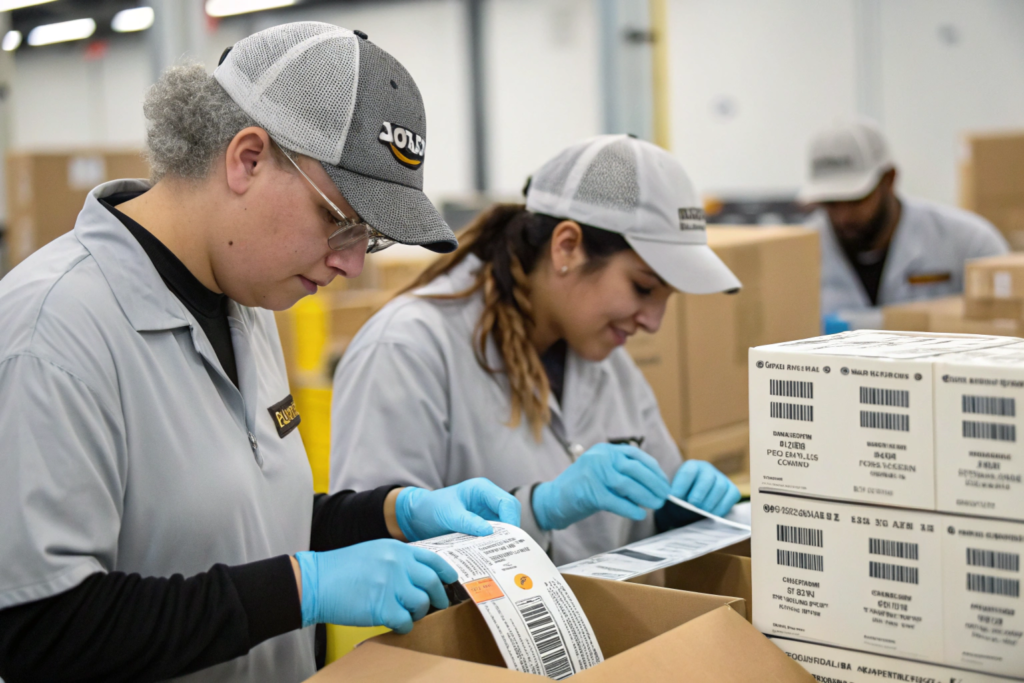
How Should You Handle Amazon's Barcoding Requirements?
Manufacturer barcode versus Amazon barcode decisions. Evaluate whether your products qualify for using manufacturer barcodes (requires GTIN and brand registry) or need Amazon FNSKU labels. Proper barcode selection affects receiving speed and potential commingling risks.
Label placement and quality standards. Amazon requires specific label placement (typically on top right of packaging) with minimum size, contrast, and scannability standards. Invest in quality label printers and verification scanners to prevent receiving delays.
What About Packaging and Preparation Specifications?
Poly bag requirements for certain products. Items with multiple parts, loose components, or potential to tangle require poly bagging with suffocation warnings and scannable barcodes placed correctly.
Case-packed versus individual preparation. Determine whether to send products as case packs (identical units in master cartons) or individually based on your sales patterns and Amazon's current preferences, which affect receiving speed and storage allocation.
How Should You Approach Shipment Splitting and Routing?
Amazon's distributed inventory model requires strategic shipment routing to balance transportation costs with fulfillment efficiency.
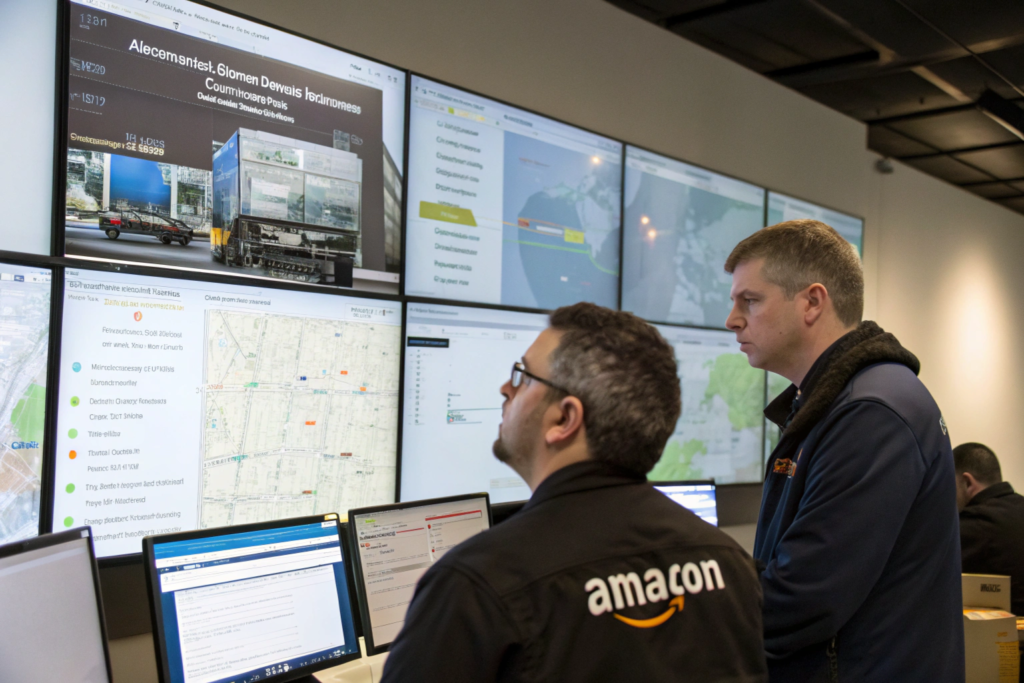
What Is Amazon's Inventory Placement Service Strategy?
Amazon's recommended split versus inventory placement service. When creating shipments, Amazon may recommend sending inventory to multiple fulfillment centers. Evaluate whether to accept their split (often increasing transportation costs but potentially improving delivery speed) or pay for Inventory Placement Service to send everything to one center.
Cost-benefit analysis of placement options. Calculate whether the additional transportation costs of distributed shipping are offset by potential savings in Amazon's fulfillment fees for being closer to customers, considering your average order size and customer geography.
How Can You Optimize Carrier Selection for FBA?
Partnered Carrier Program advantages and considerations. Amazon's partnered carriers (often UPS or others) offer discounted rates but may have specific requirements. Compare these rates against your own carrier agreements, considering both cost and reliability factors.
Small Parcel versus LTL decisions based on shipment size. For larger shipments, evaluate whether Less Than Truckload (LTL) to Amazon's consolidation centers or direct small parcel shipping to fulfillment centers provides better total cost including handling and potential delays.
What Tracking and Reconciliation Processes Prevent Issues?
Systematic tracking and reconciliation prevent lost shipments and inventory discrepancies that can tie up capital and disrupt sales.

How Should You Monitor Shipments Through Amazon's Systems?
Shipment status monitoring in Seller Central. Regularly check shipment status from "Working" through "Shipped," "Received," and "Closed" stages, intervening quickly if shipments stall at any point.
PRO number and tracking integration with carriers. Ensure proper PRO numbers are provided to Amazon and that carrier tracking integrates with Amazon's systems to provide visibility throughout transit.
What Reconciliation Processes Prevent Inventory Issues?
Receiving discrepancy management protocols. When Amazon reports receiving different quantities than shipped, immediately initiate investigations with carriers and provide documentation to Amazon to resolve discrepancies before they affect your inventory availability.
Regular inventory reconciliation between systems. Monthly reconciliation between your inventory management system and Amazon's reported inventory helps identify shrinkage, misplacements, or system errors that need correction.
How Should You Manage Returns and Removals?
Returns and removal orders affect both costs and operational efficiency in FBA shipping.

What Strategies Minimize Return-Related Costs?
Automated removal order settings for unfulfillable inventory. Configure automatic removal orders for inventory that becomes unfulfillable (damaged, expired, etc.) to recover value and avoid ongoing storage fees on unusable inventory.
Return to sender versus disposal decisions. Evaluate whether to have returns sent back to you (for inspection and potential resale) or disposed of by Amazon based on product value, inspection costs, and potential for refurbishment.
How Can You Optimize Removal Order Timing?
Strategic removal timing before fee assessments. Schedule removal orders for slow-moving inventory before long-term storage fee assessment dates (typically the 15th of each month) to avoid fees while still potentially recovering inventory value.
Bulk removal coordination for cost efficiency. When possible, coordinate multiple removal requests into larger shipments to reduce per-unit removal and shipping costs.
What Technology and Integration Supports FBA Excellence?
Proper technology integration transforms FBA shipping from a manual challenge to a streamlined process.

What Integration Approaches Work Best?
API integration between your systems and Amazon. Direct API connections between your inventory management, order processing, and Amazon Seller Central enable real-time synchronization that prevents overselling and automates shipping workflows.
Third-party FBA management platforms evaluation. Solutions like Sellbrite, SellerActive, or other specialized FBA tools can streamline processes, but evaluate their costs against the manual effort they replace and ensure they integrate with your existing systems.
How Can Analytics Improve FBA Performance?
Performance metric tracking for continuous improvement. Monitor key metrics including inbound defect rate, receive cycle time, storage utilization, and fulfillment costs to identify improvement opportunities in your FBA shipping processes.
Cost analysis tools for decision support. Implement tools that calculate total FBA costs (including storage, fulfillment, and removal costs) by SKU to inform pricing, product selection, and inventory management decisions.
Conclusion
The best strategy for shipping to Amazon FBA warehouses combines meticulous preparation with strategic planning, systematic tracking, and continuous optimization based on performance data. Success requires viewing FBA shipping not as a standalone logistics function but as an integrated component of your overall Amazon sales strategy, with each element optimized to work within Amazon's systems and requirements. This comprehensive approach typically transforms FBA from a cost center to a competitive advantage.
At GeeseCargo, we've helped clients implement FBA shipping strategies that typically reduce total FBA costs by 25-40% while improving in-stock rates from 85% to 98%+ through better inventory planning and shipping coordination. Our experience shows that companies treating FBA shipping as a strategic capability rather than an operational task typically achieve better profitability and sustainable growth on Amazon's platform. Remember that Amazon's requirements evolve continuously—maintaining FBA excellence requires ongoing adaptation to policy changes, fee adjustments, and new program opportunities.