You watch the news. Another incident near the Suez Canal. Your first thought isn’t about geopolitics. It’s about your next freight invoice. You’ve been through this cycle before. Canal trouble means ships divert. Diversions mean higher costs. Higher costs mean your margin shrinks before the goods even leave China. You feel trapped. You can’t control the canal, but you have to pay the price for its dysfunction.
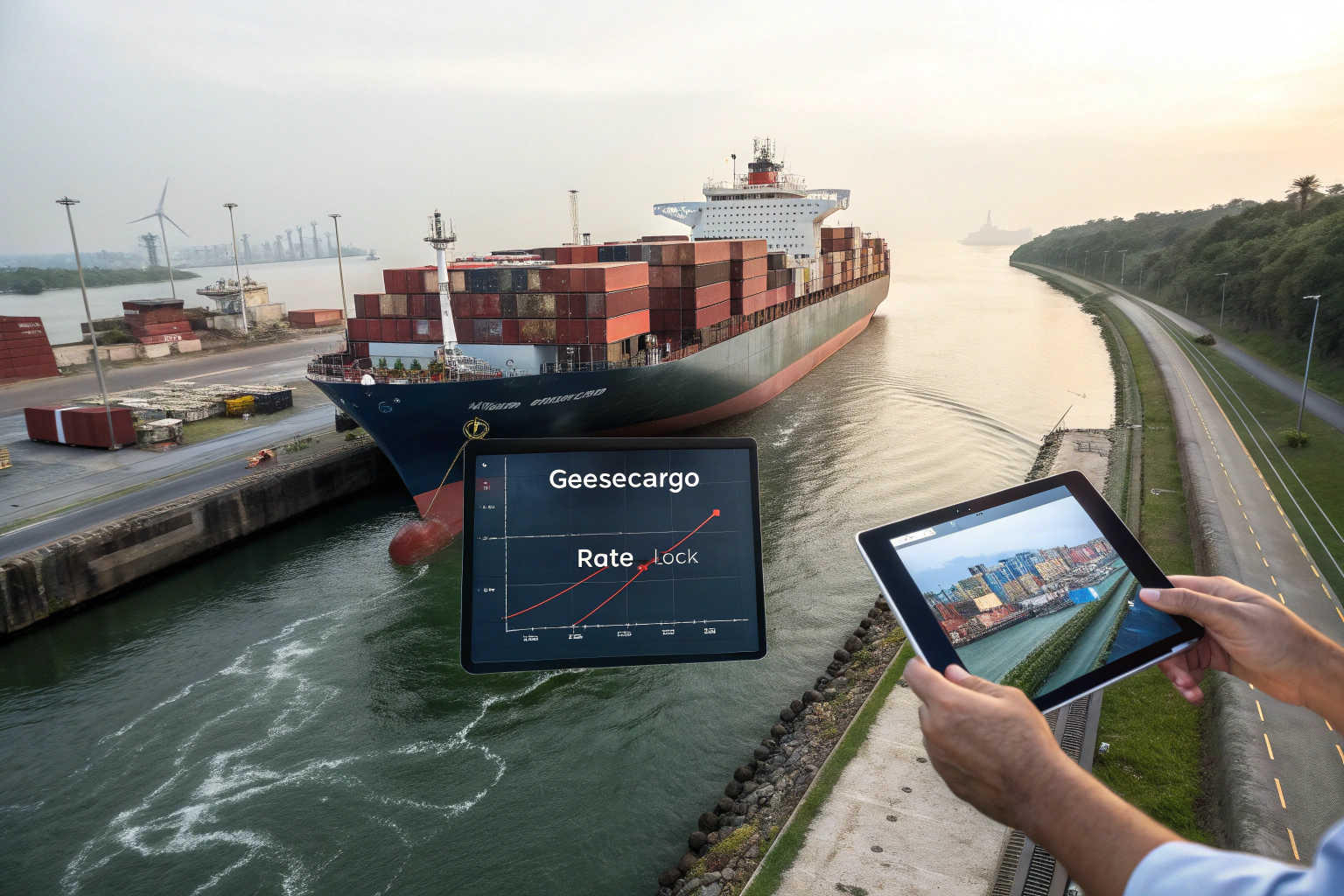
The Suez Canal situation exerts upward pressure on global freight rates by reducing effective vessel capacity and triggering industry-wide surcharges. However, GeeseCargo’s rates remain stable because we secure Transpacific capacity under long-term contracts and operate a multimodal network that bypasses the disrupted Europe-Asia route entirely. We don’t let a crisis in Egypt dictate your costs in China.
You shouldn’t be punished for a problem half a world away. I established GeeseCargo with a simple principle. My clients pay for the service they use, not for industry panic. The Suez Canal matters to global trade, but it doesn’t have to matter to your bottom line. Let me explain exactly how the canal chaos ripples through the shipping world and how I stop those ripples from reaching your wallet.
Why Does a Blocked Suez Canal Still Increase Transpacific Shipping Costs?
It feels absurd. You ship from Ningbo to Los Angeles. The Suez Canal is in Egypt. The two shouldn’t connect. But in container shipping, everything connects. The global fleet is a single, finite resource. When the canal is blocked or dangerous, ships must sail around Africa. That diversion absorbs vessels. Those vessels are no longer available anywhere else on the planet. The Pacific loses backup capacity. Spot rates surge.
We isolate your Transpacific rates from Suez-driven inflation by operating dedicated capacity agreements with carrier alliances on the China-US lane. The ships we book for you aren’t being pulled away to cover the Africa diversion. Their schedule and their pricing were locked in months before the crisis.
I negotiate your freight contracts like I’m buying a fixed seat on an airplane, not a standby ticket. When the global market panics and spot rates double, your container still sails at the agreed price. The spot market chaos is for traders who gamble. Your business isn’t a gamble. It’s a carefully planned operation that deserves stable, predictable logistics costs.
How Does "Cascading Capacity" Drain Vessels from the Pacific Trade Lane?
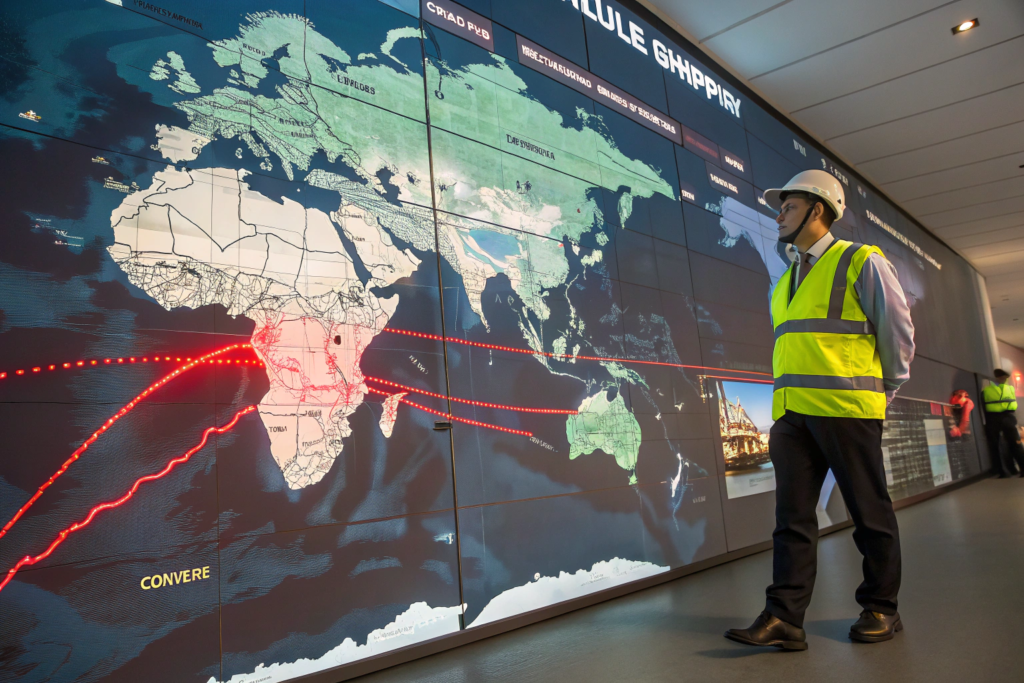
Shipping lines operate networks, not single routes. When the Suez disruption forces them to add ships to the Asia-Europe loop, they pull those ships from somewhere else. Often, they pull them from the Transpacific. This is called cascading.
A vessel that should be carrying your goods from Shanghai to Long Beach is suddenly steaming toward Rotterdam via the Cape. The Pacific loses supply. Remaining capacity gets expensive fast. We track carrier fleet deployment weekly. We know if a ship transfer threatens your allocation, and we lock in alternative tonnage before the gap appears. This active fleet monitoring is how we protect your ocean freight budget from cascading decisions made in European boardrooms.
Why Do Spot Market Reactions Inflate Prices Even on Unaffected Routes?
The freight spot market is emotional. A canal blockage triggers fear. Fear triggers speculative buying. Shippers who normally book contract space rush to the spot market, desperate to secure any available box. This demand spike, on routes completely unaffected by the canal, drives prices up.
It’s irrational but real. We shield you from this irrationality. Because you book with us under structured agreements, you don’t participate in the panic. You don’t compete with desperate spot buyers. Your rate is already in the system. Your box is already allocated. The market hysteria passes you by entirely. Reliable freight forwarder partnerships are the only antidote to spot market fever.
How Does the Cape of Good Hope Diversion Alter Global Container Availability?
When ships go around Africa instead of through Suez, a round trip takes 14 extra days. That doesn’t just delay the cargo on that ship. It delays the return of empty containers to China. The boxes get stuck in a longer loop. Factories in Shenzhen and Shanghai face a container famine. You have goods ready to load but no steel box to load them into.
We counter the container availability crisis triggered by the Cape diversion by pre-pulling empty containers weeks in advance and staging them at secure yards near your factories. When the global loop slows down, we already have your equipment in hand.
I don’t wait for the depot to tell me boxes are running low. I track the vessel rotations myself. If I see three ships diverting around the Cape, I know that in six weeks, Ningbo will be short on 40-foot high-cubes. So I act in week one. I dispatch our team to pull empties immediately, while they’re still available. This forward planning is why our clients loaded cargo during the last crisis when their competitors were staring at empty depot yards.
Why Does an Extended Voyage Create a Global Equipment Imbalance?
A container is a physical asset. It can only be in one place at one time. When the voyage length increases, the "turn" time increases. Each container completes fewer trips per year. The global pool effectively shrinks.
China, as the world’s exporter, needs a constant inflow of empty containers. The Cape diversion disrupts that inflow. The equipment piles up in Europe and the US East Coast instead of returning to Asia. This imbalance causes acute shortages at Chinese load ports. We mitigate this by using our logistics network to source containers from inland depots and less congested secondary ports, bypassing the coastal scramble.
Can Shipper-Owned Containers (SOCs) Bypass the Empty Equipment Bottleneck?
When the carrier says "no empty containers available," they mean no carrier-owned containers. But shipper-owned containers exist outside that system. They are boxes owned by leasing companies or forwarders.
We maintain a dedicated SOC fleet for our contract clients. During a Suez-induced equipment crunch, we don’t queue at the carrier depot. We dispatch our own box to your factory. The vessel loading is smoother because the carrier doesn’t need to provide equipment. This independence from carrier equipment pools is a strategic advantage that keeps your supply chain moving when the global system stalls.
How Can Multimodal Transport Circumvent the Suez Bottleneck Altogether?
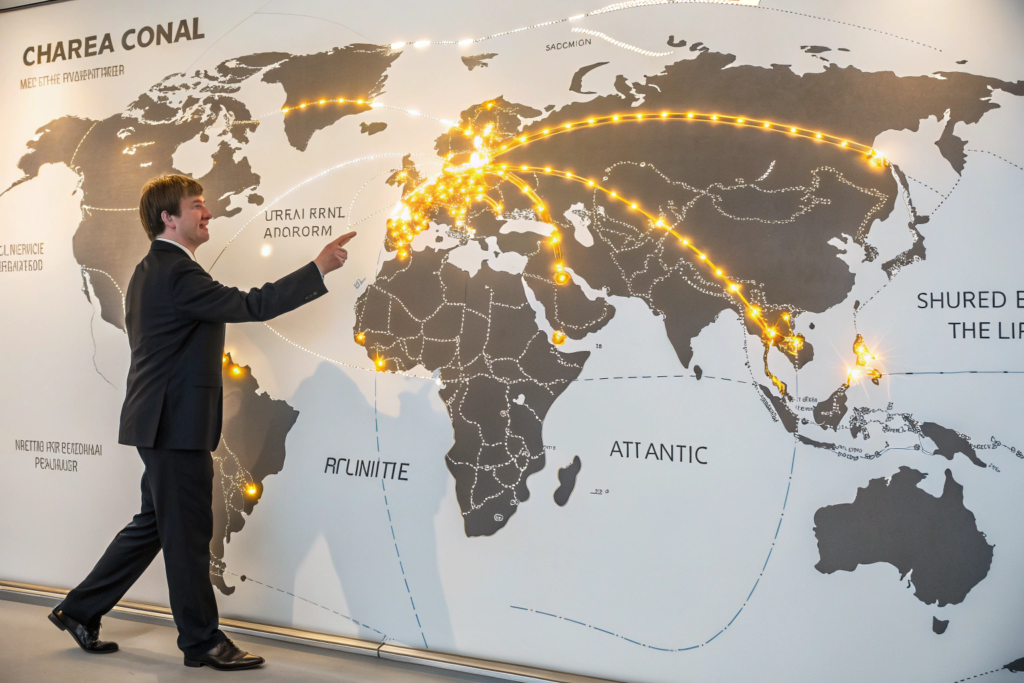
If the ocean path is broken, use a different path. The world is connected by more than water. Rail networks cross Eurasia. Air bridges cross the Atlantic. The Suez Canal is only essential if you limit your thinking to the traditional Asia-Europe ocean route. We don’t limit our thinking.
We offer multimodal alternatives that completely bypass the Suez disruption. The China-Europe rail link, combined with a transatlantic ocean leg or direct air freight, delivers your cargo without touching the troubled canal zone or the congested Cape route.
I recently moved a client’s giftware shipment from Xi’an to New York using rail and express sea freight. The rail leg took 12 days to a European hub. The transatlantic sea leg took 8 days. Total transit was 20 days, comparable to a direct ocean routing, but with zero exposure to Suez-related delays or surcharges. The cost was slightly higher than standard ocean but far cheaper than air. That’s the power of creative routing.
How Does the China-Europe Rail Link Provide a Stable Alternative Corridor?
The rail from China to Europe is a mature, reliable service. Departures are scheduled like trains, not ships. They don’t get diverted. They don’t wait for canals. They run on tracks.
For US East Coast delivery, this rail link becomes a powerful tool. We ship your cargo by rail freight to a European consolidation hub. Then we load it onto a fast transatlantic vessel. The total transit is predictable and competitive. You avoid the Pacific congestion and the Suez uncertainty simultaneously. This route requires complex coordination, but our teams in China and Europe manage the handshakes seamlessly.
Is Air Freight a Cost-Effective Suez Bypass for High-Value Commodities?
For premium clothing, trending accessories, or limited-edition gifts, air freight isn’t an emergency escape. It’s a strategic Suez bypass. When the canal crisis inflates ocean rates and adds weeks to transit, the gap between ocean and air narrows.
If your product has a high margin and short selling window, flying it makes mathematical sense. You avoid the working capital drag of goods sitting at sea. You capture the market while the trend is hot. We run the total landed cost comparison for you. Often, air freight is the smarter financial choice when ocean reliability collapses.
How Do GeeseCargo’s DDP Fixed Rates Shield You from Canal Surcharges?
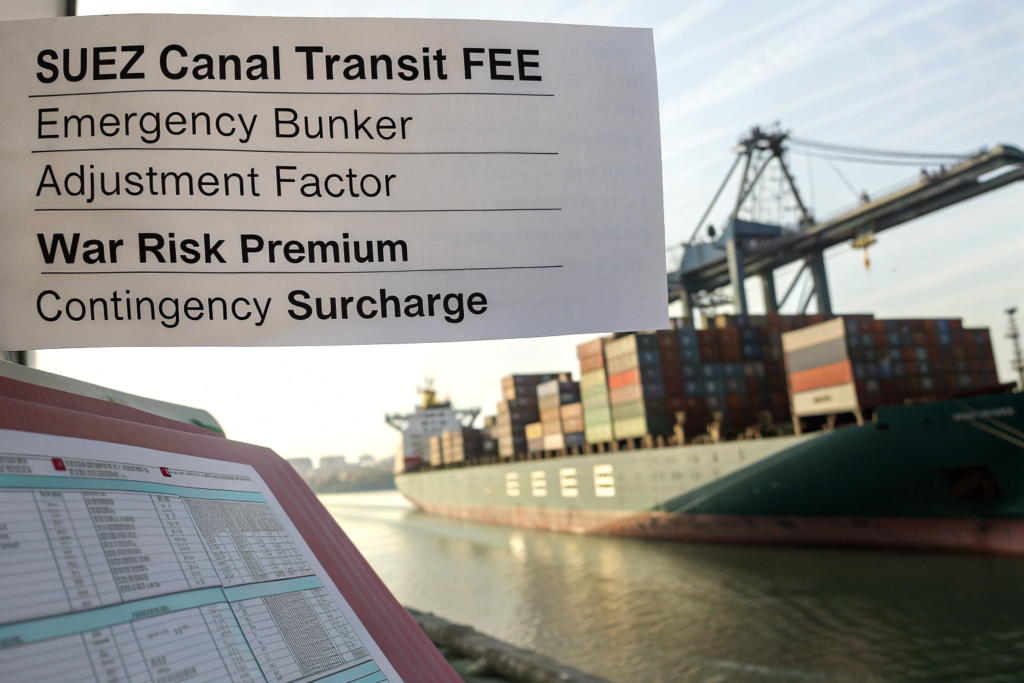
When the canal is disrupted, carriers invent surcharges. Suez Canal Transit Fee. Emergency Bunker Adjustment Factor. War Risk Premium. Contingency Surcharge. The names change. The effect doesn’t. Your invoice grows. If you’re the importer of record buying under FOB terms, you pay these surprise bills without recourse.
Our DDP fixed-rate service absorbs all canal-related surcharges. We quote an all-inclusive price before the crisis and we honor it through the crisis. If a carrier adds a $500 "canal disruption surcharge," we pay it, not you. Your unit cost doesn’t move.
This is the financial fortress I build for my clients. One apparel importer I work with was terrified during the last major canal disruption. He saw his competitors’ freight bills spike 40%. His bill didn’t change. We had agreed on a DDP rate six months earlier. We absorbed the volatility within our risk management model. He used the stability to win retail contracts from panicked competitors who had to raise prices mid-season.
How Does a Fixed Landed Cost Model Neutralize Trade Route Volatility?
Trade route volatility is a constant. Canals get blocked. Ports strike. Fuel prices spike. A fixed landed cost model, delivered through DDP, transforms these global variables into a single predictable number.
You know the exact cost per unit delivered to your warehouse. You build your retail pricing on that certainty. You sign contracts confidently. You forecast profits accurately. We take on the responsibility of managing the route volatility because that’s our core competency. Your core competency is product and brand. We each do what we’re best at.
Can Transferring the Importer of Record Role Eliminate Surcharge Disputes?
When you are the Importer of Record, you fight surcharge disputes directly with carriers or customs. You argue about a $300 fee while running a million-dollar brand. It’s a drain on your time and energy.
Under our DDP service, we are the Importer of Record. We receive the surcharge invoices. We negotiate them. We pay them. You never see the dispute. You never spend a minute arguing with a carrier’s billing department. This administrative burden shift is often as valuable as the financial protection itself. You get your time back.
Conclusion
The Suez Canal situation is a permanent feature of the global logistics landscape, not a temporary blip. We’ve explored how a blockage in Egypt drains vessel capacity from the Pacific, how the Cape of Good Hope diversion starves Chinese ports of empty containers, and how spot market panic inflates costs on routes that never touch the troubled waterway. You’ve seen that the global shipping network is so interconnected that no route is truly isolated from a major chokepoint disruption.
But you’ve also seen the shields we’ve built. Long-term capacity contracts that lock your Transpacific rates before the crisis. Pre-pulled empty containers that bypass the equipment famine. Multimodal escape routes that use rail and air to sidestep the ocean chaos entirely. And a DDP fixed-rate financial structure that transfers the surcharge risk from your balance sheet to ours.
I built GeeseCargo to be a logistics partner, not just a vendor. A vendor passes costs along. A partner absorbs them and protects you. The Suez Canal will continue to make headlines. Your freight costs don’t have to follow the same dramatic script. Let’s lock in your rates, secure your container allocation, and build a supply chain that treats the canal as background noise, not a budget crisis. Contact us through our website today. Let’s make sure your next shipment sails on your terms, not the canal’s.