
The term "Free Domicile" represents one of the most misunderstood yet critically important concepts in international shipping, particularly for companies expanding into European markets or managing complex multinational supply chains. As a freight forwarder who has negotiated countless Free Domicile arrangements, I've seen how proper understanding and implementation of this term can create significant competitive advantages while misunderstandings lead to unexpected costs and service failures.
Free Domicile means the seller or shipper bears all costs and responsibilities for delivering goods directly to the buyer's specified location, including transportation, duties, taxes, and customs clearance, with the buyer assuming responsibility only once goods are physically available at their premises. This represents the maximum possible seller responsibility in international trade, essentially creating a "hassle-free" delivery experience for the buyer while concentrating all logistical complexity and risk with the seller or their logistics provider.
Understanding the full implications of Free Domicile arrangements is crucial for both buyers seeking seamless delivery experiences and sellers managing cost structures and service offerings. Let's examine the specific components and considerations of this comprehensive delivery term.
What Specific Responsibilities Does Free Domicile Include?
Free Domicile represents the most extensive seller responsibility in international logistics, covering numerous cost and risk components.

How Extensive is the Cost Coverage?
Complete door-to-door transportation costs from origin to final destination. This includes origin handling, international freight (ocean or air), destination port charges, inland transportation, and final delivery to the specified address, with no additional charges to the buyer.
All duties, taxes, and customs-related expenses are included in the price. The seller pays import duties, value-added taxes (VAT), customs brokerage fees, and any other government-imposed charges, simplifying the buyer's accounting and cash flow.
What Risk and Responsibility Transfers Occur?
Full cargo risk until final delivery completion. The seller bears all risk of loss or damage throughout the entire transportation chain, requiring comprehensive insurance coverage and careful carrier selection to manage this extended risk exposure.
Complete administrative responsibility for customs and regulatory compliance. The seller handles all import documentation, customs clearance, regulatory compliance, and any necessary permits or certifications required for the destination market.
How Does Free Domicile Compare to Other Incoterms?
Understanding how Free Domicile differs from more common Incoterms clarifies its unique value proposition and risk profile.
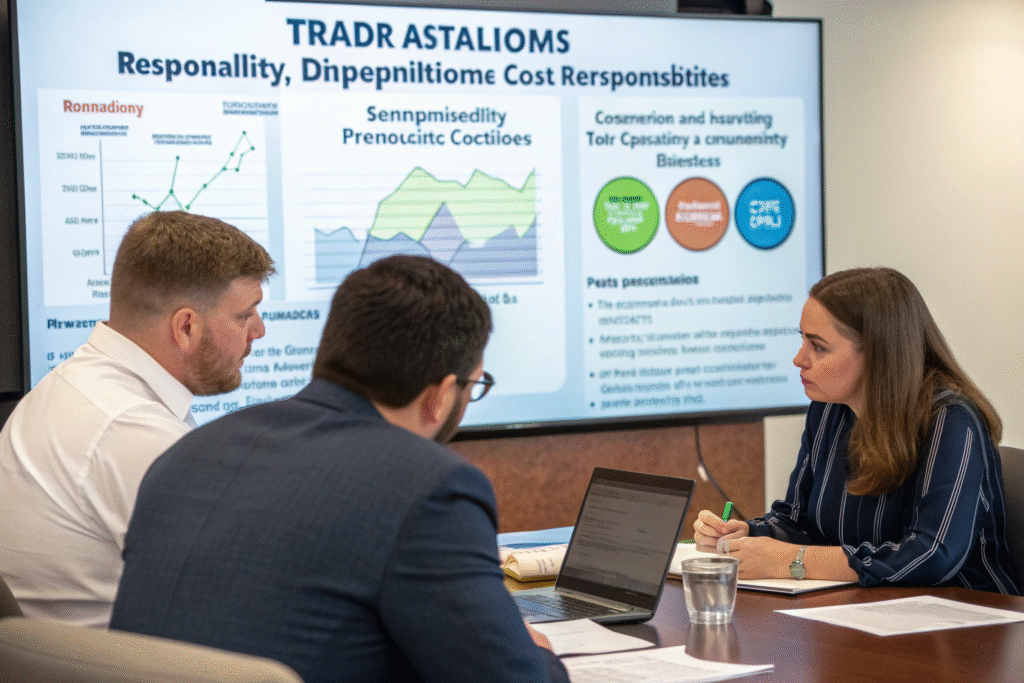
How Does It Differ from DDP (Delivered Duty Paid)?
Similar but broader coverage than standard DDP arrangements. While DDP covers delivery to the buyer's location with duties paid, Free Domicile often implies additional service levels, potentially including unpacking, installation, or other value-added services beyond basic delivery.
Heightened customer service expectations typically accompany Free Domicile. The term often implies premium service standards, including proactive communication, flexible delivery scheduling, and comprehensive problem resolution beyond the minimum requirements of DDP.
What distinguishes it from CIF or CIP Terms?
Significantly extended responsibility beyond port arrival. While CIF and CIP cover costs to the destination port, Free Domicile extends responsibility through final delivery, including all inland transportation, customs clearance, and destination handling.
Complete cost predictability for the buyer. Unlike CIF or CIP where buyers face unpredictable destination charges, Free Domicile provides a single, all-inclusive price with no surprise charges upon arrival.
What Are the Benefits for Buyers and Sellers?
Both parties derive significant advantages from Free Domicile arrangements, though these benefits differ substantially between buyers and sellers.

What Advantages Do Buyers Experience?
Complete cost predictability and simplification enhances budgeting accuracy. Buyers know the total landed cost upfront, eliminating unexpected charges and simplifying financial planning and accounting processes.
Reduced administrative burden allows focus on core business activities. By transferring all logistics complexity to the seller, buyers can reallocate resources from logistics management to more strategic activities.
What Benefits Can Sellers Realize?
Competitive differentiation and premium positioning in the marketplace. Offering Free Domicile service can distinguish sellers from competitors and justify premium pricing through enhanced customer convenience.
Supply chain control and customer loyalty development. By managing the entire delivery process, sellers ensure positive customer experiences and build stronger, more durable relationships that reduce customer churn.
What Risks and Challenges Should You Consider?
While offering significant benefits, Free Domicile arrangements also introduce substantial risks that require careful management.
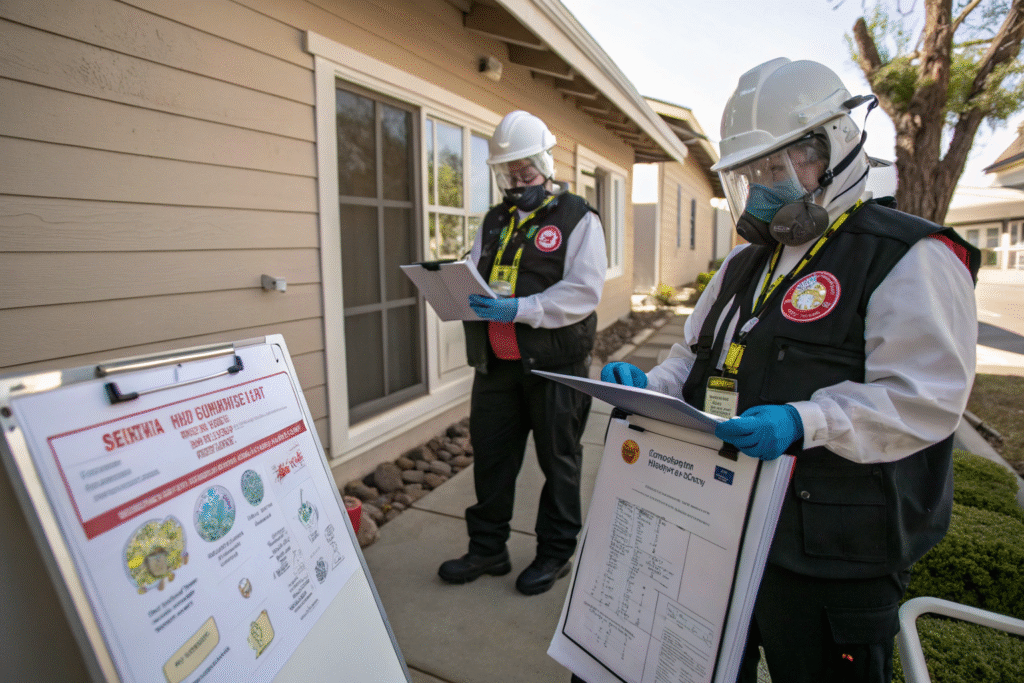
What Cost Management Challenges Exist?
Unpredictable destination charges can erode profit margins. Variable costs like destination port fees, terminal handling charges, and unpredictable customs delays can create cost overruns if not properly anticipated in pricing.
Currency and duty rate fluctuations introduce financial risk. Changes in exchange rates or tariff classifications between order placement and delivery can significantly impact the total cost borne by the seller.
What Operational Risks Emerge?
Extended liability period increases cargo risk exposure. With responsibility extending through final delivery, sellers face increased exposure to damage, theft, or delays throughout the extended supply chain.
Regulatory compliance complexity across multiple jurisdictions. Sellers must maintain expertise in import regulations, documentation requirements, and compliance standards for all destination markets they serve.
How Should You Implement Free Domicile Arrangements?
Successful Free Domicile implementation requires careful planning, precise contracting, and robust operational execution.

What Contractual Elements Are Essential?
Precisely defined delivery location specifications prevent misunderstandings. Contracts must explicitly define what constitutes delivery completion, including specific delivery points, time windows, and acceptance criteria.
Comprehensive cost inclusions and exclusions prevent disputes. Clearly specify which costs are included and, equally importantly, which rare or unexpected charges might be excluded or subject to additional billing.
What Operational Capabilities Are Required?
Robust logistics partner management ensures reliable execution. Successful Free Domicile requires carefully selected and managed carriers, customs brokers, and destination agents capable of delivering the promised service standards.
Advanced visibility and communication systems maintain control. Comprehensive tracking, proactive notification, and issue resolution capabilities are essential for managing the extended supply chain and maintaining customer satisfaction.
Conclusion
Free Domicile represents the most comprehensive delivery term in international trade, offering buyers complete convenience and cost predictability while providing sellers opportunities for competitive differentiation and customer relationship strengthening. However, this arrangement also concentrates significant cost, risk, and operational complexity with the seller, requiring sophisticated logistics capabilities, careful risk management, and precise cost calculation to implement profitably.
At GeeseCargo, we've helped numerous clients implement successful Free Domicile programs that typically increase customer satisfaction scores by 25-40% while improving customer retention by 15-30%. Our experience shows that sellers who master Free Domicile delivery can often command 8-15% price premiums while simultaneously reducing customer acquisition costs through enhanced competitive positioning. Remember that Free Domicile success requires treating comprehensive delivery not as a cost center but as a strategic capability that drives customer loyalty and sustainable competitive advantage.