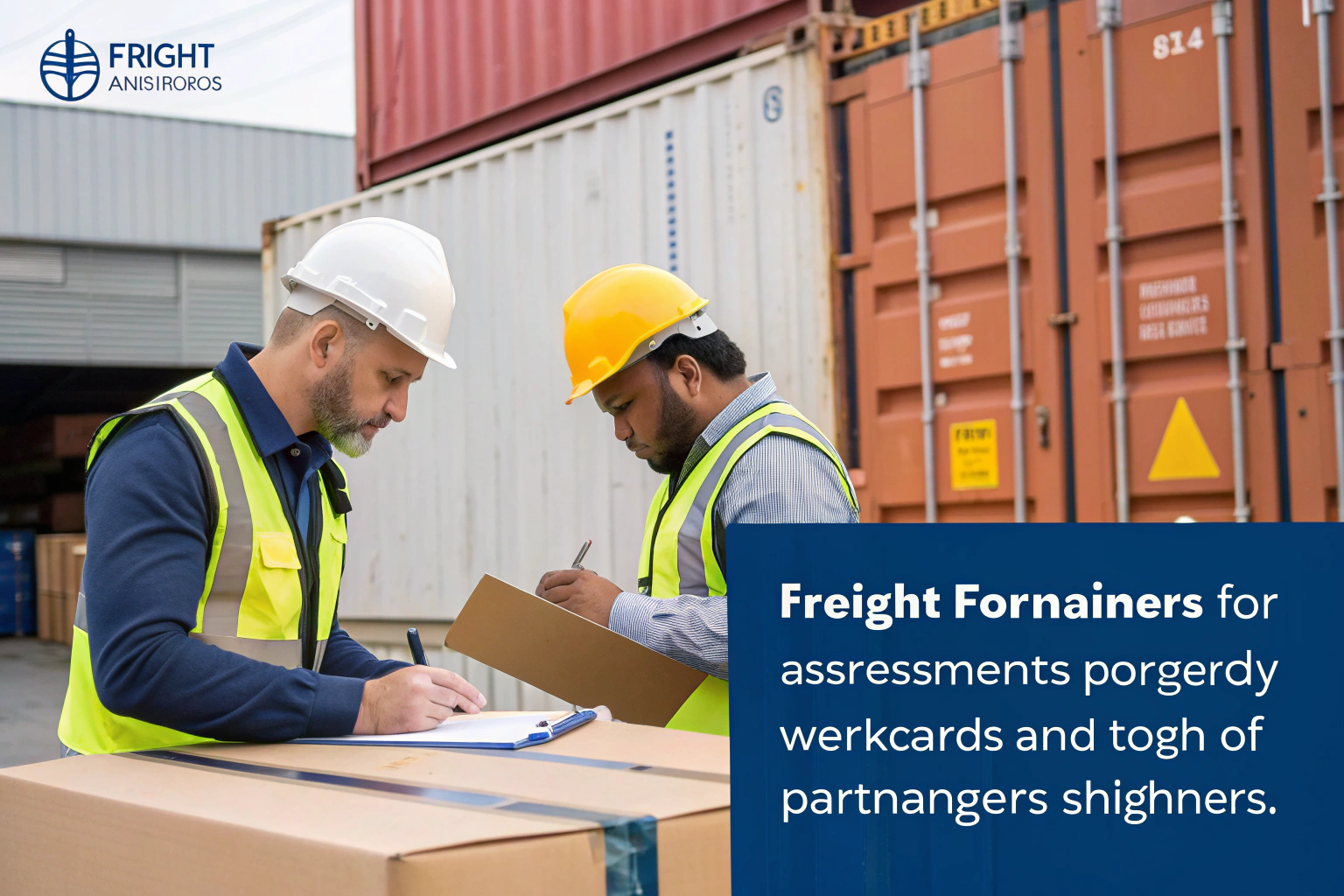
One of the biggest concerns importers have is shipment security. Cargo theft, tampering, and loss during transit can cause massive financial damage and break trust with customers. I often hear business owners ask me: How do freight forwarders make sure my goods stay safe from origin to destination?
Freight forwarders protect shipments through risk assessments, secure packaging, strict documentation control, insurance, and partnerships with trusted carriers. With these measures, forwarders give importers confidence that their cargo is safe.
Here’s how freight forwarders ensure security at every step of the logistics chain.
How Do Forwarders Protect Cargo at Ports and Terminals?
Ports and terminals are high-risk areas for theft and tampering.
Forwarders use container seals, cargo inspections, and surveillance to reduce risks at handover points.
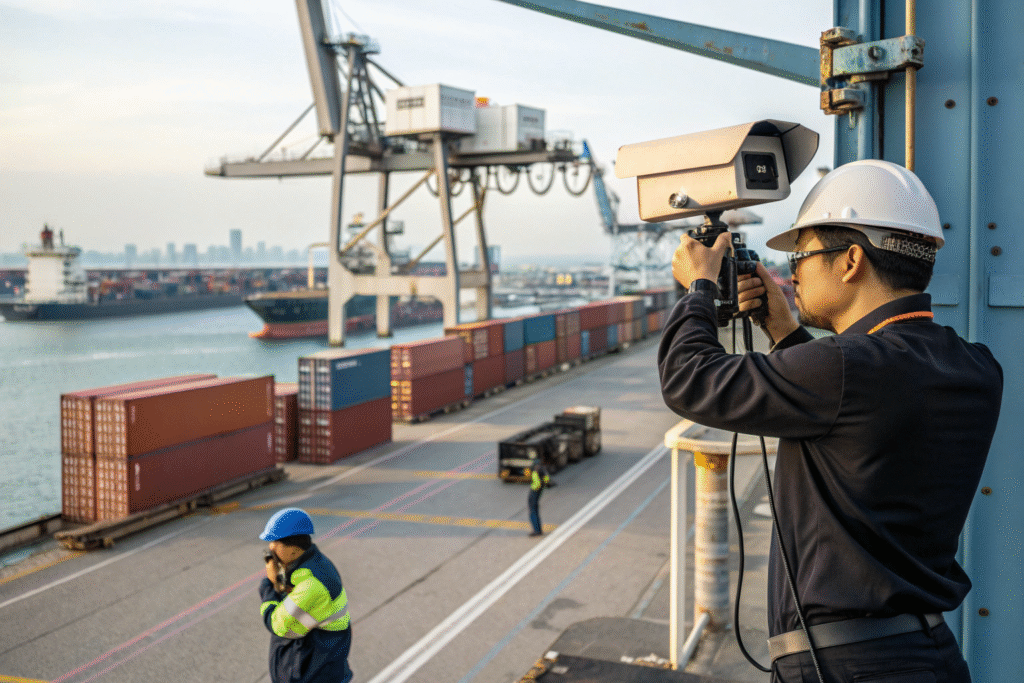
What Security Measures Are Standard at Ports?
According to International Maritime Organization, ports follow the ISPS Code requiring access control, surveillance, and cargo verification. Forwarders make sure shipments comply with these global standards.
Do Forwarders Inspect Containers Before Loading?
Yes. According to Maersk, container inspections and seal checks are essential to prevent tampering. Forwarders verify this process for their clients.
How Do Forwarders Ensure Security During Transit?
Transit is when cargo faces the most risks.
Forwarders partner with trusted carriers, monitor shipments in real-time, and ensure goods travel under secure conditions.
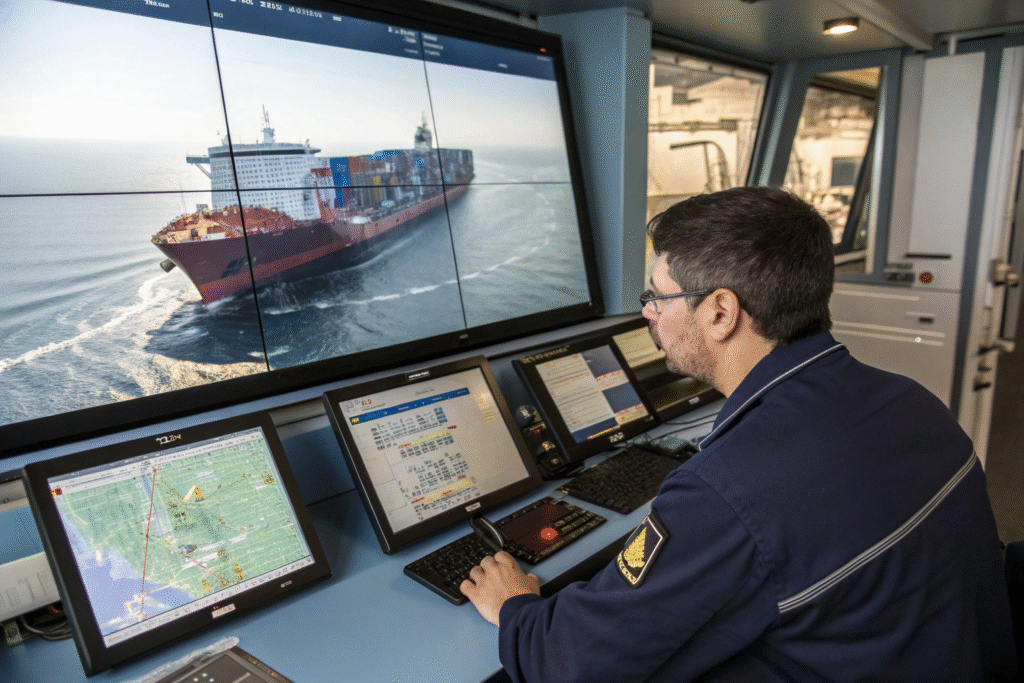
Do Forwarders Use GPS Tracking?
Yes. According to MarineTraffic, vessel tracking systems give importers visibility and security assurance during ocean freight.
How Do Forwarders Reduce Theft During Road Transit?
By working with vetted trucking companies and secure rest-stop policies. According to TT Club, forwarders lower theft risks by enforcing strict driver and route security.
How Do Forwarders Protect Documentation and Compliance?
Documentation errors can lead to fraud, delays, or even lost cargo.
Forwarders manage bills of lading, invoices, and customs declarations securely to prevent unauthorized access or errors.
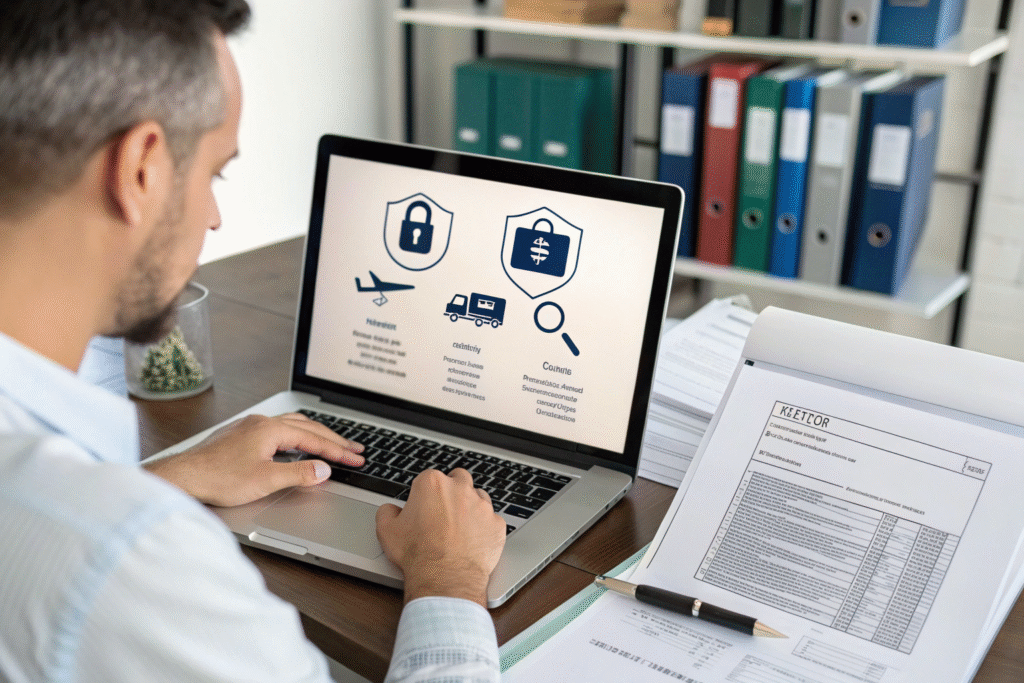
Why Is Documentation Security Important?
According to U.S. Customs and Border Protection, incomplete or altered documents are a leading cause of shipment delays and fines. Secure document management prevents these issues.
Do Forwarders Use Digital Security for Documents?
Yes. Platforms like Flexport use encryption and cloud storage to protect sensitive shipping documents from tampering.
How Do Forwarders Provide Insurance and Risk Coverage?
Even with strong security, risks remain.
Forwarders offer cargo insurance to cover theft, damage, or loss, giving importers financial protection.
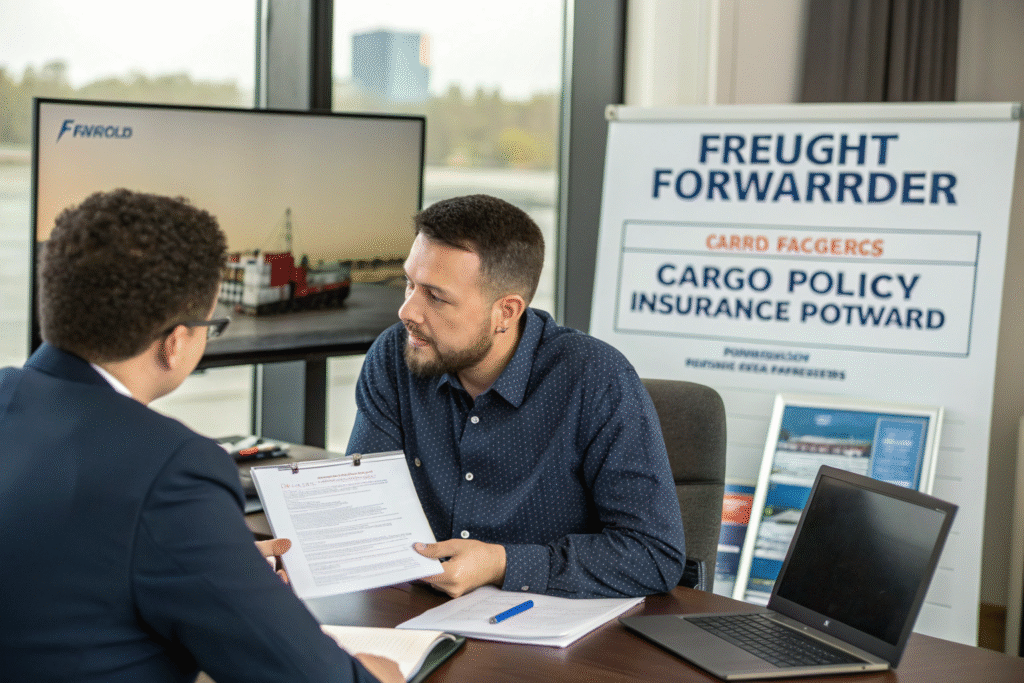
Do Forwarders Arrange Cargo Insurance Directly?
Yes. According to Allianz Trade, forwarders help clients choose the right insurance coverage for their shipments.
How Does Insurance Increase Peace of Mind?
With insurance, importers don’t bear the full financial loss from accidents. According to TT Club, cargo insurance is one of the most important safety nets in global trade.
Conclusion
Shipment security is one of the biggest responsibilities freight forwarders take on. From port inspections and GPS tracking to document protection and insurance, forwarders build multiple layers of safety into global logistics.
For importers, this means fewer risks, greater confidence, and smoother international trade. Partnering with the right freight forwarder ensures goods arrive not only on time but also safe and secure.