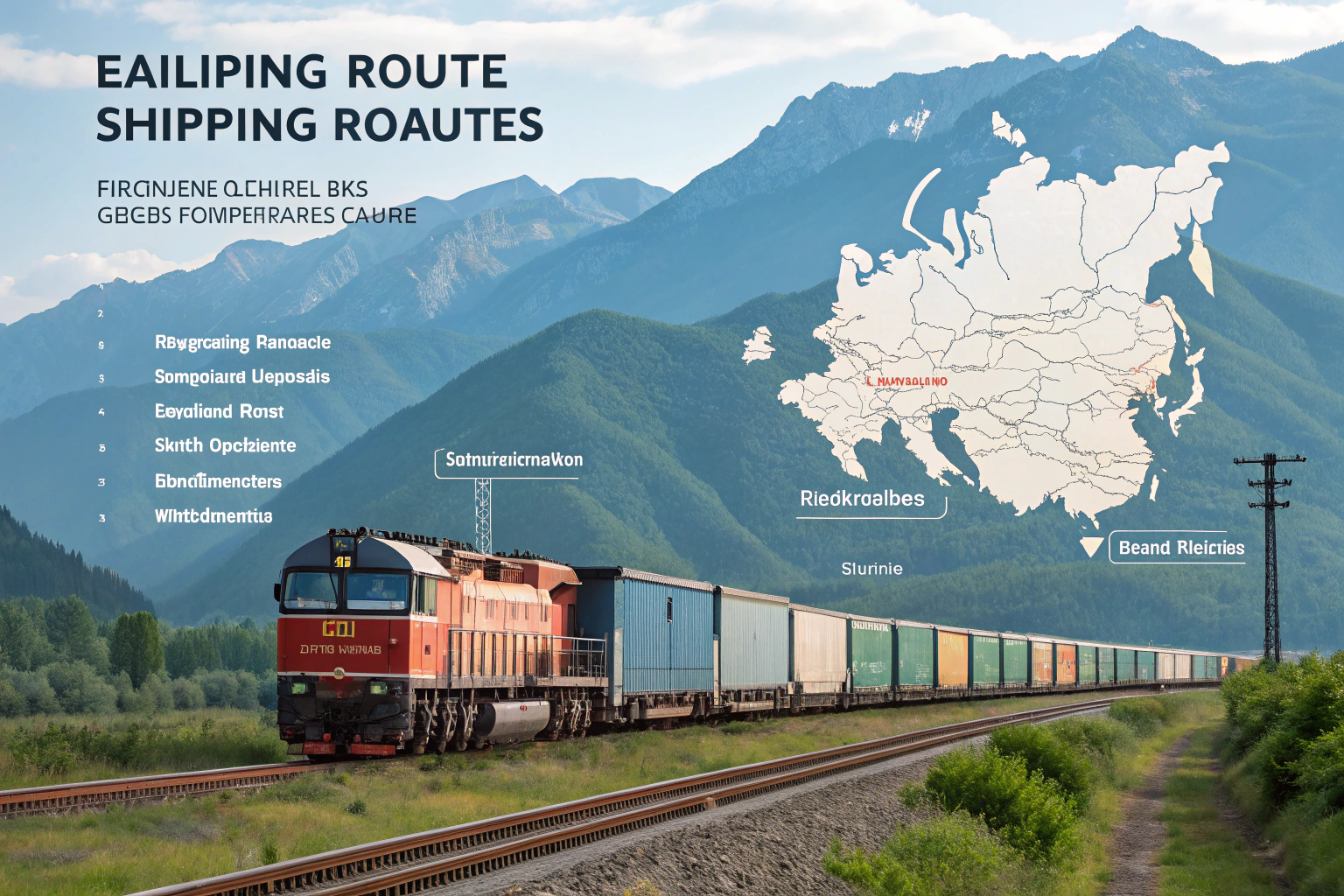
When one of our clients switched from the Suez Canal route to the China-Europe Railway during the Red Sea crisis, they maintained 94% on-time delivery while competitors faced 4-6 week delays. As founder of GeeseCargo with extensive China-Europe shipping experience, I've learned that route reliability often matters more than pure speed or cost—especially when supply chain disruptions can paralyze entire operations.
The most reliable China-Europe shipping routes currently include the Northern Europe sea route via Suez Canal (despite recent disruptions), the China-Europe Railway Express, and the emerging Arctic route during summer months. Reliability rankings constantly shift based on geopolitical developments, weather patterns, and port congestion, making multi-route strategies essential for supply chain resilience.
Route reliability involves more than just historical performance—it requires understanding vulnerability to disruptions, recovery speed after incidents, and consistency across different seasons and market conditions. The most successful shippers maintain flexibility across multiple routes rather than depending on any single corridor.
How Do Major Sea Routes Compare for Reliability?
Ocean shipping remains the workhorse of China-Europe trade, but different routes offer varying reliability profiles based on multiple factors.
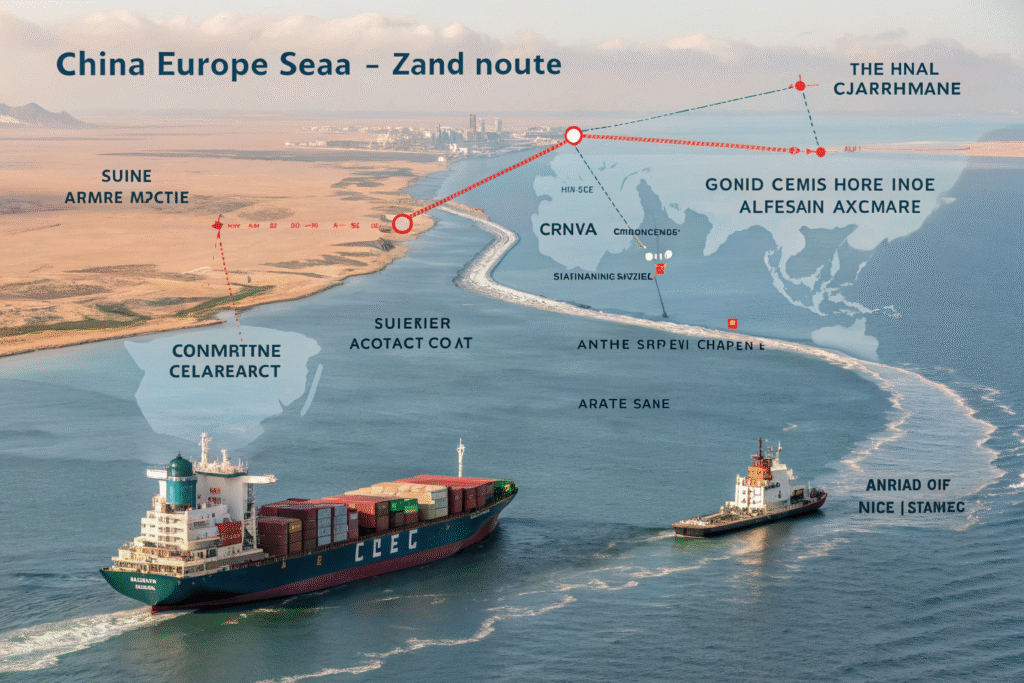
What Makes the Suez Canal Route Both Essential and Vulnerable?
The Suez Canal handles approximately 30% of global container traffic and remains the fastest sea route at 30-35 days from Shanghai to Rotterdam. Despite recent disruptions, it maintains 80-85% on-time performance during stable periods, with congestion primarily occurring during peak seasons and geopolitical incidents.
Vulnerability to regional conflicts creates periodic reliability issues. The Red Sea attacks demonstrated how non-state actors can effectively close this critical corridor, forcing vessels onto much longer alternative routes with 10-15 day extensions.
Recovery speed after disruptions has improved significantly. During the Ever Given blockage in 2021, the route recovered within 6 days, though cascading schedule disruptions continued for several weeks as carriers repositioned vessels and equipment.
When Does the Cape of Good Hope Route Become Reliable?
The Africa route serves as the primary Suez Canal alternative, adding 10-15 days but offering superior reliability during Middle East disruptions. While 15-20% slower, it maintains 90-95% schedule reliability since it avoids most geopolitical hotspots and canal congestion.
Weather considerations make timing crucial for reliability. The Cape route experiences more significant weather impacts during Southern Hemisphere winter (June-August), with potential for additional 3-5 day delays from storms and high seas.
Infrastructure limitations affect Southern African ports. Limited bunkering and repair facilities along the route mean mechanical issues can cause longer delays than on northern routes with better support infrastructure.
How Does the China-Europe Railway Compare for Reliability?
The "Iron Silk Road" has emerged as a compelling middle option between sea and air, offering unique reliability advantages despite capacity limitations.

What Are the Reliability Advantages of Rail Shipping?
Consistent transit times of 18-22 days provide predictable planning. Unlike sea routes affected by weather and canal congestion, rail offers remarkable schedule adherence with 90-95% on-time performance for established routes.
Geopolitical insulation from maritime choke points enhances reliability. The rail route avoids the Suez Canal, Bab el-Mandeb Strait, and other maritime vulnerabilities, though it crosses multiple borders with varying political stability.
All-weather operation maintains consistency year-round. Rail transport continues reliably through winter conditions that sometimes affect northern ports and sea routes, though extreme cold can cause minor delays.
What Reliability Challenges Does Rail Face?
Capacity constraints during peak periods create booking challenges. The railway network has limited capacity compared to sea routes, leading to equipment shortages and space constraints during high-demand periods.
Border crossing complexity introduces potential delays. Each crossing (China-Kazakhstan, Belarus-Poland, etc.) involves customs procedures that can cause 24-48 hour delays if documentation is incomplete or inspections required.
Gauge changes at borders add operational complexity. The need to transfer containers between different rail gauges at specific points creates potential bottlenecks during equipment shortages or labor issues.
What Role Do Arctic Routes Play in Reliability Planning?
The Northern Sea Route offers a developing alternative that gains reliability as ice conditions change and infrastructure improves.

How Reliable Is the Northern Sea Route Currently?
Seasonal operation limits year-round reliability. The route typically operates July-November, with the most reliable window being August-October when ice conditions are most favorable and icebreaker support is most available.
Transit time reliability ranges from 35-50 days depending on conditions. While theoretically faster than Suez, ice conditions, weather, and escort requirements create significant variability in actual transit times.
Infrastructure development is rapidly improving reliability. Russian investment in icebreakers, ports, and navigation systems has steadily improved reliability, though the route remains vulnerable to political factors and environmental regulations.
What Special Considerations Affect Arctic Route Reliability?
Ice-class vessel requirements limit available capacity. Most container vessels cannot operate on Arctic routes without significant modification, restricting available tonnage and creating potential equipment shortages.
Environmental regulations are increasing scrutiny. Growing environmental concerns and insurance considerations may affect future reliability as regulations tighten and financing becomes more challenging for Arctic shipping.
Political factors create uncertainty for long-term planning. The route's development is closely tied to Russian policy and international relations, creating potential reliability impacts from sanctions or political tensions.
How Can You Build a Reliable Multi-Route Strategy?
Dependence on any single route creates vulnerability, making integrated multi-route strategies essential for true reliability.

What Factors Should Guide Route Selection Decisions?
Product characteristics determine reliability priorities. High-value, time-sensitive goods justify rail or premium sea services, while bulk commodities can tolerate longer but more predictable sea routes.
Seasonal patterns affect different routes differently. Understanding how weather, demand cycles, and maintenance schedules impact each route enables proactive seasonal routing adjustments.
Supply chain criticality influences reliability requirements. Products with severe stockout consequences warrant more reliable (and typically more expensive) routing options than those with flexible timing.
How Can Technology Enhance Route Reliability?
Advanced tracking provides real-time reliability monitoring. IoT sensors, satellite monitoring, and predictive analytics enable dynamic rerouting based on actual conditions rather than historical averages.
Digital twin technology simulates route performance. Creating digital replicas of supply chains allows testing different routing strategies against various disruption scenarios before implementation.
AI-powered prediction anticipates reliability issues. Machine learning algorithms analyzing weather, political, and operational data can predict potential disruptions days or weeks in advance.
What Are the Most Common Routing Mistakes That Reduce Reliability?
Even experienced shippers make routing decisions that inadvertently compromise reliability through understandable but preventable errors.

What Strategic Errors Undermine Route Reliability?
Over-optimization for cost sacrifices reliability resilience. Focusing exclusively on the lowest-cost route typically increases vulnerability to disruptions that ultimately cost far more than initial savings.
Misunderstanding reliability metrics leads to poor decisions. Confusing average transit time with on-time performance or not accounting for variability creates unrealistic expectations and planning failures.
Inadequate contingency planning assumes continuous operation. Failing to have pre-negotiated alternatives and established processes for route switching delays response during actual disruptions.
What Operational Mistakes Reduce Real-World Reliability?
Poor communication between departments creates coordination failures. When procurement, logistics, and sales operate with different routing assumptions, the resulting mismatches undermine reliability.
Inflexible contracting locks in suboptimal routing. Long-term contracts with specific carriers or routes without flexibility provisions prevent adaptation to changing conditions.
Inadequate performance tracking misses reliability trends. Without systematic measurement of actual versus planned performance across routes, companies cannot identify deteriorating reliability until major disruptions occur.
Conclusion
The most reliable China-Europe shipping routes combine established corridors with emerging alternatives, creating resilient supply chains that withstand the inevitable disruptions in global trade. The most successful shippers treat route reliability as a dynamic capability rather than a static selection, maintaining flexibility and monitoring performance across multiple options.
At GeeseCargo, we've helped clients achieve 95%+ overall reliability through multi-route strategies that dynamically allocate shipments based on real-time conditions rather than historical preferences. The key is recognizing that no single route maintains perfect reliability indefinitely—true supply chain resilience comes from having multiple validated options and the capability to shift between them seamlessly.
Begin your reliability improvement by analyzing your current routing performance across multiple dimensions—not just cost and time, but consistency, vulnerability, and recovery speed. Then develop a graduated routing strategy that matches different products and priorities to appropriate route options. Remember that in global shipping, reliability isn't about finding the perfect route—it's about building a perfect system for managing imperfect routes.