Shipping delays can significantly impact your business operations and customer satisfaction. As an experienced freight forwarder, I understand how crucial timely delivery is for maintaining competitive advantage. Many businesses struggle with unpredictable transit times that affect their inventory management and sales cycles.
The most effective ways to reduce shipping transit time include optimizing transportation modes, improving documentation processes, leveraging technology for route optimization, and building strong carrier relationships. Implementing these strategies can significantly cut down delivery times while maintaining cost efficiency.
Let's explore practical approaches that can help you streamline your shipping process and achieve more predictable delivery timelines.
How Can Transportation Mode Optimization Reduce Transit Time?
Choosing the right transportation mode is crucial for balancing speed and cost. Different shipping methods offer varying transit times, and understanding these options helps you make informed decisions for your specific needs.
When Should You Choose Air Freight Over Ocean Shipping?
Air freight is the optimal choice for time-sensitive shipments despite higher costs. For urgent orders or perishable goods, air transport can reduce transit time from weeks to days. The speed of air cargo becomes particularly valuable when dealing with high-value products or when facing stockout situations.
The transit time for air freight from China to major US airports typically ranges from 3-7 days, compared to 20-35 days for ocean shipping. This significant time difference can be crucial for meeting tight deadlines. Many businesses use a hybrid approach, combining air freight for urgent orders with ocean shipping for regular inventory replenishment.
How Can Multi-Modal Transport Solutions Save Time?
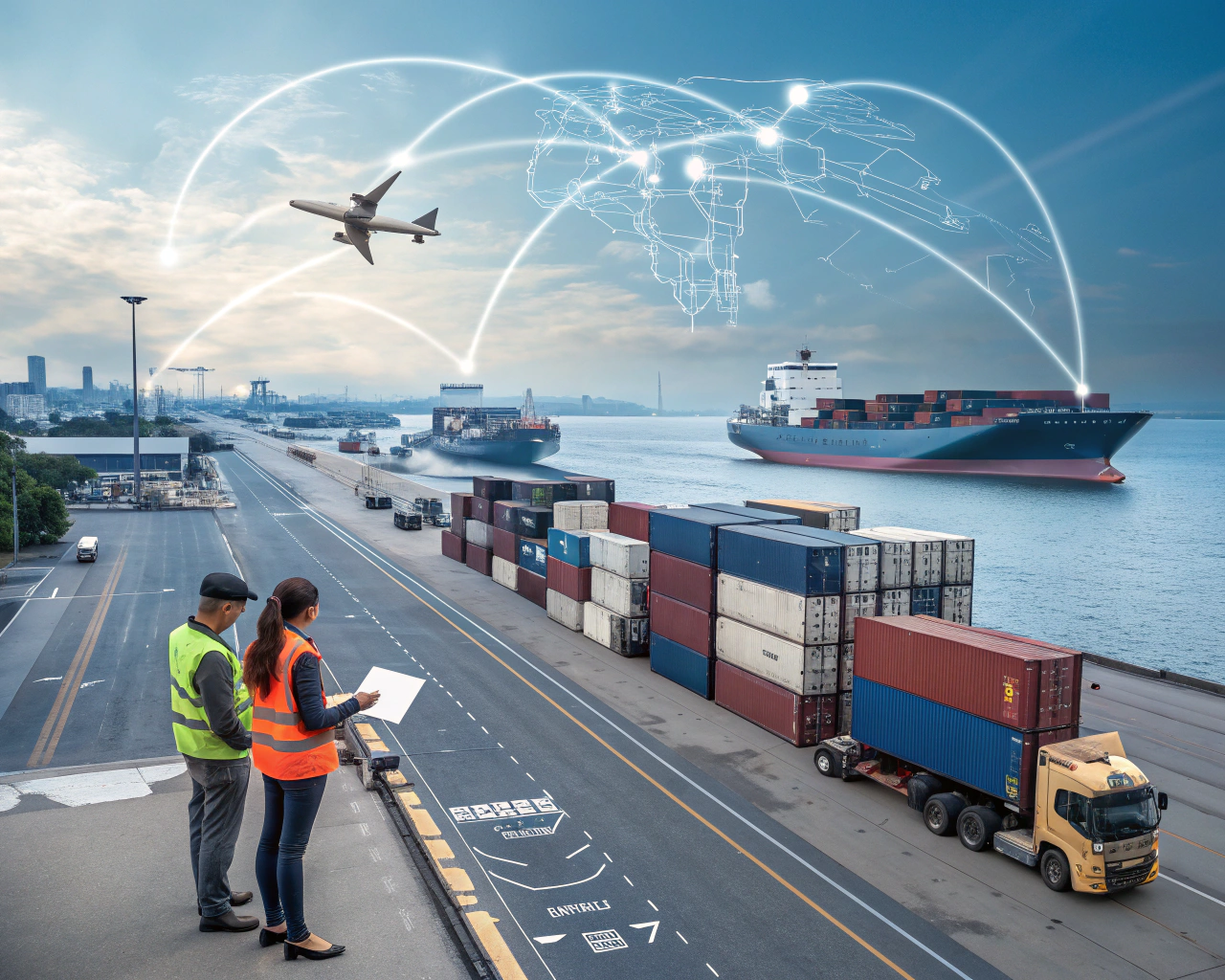
Multi-modal transport combines different shipping methods to optimize both cost and speed. By using strategic combinations of air, sea, rail, and road transport, you can create the most efficient routing for your specific needs. This approach often involves using faster transport methods for critical legs of the journey.
For example, shipping goods via ocean to a West Coast port then using express trucking for final delivery can be faster than all-ocean routing to East Coast destinations. Working with experienced logistics partners who understand how to coordinate these complex arrangements is key to successful multi-modal shipping.
What Role Does Documentation Play in Shipping Efficiency?
Proper documentation management is one of the most overlooked aspects of reducing transit times. Incomplete or incorrect paperwork remains a major cause of customs delays and shipping interruptions.

How Can Digital Documentation Speed Up the Process?
Electronic documentation significantly reduces processing time compared to traditional paper-based systems. Digital bills of lading, commercial invoices, and customs declarations can be processed and transmitted instantly. This eliminates the delays associated with physical document transportation between parties.
Implementing automated documentation systems ensures consistency and accuracy while reducing human error. Many freight forwarders now offer digital platforms where clients can upload and manage all required documents in one place. This digital approach can save several days in the overall shipping process.
What Are the Key Documents That Cause Delays?
Certain documents consistently cause the most shipping delays when not properly prepared. The commercial invoice must accurately describe goods, values, and harmonized system codes. Incorrect certificate of origin documentation can lead to customs holds and duty calculation errors.
The bill of lading requires special attention as any discrepancies can prevent cargo release. Many delays occur because of simple errors in these fundamental documents. Establishing standardized templates and verification processes for these critical documents can prevent most common documentation-related delays.
How Can Technology Improve Shipping Speed and Reliability?
Modern technology offers powerful tools for optimizing shipping routes and improving delivery predictability. Leveraging these solutions can significantly enhance your supply chain efficiency.

Can Real-Time Tracking Systems Prevent Delays?
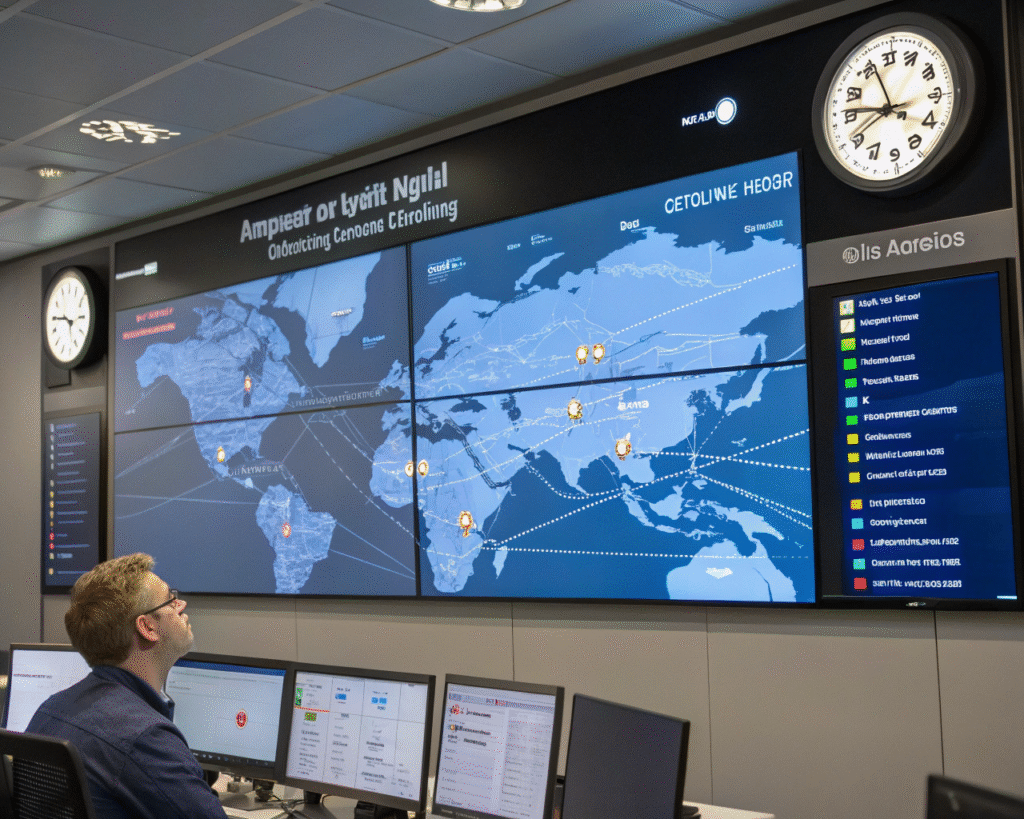
Real-time tracking technology provides visibility into your shipment's progress and helps identify potential delays early. Advanced tracking systems monitor container locations, temperature conditions, and estimated arrival times. This proactive approach allows for quick intervention when issues arise.
Many shipping lines and logistics providers now offer predictive analytics that anticipate delays based on weather patterns, port congestion, and historical data. This information enables you to make informed decisions and communicate accurate updates to your customers, managing expectations effectively.
How Does Route Optimization Technology Work?
Route optimization software uses complex algorithms to calculate the most efficient shipping paths. These systems consider multiple factors including carrier schedules, port operations, weather conditions, and fuel efficiency. The technology continuously updates routes based on changing conditions.
The best systems incorporate machine learning capabilities that improve over time by analyzing historical performance data. This results in increasingly accurate transit time predictions and more reliable delivery schedules. Implementing these technologies can reduce overall transit times by 10-20% through optimized routing.
What Operational Strategies Can Minimize Shipping Delays?
Beyond technology and documentation, several operational practices can significantly impact shipping efficiency. These strategies focus on process improvement and relationship management.

How Important Are Carrier Relationships for Reducing Transit Time?
Strong carrier relationships provide access to better service levels and priority treatment. Established partners are more likely to accommodate urgent requests and provide accurate, real-time information about potential delays. These relationships often lead to more reliable booking confirmations and equipment availability.
Regular communication with carriers helps you understand their scheduling patterns and capacity constraints. This knowledge enables better planning and helps avoid carriers with consistently poor performance records. Long-term partnerships often result in more favorable terms and improved service reliability.
Can Warehouse and Loading Processes Impact Transit Times?
Efficient warehouse operations directly affect shipping schedules. Delays in cargo readiness often cause missed vessel or flight departures. Implementing streamlined loading processes and ensuring proper documentation preparation before cargo arrival at the port can save valuable time.
Optimized container loading practices not only maximize space utilization but also facilitate faster customs inspections. Proper labeling, accurate weight declarations, and organized loading sequences all contribute to smoother operations and reduced handling time at transit points.
Conclusion
Reducing shipping transit time requires a comprehensive approach that combines mode optimization, documentation efficiency, technology integration, and strong operational practices. By implementing these strategies systematically, businesses can achieve significant improvements in delivery reliability while often reducing costs. The key is to view transit time reduction as an ongoing process rather than a one-time fix.
At GeeseCargo, we help clients implement these time-saving strategies through our extensive carrier network and advanced technology platforms. Our experience in optimizing shipping routes and documentation processes has helped numerous businesses achieve faster, more reliable delivery times. Remember, even small improvements in transit time can lead to significant competitive advantages in today's fast-paced market.