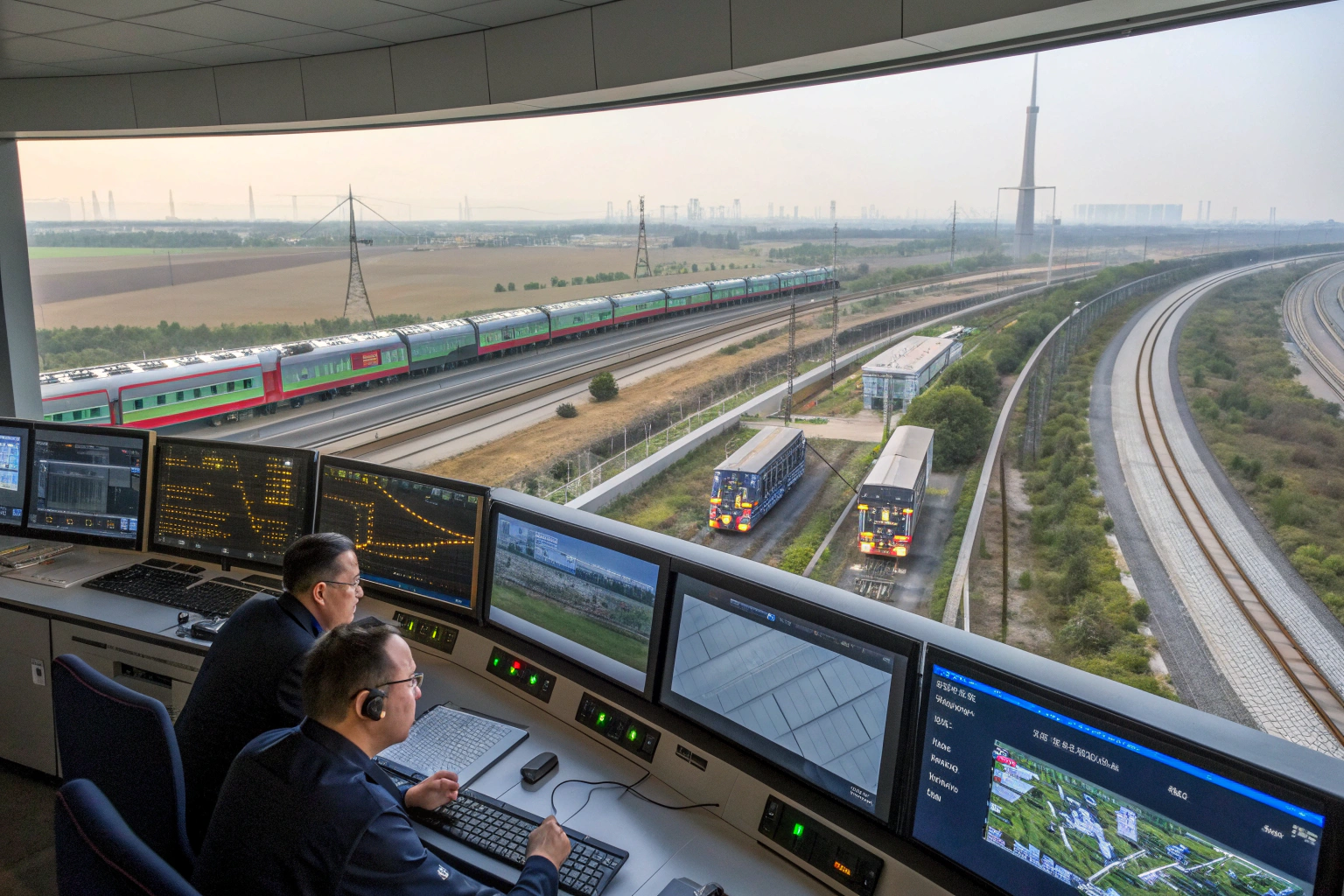
China-Europe rail freight has evolved from a niche transport alternative to a strategic component of global supply chains, with dramatic shifts occurring in 2024-2025. As a freight forwarder actively managing multiple rail corridors weekly, I've witnessed firsthand how geopolitical changes, infrastructure investments, and market dynamics are transforming this middle corridor between ocean and air freight. The market is maturing rapidly, creating both new opportunities and emerging challenges for shippers.
The latest trends in China-Europe rail freight include dramatic growth in alternative routes bypassing Russia, significant infrastructure improvements reducing transit times, increasing competitive pressure on ocean freight for mid-value goods, and the emergence of specialized services for specific commodity types. These developments are creating a more robust, diversified rail network that offers viable alternatives to traditional transport modes despite ongoing geopolitical complexities.
The China-Europe rail landscape is transforming from a single primary corridor into a multi-route network with different characteristics and value propositions. Let's examine the specific trends reshaping this critical transport option.
How Are Geopolitical Changes Reshaping Rail Routes?
The Ukraine conflict and related sanctions have triggered a fundamental restructuring of China-Europe rail routing strategies.

What Alternative Corridors Are Gaining Prominence?
The Middle Corridor through Kazakhstan, the Caspian Sea, and the Caucasus has seen explosive growth. While currently handling about 10-15% of total China-Europe rail volume, this route has grown 300% since 2022, with transit times improving from 45-60 days to 25-35 days through infrastructure investments and process optimization.
The Southern Corridor through Iran and Turkey offers another Russia-avoidance option. Though facing political and operational challenges, this route provides important diversification and handles specialized cargo not suited for other corridors, particularly for Middle Eastern and Southern European destinations.
How Are Traditional Routes Adapting?
Russia-dependent northern routes have transformed rather than disappeared. While many European companies avoid Russian transit, substantial volumes continue moving through these corridors for Central Asian destinations, Russian domestic consumption, and certain commodity types exempt from sanctions, though with enhanced documentation and compliance requirements.
Trans-Siberian adaptations continue serving specific market segments. For companies comfortable with Russian transit or shipping non-restricted goods, these routes maintain competitive transit times of 18-25 days with potentially lower costs due to reduced demand.
What Infrastructure Developments Are Reducing Transit Times?
Significant investments across the rail network are addressing traditional bottlenecks and improving reliability.

Where Are the Key Bottlenecks Being Addressed?
Border crossing modernization is dramatically reducing delays. China-Kazakhstan border points like Khorgos and Alashankou have implemented digital pre-clearance systems that cut processing from days to hours, while European border points are adopting similar technologies to streamline EU entry.
Terminal capacity expansion supports growing volumes. Major hubs in Duisburg, Malaszewicze, and Budapest have expanded handling capacity by 40-60% since 2022, with new specialized terminals for temperature-controlled cargo, dangerous goods, and high-value products.
What Technology Investments Are Improving Efficiency?
Digital corridor management systems provide real-time visibility and control. Advanced platforms now offer predictive arrival times, dynamic routing, and exception management that significantly improve reliability compared to traditional rail freight.
Equipment modernization enhances service quality. New generations of specialized containers, improved temperature control systems, and enhanced security features are making rail suitable for more commodity types previously restricted to air or ocean transport.
How Is Competitive Positioning Evolving Against Other Modes?
China-Europe rail is carving out a more defined position in the transport spectrum between ocean and air.
What Market Segments Is Rail Capturing from Ocean?
Time-sensitive consumer goods are increasingly shifting to rail. Electronics, automotive parts, and fashion items with 4-6 week inventory cycles find rail's 18-25 day transit times significantly better than ocean's 35-50 days while costing 30-50% less than air freight.
Medium-value industrial products represent growing rail volumes. Machinery components, industrial equipment, and building materials increasingly use rail as companies seek to reduce inventory carrying costs without paying air freight premiums.
How Is Rail Competing with Air Freight?
Cost-advantaged expedited service targets specific air freight segments. Rail achieves 60-70% cost savings versus air for non-urgent shipments, with some services now offering guaranteed 20-day transit times that compete with deferred air options.
Hybrid rail-air solutions are emerging for time-critical goods. Some forwarders now offer rail transport to European hubs followed by regional air distribution, creating cost savings while maintaining acceptable total transit times for European distribution.
What New Service Innovations Are Emerging?
Rail operators and forwarders are developing specialized services to address specific market needs.

What Specialized Rail Products Are Available?
Temperature-controlled rail services have improved dramatically. New electrically powered reefers with real-time monitoring and remote temperature control now maintain consistent conditions throughout the 20-25 day journey, opening rail for pharmaceuticals, certain foods, and temperature-sensitive chemicals.
Block train services for major shippers provide dedicated capacity. Companies with regular volume can now contract entire trains with customized schedules, specialized equipment, and priority border crossing, creating rail service that rivals ocean reliability.
How Are Digital Services Enhancing Value?
Enhanced visibility platforms provide air freight-level tracking. Real-time container monitoring, predictive arrival updates, and digital documentation now give rail shipments visibility previously available only for premium transport modes.
Integrated customs management streamlines border processes. Single-system handling of customs documentation for multiple countries along the route reduces administrative burden and prevents border delays due to documentation issues.
What Cost and Sustainability Developments Matter?
Economic and environmental factors continue driving rail freight adoption despite geopolitical challenges.

How Are Rail Costs Evolving?
Rate volatility stabilization is occurring as the market matures. After dramatic rate fluctuations during the pandemic and geopolitical changes, rail pricing has stabilized with seasonal variations of 15-25% compared to previous 50-100% swings, improving budget predictability.
Total cost advantages are becoming clearer as companies factor in full supply chain costs. When considering inventory carrying costs, reliability impacts, and environmental compliance expenses, rail often delivers 15-30% better total cost than ocean for appropriate commodities.
What Sustainability Advantages Drive Adoption?
Carbon footprint reduction represents a major rail advantage. China-Europe rail typically generates 85-95% less CO2 than air freight and 60-70% less than trucking, with electric traction on many route segments enabling even greater reductions as power grids decarbonize.
Corporate sustainability commitments are driving modal shift. Companies with net-zero commitments and ESG reporting requirements increasingly choose rail to reduce their logistics carbon footprint while maintaining reasonable transit times.
Conclusion
China-Europe rail freight is undergoing its most significant transformation since the route's inception, evolving from a single primary corridor to a diversified network with multiple routing options, specialized services, and dramatically improved reliability. The market disruption caused by geopolitical changes has ultimately strengthened the rail option by forcing diversification and innovation that benefits shippers long-term.
At GeeseCargo, we've helped clients navigate these changes while typically achieving 25-40% cost savings versus air freight and 30-50% time savings versus ocean shipping for appropriate commodities. Our experience shows that companies developing strategic rail programs rather than using rail opportunistically typically achieve the best results, with 85-95% reliability rates that rival ocean shipping while providing substantial sustainability benefits. The key to success lies in matching specific commodity characteristics and supply chain requirements with the right rail corridor and service type—a one-size-fits-all approach no longer works in the diversified China-Europe rail landscape.