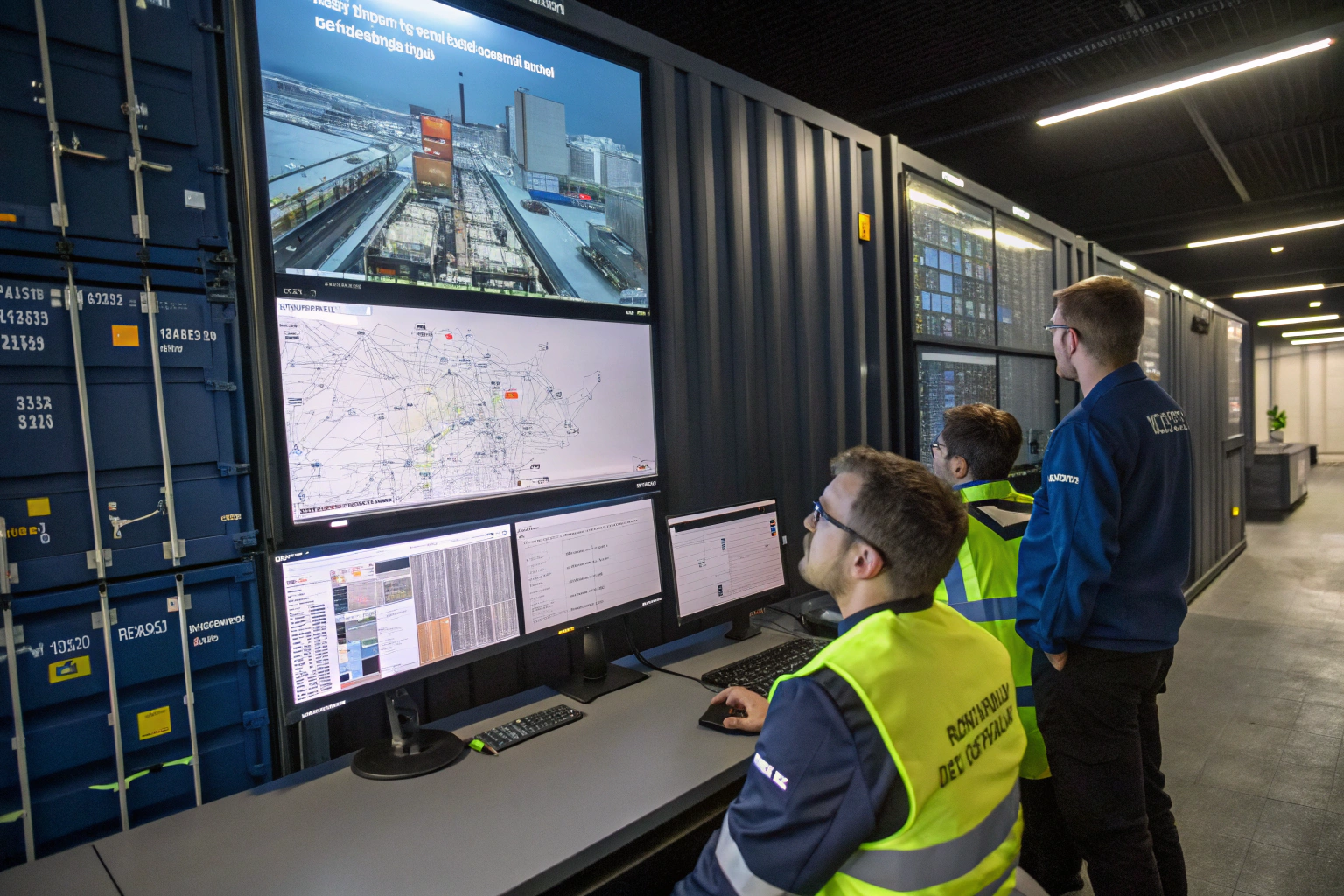
Container tracking technology is undergoing a revolutionary transformation, moving far beyond basic GPS location updates to become an intelligent, predictive, and fully integrated component of supply chain management. As a forwarder who has implemented and tested numerous tracking solutions, I've witnessed firsthand how these innovations are shifting container tracking from reactive monitoring to proactive supply chain orchestration. The latest advancements are not just about knowing where containers are, but understanding what's happening to them, predicting what will happen next, and enabling intelligent interventions before problems occur.
The latest innovations in container tracking technology include AI-powered predictive analytics, blockchain-enabled transparency, IoT sensor integration for condition monitoring, 5G-enabled real-time communication, and autonomous tracking devices with extended battery life and global coverage. These technologies collectively create container ecosystems that communicate not just location but container health, security status, and estimated outcomes, transforming passive tracking into active supply chain intelligence.
The evolution is fundamentally changing how forwarders, carriers, and shippers interact with containerized cargo, turning shipping containers from "black boxes" into intelligent nodes in global supply networks. Let's examine the specific innovations that are redefining container tracking capabilities.
How Is Artificial Intelligence Transforming Container Tracking?
AI and machine learning are moving container tracking beyond simple location reporting to predictive intelligence and automated decision support.

What Predictive Capabilities Are Now Possible?
ETA prediction accuracy has improved dramatically. Advanced AI models now analyze hundreds of variables including historical vessel performance, weather patterns, port congestion data, and crew rotation schedules to predict arrival times with 85-95% accuracy 7-10 days in advance, compared to 60-70% accuracy with traditional methods.
Disruption prediction algorithms identify risks before they impact shipments. Machine learning systems analyze multiple data streams to predict potential delays from weather events, port congestion, equipment failures, or regulatory issues 3-5 days before they typically become visible through traditional monitoring.
How Does Automated Exception Management Work?
Intelligent alert systems prioritize and categorize issues. Rather than overwhelming users with every minor deviation, AI systems categorize exceptions by severity, suggest appropriate responses, and automatically initiate corrective actions for routine issues like minor route deviations or schedule adjustments.
Root cause analysis automation identifies systemic problems. When delays or issues occur, AI systems automatically analyze patterns across multiple shipments to identify whether problems are isolated or part of broader systemic issues affecting specific carriers, routes, or terminals.
What Role Does Blockchain Play in Container Tracking?
Blockchain technology is creating unprecedented transparency and trust in container tracking data across complex supply chains.

How Does Blockchain Enhance Data Integrity?
Immutable tracking records prevent data tampering. Every tracking event—from container stuffing to final delivery—is recorded on distributed ledgers, creating tamper-proof audit trails that all authorized parties can trust without relying on any single entity's systems or honesty.
Smart contract automation streamlines processes. Blockchain-enabled smart contracts can automatically execute actions when tracking data meets certain conditions, such as releasing payments when containers pass specific checkpoints or triggering insurance claims when sensors detect specific damage conditions.
What Multi-Party Transparency Benefits Exist?
Shared single source of truth eliminates disputes. All supply chain participants access the same verified tracking data, reducing disputes about shipment status, condition, or timing that traditionally arise from siloed or inconsistent tracking systems.
Regulatory compliance verification becomes more efficient. Customs authorities and regulatory agencies can access verified tracking data directly through permissioned blockchain access, potentially speeding clearance processes while enhancing compliance verification.
How Are IoT Sensors Revolutionizing Condition Monitoring?
Next-generation IoT sensors provide detailed visibility into container conditions far beyond basic location tracking.

What New Sensing Capabilities Are Available?
Advanced environmental monitoring tracks multiple parameters. Modern sensors simultaneously monitor temperature, humidity, light exposure, shock/vibration, tilt/orientation, and atmospheric composition, providing comprehensive condition visibility for sensitive cargo.
Predictive maintenance sensors monitor container health. Sensors now track container door seal integrity, structural stress, corrosion indicators, and equipment condition, enabling predictive maintenance before failures cause cargo damage or delays.
How Does Real-Time Condition Data Create Value?
Condition-based interventions prevent cargo damage. Real-time alerts about temperature excursions, excessive shock, or unauthorized openings enable immediate interventions that can prevent or minimize cargo damage, particularly valuable for pharmaceuticals, electronics, and perishable goods.
Insurance and claims optimization uses objective data. IoT sensor data provides objective evidence for insurance claims, potentially speeding settlements while enabling more accurate risk-based insurance pricing based on actual handling conditions rather than averages.
What Connectivity Advances Enable Better Tracking?
New connectivity technologies are solving traditional tracking limitations around coverage, battery life, and data transmission.

How Do 5G and Satellite Integration Work?
Hybrid connectivity solutions ensure global coverage. Next-generation tracking devices automatically switch between terrestrial networks (5G, 4G, LPWAN) and satellite connectivity based on location and availability, eliminating traditional coverage gaps in remote areas or at sea.
Low-power wide-area networks (LPWAN) extend battery life. New LPWAN technologies like LoRaWAN and NB-IoT enable tracking devices to transmit data over long distances with minimal power consumption, extending battery life from months to years while maintaining frequent reporting intervals.
What About Data Transmission Capabilities?
Edge computing in tracking devices processes data locally. Advanced tracking devices now include processing capabilities that analyze sensor data locally, transmitting only meaningful events or summaries rather than raw data streams, reducing communication costs and bandwidth requirements.
Adaptive reporting algorithms optimize data transmission. Smart tracking devices adjust reporting frequency based on shipment phase, conditions, and battery levels—reporting more frequently during critical phases or when exceptions occur while conserving power during routine transit.
How Are These Innovations Being Integrated in Practice?
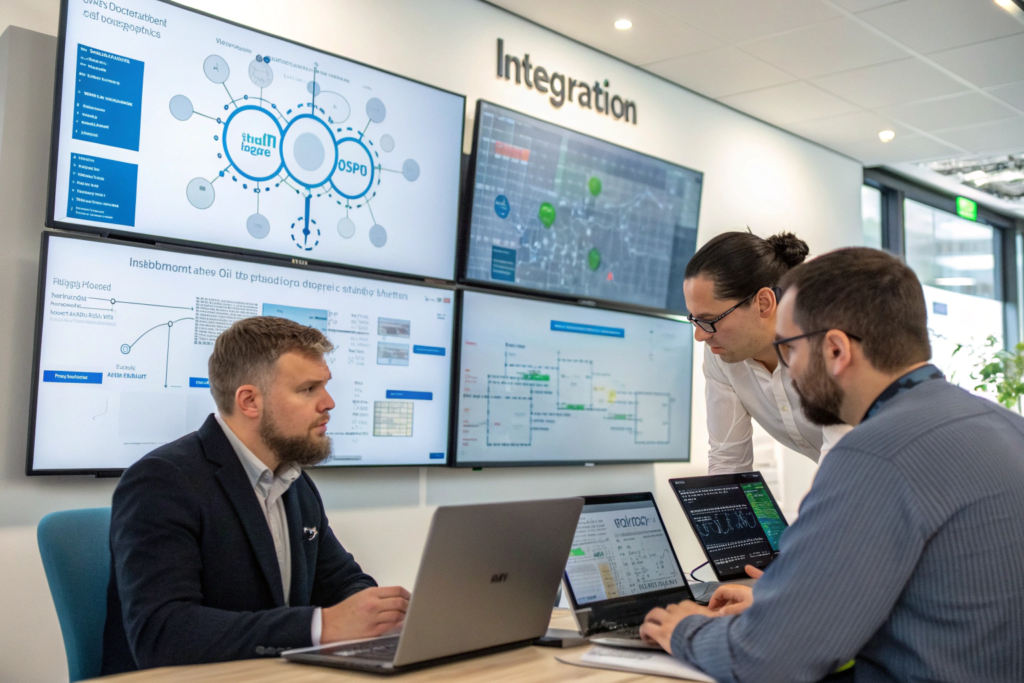
The real power emerges when these technologies combine into integrated tracking ecosystems rather than operating as isolated solutions.
What Platform Approaches Are Emerging?
Unified visibility platforms consolidate multiple data sources. Next-generation tracking platforms integrate data from carrier systems, terminal operations, customs agencies, and IoT sensors into unified interfaces that provide complete visibility rather than forcing users to consult multiple disconnected systems.
API-first architectures enable seamless integration. Modern tracking systems are built with comprehensive APIs that allow easy integration with TMS, ERP, customs, and other supply chain systems, creating connected ecosystems rather than isolated tracking applications.
How Is Data Being Transformed into Actionable Intelligence?
Prescriptive analytics engines recommend specific actions. Beyond predicting what will happen, advanced systems now recommend specific actions—rerouting suggestions, mode changes, inventory adjustments—with calculated impact assessments for each option.
Automated workflow integration connects insights to operations. Tracking systems automatically create tasks in operational systems when issues are detected—creating customs clearance tasks when vessels approach port, or generating inspection requests when sensors detect potential damage.
Conclusion
The latest innovations in container tracking technology are collectively transforming shipping containers from passive cargo containers into intelligent, communicating assets that provide real-time visibility, predictive intelligence, and automated decision support. The convergence of AI, blockchain, IoT, and advanced connectivity creates tracking capabilities that were unimaginable just a few years ago, fundamentally changing how supply chains are monitored and managed.
At GeeseCargo, we've implemented next-generation tracking solutions that typically improve on-time delivery predictability by 25-40%, reduce cargo damage by 60-80%, and cut exception management time by 50-70% compared to traditional tracking approaches. Our experience shows that companies embracing these innovations achieve significantly better supply chain outcomes, though success requires treating tracking technology as an integrated component of broader supply chain strategy rather than as a standalone monitoring tool. Remember that tracking technology continues advancing rapidly—maintaining flexibility and readiness to adopt new capabilities ensures your tracking approach remains competitive as innovations continue emerging.