
When one of our clients lost $287,000 to a sophisticated Business Email Compromise attack that manipulated their shipment instructions, I realized cybersecurity has become as critical as physical security in international trade. As founder of GeeseCargo with extensive digital operations experience, I've witnessed how cyber threats have evolved from nuisance attacks to sophisticated operations that can paralyze supply chains and drain financial accounts.
The latest cybersecurity dangers for importers include AI-powered phishing attacks, supply chain software vulnerabilities, ransomware targeting logistics infrastructure, falsified digital documentation, and IoT device manipulation in shipping containers. These threats typically cause $150,000-$500,000 in direct losses per incident, plus substantial operational disruption and reputational damage.
Modern importers face a convergence of digital and physical security threats where cyber attacks create real-world supply chain disruptions. Understanding these evolving dangers is essential for protecting both financial assets and operational continuity.
How Have AI-Powered Social Engineering Attacks Evolved?
Cybercriminals now use artificial intelligence to create highly personalized and convincing attacks that bypass traditional security training.

What Makes Modern Business Email Compromise So Dangerous?
AI-generated communication mimics executive writing styles perfectly. Attackers use machine learning to analyze executives' email history and communication patterns, then generate perfectly styled fraudulent requests for urgent payments or shipment changes.
Multi-channel verification bypassing through coordinated attacks. Criminals simultaneously target email, SMS, and voice calls to create convincing scenarios where each communication channel appears to verify the others' legitimacy.
Deepfake audio verification adds alarming credibility. Voice synthesis technology can now recreate executives' voices with sufficient accuracy to verbally authorize fraudulent transactions during phone verification.
How Can Importers Defend Against These Sophisticated Attacks?
Multi-factor authentication for financial and shipping transactions. Requiring approval through separate systems and devices prevents single-channel compromises from authorizing fraudulent activities.
Structured verification protocols for unusual requests. Establishing mandatory secondary verification processes for payment changes, shipment rerouting, or unusual instructions prevents social engineering success.
AI detection tools identify synthesized content. Emerging security solutions can detect AI-generated text, voice, and images that human reviewers might miss.
What Supply Chain Software Vulnerabilities Create Risk?
The digital integration that makes modern supply chains efficient also creates attack surfaces that criminals increasingly exploit.

How Do Attackers Exploit Transportation Management Systems?
API vulnerabilities between systems enable data manipulation. Weak authentication between TMS, ERP, and carrier systems allows attackers to insert fraudulent shipping instructions or manipulate tracking data.
Third-party integration points create backdoor access. Logistics software providers with system access can become unwitting attack vectors if their security is compromised.
Data interception during electronic document transmission. Unencrypted transmission of bills of lading, certificates, and commercial invoices enables document tampering and cargo diversion.
What Protective Measures Secure Supply Chain Software?
Zero-trust architecture implementation verifies every access request. Assuming no system or user is inherently trustworthy prevents lateral movement after initial breaches.
API security gateways monitor and control data exchanges. Specialized security systems can detect anomalous API patterns that indicate system compromise or data manipulation.
Regular penetration testing of integrated systems. Professional security testing identifies vulnerabilities in complex system integrations before attackers exploit them.
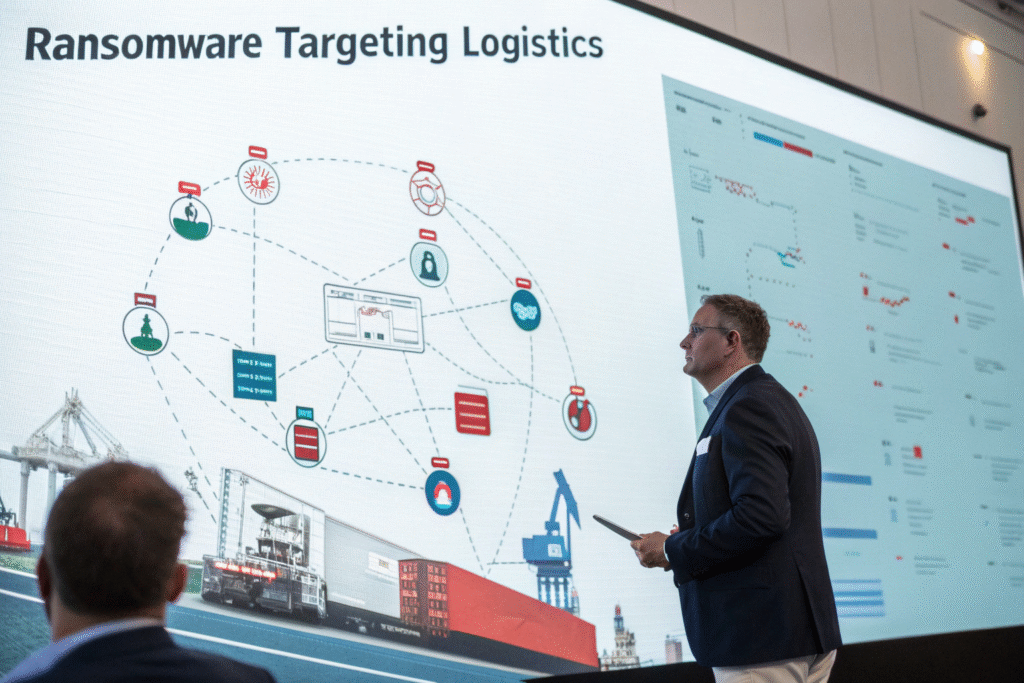
How Has Ransomware Evolved to Target Logistics Specifically?
Ransomware has transformed from generic encryption attacks to sophisticated operations designed specifically to paralyze supply chains.
What Makes Modern Ransomware Particularly Damaging for Importers?
Triple-extortion tactics maximize pressure and payment likelihood. Beyond encrypting data, attackers now threaten to publish sensitive commercial information and notify business partners about security breaches.
Operational technology targeting affects physical operations. Recent attacks have targeted port operating systems, container management software, and warehouse control systems, creating physical supply chain disruptions.
Supply chain amplification creates cascading pressure. Attackers understand that paralyzing one company in a supply chain creates pressure on multiple organizations to contribute to ransom payments.
What Defense Strategies Protect Against Ransomware?
Immutable backups with air-gapped storage ensure recovery capability. Backups that cannot be modified or deleted, stored completely separately from production systems, prevent ransomware from compromising recovery options.
Network segmentation contains breach impact. Separating operational systems from administrative networks prevents single breaches from paralyzing entire organizations.
Enhanced endpoint detection and response. Advanced security systems can detect ransomware behaviors before encryption begins, enabling prevention rather than reaction.
How Is Digital Documentation Fraud Becoming More Sophisticated?
The shift toward digital documentation creates new opportunities for sophisticated fraud that's difficult to detect.

What Digital Document Schemes Are Importers Facing?
Blockchain document forgery through compromised legitimate systems. Attackers who gain access to legitimate blockchain platforms can create fraudulent documents that appear properly authenticated.
AI-generated documentation mimics authentic formats perfectly. Machine learning can analyze thousands of legitimate documents to create fraudulent versions that pass visual inspection.
Compromised e-signature platforms create false authentication. When digital signature services are compromised, attackers can create documents that appear properly signed by authorized parties.
How Can Importers Verify Digital Document Authenticity?
Multi-source verification for critical documents. Checking document information against multiple independent sources (carrier, port, supplier) identifies inconsistencies that indicate fraud.
Digital forensic analysis of document metadata. Examining creation timestamps, editing history, and digital signatures can reveal document manipulation.
Blockchain verification through multiple nodes. Using blockchain systems that require multiple independent verifications prevents single-point compromises from enabling fraud.
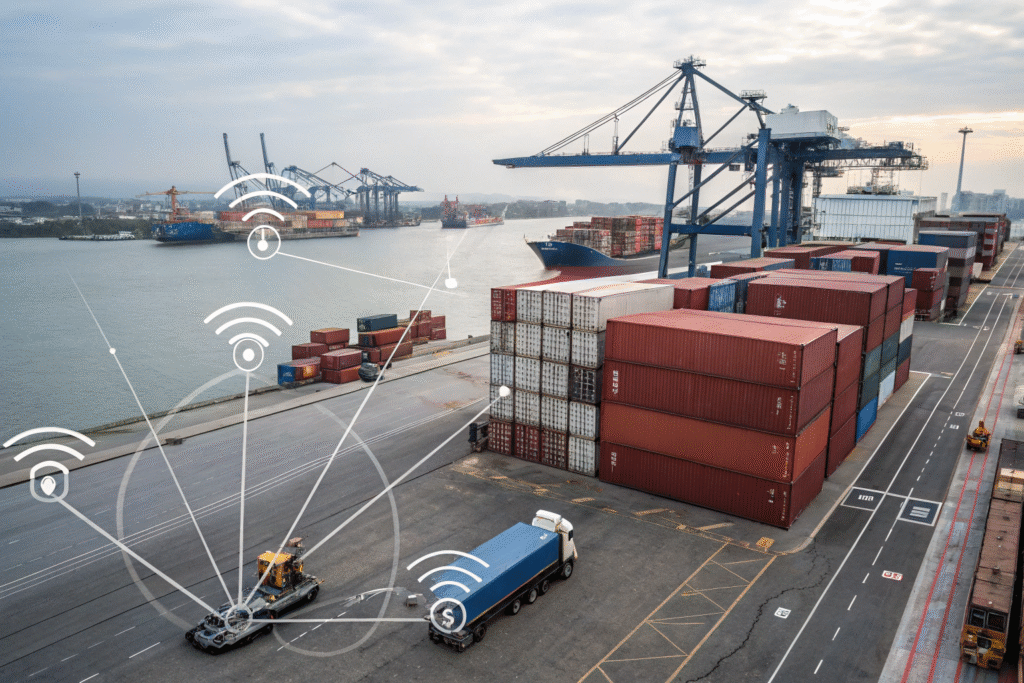
What IoT Risks Emerge in Connected Shipping?
The Internet of Things creates visibility and efficiency but introduces new attack vectors into physical supply chains.
How Could Attackers Manipulate Connected Shipping Assets?
Container monitoring system spoofing creates false location and condition data. Compromised IoT sensors can report incorrect temperatures, locations, or security status, enabling cargo theft or quality manipulation.
Port equipment manipulation through connected systems. Cyber attacks targeting automated cranes, positioning systems, or gate controls could create physical operational disruptions.
Fleet management system compromises enable broader attacks. Connected trucking systems could be manipulated to redirect shipments or create transportation bottlenecks.
What Security Measures Protect IoT Shipping Infrastructure?
Secure device identity management prevents unauthorized access. Implementing robust authentication for all connected devices prevents spoofing and unauthorized control.
Network segmentation for operational technology. Separating IoT networks from business systems contains potential breaches and prevents lateral movement.
Firmware integrity verification ensures device trustworthiness. Regularly verifying that device firmware hasn't been modified prevents compromised devices from operating undetected.
How Can Importers Build Comprehensive Cyber Resilience?
Effective cybersecurity requires layered defenses that address people, processes, and technology across the organization.

What Foundational Security Practices Provide the Most Protection?
Security awareness training tailored to import industry threats. Regular, targeted training helps employees recognize and resist attacks specific to international trade operations.
Incident response planning with supply chain partners. Coordinated response plans with carriers, suppliers, and service providers ensure rapid containment during cross-organizational incidents.
Vendor security assessment and monitoring. Regularly evaluating and monitoring the security practices of logistics partners prevents third-party vulnerabilities from compromising your operations.
How Should Importers Approach Cybersecurity Investment?
Risk-based prioritization addresses highest-impact vulnerabilities first. Focusing resources on threats that could cause the most severe operational or financial damage provides the best security return.
Defense in depth through layered security controls. Implementing multiple overlapping security measures ensures that single failures don't create complete security collapses.
Cyber insurance with appropriate supply chain coverage. Specialized insurance can provide financial protection and access to expert response services during significant incidents.
Conclusion
Cybersecurity has become an unavoidable operational requirement for modern importers, with threats evolving faster than many organizations can adapt. The most successful companies treat cybersecurity as an integral business function rather than a technical specialty, integrating protection measures throughout their operations and relationships.
At GeeseCargo, we've helped clients reduce cybersecurity incidents by 70-85% through systematic protection programs that address both digital and human vulnerabilities. The most effective approaches combine technological controls with organizational awareness and robust processes, recognizing that people often represent both the greatest vulnerability and most effective defense.
Begin your cybersecurity enhancement by conducting a thorough risk assessment focused on your most critical operations, then implement a phased improvement plan that addresses your highest-priority vulnerabilities first. Remember that in modern importing, cybersecurity isn't just about protecting data—it's about ensuring operational continuity, financial stability, and business reputation in an increasingly digital and dangerous threat landscape.