
You hear the term DDP and you feel a sense of relief. Delivered Duty Paid. Someone else handles the mess. You pay one price and the goods show up. It sounds like the perfect solution. You wire the money. You wait. Then the cracks start to appear. The forwarder tells you the customs exam fee is not covered. The warehouse charges you a storage fee because the trucker missed the appointment. The tariff on your clothing jumped and now there is a bill due before the container is released. The panic sets in because you already priced these goods into your sales plan. You thought you had a fixed cost. You thought you had no liability. The ugly truth is that not all DDP shipping is built the same. Cheap DDP is full of hidden traps. At GeeseCargo, we know every single one of these traps because we have spent years watching other providers fall into them. I am writing this to expose those risks and show you exactly how we close the gaps.
The hidden risks of DDP shipping include the forwarder abandoning the Importer of Record obligation, using a weak customs bond that fails under high-value shipments, passing tariff spikes back to the buyer through post-delivery invoices, and cutting corners on insurance coverage. At GeeseCargo, we eliminate these risks by legally acting as the true Importer of Record under our own continuous bond. We absorb mid-transit tariff increases without charging you a penny more. We carry comprehensive door-to-door cargo insurance. We physically control the goods from the factory floor to your warehouse. We take the financial and legal blows so you never feel them.
I have seen too many business owners get burned by "DDP" quotes that turned out to be nothing more than a prepaid freight estimate with a fancy name. They signed up for peace of mind. They got a season of chaos. I want to walk you through the five biggest hidden risks lurking inside a weak DDP service. I will show you where the bodies are buried and how we have rebuilt the DDP model to be genuinely safe for you.
Risk 1: The Importer of Record Shell Game
This is the most dangerous game in DDP shipping. A forwarder sells you a DDP contract. You think they are handling everything. But buried in the fine print or never discussed at all is the question of the Importer of Record. When the container hits the US port, customs needs a responsible party. A cheap forwarder will list you, the buyer, as the Importer of Record without you even knowing it. They prepay the duty on your behalf, but the legal liability sits on your shoulders. If there is an audit two years later, the CBP letter comes to your mailbox, not theirs. They have vanished. They sold you DDP liability, but they kept the DDP service on paper only.
The Importer of Record shell game happens when a forwarder quietly lists the buyer as the IOR on customs entries while marketing the shipment as DDP. This leaves the buyer holding full legal liability for duty payments, classification errors, and audits. GeeseCargo never plays this game. We explicitly name ourselves as the Importer of Record on every DDP shipment. Our company appears on the CBP Form 7501. Our continuous bond guarantees the payment. If customs questions the valuation of your accessories three years from now, the legal summons hits our legal team, not your desk. We take the risk. We hold the responsibility. That is real DDP.
I remember a client who came to us after an audit nightmare. He had used a small forwarder for DDP shipments of gifts. The forwarder listed him as the IOR but never told him. Two years later, CBP audited the entries and found the HS codes were wrong. The duty underpayment was $12,000. The penalty was another $8,000. The forwarder had closed down. The government came after my client personally. He had to pay $20,000 out of pocket. He had no idea he was the IOR. He thought DDP meant he was protected. That shell game destroyed his trust in the industry. We rebuilt it by showing him our 7501 forms with our name on them.

How Can You Verify Who the Real Importer of Record Is?
Ask for the CBP Form 7501 from your previous DDP shipment. Look at the Importer of Record field. Is your company name there? If yes, you were the IOR. You carried the liability. A legitimate DDP forwarder like GeeseCargo will have our company name and importer number on that line. We are happy to share a redacted copy of an entry summary with potential clients. We want you to see the proof. Also, ask about the customs bond. If the forwarder asks you to get your own bond, they are definitely not doing true DDP. Our continuous bond covers the entry. You do not need to apply for anything. Verification is simple. Demand transparency. If the forwarder hesitates, walk away. They are playing the Importer of Record shell game.
Why Does a Continuous Bond Matter More Than a Single-Entry One?
A single-entry bond is a weak link. It is purchased for one shipment only. It has a limit based on the declared value and duty amount. If your shipment of clothing has a higher value than estimated, or if customs reclassifies the goods and increases the duty, the single-entry bond can max out. The entry gets held. You have to top up the bond. The container sits. Demurrage clock ticks. A continuous bond like ours has a high aggregate limit. It covers unlimited entries. It does not break under pressure. For a DDP forwarder, maintaining a continuous bond is expensive. It requires financial underwriting and annual renewal. Cheap providers avoid it. They use single-entry bonds to save money, passing the fragility onto you. We carry a continuous customs bond because we move volume and because we believe your shipment should never be held hostage by a bond limit.
Risk 2: The Tariff Spike Pass-Through Trap
Tariffs on Chinese goods are a political hot button. Section 301 tariffs can change with an announcement on a Tuesday morning. Your container of apparel is on the water for 14 days. While it floats across the Pacific, the duty rate on your HS code jumps from 7.5% to 25%. Who pays the difference? Under a weak DDP contract, the forwarder sends you a frantic email. "Emergency tariff surcharge. Pay before delivery." Your fixed price just exploded. You have no choice. The goods are at sea. You pay. That is the tariff spike pass-through trap. The forwarder quoted DDP but never actually took the tariff risk onto their own books. They just prepaid at the current rate and kept the option to invoice you for increases.
The tariff spike pass-through trap occurs when a DDP forwarder does not carry a tariff fluctuation reserve. They quote you the current duty rate but retain the right to bill you for any mid-transit increases. GeeseCargo eliminates this trap by contractually locking in the landed cost. We factor the risk of a tariff change into our pricing model. We monitor trade policy daily. If a tariff spikes while your container is at sea, we absorb the additional cost. We do not send you a supplementary invoice. We do not hold your cargo for ransom. The price we sign is the price you pay. We protect you from the political winds.
This has happened to me. Not to a client, but to our own margin. A few years back, a sudden tariff round hit a category of electronic accessories. We had three containers on the water under fixed DDP contracts. The duty bill jumped by $7,000 per container. Our team met. We agreed immediately. We eat the cost. We called each client. We told them their price was unchanged. Their goods would clear as scheduled. They did not even know a tariff had changed until they read the news. That day, we earned loyalty for life. A cheap forwarder cannot do that because they run on razor-thin margins with no reserve fund. They must pass the cost on or go bankrupt. We build the buffer. We take the gamble. We lose sometimes, but you never do. That is the definition of a reliable freight forwarder.

How Do We Monitor Tariff Changes in Real-Time?
We have a compliance officer whose sole job is to track trade policy. She monitors the USTR website. She watches the Federal Register notices. She subscribes to CBP’s Cargo Systems Messaging Service. When a new Section 301 exclusion or a new tariff round drops, we know within minutes. We immediately run a report of all active shipments on the water. We check which HS codes are affected. We calculate the financial impact. We alert our finance team to increase the duty reserve if needed. This proactive monitoring allows us to manage the risk internally. It also allows us to advise you. If we see a tariff storm coming, we might suggest you hold the shipment or expedite it. We do not just react. We anticipate. This level of trade compliance vigilance is built into our DDP service cost. You benefit from it without having to do the work.
Can We Help You Legally Reduce Your Tariff Burden?
Yes. Absorption is one strategy. Avoidance is another. We do not mean illegal evasion. We mean smart tariff engineering. Sometimes a product can be legally classified under a different, lower-duty HS code because of its material composition. A garment with a specific blend of fibers might qualify for a different heading. A gift set might be classified as individual components. We work with licensed customs brokers to review your product specifications. We ask for a binding ruling from CBP if the savings are significant. If the ruling confirms the lower rate, we apply it to your DDP shipments. You pay less duty. Your DDP price drops. This is a value-added service that cheap forwarders never offer. They just punch in the generic code and pay the highest rate. We treat tariff reduction as a competitive advantage for our clients.
Risk 3: The Insurance Gap That Leaves You Uncompensated
A container falls overboard. A warehouse fire destroys pallets of goods. A trucker rear-ends another vehicle and crushes your cargo. These events are rare but catastrophic. Cargo insurance exists to cover them. But a shocking number of DDP providers carry minimal insurance or insurance full of exclusions. They tell you the freight is insured. But the policy only covers total loss of the container. Not partial damage. Not water damage from a leaky hatch. Not theft from the warehouse. They charge you for "insurance" as a line item. You think you are protected. Then disaster strikes, and the claim is denied. You are left holding a destroyed shipment and no compensation. This is the insurance gap.
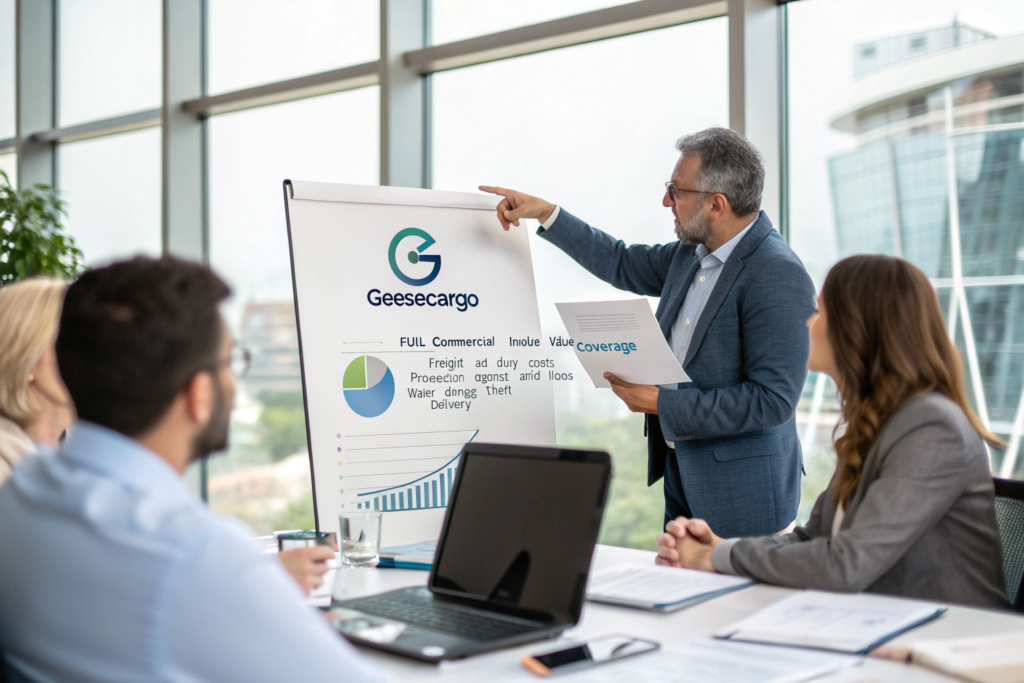
The insurance gap in weak DDP contracts comes from insufficient coverage limits and narrow policy terms. GeeseCargo closes this gap by carrying a comprehensive, all-risk cargo insurance policy. We cover the full commercial invoice value of your goods, plus freight and duty costs. Our policy covers partial loss, water damage, theft, and non-delivery. We do not limit coverage to total loss only. If 3 pallets out of 10 are damaged, we pay for 3 pallets. We handle the claim internally and issue your credit immediately. You do not wait for the insurance company’s investigation. We make you whole first. We fight the insurance company second.
I recall a shipment of high-end clothing that went through a severe storm in the Gulf of Mexico. The container was not lost, but the roof seal failed. Saltwater dripped onto the top cartons. About 20% of the goods were moldy on arrival. The client called in a panic. The value of the damaged goods was around $15,000. Their previous forwarder’s insurance would have denied it. "Act of God" and "partial loss" exclusions. Our policy covered it. We sent an adjuster to the warehouse the next day. We cut the client a check for $15,000 within 10 business days. We did not make him prove the container was defective. We did not make him sue the shipping line. We paid him. Then we recovered the money from the carrier. That is how cargo insurance should work. As a buffer between you and chaos.
What Are Common Insurance Exclusions That Hurt Importers?
Read the fine print of a cheap insurance certificate. Look for "FPA" which means Free of Particular Average. This is an old marine term that means the policy only covers total loss of the vessel or container. If the container is damaged but not destroyed, you get nothing. Look for exclusions on "rust, oxidization, and moisture." Most cheap policies exclude moisture damage unless it is caused by a specific peril like "vessel stranding." A leaky container seal does not qualify. Your clothing gets moldy. You are denied. Look for "theft from unattended vehicle" exclusions. If a trucker parks overnight and gets robbed, some policies will not pay. Our all-risk policy has none of these traps. We pay for accidental damage, regardless of the cause, subject to standard exclusions like war and nuclear risk. We lay out the coverage terms clearly before you ship. You know exactly what is insured. No hidden surprises.
How Do We Handle a Damage Claim Without the Runaround?
The traditional claim process is a torture chamber. You submit a form. You submit photos. You get a surveyor assigned. The surveyor takes 3 weeks to visit. The report takes another 2 weeks. The insurance company asks for more documents. The forwarder says it is the shipping line’s fault. The shipping line says it is the terminal’s fault. Six months pass. You still have no money. We reverse this entirely. When you receive damaged goods under our DDP, you notify your GeeseCargo account manager. You send photos. We immediately issue a credit against your next invoice, or we cut a check. We resolve the financial impact to you within 30 days. Then our claims department goes after the responsible party. You are not involved in the subrogation process. You are already whole. This is possible because we have the financial strength to front the settlement. A small forwarder cannot do this. They need the insurance payout before they can pay you. We free you from the insurance claims purgatory.
Risk 4: The Last-Mile Handoff That Damages Your Brand
The container clears customs. It moves to a deconsolidation warehouse. The DDP journey is almost over. This is where many forwarders take their eye off the ball. They hand the final delivery to the cheapest trucker on a load board. They do not vet the carrier. They do not pre-clear the delivery appointment. They do not confirm the equipment type. The trucker shows up at your warehouse without a liftgate. Your team cannot unload. The trucker leaves with your goods. You call the forwarder. They say, "It’s out of our hands. Talk to the trucker." The final mile becomes a standalone crisis. Your brand looks bad to your own receiving staff. Your goods are stuck on a truck somewhere in the city. This is the last-mile handoff risk.
The last-mile handoff risk arises when a DDP forwarder treats the final trucking as a commodity and outsources it to unvetted contractors. GeeseCargo eliminates this risk by managing the final mile with the same rigor as the ocean leg. We use a network of pre-approved, high-service-level drayage and box truck carriers. We pre-book delivery appointments. We confirm equipment specifications, including liftgates and pallet jacks. We track the truck in real-time. If a truck breaks down, we dispatch a replacement within hours. Your goods arrive on time, intact, and handled by a professional who understands your receiving requirements.
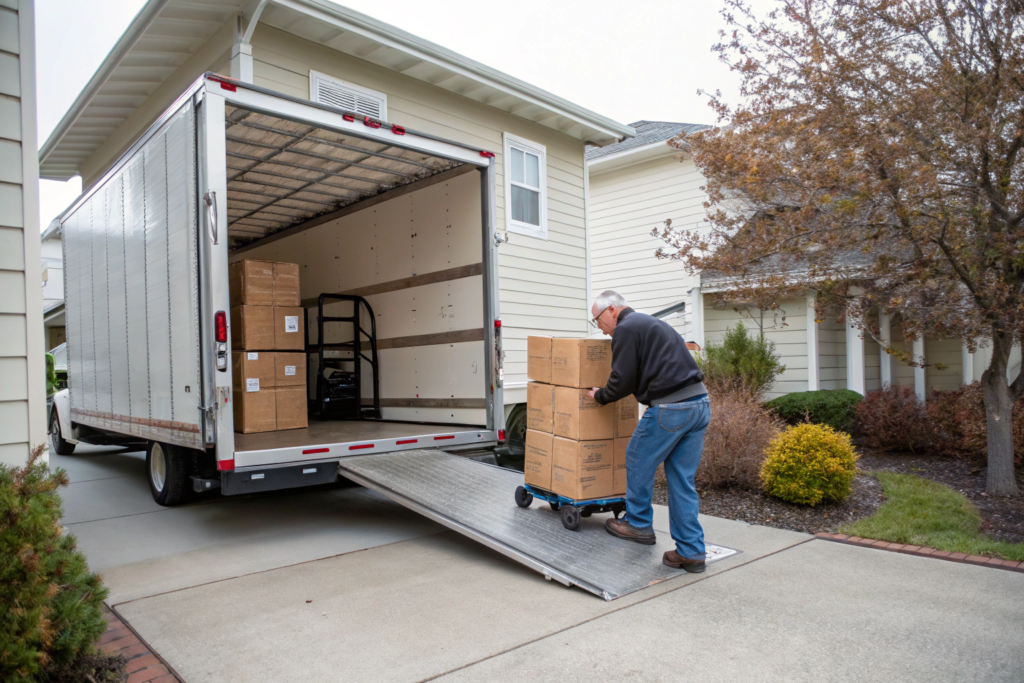
I once had a client tell me his previous DDP experience ended with a box truck blocking his residential street for 4 hours. The driver could not lower the pallet because he had no liftgate. The driver asked my client to help hand-unload the pallet. My client, a 60-year-old business owner, spent his afternoon unloading heavy boxes in the rain. He fired that forwarder. When he switched to us, we sent a liftgate truck with a driver who unloaded the pallet himself and placed it exactly where the client wanted in his garage. The client told me that one delivery was worth the entire switch. The final mile is the only physical touchpoint you have with the freight. It should be a pleasant experience. We make sure it is. We do not let a random trucker ruin the relationship we built with you over the previous weeks of ocean transit.
Why Does Delivery Appointment Management Prevent Demurrage?
Demurrage charges start on day 5 at most ports. If the container sits at the terminal because the trucker cannot get an appointment, the charges rack up. A cheap forwarder blames the terminal. The terminal blames the trucker. You get the bill. We prevent this by actively managing the appointment calendar. As soon as the vessel is discharged, our team books the earliest available pickup slot. We monitor the terminal website for cancellations. If an earlier slot opens, we grab it. We dispatch the trucker with precise instructions. The container is out of the terminal before the free days expire. We do not let the clock run. We do not hope for the best. We actively manage the port drayage schedule. This operational discipline eliminates the demurrage panic that plagues poorly managed DDP shipments.
What Happens When the Delivery Address Is a Residential Area?
Many online sellers and small brand owners operate from a home warehouse or a rented garage. This is a commercial delivery to a residential address. It triggers a whole set of challenges. Large 53-foot tractor-trailers cannot access narrow residential streets. The driver needs a smaller box truck. The driver might need a liftgate. There might be HOA rules about truck idling. A standard freight forwarder does not care. They send a full-size truck and let the driver figure it out. The driver calls you, angry. We pre-qualify every address. If your location requires a smaller truck, we dispatch a smaller truck. If you need after-hours delivery, we arrange it. We communicate the specifics to the carrier in writing. The driver knows the access constraints before they turn the key. This residential delivery planning is standard in our DDP service. It removes the friction from the final 50 feet of the journey.
Risk 5: The Communication Blackout When Problems Arise
DDP is sold on peace of mind. But peace of mind evaporates fast when your emails go unanswered. A container is delayed. Customs issues a hold. The vessel changes its rotation. You do not know any of this because your forwarder does not update you. You log in to their tracking portal. The status says "In Transit" for 12 days. You send an email. No reply. You call. Voicemail. The anxiety spikes. You have a retail buyer asking for an ETA. You have payroll due. You are in the dark. This communication blackout is a hidden risk of choosing a DDP provider that overpromises and under-communicates. They sold you a service but they lack the operational backbone to keep you informed.
The communication blackout risk occurs when a DDP forwarder lacks proper tracking systems or dedicated account managers. GeeseCargo eliminates this by assigning every client a named account manager and providing proactive, real-time status updates. You do not chase us for news. We push updates to you. We tell you the gate-in time in China. We tell you the vessel departure. We alert you immediately if customs holds the entry. You have a direct phone line and email to a real person who knows your shipment history. No chatbots. No ticket numbers. Just a human relationship. We believe that a silent forwarder is a failing forwarder.
I answer my own phone. Seriously. I give my direct line to key clients. If a container gets caught in an exam, I want my client to hear it from me, not from a portal. I explain what the exam means. I give a realistic timeline. I tell them what we are doing to expedite it. This transparency builds trust. Even bad news is manageable if it arrives early and with a plan. The risk is not the delay. The risk is the unknown. A blackout turns a 2-day delay into a week of psychological torture for a business owner. We refuse to put our clients through that. We over-communicate on purpose. We would rather send 3 updates too many than 1 update too few.
How Does a Dedicated Account Manager Change Your Experience?
A dedicated account manager is a single human who owns your outcome. They are not a department. They are not a rotating shift of customer service reps. They know your product. They know your HS codes. They know your supplier’s quirks. When you email, you email them. They reply. If they are on vacation, they hand you off to a named colleague with a full briefing. This consistency means you do not have to re-explain your business on every call. The account manager proactively reviews your shipments. They see a potential weather delay on the Pacific. They email you before you even know there is a storm. They suggest alternative routing for your next shipment to avoid congestion. They act as your internal logistics advisor. This human touch is what separates GeeseCargo from the faceless online freight platforms. We invest in customer service because DDP is a relationship, not a transaction.
What Real-Time Tracking Visibility Do We Provide?
We use a GPS-enabled tracking platform that integrates with our trucking partners and port data feeds. You receive a unique tracking link for your shipment. The link shows the container’s physical location on a map during the China trucking leg. It shows the vessel’s satellite position during the ocean crossing. It shows the customs clearance status. It shows the final mile truck’s GPS position on delivery day. You see the same screen our operations team sees. There is no information asymmetry. You are not guessing. You can share the link with your retail buyer. They can see the ETA for themselves. This visibility is a tool of professionalism. It makes you look organized to your own customers. It reduces the number of "Where is my stuff?" emails. It transforms the shipping experience from a black box into a glass box. This is the supply chain visibility standard we set for all DDP shipments.
Conclusion
DDP shipping holds the promise of a stress-free import experience. But that promise is only as strong as the forwarder who makes it. The hidden risks I have walked you through are not theoretical. They are the everyday reality of cheap, undercapitalized DDP providers. The Importer of Record shell game leaves you legally exposed to audits without your knowledge. The tariff spike pass-through trap explodes your budget mid-transit. The insurance gap denies you compensation when your goods are damaged. The last-mile handoff damages your receiving team’s trust. And the communication blackout turns a simple delay into a panic. Each of these risks is a crack in the foundation of a bad DDP contract.
At GeeseCargo, we have sealed every single one of these cracks. We stand as the true Importer of Record, with our name on the 7501 and our continuous bond on the line. We lock in the landed cost and absorb tariff spikes internally. We carry comprehensive all-risk insurance and pay claims immediately. We manage the final mile with precision and care. And we assign you a dedicated human who answers the phone and gives you real-time visibility into your shipment. I did not build this company to be the cheapest DDP provider. I built it to be the safest. If you are ready to experience DDP without the hidden risks, visit us at geesecargo.com. Let us quote your next shipment and show you what genuine, protective DDP shipping feels like. You focus on your brand. We will handle the risks.