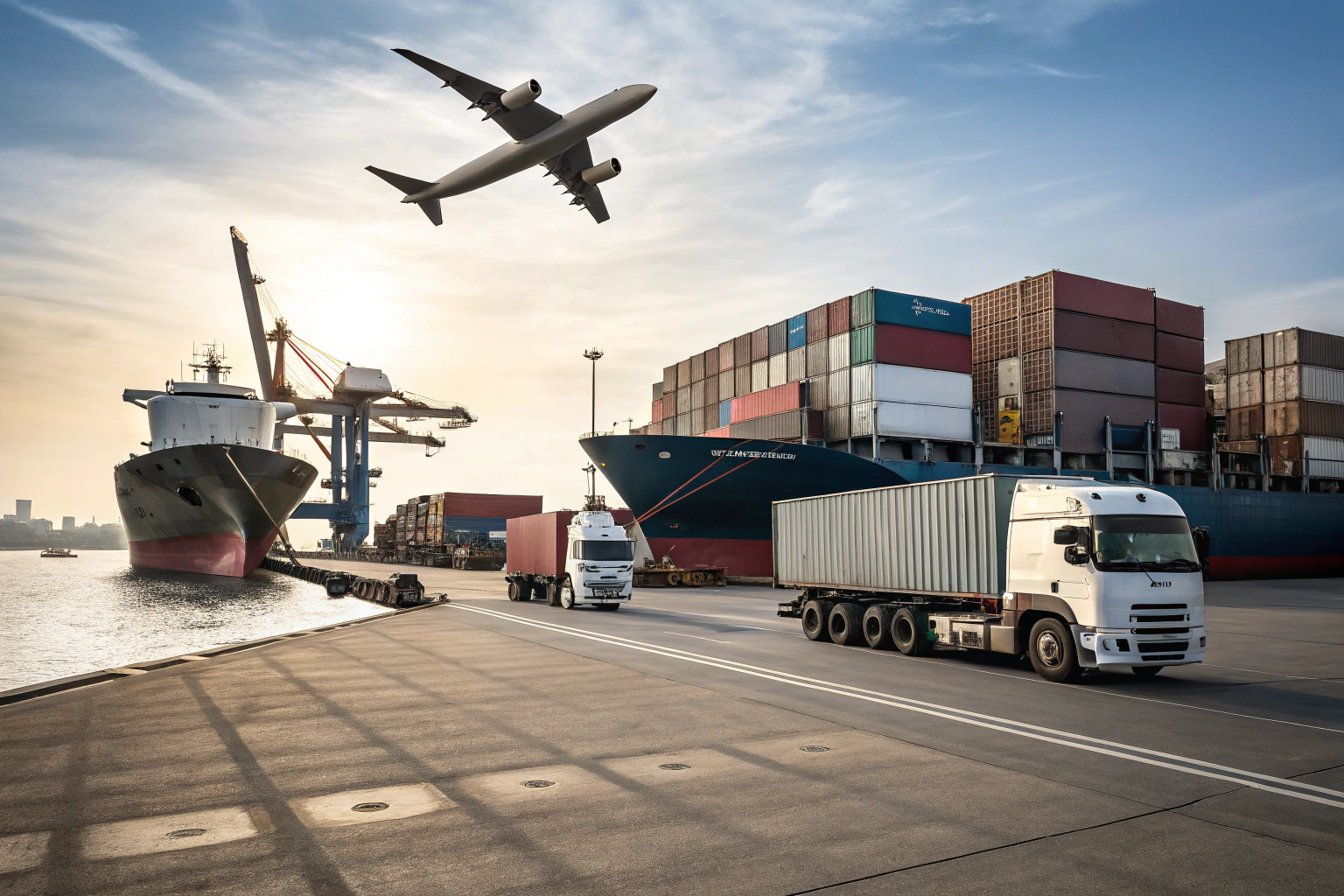
As a freight forwarder, I know that many clients assume international shipping is simple once they hand cargo to us. But hidden risks exist at every stage—from factory pickup to final delivery. If overlooked, these risks can cause costly problems for business owners like Ron, who imports goods from China to the U.S.
Hidden risks in freight forwarding include documentation errors, unexpected costs, compliance failures, cargo theft, and unreliable partners. Recognizing and managing these risks ensures smooth, safe, and profitable trade.
I want to share what these risks are, why they matter, and how we manage them at GeeseCargo to protect our clients.
Why Are Documentation Errors a Serious Risk?
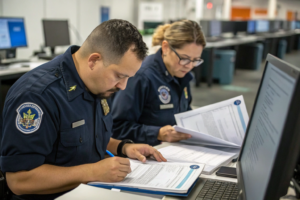
Documentation may seem routine, but even one small error can stop a shipment at customs. Many clients underestimate how complex international paperwork is.
Incorrect or incomplete documentation is one of the biggest hidden risks, causing customs delays, fines, or even cargo seizure.

How can errors cause customs delays?
Customs authorities are strict. If a bill of lading or commercial invoice has mistakes, shipments may be held for days or weeks. According to U.S. Customs and Border Protection, incomplete filings can lead to penalties or seizure. I once helped a client who used the wrong HS code; without my correction, their goods could have been delayed for months.
Can forwarders reduce this risk for clients?
Yes. Forwarders are experts in compliance paperwork. Tools like CargoWise help automate document checks. At GeeseCargo, my team double-verifies every document before submission. This proactive step saves clients like Ron time and costly mistakes.
What Financial Risks Do Shippers Overlook?
Many clients believe freight costs are only about booking space on a ship or plane. In reality, unexpected charges often appear during the process.
Financial risks include hidden fees, currency fluctuations, tariff changes, and demurrage charges. Without proper planning, these costs can overwhelm profit margins.
What hidden fees surprise most importers?
Charges like port handling fees, storage costs, and detention fees catch many businesses off guard. Maersk explains that demurrage and detention costs rise quickly when containers sit too long at terminals. I always inform my clients in advance about possible extra charges to prevent shocks.
How can tariff changes impact profitability?
Tariffs can shift suddenly due to trade disputes. World Trade Organization updates show how policy changes affect supply chains. During the U.S.-China trade war, many of my clients saw costs spike overnight. By monitoring policies and advising clients early, I help them adjust pricing strategies.
How Does Cargo Security Pose Hidden Risks?
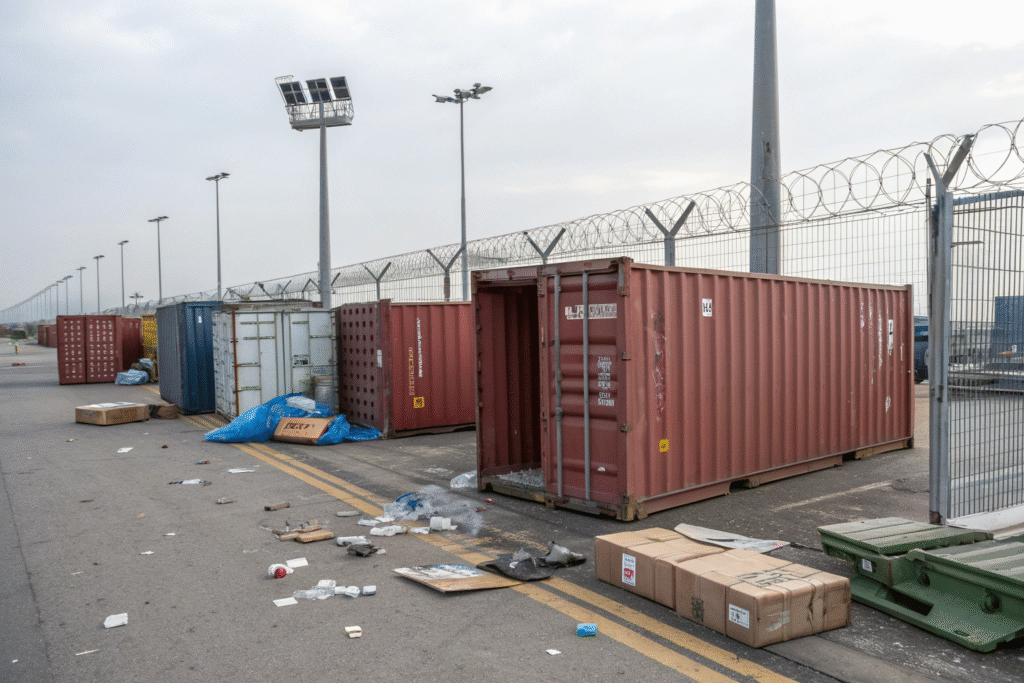
Cargo theft and damage remain major concerns in freight forwarding, especially for high-value goods. Many importers assume their shipments are always safe once they leave the factory.
The hidden security risks include cargo theft, tampering, and loss during transit. Insurance helps, but prevention is the real key.
How common is cargo theft in global trade?
According to CargoNet, cargo theft in the U.S. alone causes billions in annual losses. Criminals target vulnerable shipments, especially during trucking between ports and warehouses. Electronics, apparel, and luxury goods are top targets.
What steps reduce theft risk?
Using GPS tracking, sealed containers, and secure carriers lowers risk. Verizon Connect shows how real-time tracking prevents theft by alerting suspicious route changes. At GeeseCargo, we work only with trusted carriers and monitor shipments closely.
Why Is Choosing the Right Forwarding Partner Crucial?
Not all forwarders operate with the same standards. Some offer cheap rates but lack transparency or reliability. Choosing the wrong partner can expose clients to hidden risks.
Unreliable forwarders can cause shipment delays, miscommunication, compliance failures, and financial loss. The right partner reduces risks and builds long-term trust.

How do unreliable forwarders create risks?
Some forwarders cut costs by using unlicensed carriers or skipping compliance steps. This often leads to delays, extra costs, or even legal trouble. FIATA stresses the importance of working with certified professionals. I’ve met importers who switched to me after losing thousands due to hidden practices by unreliable agents.
What makes a reliable forwarder different?
A reliable forwarder provides transparency, updates, and proactive solutions. Platforms like Flexport highlight how visibility improves client confidence. At GeeseCargo, I make sure my clients always know where their cargo is and what to expect next.
Conclusion
Freight forwarding is full of hidden risks—documentation errors, unexpected costs, security issues, and unreliable partners. These problems often remain unseen until they damage businesses.
As a professional forwarder, my responsibility is to uncover and prevent these risks before they affect clients like Ron. By combining technology, compliance expertise, and trusted partnerships, I help businesses ship safely and profitably.
At GeeseCargo, we don’t just move cargo—we protect it against the hidden dangers of global trade.