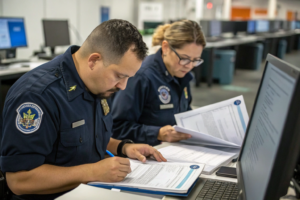
When one of our clients had a $2.3 million container hijacked en route from Shanghai to Rotterdam last year, we discovered the security threats to global shipping have evolved far beyond traditional piracy. As founder of GeeseCargo with extensive security experience, I've witnessed how modern threats combine physical, cyber, and geopolitical risks that require comprehensive protection strategies. Understanding these threats isn't just about risk avoidance—it's essential for maintaining reliable supply chains in an increasingly volatile world.
The biggest security threats to global shipping now include sophisticated cyber attacks on port infrastructure, geopolitical conflicts disrupting key shipping lanes, organized cargo theft networks, supply chain corruption, and climate-related disruptions. These threats cost the shipping industry approximately $30-50 billion annually through theft, delays, ransomware payments, and increased insurance premiums.
Modern shipping security requires layered protection approaches that address both physical and digital vulnerabilities while accounting for rapidly evolving threat landscapes. Companies that implement comprehensive security protocols typically experience 60-80% fewer security incidents and recover 3-5 times faster when breaches occur.
How Have Cyber Threats Transformed Shipping Security?
Digitalization has created unprecedented efficiencies but also introduced vulnerabilities that threaten entire supply chains, not just individual components.

What Types of Cyber Attacks Target Shipping Infrastructure?
Port operation system ransomware can paralyze entire terminals. Recent attacks on major European and Asian ports demonstrated how ransomware can halt operations for days, creating cascading delays throughout global networks.
Vessel navigation system spoofing threatens maritime safety. GPS manipulation and AIS spoofing can misdirect vessels into dangerous waters or create collisions risks, particularly in congested shipping lanes.
Shipping documentation fraud through system infiltration causes cargo misdirection. Cyber criminals accessing booking systems can redirect containers to fraudulent addresses, resulting in complete cargo loss.
How Does Supply Chain Data Vulnerability Create Risks?
Bill of lading manipulation enables cargo theft without physical breach. Digital document forgery allows criminals to claim legitimate cargo at destination ports, making theft appear as proper receipt.
Sensitive commercial data extraction facilitates targeted theft. Access to shipment values, contents, and security arrangements enables criminals to identify high-value targets for physical interception.
Third-party vendor vulnerabilities create backdoor access. Logistics software providers, freight forwarders, and other service partners often have system access that becomes an attack vector if improperly secured.
What Geopolitical Risks Threaten Shipping Lanes?
International tensions have weaponized global trade routes, creating security challenges that extend far beyond traditional maritime concerns.
How Do Regional Conflicts Disrupt Global Shipping?
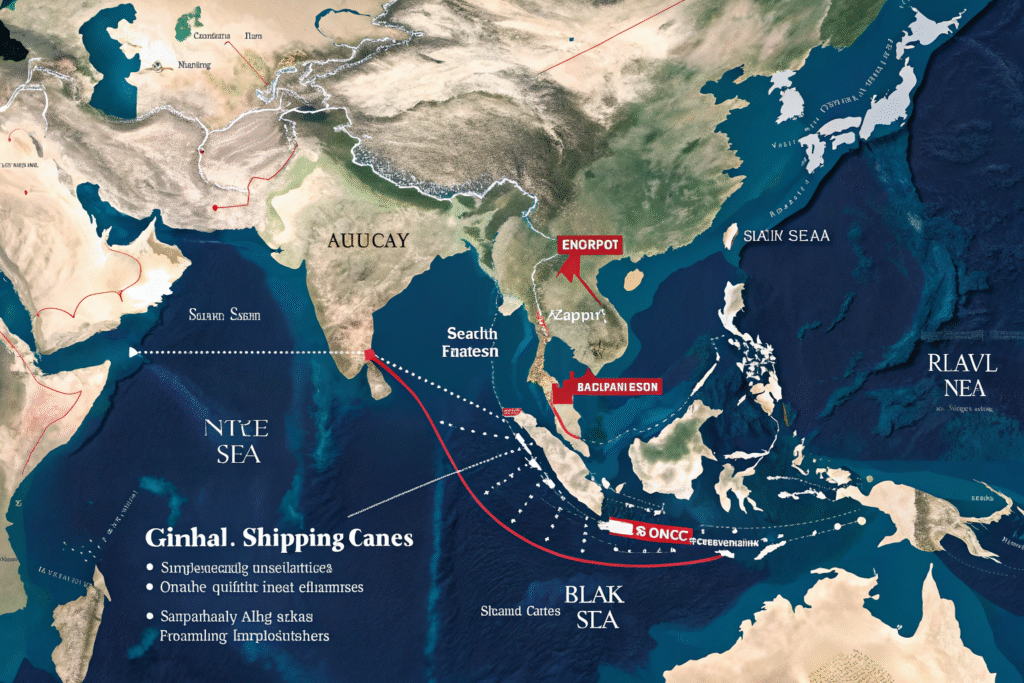
Strategic chokepoint weaponization threatens vital trade arteries. The Houthi attacks in the Red Sea demonstrated how non-state actors can effectively close critical shipping lanes, forcing vessels onto longer, costlier routes.
Naval blockade threats in conflict zones create insurance and routing challenges. The Black Sea situation shows how regional conflicts can remove entire maritime regions from viable shipping routes, creating capacity constraints elsewhere.
Political sovereignty disputes increase transit risks. The South China Sea tensions create navigation uncertainties and potential interdiction risks for vessels transiting contested waters.
What Sanction Evasion Risks Create Compliance Challenges?
Shadow fleet operations complicate maritime security. The growth of vessels operating outside international regulations to evade sanctions creates collision, environmental, and safety risks for legitimate shipping.
Documentation forgery for sanctioned goods carries legal consequences. Sophisticated networks creating false documentation for restricted cargo create compliance risks for unwitting participants in shipping chains.
Port access restrictions based on vessel history create operational complexity. Increasing scrutiny of vessel ownership and past port calls creates unexpected denials of entry that disrupt supply chains.
How Has Cargo Theft Evolved as a Threat?
Traditional piracy has transformed into sophisticated criminal enterprises that exploit supply chain vulnerabilities from multiple angles.
What Are the Most Common Modern Theft Methodologies?
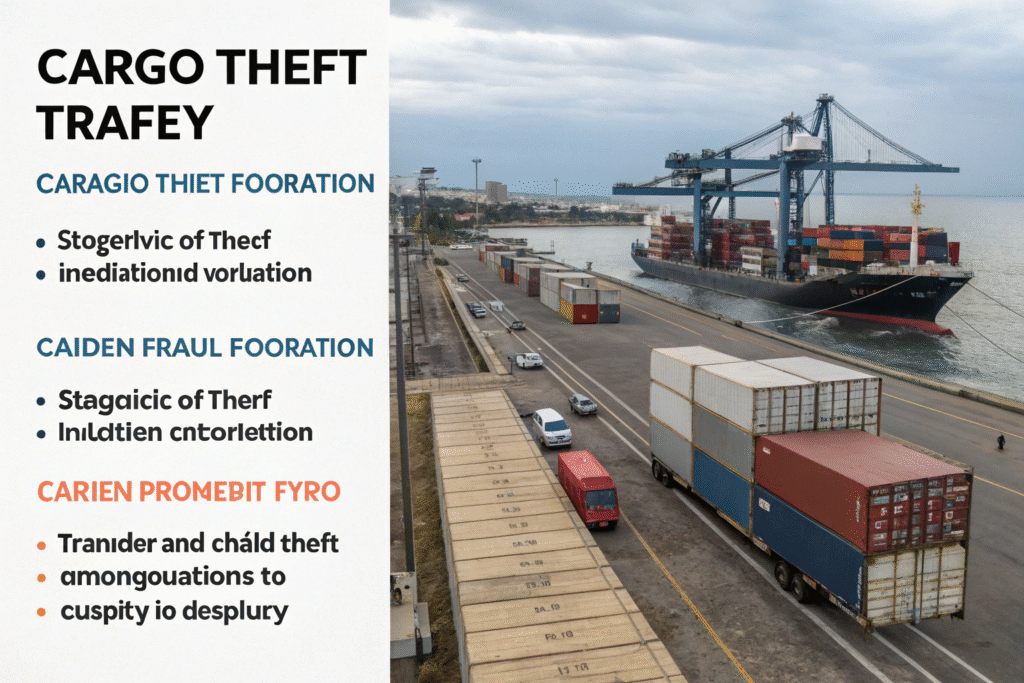
Strategic location targeting exploits specific vulnerability points. Major theft hotspots include port areas in Central America, South Africa, and Southeast Asia where criminal networks have established sophisticated operations.
Insider information utilization enables precise targeting. Corrupt employees at manufacturers, logistics providers, or carriers provide shipment details that allow thieves to identify high-value targets and intercept them efficiently.
Fictitious pickup schemes using forged documentation have increased. Sophisticated document forgery allows criminals to present seemingly legitimate credentials to obtain cargo from terminals and warehouses.
How Does Cargo Theft Impact Different Transportation Modes?
Container theft at rest stops remains prevalent for truck transport. Organized gangs track high-value containers and intercept them during mandatory driver rest periods, particularly in Europe and North America.
Terminal infiltration targets containers awaiting transshipment. Criminal networks with inside access can manipulate container positioning and documentation to redirect specific containers during complex port operations.
Vessel boardings continue in specific high-risk regions. While decreased from peak piracy years, boarding and hostage situations still occur in the Gulf of Guinea, Southeast Asia, and certain South American waters.
What Internal Security Threats Often Go Unnoticed?
Some of the most damaging security breaches originate within organizations or their trusted partner networks.
How Does Supply Chain Corruption Create Vulnerabilities?
Customs official bribery enables documentation manipulation. Corrupt officials can facilitate theft by approving fraudulent releases or tipping off criminal networks about inspection schedules and high-value shipments.
Port worker collusion provides physical access and information. Employees with terminal access can position containers for easy theft, disable security measures, or provide shipment details to criminal networks.
Carrier employee manipulation enables cargo diversion. Corrupt vessel crew, truck drivers, or warehouse staff can physically redirect shipments or provide access during transit.
What Process Weaknesses Enable Security Breaches?
Inadequate identity verification allows fictitious pickups. Failure to properly verify truck drivers and their documentation enables cargo theft through impersonation and forged documents.
Poor access control permits unauthorized facility entry. Inadequate perimeter security, access logging, and visitor management at warehouses and terminals create theft opportunities.
Insufficient background checking enables insider threats. Inadequate employee vetting, particularly for temporary and contract workers, allows criminal infiltration of logistics operations.
How Can Companies Implement Effective Security Measures?
Layered security approaches that address physical, cyber, and human factors provide the most comprehensive protection against evolving threats.
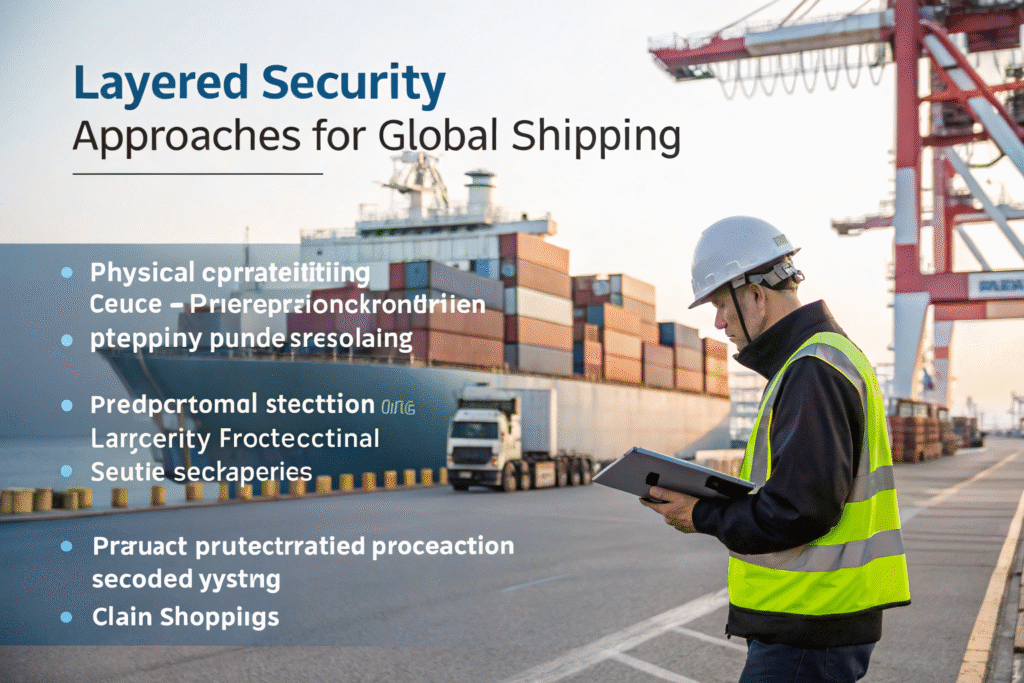
What Physical Security Measures Provide the Best Protection?
Container security devices offer real-time monitoring and alerts. Modern electronic seals with GPS, door sensors, and shock detection provide immediate notification of tampering or unauthorized access.
Secure parking facilities with surveillance prevent truck-based theft. Verified secure parking locations with guards, lighting, and monitoring protect cargo during mandatory rest periods.
Facility access controls with biometric verification limit unauthorized entry. Multi-factor access systems, visitor escorts, and comprehensive activity logging protect terminals and warehouses.
How Can Cyber Security Be Strengthened in Maritime Operations?
Network segmentation limits breach propagation. Separating operational technology (crane systems, vessel navigation) from administrative systems prevents single breaches from compromising entire operations.
Multi-factor authentication prevents unauthorized system access. Requiring multiple verification methods for critical systems significantly reduces vulnerability to credential theft and phishing attacks.
Regular security audits and penetration testing identify vulnerabilities. Proactive assessment of systems, processes, and physical security measures identifies weaknesses before criminals exploit them.
What Emerging Threats Require Future Preparation?
The threat landscape continues evolving, requiring forward-looking security strategies that address developing risks.

How Will Climate Change Impact Shipping Security?
Port infrastructure vulnerability to extreme weather creates operational risks. Rising sea levels and increasingly severe storms threaten port operations in vulnerable regions, creating potential choke points.
Arctic route accessibility introduces new security challenges. As melting ice opens northern passages, monitoring and securing these remote routes presents unique challenges for vessel safety and security.
Resource scarcity conflicts may threaten shipping lanes. Climate-induced water and food shortages could increase political instability in regions containing critical maritime passages.
What Technological Developments Create New Vulnerabilities?
AI-powered attack tools enable more sophisticated targeting. Machine learning algorithms can identify security pattern weaknesses and optimize attack timing beyond human capability.
Quantum computing threatens current encryption standards. Future quantum systems could break existing data protection, compromising secure communications and documentation.
Autonomous vessel systems create new cyber attack surfaces. As shipping automates, vessel systems become potential targets for remote takeover and manipulation.
Conclusion
Global shipping faces an increasingly complex security landscape where physical, cyber, and geopolitical threats converge. The most successful companies implement integrated security strategies that address vulnerabilities across their entire supply chain rather than focusing on individual threat types. This comprehensive approach typically reduces security incidents by 60-80% while significantly decreasing recovery time and costs when breaches occur.
At GeeseCargo, we've developed security protocols that have helped clients reduce cargo losses by 75% while maintaining efficient operations. The most effective approaches combine technological solutions with human vigilance, recognizing that security is ultimately about managing risk rather than achieving perfect protection.
Begin your security enhancement by conducting a thorough risk assessment of your specific shipping patterns, then implement layered protections that address your highest-priority vulnerabilities. Remember that in global shipping, security isn't a cost center—it's an essential investment in supply chain reliability and business continuity.