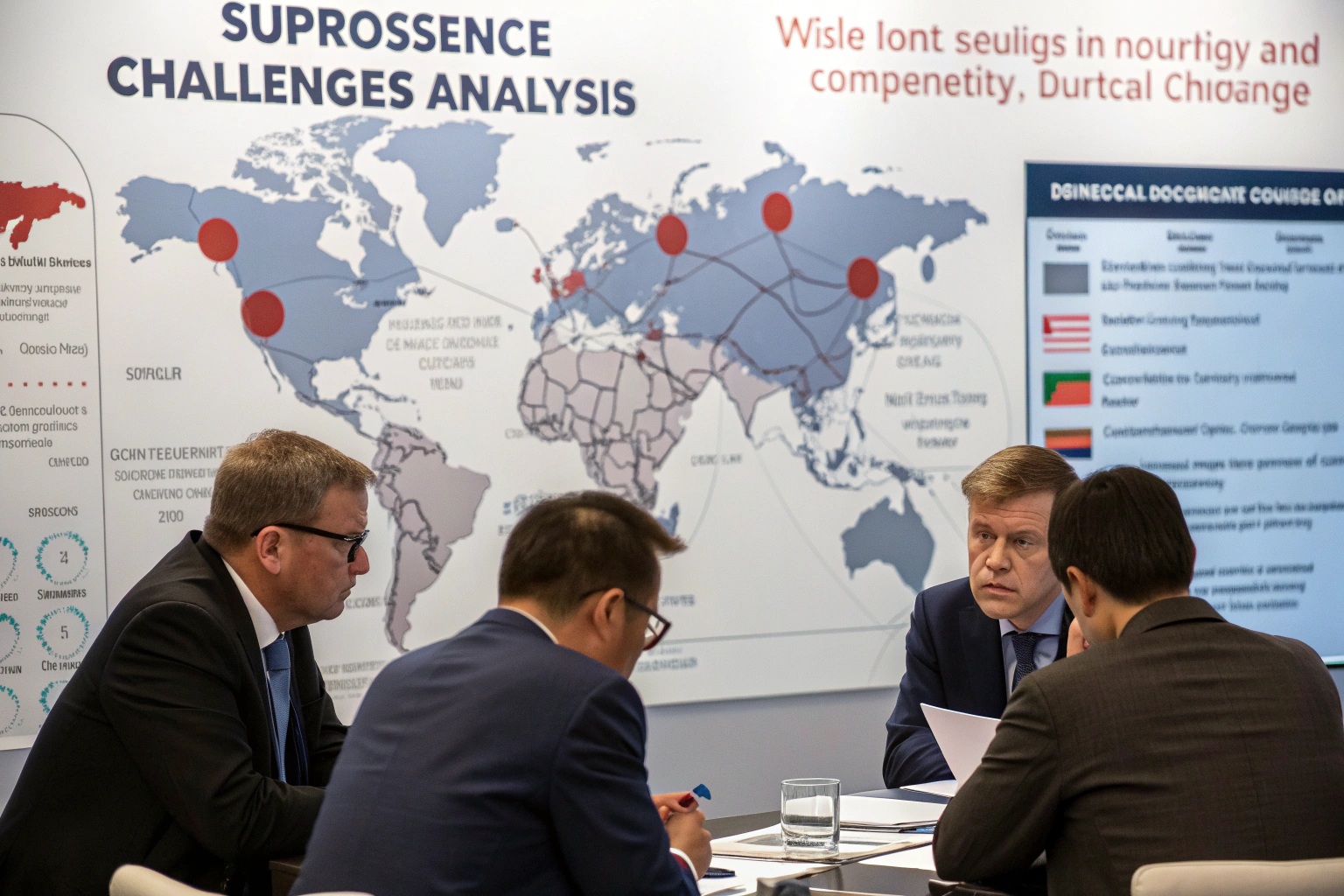
Sourcing from China continues to offer significant advantages, but the landscape has become increasingly complex with new challenges emerging from geopolitical tensions, supply chain disruptions, and evolving regulatory requirements. Many companies that successfully sourced from China for years now face unfamiliar obstacles that require strategic adaptation rather than simple operational adjustments.
The biggest challenges when sourcing from China now include geopolitical trade tensions, increasing production costs, severe supply chain disruptions, complex compliance requirements, and quality control issues. These challenges require businesses to develop more sophisticated sourcing strategies that balance cost advantages against resilience, compliance, and operational stability.
Let's examine the specific challenges reshaping China sourcing and practical strategies to navigate this increasingly complex environment.
How are geopolitical tensions impacting China sourcing?
The evolving US-China relationship has transformed from simple trade disputes to strategic competition, creating uncertainty and complexity for businesses sourcing from China. These geopolitical factors now influence sourcing decisions as significantly as cost considerations.
The Section 301 tariffs remain in place on hundreds of billions of dollars of Chinese imports, with additional tariffs threatened depending on political developments. Export controls increasingly restrict certain technology transfers and sales to Chinese companies. The Uyghur Forced Labor Prevention Act creates extensive due diligence requirements across multiple industries. Additionally, broader decoupling in strategic sectors means some businesses face pressure to reduce Chinese sourcing regardless of economic advantages. These factors collectively create a volatile trade environment where long-term sourcing strategies require careful geopolitical assessment.

What specific geopolitical risks affect sourcing decisions?
Key geopolitical challenges include:
- Tariff uncertainty with potential additional duties on various product categories
- Export controls restricting certain technology and product sales to China
- Forced labor compliance requiring extensive supply chain due diligence
- Investment restrictions limiting certain types of Chinese business relationships
- Political pressure to diversify sourcing away from China in strategic sectors
These factors require businesses to incorporate geopolitical risk assessment into sourcing strategies.
How can businesses mitigate geopolitical sourcing risks?
Effective mitigation strategies include:
- Supply chain mapping to identify vulnerabilities and compliance requirements
- Diversification planning developing alternative sourcing options
- Legal compliance expertise ensuring adherence to evolving regulations
- Political risk monitoring staying informed about potential policy changes
- Scenario planning preparing for different trade policy outcomes
Proactive risk management transforms geopolitical challenges from crises into manageable business factors.
Why are supply chain disruptions so persistent?
The supply chain disruptions that began during the pandemic have evolved rather than disappeared, with new bottlenecks replacing old ones. These disruptions now represent structural challenges rather than temporary anomalies.
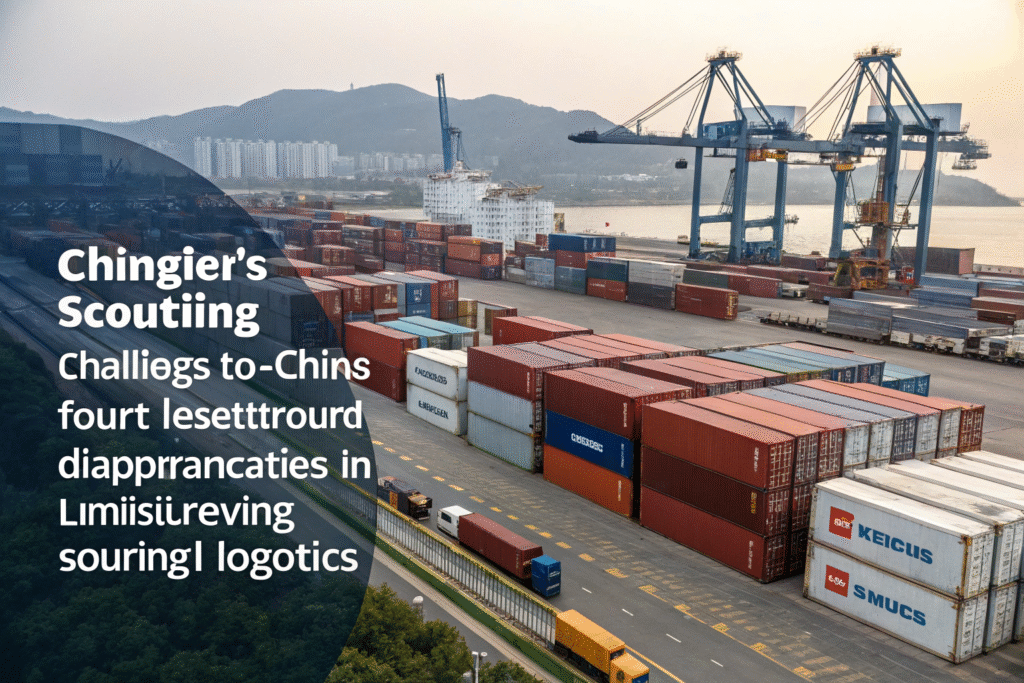
Shipping costs have stabilized from pandemic peaks but remain volatile, with significant rate fluctuations during peak seasons. Port congestion continues to affect major Chinese ports and US West Coast destinations, though the specific choke points shift. Equipment shortages, particularly of specialized containers, create unpredictable delays. Labor disputes and port worker shortages add another layer of uncertainty. These interconnected disruptions mean that reliable lead times have become increasingly difficult to maintain, requiring larger inventory buffers and more flexible logistics strategies.
What are the most significant current disruption points?
Key disruption areas include:
- Port congestion at major Chinese export hubs during peak seasons
- Equipment imbalances with container shortages at key manufacturing regions
- Capacity constraints during seasonal shipping peaks
- Weather disruptions increasingly affecting port operations and shipping routes
- Labor challenges at ports, warehouses, and transportation networks
Identifying these specific pain points helps target mitigation efforts effectively.
How can businesses build disruption-resistant supply chains?
Resilience-building strategies include:
- Multi-port strategies using alternative Chinese departure ports
- Buffer inventory planning accounting for increased lead time variability
- Logistics diversification using multiple carriers and transportation modes
- Advanced booking securing capacity during peak periods
- Relationship building with carriers for priority treatment during constraints
These approaches create supply chains that withstand disruptions rather than avoiding them entirely.
What compliance challenges are becoming more complex?
Compliance requirements for China sourcing have expanded beyond traditional customs and product safety regulations to include human rights, environmental standards, and security concerns. The compliance burden has increased significantly while the consequences of failures have become more severe.
The Uyghur Forced Labor Prevention Act requires extensive supply chain due diligence and documentation for imports from specific regions and industries. Environmental regulations increasingly affect product standards and packaging requirements. Product safety regulations continue to expand with new testing and certification requirements. Customs compliance has become more complex with increased scrutiny of valuation, classification, and country of origin claims. These expanding compliance requirements demand more sophisticated approaches than simple supplier certifications.

What specific compliance areas create the most challenges?
High-compliance-risk areas include:
- Forced labor due diligence requiring supply chain mapping to raw materials
- Environmental regulations covering product composition and packaging
- Product safety standards with increasing testing and certification requirements
- Customs compliance with heightened scrutiny of valuation and classification
- Intellectual property protection requiring careful contract structuring
These areas demand specialized expertise beyond general import compliance knowledge.
How can businesses manage increasing compliance costs?
Compliance cost management strategies:
- Centralized compliance functions leveraging expertise across the organization
- Technology investment in compliance management systems
- Supplier collaboration developing compliance capabilities together
- Industry cooperation sharing best practices and resources
- Strategic prioritization focusing resources on highest-risk areas
Effective compliance management transforms costs from burdens into risk mitigation investments.
Why are quality control issues persisting despite experience?
Many businesses with extensive China sourcing experience continue to face quality challenges, indicating that these issues stem from systemic factors rather than simple inexperience. The nature of quality problems has evolved rather than diminished.
Supplier communication gaps remain challenging despite technology improvements, with language barriers and cultural differences affecting specification understanding. Manufacturing consistency varies as factories face labor turnover and raw material quality fluctuations. Intellectual property protection requires constant vigilance despite legal agreements. The transition to more complex products introduces new quality challenges that exceed some suppliers' capabilities. These persistent quality issues require more sophisticated approaches than simple pre-shipment inspections.

What underlying factors drive persistent quality issues?
Root causes of quality challenges include:
- Specification communication gaps despite detailed documentation
- Manufacturing process variability due to workforce turnover and training issues
- Raw material quality fluctuations affecting final product consistency
- Cultural differences in quality perception and standards
- Capacity pressures leading to production shortcuts during peak periods
Addressing these root causes requires moving beyond detection to prevention.
How can businesses achieve consistent quality from China sourcing?
Quality assurance evolution includes:
- Process-based quality systems rather than just product inspection
- Supplier development programs building capabilities together
- Advanced communication tools including visual specifications and digital samples
- Performance-based relationships with incentives for quality consistency
- Technical collaboration addressing manufacturing process improvements
These approaches create sustainable quality improvement rather than just problem detection.
What cost pressures are changing China's competitive advantage?
The cost advantages that initially drove China sourcing have diminished due to multiple factors, though China remains competitive for many products. Understanding these cost dynamics helps make informed sourcing decisions.
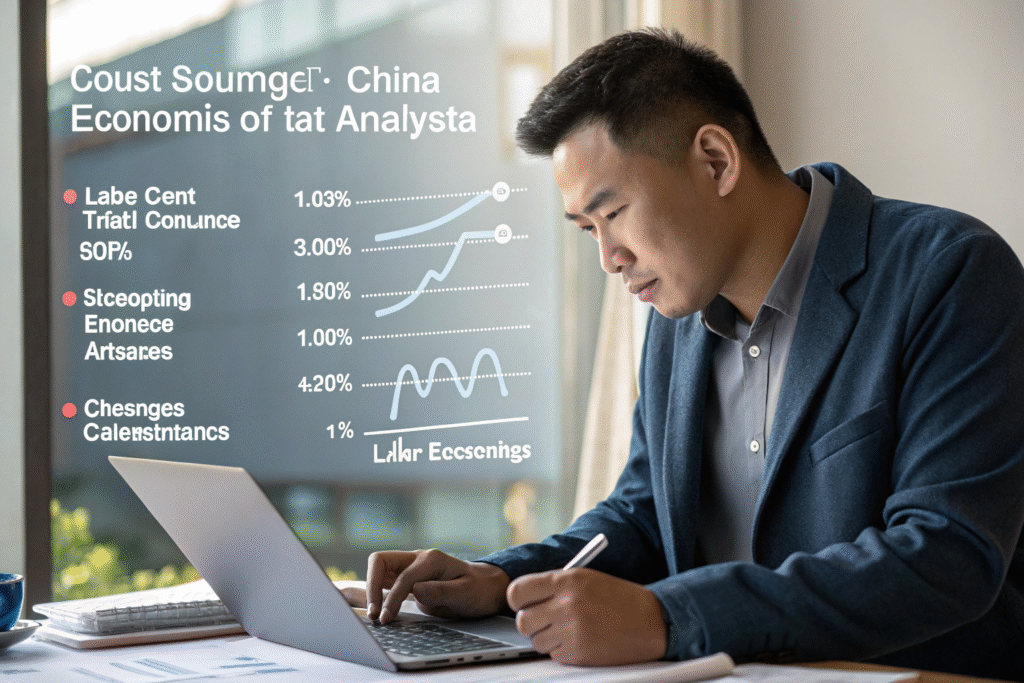
Labor costs have increased significantly in coastal manufacturing regions, though interior provinces still offer competitive rates. Raw material price volatility affects cost predictability. Environmental compliance costs have increased with China's stricter enforcement of pollution regulations. Tariffs have added 7.5-25% to many products' landed costs. Currency fluctuations create additional cost uncertainty. These factors collectively mean that China's cost advantage has narrowed rather than disappeared, requiring more nuanced sourcing decisions.
How have specific cost components changed?
Key cost developments include:
- Labor costs increasing 8-12% annually in major manufacturing regions
- Compliance expenses adding 3-5% to product costs for many categories
- Tariff impacts ranging from 7.5% to 25% depending on product category
- Raw material volatility creating cost unpredictability
- Logistics costs remaining elevated from pre-pandemic levels
Understanding these component changes helps accurate total cost calculation.
When does China sourcing still make economic sense?
China remains competitive for:
- Complex products requiring sophisticated manufacturing capabilities
- Large volume production leveraging China's manufacturing scale
- Established supply chains where transition costs exceed savings
- Products with minimal tariff impacts or available exclusions
- Regional market sourcing where China serves Asian markets
These scenarios demonstrate that China sourcing remains viable despite cost increases.
Conclusion
Sourcing from China now requires navigating geopolitical tensions, persistent supply chain disruptions, increasing compliance complexity, quality challenges, and rising costs. The most successful businesses approach these challenges strategically rather than operationally, developing comprehensive China strategies that balance cost advantages against resilience, compliance, and quality requirements. This often involves more sophisticated supplier relationships, diversified sourcing approaches, increased compliance investment, and strategic cost management. While China sourcing has become more challenging, it remains essential for many businesses—but requires more sophisticated management than in the past. The companies that thrive will be those that treat these challenges as opportunities to build more resilient, responsible, and strategic sourcing operations.