
Proper crate and pallet labeling is far more than just an administrative task—it's a critical component of supply chain efficiency, safety compliance, and inventory accuracy. As a freight forwarder who has witnessed countless labeling errors causing delays, losses, and compliance issues, I've developed systematic approaches that transform labeling from a cost center into a competitive advantage. Effective labeling ensures your shipments move smoothly through complex global logistics networks while minimizing handling errors and regulatory violations.
The best practices for crate and pallet labeling include standardized label placement, comprehensive information content, durable materials selection, regulatory compliance marking, and systematic verification processes. Exceptional labeling creates a seamless flow of information from origin through every handling point to final destination, serving as both identification and instruction for everyone who interacts with your shipment.
Labeling excellence requires attention to both technical specifications and practical operational realities. Let's examine the specific practices that distinguish exceptional labeling from merely adequate identification.
What Information Must Appear on Every Label?
Comprehensive, standardized information ensures your labels communicate effectively at every supply chain touchpoint.

What Are the Essential Identification Elements?
Unique shipment identifiers including purchase order numbers, invoice numbers, or internal tracking codes must appear prominently. These references connect the physical shipment to your electronic records, enabling quick identification and status checking throughout transit. Use barcodes or QR codes alongside human-readable text to support both manual and automated scanning.
Consignee and shipper information should be complete and accurate. Include full company names, addresses (both physical and postal), contact names, phone numbers, and email addresses. For international shipments, include tax identification numbers or importer of record information when applicable.
What Handling and Content Details Are Crucial?
Gross weight and dimensions must be clearly marked in both metric and imperial units. Weight should include both net and gross figures, with the tare weight of packaging clearly distinguished. Dimensional information should reflect the entire loaded pallet or crate, not just individual contents.
Contents description should be specific rather than generic. Instead of "machine parts," specify "hydraulic pump assembly, Model XYZ-2000." For mixed pallets, list all major components or provide an itemized packing list reference. This specificity aids customs clearance and helps handlers prioritize proper care.
How Should Labels Be Physically Applied?
Proper application ensures labels remain legible and intact throughout the entire shipping journey.

What Are the Optimal Placement Guidelines?
Multiple face labeling provides redundancy for handling from any direction. Apply identical labels to at least two adjacent sides of pallets and crates, preferably on the most visible faces that won't be against walls or other cargo. For large crates, consider labeling all four vertical sides.
Consistent height placement improves scanning efficiency. Place barcodes and main identifiers at consistent heights (typically 24-48 inches from the ground) to facilitate ergonomic scanning without excessive bending or reaching. This standardization speeds warehouse operations and reduces scanning errors.
How Can Label Durability Be Ensured?
Environmental resistance testing verifies label performance. Test labels under conditions simulating actual transit—temperature extremes, moisture exposure, UV light, and abrasion from handling. Many companies conduct transit simulation tests before selecting label materials for specific shipping lanes.
Proper surface preparation maximizes adhesion. Ensure surfaces are clean, dry, and free from dust, oil, or previous label residues before application. For wooden crates or pallets, consider applying a smooth, painted surface area specifically for labels if the wood is rough or porous.
What Regulatory and Compliance Markings Are Required?
Beyond basic identification, various regulations mandate specific markings for safety and compliance.

What Safety and Handling Symbols Are Essential?
Orientation arrows must appear on packages containing liquids or items that must remain upright. These internationally recognized symbols (two arrows forming a U with a line through it) should be large enough to be visible from a distance and placed on multiple sides.
Fragile or special handling indicators should use standardized symbols rather than text alone. While "Fragile" stickers have some value, ISO-standardized symbols for "Keep Dry," "This Side Up," or "Use No Hooks" communicate more effectively across language barriers.
What About Hazardous Materials Marking?
Proper hazard class labels are legally required for dangerous goods. These diamond-shaped labels with specific colors, symbols, and numbers must meet exact size and color specifications. They should be placed away from other labels to ensure visibility and not be obscured by straps or other packaging elements.
UN specification packaging marks must appear on certified hazardous materials containers. These codes indicate the packaging has been tested and certified to specific UN performance standards—a legal requirement for shipping many hazardous materials internationally.
How Can Technology Enhance Labeling Practices?
Modern technology solutions elevate labeling from manual process to integrated system.

What Automated Labeling Systems Offer Advantages?
Integrated data systems prevent manual entry errors. Connect labeling systems directly to your ERP, WMS, or order management systems to auto-populate label information from existing records. This integration eliminates transcription errors and ensures consistency between physical labels and electronic records.
Dynamic label generation adapts to specific requirements. Advanced systems can adjust label content based on destination (adding international compliance marks for exports), contents (adding fragile indicators for delicate items), or customer-specific requirements without manual intervention.
How Do Tracking Technologies Extend Label Functionality?
RFID integration enables non-line-of-sight identification. While more expensive than traditional barcodes, RFID tags embedded in labels allow bulk scanning of entire pallets without individual alignment, dramatically speeding inventory processes in high-volume facilities.
QR code utilization provides expanded information access. Modern smartphones can scan QR codes to access detailed packing lists, handling instructions, safety data sheets, or customs documentation stored in cloud systems rather than physically attached to shipments.
What Quality Control Processes Ensure Consistency?
Systematic verification prevents labeling errors that can disrupt entire supply chains.

What Pre-Shipment Verification Steps Are Crucial?
Triple-check verification protocol catches errors before shipments leave. Implement a three-step process: (1) Initial application verification by the labeler, (2) Independent quality check by another team member, (3) Final verification during loading against shipping documents.
Sample audit program monitors ongoing compliance. Regularly select random shipments for detailed label audits, checking every element against standards. Track error rates by operator, shift, or product type to identify training needs or process improvements.
How Should Correction Processes Work?
Error correction protocols ensure consistent fixes. When labels are found to be incorrect, establish standardized procedures for replacement—never allow handwritten corrections or sticker overlays except as temporary measures with clear "REPLACEMENT PENDING" indicators.
Root cause analysis addresses systemic issues. When labeling errors occur, investigate beyond the immediate mistake to identify process flaws, training gaps, or system issues that allowed the error to happen and reach shipment stage.
How Should International Shipment Labels Differ?
Export shipments require additional considerations beyond domestic labeling standards.
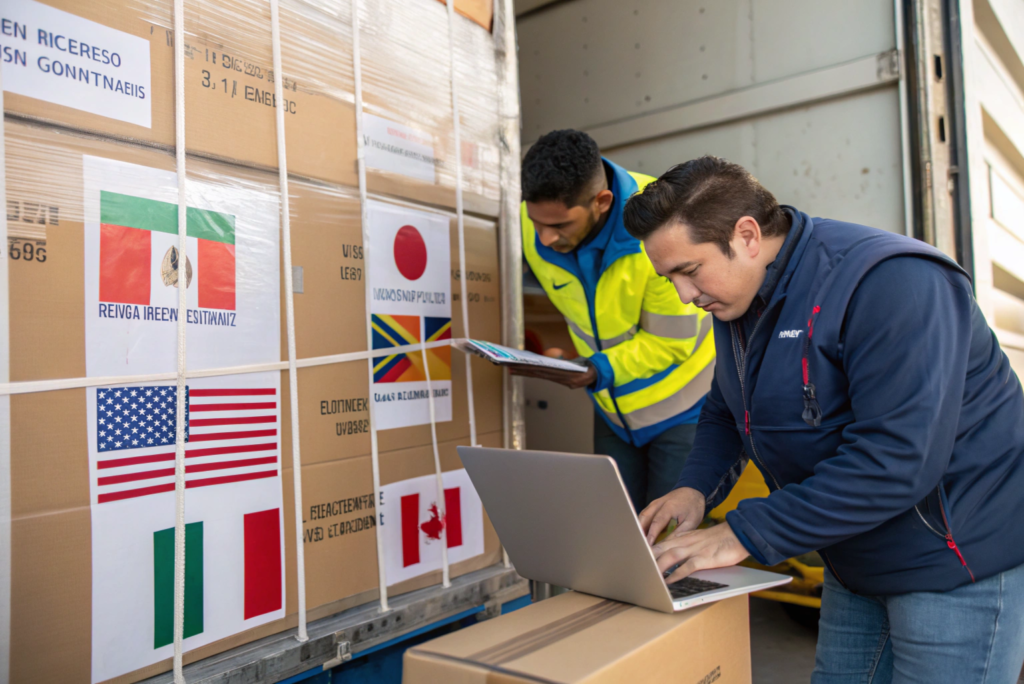
What Country-Specific Requirements Must Be Considered?
Language requirements vary by destination. While English is widely understood in global logistics, certain countries require specific information in local languages. Research destination country requirements for mandatory local language content on labels.
Customs-specific markings facilitate clearance. Some countries require unique codes, inspection markings, or certification statements on labels. Work with your freight forwarder or customs broker to identify these requirements before shipment.
How Should You Address Multiple Compliance Standards?
Layered label approach accommodates different requirements. For shipments passing through multiple countries or regions, consider applying separate labels for each regulatory regime rather than trying to create a single label meeting all requirements, which often results in cluttered, confusing information.
Regulatory change monitoring ensures ongoing compliance. International labeling requirements evolve frequently. Subscribe to regulatory update services or work with partners who provide current compliance information to avoid violations from outdated label content.
Conclusion
Exceptional crate and pallet labeling practices transform identification from an administrative task into a strategic advantage that enhances supply chain visibility, operational efficiency, and regulatory compliance. The most effective labeling systems balance comprehensive information with clear presentation, durability with cost-effectiveness, and standardization with flexibility for special requirements. While initial implementation requires investment in systems, training, and quality processes, the returns in reduced errors, faster handling, and fewer compliance issues typically deliver rapid ROI.
At GeeseCargo, we've helped clients implement labeling best practices that typically reduce shipping errors by 60-80% while decreasing handling time by 15-25%. Our experience demonstrates that companies viewing labeling as a strategic capability rather than a necessary chore achieve significantly better supply chain performance. Remember that labeling excellence is not a one-time achievement but an ongoing discipline requiring continuous monitoring, regular updates to reflect changing requirements, and systematic quality assurance to maintain standards as operations scale and evolve.