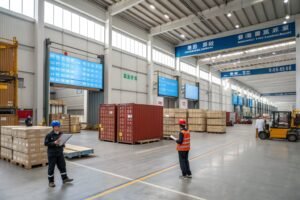
Managing freight efficiently in today’s digital landscape requires leveraging the right online tools that streamline operations, enhance visibility, and reduce costs. As a freight forwarder who has tested countless digital solutions, I’ve identified the tools that deliver real value versus those that simply add complexity. The right technology stack can transform your freight management from a constant challenge to a competitive advantage.
The best online freight management tools include transportation management systems (TMS), real-time tracking platforms, digital freight marketplaces, documentation automation software, and analytics platforms that provide actionable insights. These tools work together to create a seamless digital freight management ecosystem that saves time, reduces errors, and improves decision-making.
Choosing the right tools depends on your specific needs, shipment volumes, and technical capabilities. Let’s explore the categories that matter most for efficient freight management.
What Transportation Management Systems Offer the Most Value?
TMS platforms form the backbone of digital freight management, providing centralized control over your shipping operations.

Which TMS Features Deliver the Biggest ROI?
Multi-carrier rate shopping functionality automatically compares rates across your approved carriers and service levels. The best systems provide not just price comparisons but also transit time estimates, reliability scores, and carbon emission data. This comprehensive view enables smarter carrier selection beyond just finding the lowest price.
Automated shipment booking and documentation eliminates manual data entry and reduces errors. Look for systems that integrate with your ERP and automatically populate booking forms, commercial invoices, and shipping labels. This automation typically saves 5-10 hours per week in administrative tasks while improving accuracy.
How Do Advanced TMS Capabilities Enhance Operations?
Predictive analytics help anticipate delays and optimize routing before problems occur. Advanced systems analyze historical performance data, weather patterns, and current market conditions to recommend the most reliable routes and carriers for your specific needs.
Freight audit and payment automation streamlines your financial processes. These systems automatically verify carrier invoices against agreed rates, flag discrepancies, and process payments. This typically recovers 1-3% of freight costs through error identification and prevention.
What Real-Time Visibility Tools Provide the Best Insights?
Visibility platforms have evolved from simple tracking tools to comprehensive supply chain intelligence systems.

Which Tracking Solutions Offer the Most Comprehensive Data?
Multi-modal tracking platforms provide unified visibility across ocean, air, rail, and truck shipments. The best tools aggregate data from multiple sources including carrier APIs, port operations, and IoT sensors to provide a complete picture of your shipment’s status and condition.
Exception-based alert systems notify you only when attention is required, reducing notification fatigue. These smart systems learn your priorities and alert you to meaningful deviations from plan, such as delays, temperature excursions, or potential missed appointments.
How Can Predictive Analytics Improve Decision-Making?
AI-powered ETA calculations provide more accurate arrival predictions than standard carrier estimates. These systems analyze hundreds of variables including vessel speed, port congestion, weather patterns, and historical performance to calculate probabilities for different arrival scenarios.
Risk assessment tools identify vulnerable shipments before problems escalate. By analyzing patterns across your supply chain and external factors, these systems flag high-risk shipments and suggest proactive measures to prevent disruptions.
What Digital Freight Marketplaces Offer the Best Value?
Digital freight marketplaces have transformed how shippers connect with carriers and manage spot shipments.

How Can Spot Market Platforms Optimize Costs?
Instant freight quoting tools provide real-time market rates for immediate shipments. The most effective platforms aggregate capacity from hundreds of carriers, giving you access to competitive pricing without lengthy negotiation processes. This is particularly valuable for unexpected shipping needs or testing new lanes.
Capacity matching algorithms connect you with reliable carriers during tight market conditions. These systems analyze carrier performance history, equipment availability, and lane preferences to recommend the best matches for your specific requirements.
What About Managed Transportation Platforms?
Dedicated digital freight managers combine technology with human expertise. Some platforms assign you a dedicated representative who uses their technology tools to manage your freight while providing personalized service. This hybrid approach works well for companies wanting technology benefits without completely hands-off management.
Benchmarking analytics help you understand how your freight costs and service levels compare to market averages. These insights identify improvement opportunities and strengthen your negotiating position with carriers.
Which Documentation and Compliance Tools Save the Most Time?
Automating documentation and compliance processes reduces administrative burdens while improving accuracy.

How Can Documentation Automation Tools Help?
Smart document generation systems create shipping documents by pulling data from your existing systems. The most advanced tools use OCR and AI to extract information from emails and documents, automatically populating forms like bills of lading, commercial invoices, and certificates of origin.
Digital document management platforms provide centralized storage and easy retrieval of all shipping documents. These systems typically include version control, approval workflows, and automated retention policies, ensuring compliance while making documents accessible to authorized team members worldwide.
What Compliance Management Features Matter Most?
Automated denied party screening checks all parties in your transactions against global restricted lists. The best systems update these lists continuously and screen transactions in real-time, preventing compliance violations that could result in significant penalties.
HS code classification assistance helps ensure proper product classification for customs purposes. These tools use AI to suggest appropriate codes based on product descriptions and can learn from your past classifications to improve accuracy over time.
How Can Analytics Platforms Drive Better Decisions?
Advanced analytics transform raw shipping data into actionable business intelligence.

Which Performance Metrics Provide the Most Value?
Total landed cost calculations give you complete visibility into all costs associated with your shipments. The most useful platforms break down costs by category (transportation, duties, fees) and help identify opportunities for savings beyond just freight rates.
Carrier performance scorecards provide objective data for carrier management decisions. These tools track and score carriers on key metrics like on-time performance, billing accuracy, and claim frequency, enabling data-driven decisions about which carriers to use for which lanes.
How Can Predictive Tools Optimize Future Operations?
Network optimization modeling helps design more efficient supply chains. These tools analyze your shipping patterns, costs, and service requirements to suggest optimal distribution strategies, including warehouse locations, transportation modes, and carrier assignments.
Seasonal forecasting tools predict future shipping needs based on historical patterns and market trends. This helps ensure capacity availability during peak periods and identifies opportunities to consolidate shipments during slower periods.
Conclusion
The best online freight management tools work together to create a seamless digital ecosystem that enhances visibility, reduces costs, and improves efficiency. While individual tools provide specific benefits, the greatest value comes from integrating complementary platforms that share data and automate workflows across your entire shipping operation. The right technology investment typically pays for itself within 6-12 months through hard cost savings and productivity improvements.
At GeeseCargo, we’ve integrated these categories of tools into our service platform, providing clients with both the technology and expertise needed to optimize their freight management. Our experience shows that companies who strategically implement these digital tools typically reduce freight costs by 8-15% while improving on-time performance by 10-20%. Remember that technology should serve your business needs rather than dictate them—choose tools that solve your specific challenges and integrate well with your existing systems.