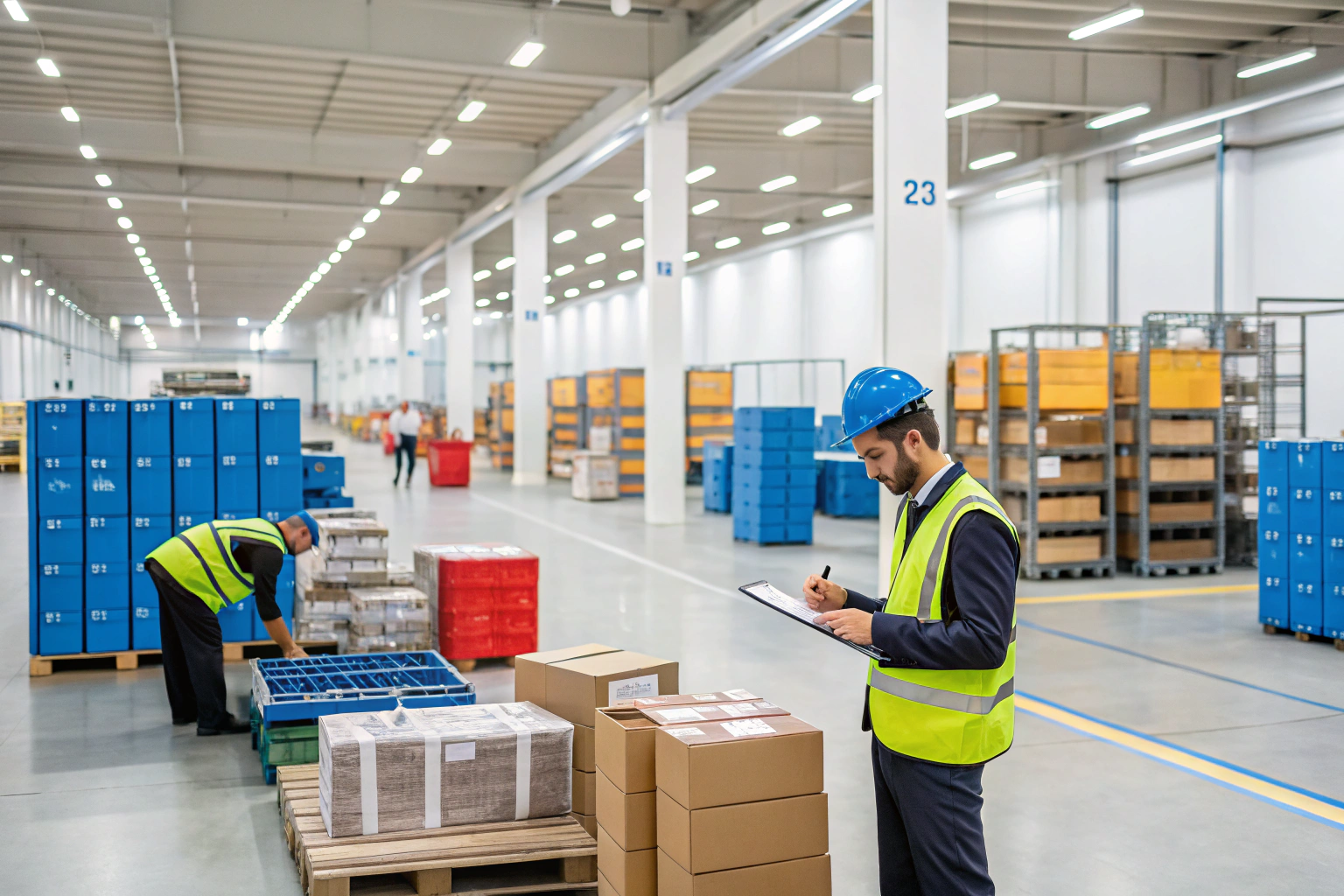
Utilizing bonded warehouses represents one of the most powerful yet underutilized strategies in international trade and supply chain management. As a freight forwarder who has helped numerous clients implement bonded warehouse solutions, I've witnessed firsthand how these facilities can transform import operations from cost centers into strategic advantages. Whether you're a small importer or a multinational corporation, understanding bonded warehouse benefits can significantly impact your bottom line and operational flexibility.
The primary benefits of bonded warehouses include duty and tax deferral, improved cash flow, enhanced inventory flexibility, streamlined re-export processes, and reduced customs clearance times. These facilities essentially serve as international trade zones within a country's borders, allowing you to store, manipulate, and manage goods without immediate customs obligations until they enter the domestic market.
Bonded warehouses offer unique advantages that differ dramatically from traditional warehousing. Let's explore how these benefits specifically impact various aspects of your business operations.
How Does Duty Deferral Improve Your Financial Position?
The ability to postpone duty and tax payments provides significant financial advantages that extend beyond simple cash flow improvements.

What Are the Direct Cash Flow Benefits?
Extended payment timelines typically range from months to years, depending on your storage duration and local regulations. This effectively provides an interest-free loan equal to the deferred duties and taxes, improving your working capital position without traditional borrowing costs. For businesses with significant import volumes, this can amount to millions in temporarily preserved capital.
Seasonal inventory management becomes more financially efficient. You can import goods during favorable production periods or exchange rates, store them duty-free, and release them to market when demand peaks. This eliminates the need to pay duties months before you actually sell the goods, aligning expense timing with revenue generation.
How Does This Impact Overall Financial Strategy?
Working capital optimization allows redeployment of funds to more productive uses. Money that would otherwise be tied up in duty payments can instead fund marketing initiatives, research and development, or strategic acquisitions, potentially generating returns that exceed any warehousing costs.
Currency risk management becomes more flexible. You can import goods when exchange rates are favorable, store them without immediate duty conversion to local currency, and decide when to convert funds based on market conditions rather than import timing constraints.
What Operational Flexibility Do Bonded Warehouses Provide?
Beyond financial benefits, bonded warehouses offer unique operational capabilities that traditional facilities cannot match.
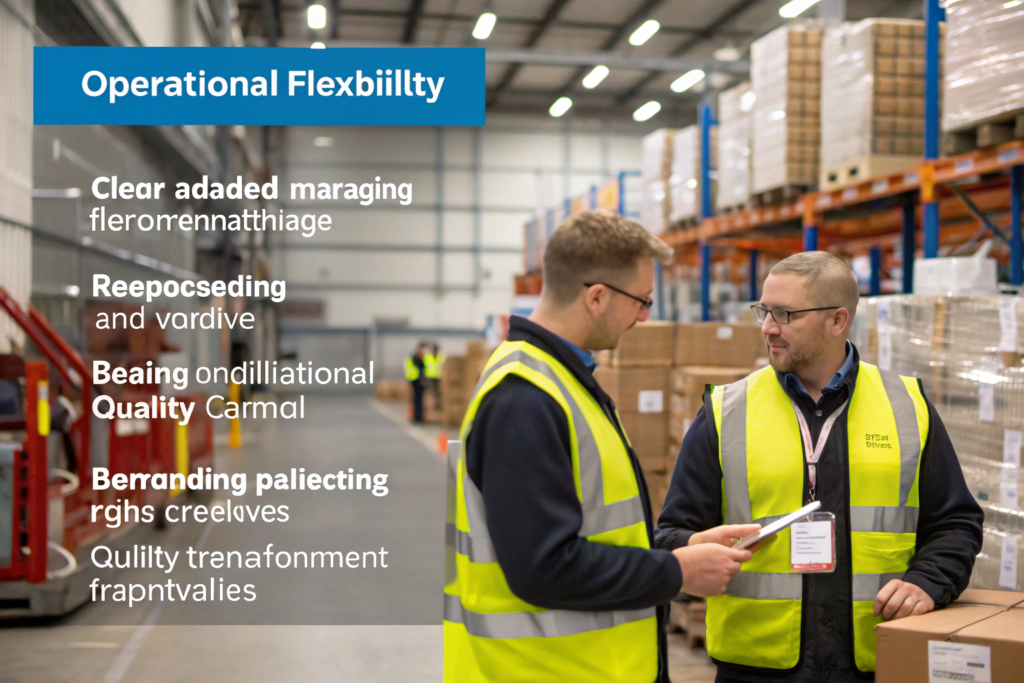
How Can You Manipulate Goods While in Bond?
Value-added services including labeling, repackaging, assembly, and quality inspection can be performed within bonded facilities. This allows you to customize products for specific markets or customers without first paying duties on components. For example, you can import bulk products and repackage them into retail-ready units tailored to different regional requirements.
Testing and quality control can occur before duty payment, preventing wasted duties on defective or non-compliant goods. If products fail inspection, you can re-export them for repair or disposal without ever paying import duties, or destroy them under customs supervision with duty cancellation.
What Inventory Management Advantages Exist?
Consolidation opportunities allow combining multiple shipments from different origins into single customs entries. This reduces paperwork, administrative costs, and potentially enables more favorable duty classifications or valuations for consolidated goods.
Just-in-time release provides precise control over market entry timing. You can store goods until exactly when they're needed, then process customs clearance for immediate delivery, reducing overall inventory carrying costs while maintaining market responsiveness.
How Do Bonded Warehouses Simplify International Trade Operations?
The unique legal status of bonded facilities streamlines many complex aspects of global trade.

What Re-export Advantages Do Bonded Warehouses Offer?
Duty-free re-export allows storing goods temporarily before shipping to other countries without ever paying local duties. This makes bonded warehouses ideal for distribution hubs serving multiple regional markets. You can consolidate, customize, and redistribute goods based on changing regional demand without duty complications.
Transit and transshipment efficiency improves through bonded facilities. Goods moving between countries can be temporarily stored, sorted, or consolidated without undergoing full import/export procedures in the intermediate country, significantly reducing transit times and administrative burdens.
How Do They Streamline Customs Procedures?
Simplified entry processes for goods moving directly into bonded facilities typically require less documentation and faster processing than traditional imports. Many ports offer expedited release for bonded shipments since full duty payment isn't immediately required.
Centralized customs management allows handling all import formalities at the bonded warehouse location rather than at multiple ports of entry. This consolidation simplifies compliance management and often qualifies you for streamlined customs programs that reduce inspection rates and processing times.
What Strategic Business Advantages Do They Provide?
Bonded warehouses offer capabilities that can fundamentally transform how you approach international markets and supply chain design.

How Do They Support Market Expansion Strategies?
Market testing capability allows importing limited quantities of new products without significant duty exposure. You can gauge market response before committing to full-scale importation and duty payments, reducing the financial risk of introducing new products to unfamiliar markets.
Regional distribution optimization becomes more efficient. By locating bonded warehouses in strategic geographic positions, you can serve multiple countries from a single inventory pool, adjusting allocations based on real-time demand rather than pre-committed import quantities for each market.
What Competitive Advantages Can They Create?
Cost structure improvement through duty optimization provides pricing flexibility. The ability to defer duties and potentially reduce them through manipulation or consolidation can create cost advantages over competitors using traditional import approaches.
Supply chain resilience enhancement comes from increased inventory flexibility. Maintaining strategic reserves in bonded facilities provides buffer stock that can be quickly deployed during supply disruptions without the lead time and duty implications of emergency imports.
How Should Businesses Evaluate Bonded Warehouse Implementation?
Determining whether bonded warehousing makes sense for your specific situation requires careful analysis of multiple factors.

What Cost-Benefit Factors Should You Consider?
Volume thresholds typically make bonded warehousing economically viable above certain import levels. While small importers can benefit, the administrative overhead generally requires minimum volumes to justify implementation. Many third-party logistics providers offer shared bonded space that makes these facilities accessible to smaller businesses.
Product characteristics influence suitability. High-duty goods, products with long shelf lives, items requiring customization for local markets, and goods with uncertain demand patterns typically benefit most from bonded storage.
What Implementation Approaches Work Best?
Third-party operator partnerships provide immediate access without capital investment. Many logistics companies offer bonded warehousing as part of integrated services, allowing you to test the concept before committing to dedicated facilities.
Phased implementation approach minimizes risk. Start with pilot programs for specific product lines or markets, measure results, and expand based on demonstrated benefits rather than converting all operations simultaneously.
Conclusion
Bonded warehouses offer a powerful combination of financial, operational, and strategic benefits that can significantly enhance your international trade competitiveness. From improving cash flow through duty deferral to enabling flexible inventory management and streamlined re-export processes, these facilities provide tools that traditional warehousing cannot match. The specific benefits your business realizes depend on your products, markets, and operational patterns.
At GeeseCargo, we've helped clients implement bonded warehouse strategies that typically reduce total landed costs by 8-20% while improving supply chain flexibility and responsiveness. Our experience demonstrates that companies taking a strategic approach to bonded warehousing—viewing it as an integral part of their supply chain design rather than just a storage option—achieve the greatest benefits. Remember that successful implementation requires understanding both the opportunities and compliance responsibilities, making partnership with experienced operators particularly valuable for maximizing advantages while minimizing risks.