Hiring a freight forwarder is a high-stakes decision. You’re handing over your inventory, your cash flow, and your customer relationships to a logistics partner. Pick the wrong one, and you spend months fighting delayed shipments, hidden fees, and unanswered emails. Pick the right one, and logistics becomes the quiet engine of your growth. But how do you separate real capability from slick sales pitches? You ask hard questions. You watch how they answer.
We welcome these ten questions. In fact, we insist you ask them. A freight forwarder who dodges pricing details, avoids discussing past problems, or can’t explain their contingency plans is a risk you can’t afford. At GeeseCargo, transparent answers are how we build trust before we ever move a single container. Let’s walk through the questions that expose the difference between a vendor and a true partner.
I’ve been on both sides of this table. I’ve hired logistics providers before I started my own company. I know the anxiety of wondering if you’re making a mistake that will cost you months of pain. That’s why I built GeeseCargo to be the company that passes every one of these tests. Here are the questions you should ask us, and the answers you deserve to hear.
Do You Offer Fixed All-In DDP Pricing, or Will I Face Surprises Later?
The freight industry runs on surcharges. Peak season surcharge. Bunker adjustment factor. Currency adjustment factor. Port congestion surcharge. Canal transit fee. A forwarder quotes you a low base rate to win the business, then layers these fees on after your cargo sails. You budgeted $3,500 per container. The final invoice is $5,200. Your margin is gone.
At GeeseCargo, we offer true fixed all-in DDP pricing. The price we quote is the price you pay. It covers the factory pickup, ocean or air freight, origin and destination charges, customs duties, insurance, and final delivery. If a surcharge appears during transit, we absorb it. You are not a shock absorber for carrier price increases.
I once took over an account from a forwarder who quoted $2,800 per container but billed $4,600. The difference was ten line items of "unexpected charges." The client felt cheated. He was right to feel that way. We don’t play that game. Our quotes are comprehensive because our reputation is worth more than a quick margin grab on a hidden fee. Ask any forwarder this question. If they hesitate on the definition of "all-in," walk away.
Can You Guarantee That My Landed Cost Won’t Change After Booking?
A guarantee separates a partner from a broker. A partner puts their margin at risk to back up their promise. A broker passes every cost increase to you.
We guarantee our DDP pricing in writing for the agreed shipment period. If fuel prices spike, we eat it. If a tariff shifts, we manage it. The landed cost per unit is contractually fixed. This allows you to price your products confidently and sign retailer agreements without a contingency fund for freight surprises. Our DDP service is a financial commitment, not a rough estimate.
How Do You Handle Currency Fluctuations in Your Quoted Rates?
Freight is a multi-currency business. The ocean freight might be in US dollars, the Chinese trucking in RMB, and the destination charges in Euros. Currency swings can erode a forwarder’s margin, and some forwarders pass that erosion to you.
We manage currency risk internally through hedging and multi-currency accounts. We do not pass currency fluctuation costs to clients on fixed-price contracts. The rate you agree to in USD stays in USD, regardless of what the RMB does during transit. This logistics financial management is part of our risk absorption service.
How Do You Handle Shipments When Something Goes Wrong?
Every forwarder is great when the ship sails on time and customs clears in a day. But supply chains break. Typhoons close ports. Vessels have mechanical failures. Customs selects your container for an intensive exam. The difference between a good forwarder and a great one is what happens in those moments. Do they answer the phone? Do they have a plan? Or do they vanish and leave you to figure it out?
When something goes wrong, we don’t hide. We call you immediately with the problem and the solution. Our senior team takes ownership of the incident. We have pre-built contingency plans for the most common disruptions: port closures, customs holds, carrier rollovers, and equipment shortages. The plan activates the moment the problem is identified.
I recall a client whose container was selected for a VACIS X-ray exam at LA. The inspection queue was five days long. His holiday launch was in four days. Our local team contacted the exam site supervisor. We explained the urgency. We ensured the container was positioned for the earliest possible scan. It cleared in two days. He launched on time. That’s what problem ownership looks like.
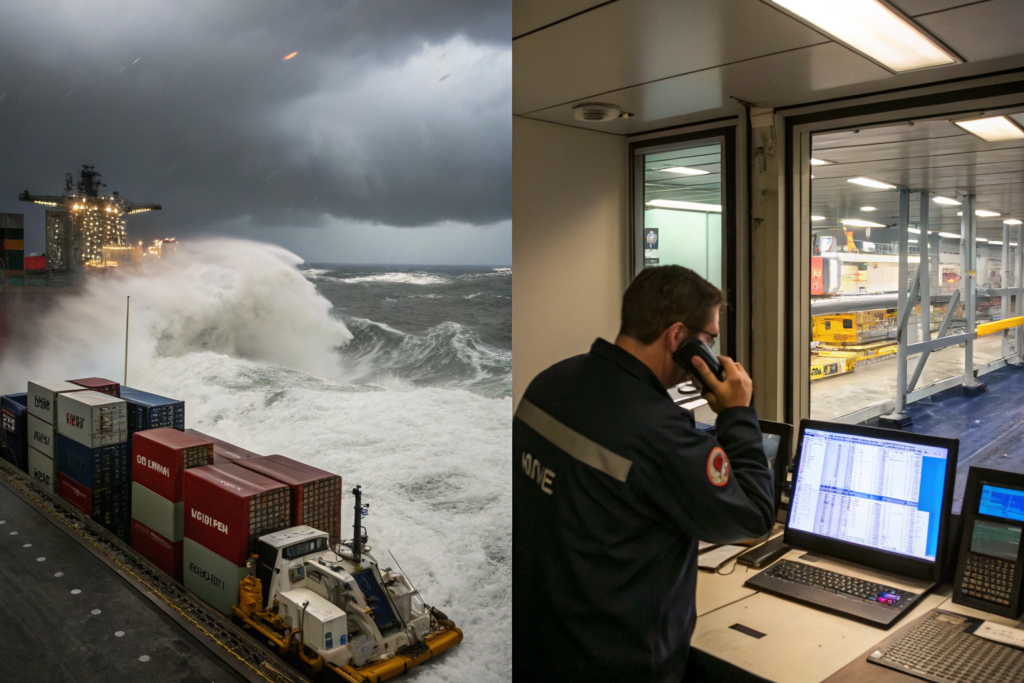
What Is Your Communication Protocol During a Major Delay or Disruption?
Most forwarders communicate reactively. You email them asking what’s happening. They email someone else. You wait. The communication protocol at GeeseCargo is proactive. We alert you before you need to ask.
When a disruption occurs, you receive a notification within hours. It includes the nature of the problem, the impact on your delivery timeline, and the actions we’ve already taken. Then you receive regular updates until the issue resolves. You are never in the dark about your own cargo.
Can You Provide an Example of a Past Crisis and How You Resolved It?
A real forwarder has stories. They have battle scars. Ask for a specific example. If they can’t give you one, they either lack experience or lack transparency.
We can tell you about the time a vessel lost power in the Pacific and drifted for three days. We re-booked the critical portion of the cargo onto air freight at our own cost to meet the client’s retail deadline. We can tell you about the time a factory mislabeled cartons and customs flagged the shipment. Our team worked overnight with the factory to correct the documentation before the vessel arrived. This freight forwarder experience is what you’re buying.
Do You Own Your Relationships with Carriers, or Are You a Middleman?
The logistics industry has layers. Some "freight forwarders" are actually resellers. They buy space from a larger forwarder, who buys from a consolidator, who buys from the carrier. Each layer adds cost and communication delay. When space gets tight, the lowest layer loses allocation first. Your cargo gets rolled. Your price spikes. You never even know who you’re actually shipping with.
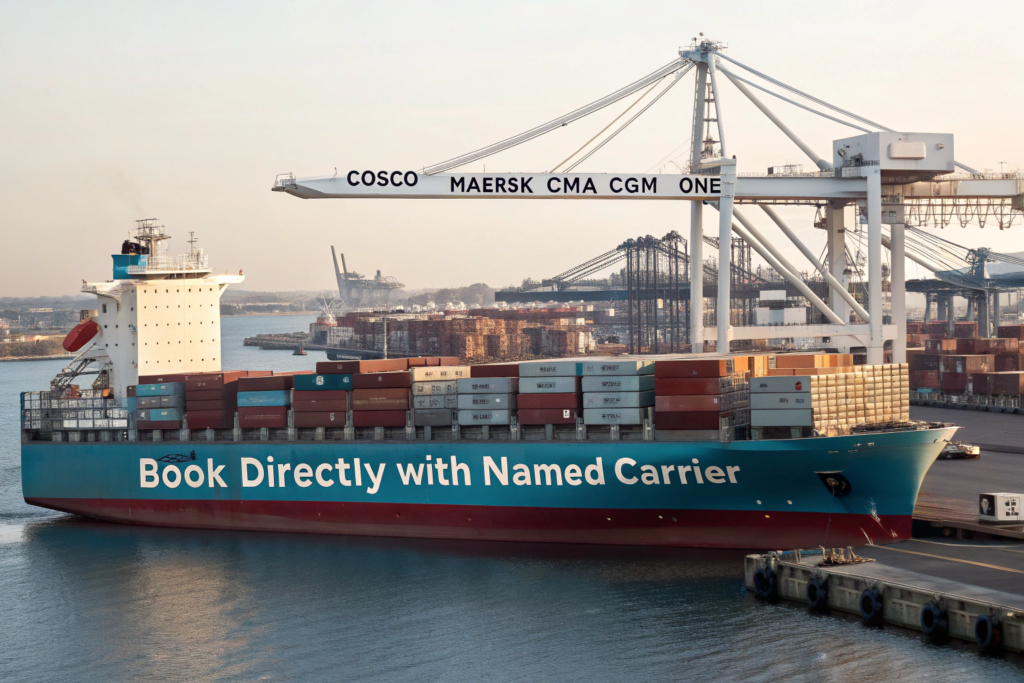
We contract directly with the major ocean carriers: COSCO, Maersk, CMA CGM, ONE, and others. We hold our own service contracts and allocated space. When you book with GeeseCargo, you’re booking directly onto the vessel through a named carrier. No hidden intermediaries. No cascading allocation failures.
Direct relationships give us leverage. When a carrier announces a blank sailing, our account manager calls us before the general notice goes out. We get early warning. We rebook your cargo on an alternative vessel while others are still reading the cancellation email. This ocean freight direct access is invisible when everything goes smoothly. It’s priceless when things go wrong.
Can You Provide the Names of the Carriers You Have Direct Contracts With?
A transparent forwarder will name names. A reseller will speak vaguely about "major carriers" or "multiple options." Ask for specifics.
We directly contract with COSCO Shipping Lines, Maersk Line, CMA CGM, Ocean Network Express (ONE), and Evergreen Marine. We can show you our allocated space on specific sailings. We book under our own name, not through a third-party consolidator. This transparency allows you to verify the carrier’s schedule and reputation independently.
How Do Your Carrier Alliances Protect My Space During Peak Season?
During peak season, space vanishes. Resellers lose their allocation first because carriers prioritize their direct customers and large contract holders.
Our direct contracts include minimum quantity commitments. We commit volume. The carrier commits space. This mutual commitment protects your allocation when the market gets tight. We also spread our volume across multiple alliances. If one alliance is full, we have space on another. This supply chain redundancy is built into our carrier strategy.
Can You Walk Me Through a Recent Client Case Study Similar to My Business?
Generic promises are easy. "We handle clothing shipments." "We’re experts in giftware." What does that actually mean? A forwarder who truly understands your vertical can speak specifically about the challenges you face. They know the tariff classifications for your products. They know the packaging vulnerabilities. They know the retail compliance requirements. They can prove it with a real example.
We serve importers of clothing, accessories, gifts, and consumer goods. We can share sanitized case studies showing exactly how we reduced landed costs, compressed transit times, or resolved recurring customs issues for businesses very similar to yours. We don’t just claim expertise. We demonstrate it with data and narrative.
A clothing importer came to us after suffering repeated customs delays on women’s knitwear. The previous forwarder used generic HS codes. We identified the correct classification, which actually carried a lower duty rate, and pre-cleared the documentation with our broker. His clearance time dropped from five days to one, and his duty bill dropped by 4%. Specific results from specific knowledge.
What Specific Challenges Do You See in Clothing and Accessories Logistics?
Clothing importers face unique challenges. Quota restrictions on certain materials. Complex fiber content labeling requirements. High vulnerability to moisture damage. Seasonal deadlines that cannot slip. Retailer chargebacks for late delivery.
We know these challenges intimately. We pack desiccants as standard for apparel containers. We track seasonal retail delivery windows and build our schedules backward from the must-arrive date. We review fiber content labels against US requirements before shipping. This specialized knowledge prevents problems that a generalist forwarder wouldn’t see coming.
How Have You Helped a Giftware Importer Reduce Their Total Landed Cost?
Giftware often has bulky packaging that cubes out containers before they weigh out. Efficient packing is the key to cost reduction.
We worked with a giftware importer to redesign their container loading plan. We switched from standard 40-foot containers to high-cube pallet-wide units. We increased units per container by 12%. The freight cost per unit dropped proportionally. We also consolidated their less-than-container-load shipments with other clients to reduce costs on smaller orders. Specific tactics, measurable savings.
How Do You Ensure Visibility and Communication Throughout the Shipment Journey?
You shouldn’t have to chase your forwarder for updates. The default posture of a good forwarder is proactive communication. They push information to you. You pull when you need deeper detail. The technology exists to provide granular visibility. A forwarder who doesn’t offer it is either lazy or hiding delays.
We provide a client portal that shows real-time shipment status, document access, and delivery milestones. You also receive proactive email or message alerts at key transit points. And behind the technology, a real human being is assigned to your account. You can call them. They know your name and your cargo. Technology enables visibility. People make it meaningful.
A client once told me he spent three hours a week emailing his previous forwarder for updates. Three hours. That’s almost a full work month per year, wasted on chasing information that should have been pushed to him automatically. Our portal eliminated that waste. Now he checks his dashboard in 30 seconds and gets on with his day. His account manager calls him if something needs attention. Otherwise, the system hums quietly.
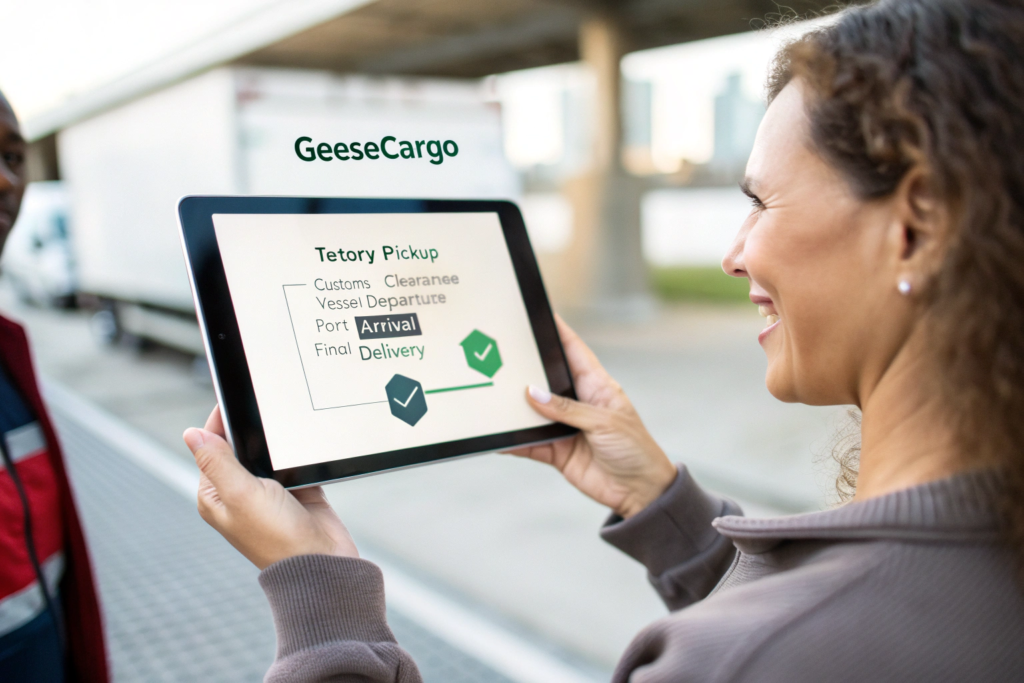
What Technology Platform Do You Use for Shipment Tracking and Documentation?
Ask for specifics. A forwarder with no technology platform is operating on spreadsheets and emails. That’s fine for a one-person operation moving a few boxes. It’s not fine for a business that depends on inventory flow.
We use a cloud-based freight management platform that integrates with carrier AIS data, port community systems, and customs clearance databases. You see your shipment’s location, status, and documents in one place. You can download your bill of lading, commercial invoice, and customs entry directly from the portal.
Will I Have a Dedicated Account Manager or a Rotating Support Queue?
When you call with an urgent problem, you want to speak to someone who knows your business. A rotating support queue means you explain your situation from scratch every time.
Every GeeseCargo client has a named account manager. This person learns your product lines, your preferred ports, your retail deadlines, and your communication style. When you call, they know the context. This relationship-based service model is more expensive for us to operate, but it’s the only model that delivers the responsiveness importers deserve.
What Happens If My Shipment Gets Stuck in Customs?
Customs is a black box to most importers. Your container is "under review." Nobody tells you why. Nobody tells you how long. Demurrage charges accumulate daily. Your retail delivery date passes. It’s one of the most stressful experiences in importing, and it happens to almost everyone eventually.
If your shipment is flagged for customs examination, our in-house brokerage team engages immediately. We determine the reason for the hold. We provide the required documentation. We communicate with the customs officer directly. If additional duties or penalties are assessed, we advise you on the best course of action. We don’t let your container sit unattended.
We had a shipment of accessories flagged because the packaging contained wood components without the proper ISPM 15 stamp. The factory had made an error. Our team identified the issue within hours. We coordinated with the factory to provide the treatment certificate retroactively. We negotiated with customs to accept the certificate without re-exporting the goods. The delay was two days instead of two weeks. This customs clearance expertise is what you pay a professional for.
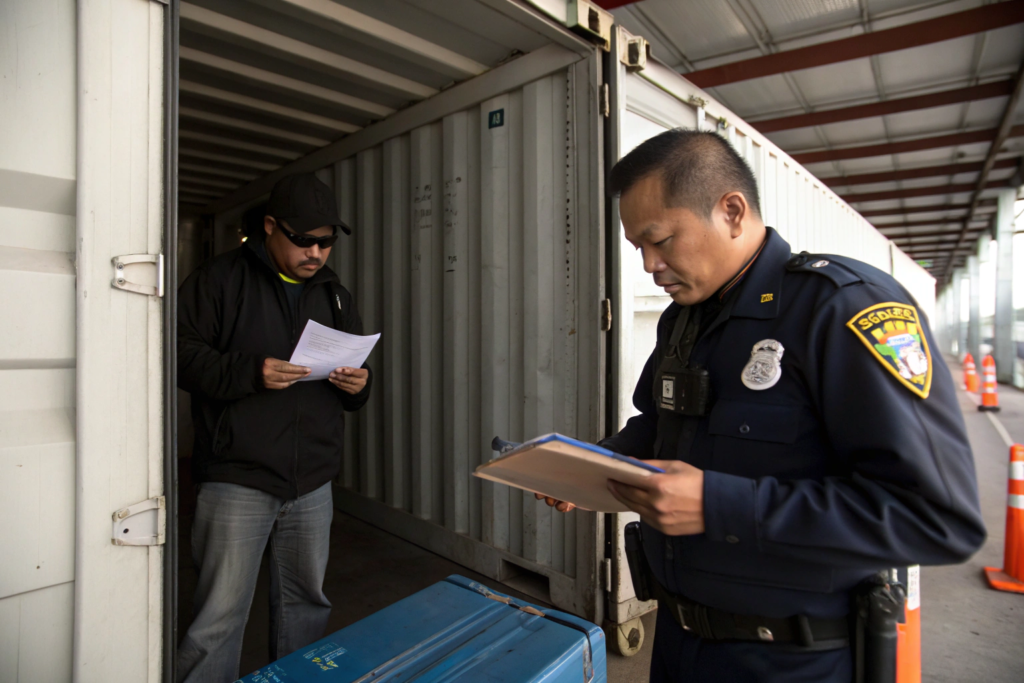
How Do You Handle FDA or CPSC Holds on Consumer Goods Shipments?
Clothing and giftware can fall under FDA or CPSC jurisdiction depending on the materials and intended use. These agencies have strict rules. A hold can be lengthy and expensive.
We have experience navigating FDA and CPSC holds. We pre-review product documentation for regulated items. If a hold occurs, we contact the agency directly with the required compliance evidence. We understand their processes and their documentation standards. This specialized regulatory knowledge prevents permanent rejection of your goods.
What Is Your Process for Disputing an Incorrect Duty Assessment?
Customs sometimes misclassifies goods and applies the wrong duty rate. The difference can be thousands of dollars. Disputing it requires a formal protest with legal and factual evidence.
We file protests on behalf of our DDP clients. We provide the binding ruling documentation, the product specifications, and the legal argument for the correct classification. We pursue the refund of overpaid duties. This is a complex process that requires customs law knowledge. Our in-house team handles it end-to-end.
How Do You Vet the Factories and Suppliers I’m Shipping From?
Your freight forwarder touches your cargo before it’s loaded. They send a truck to your supplier. They receive the goods at their warehouse or the port. If your forwarder doesn’t know the supplier, they can’t spot the warning signs of a bad shipment. Incorrect labeling. Poor packaging. Substandard palletizing. A good forwarder is your last line of defense before the goods leave China.
We don’t just dispatch a truck. We know the factories we serve. We maintain a database of supplier performance based on our loading experiences. If a factory has a history of packaging failures or documentation errors, we know. We apply extra scrutiny. We catch problems at the origin, not at your customer’s receiving dock.
I once sent a truck to a new supplier and our driver noticed the cartons were stacked directly on the floor, not on pallets. We refused to load until the factory re-stacked on pallets. The factory complained. The client thanked us later when his goods arrived undamaged. A forwarder who just picks up whatever is there would have delivered destroyed inventory. We protect your interests at the source.
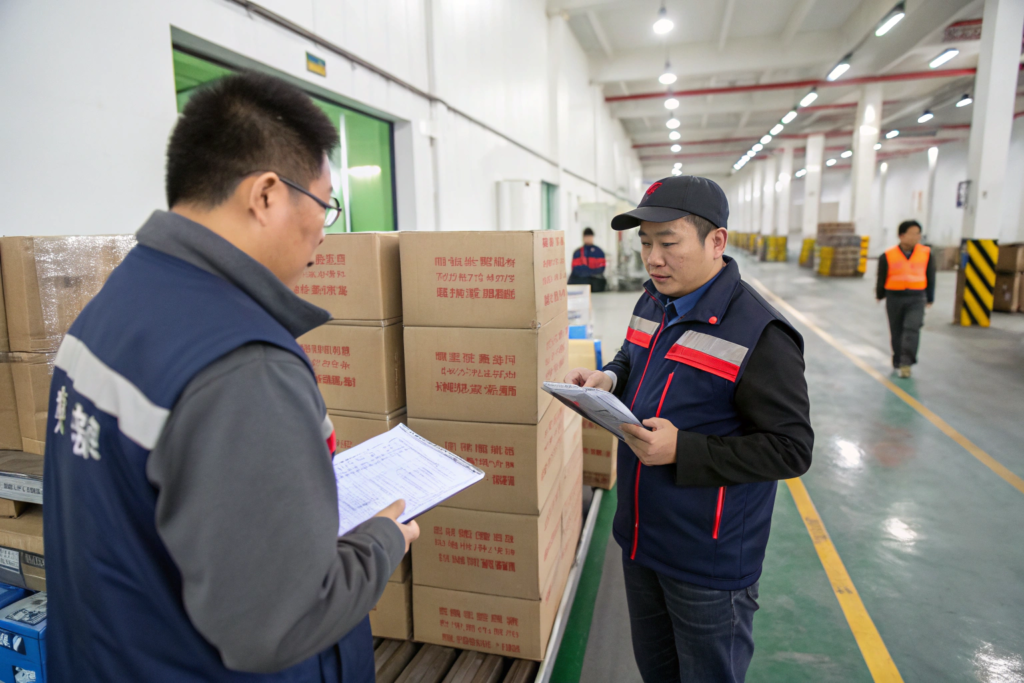
Do You Offer Pre-Shipment Inspection Coordination with QC Companies?
Quality control and logistics should be integrated. Your QC inspector approves the goods. Your forwarder loads them. If these events aren’t coordinated, rejected goods can accidentally ship, or approved goods can be delayed.
We coordinate directly with your third-party QC companies. We don’t dispatch the truck until we receive the inspection pass report. We can also recommend trusted inspection partners if you don’t have one. This logistics and quality integration prevents the nightmare of receiving defective goods after a month at sea.
How Do You Ensure Proper Loading and Packaging to Prevent Transit Damage?
Factory loading crews often prioritize speed over care. They toss cartons. They build unstable pallets. They leave voids in the container that cause shifting at sea.
Our team supervises the loading of high-value or damage-prone shipments. We ensure cartons are block-stacked and braced. We ensure desiccants are placed for moisture-sensitive goods. We photograph the loaded container before the doors close. These loading photos are your evidence if a damage claim arises. Prevention is always cheaper than insurance.
What Insurance Options Do You Offer, and What Do They Really Cover?
Marine cargo insurance is full of fine print. "All-risk" doesn’t mean all risk. "General average" is a term most importers have never heard until they receive a bill for a ship rescue they didn’t cause. A forwarder who sells you a cheap insurance policy without explaining the gaps is setting you up for a painful surprise.
We offer comprehensive all-risk cargo insurance that covers physical loss, damage, theft, and general average contributions. We explain the exclusions clearly. We manage claims in-house. We don’t sell you a policy and disappear. We advocate for you through the entire claims process until you are made whole.
A client once showed me an insurance policy his previous forwarder sold him. It excluded theft from unattended vehicles. Most inland truck theft occurs when the driver parks overnight. His policy covered nothing practical. We replaced it with a policy that covers the real risks. Insurance is only as good as its coverage wording.
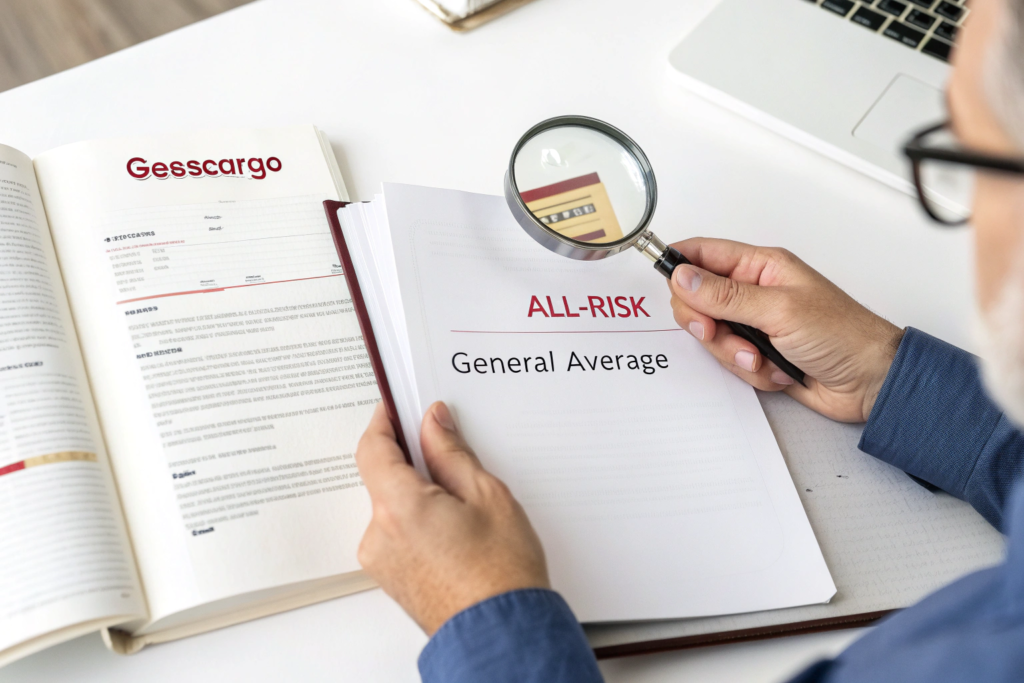
Do You Include General Average Coverage in Your Standard Policy?
General average is a maritime law principle. If the ship faces a disaster and the captain sacrifices cargo or incurs rescue costs, all cargo owners share the cost. You could lose nothing physically and still receive a bill for tens of thousands of dollars. Your cargo is held until you pay.
Our standard insurance includes general average coverage. You don’t pay that bill. The insurer does. Many cheap policies exclude this or bury it in fine print. We ensure it’s explicitly included. This cargo insurance protection is non-negotiable for any serious importer.
How Quickly Do You Resolve and Pay Out Legitimate Claims?
A policy is only as good as its claims process. Some insurers delay for months, requesting endless documentation, hoping you give up.
We manage claims internally with our underwriting partners. We submit the complete documentation package immediately. We follow up aggressively. Straightforward claims are typically resolved within 14 to 30 days. Complex claims take longer, but we push them actively. You are never alone in the claims process.
Can You Help Me Navigate US Tariff Changes and Trade Policy Shifts?
Trade policy is volatile. Tariffs on Chinese goods shift with political winds. An anti-dumping ruling can hit your product category overnight. A new Section 301 tariff list can include items you import. Most freight forwarders are silent on trade policy. They say it’s "outside their scope." That silence costs you money.
We actively monitor US trade policy. We alert clients to proposed tariff changes that affect their product categories. We advise on tariff engineering strategies, such as adjusting product classification or shifting sourcing within our network. Under our DDP service, we assume the financial risk of tariff increases, so your landed cost remains stable regardless of policy shifts.
When a new round of tariff exclusions was announced, we proactively contacted every client whose products fell under the exclusion categories. We helped them file for retroactive duty refunds. One giftware client recovered $18,000 in duties he didn’t know he could reclaim. That’s proactive trade policy management.
How Do You Stay Current on Section 301 and De Minimis Rule Changes?
Trade regulations change frequently. Section 301 lists get updated. The de minimis threshold for duty-free entry gets debated. A forwarder who isn’t tracking these changes is a liability.
We subscribe to trade law updates, attend customs broker association briefings, and maintain contact with trade attorneys. We translate legal changes into operational impacts for your specific shipments. You don’t need to read the Federal Register. You need a partner who does.
Can DDP Protect Me If a New Tariff Is Announced While My Goods Are in Transit?
Goods in transit are a gray area during tariff changes. If a new tariff takes effect while your container is on the water, you could be hit with an unexpected duty bill upon arrival.
Under our DDP service, we absorb this risk. The price we quoted is the price you pay, regardless of tariff changes during transit. We manage the timing and classification to minimize exposure, and if a cost increase occurs, we carry it. Your freight management cost doesn’t change.
What Is Your Process for Handling a Port Strike or Major Route Disruption?
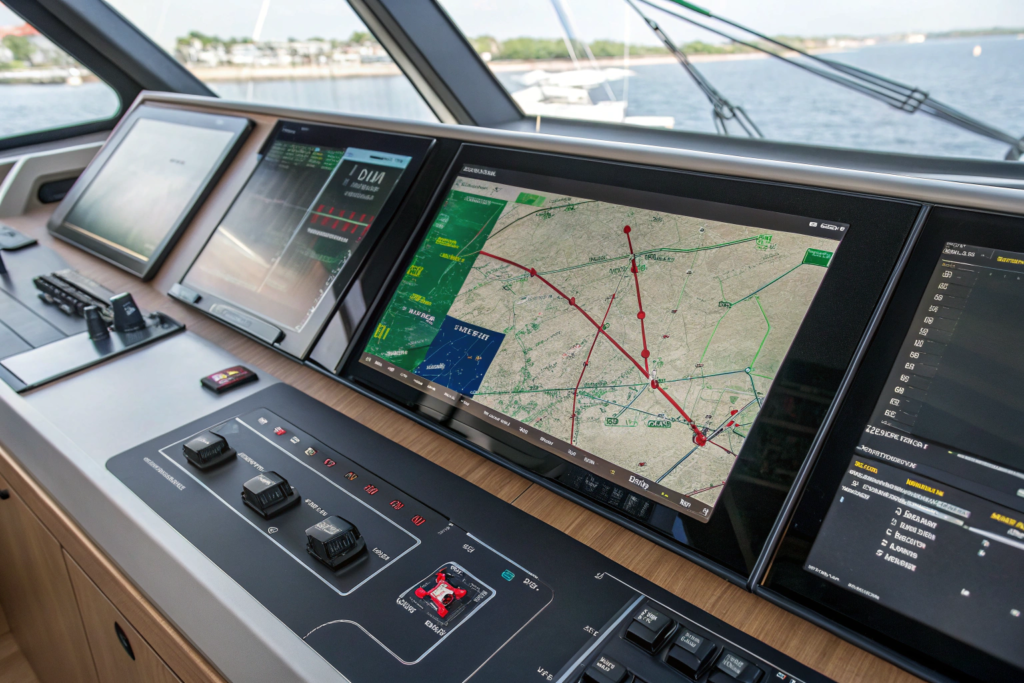
Port strikes and route disruptions are not rare. They are recurring features of global logistics. A forwarder without a written strike contingency plan is planning to fail. When a port closes, you have hours to act, not days. Decisions made in the first 24 hours determine whether your inventory arrives in two weeks or two months.
We maintain a documented port strike and route disruption protocol. It includes pre-designated alternative ports, pre-contracted diversion trucking and rail capacity, and a communication cascade that notifies you within hours of a disruption. We don’t improvise during a crisis. We execute a plan that was built and paid for before the crisis began.
During the last West Coast labor slowdown, we executed our protocol for over forty clients. We diverted vessels to Tacoma, Oakland, and Prince Rupert. We activated pre-booked rail contracts to move cargo inland. Our clients’ goods arrived within a week of the original schedule. Competitors’ goods sat at anchor for a month. The difference was a plan that existed before the strike.
Do You Have Pre-Negotiated Rates for Inland Transport from Alternative Ports?
When a strike diverts thousands of containers to a secondary port, spot truck and rail rates skyrocket. Without pre-negotiated rates, your diversion cost can exceed the value of the cargo.
We maintain active rate agreements with national trucking and rail providers from all major North American gateways, including secondary and contingency ports. These rates are fixed and guaranteed. Your diversion cost is known and controlled.
How Quickly Can You Divert a Shipment Already in Transit?
A shipment on the water can be diverted if the bill of lading allows it and the carrier is notified before arrival. The window is short. You need a forwarder with the carrier relationships to make that call stick.
We maintain direct lines to carrier operations centers. We can request a diversion within hours of a strike announcement. We’ve successfully diverted vessels from LA to Oakland, from Oakland to Tacoma, and from Savannah to Houston. The key is speed and direct carrier access.
How Do You Measure and Report on Your Service Performance?
You can’t improve what you don’t measure. A forwarder who can’t show you their performance data is either not measuring it or doesn’t want you to see it. Either reason is a problem. Service level agreements without measurement are just wishes.
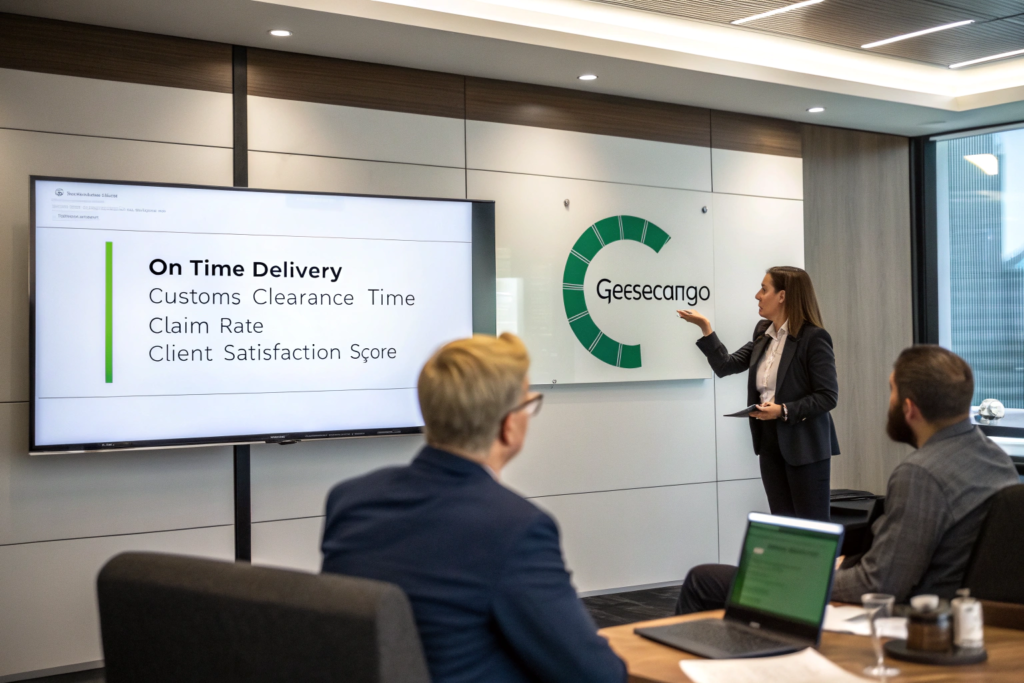
We track and report key performance indicators for every client. On-time delivery percentage. Customs clearance time. Invoice accuracy. Claims rate. We review these metrics with you quarterly. We set improvement targets. We hold ourselves accountable to measurable standards, not vague promises.
A client once challenged us on a quarter where his on-time delivery dropped to 94%. We had the data. We identified the root cause: three vessels delayed by a typhoon cluster. We showed him our rebooking actions for each delayed shipment. He appreciated the transparency and the corrective action plan. That’s how a partnership handles imperfection.
What KPIs Do You Track and How Are They Calculated?
Specific KPIs matter. On-time delivery should be measured against the original promised date, not a revised date after delays. Customs clearance time should measure from vessel arrival to cargo release.
We track on-time delivery against the initial booking confirmation date. We track customs clearance duration. We track invoice accuracy, meaning the final invoice matches the quoted price. We track claims frequency and resolution time. We share these metrics transparently and define them clearly so there’s no ambiguity.
Can I Speak to Current Clients About Their Experience with GeeseCargo?
A confident forwarder will provide references. A nervous one will make excuses. Speaking to current clients is the most reliable way to validate everything we’ve said in this article.
We welcome reference requests. We maintain relationships with importers who have agreed to speak with prospective clients. They can tell you about our service, our responsiveness, and how we handled problems. Their words carry more weight than ours. Ask us for references. We’ll connect you.
Conclusion
These ten questions are your shield against the wrong logistics partner. We’ve walked through pricing transparency, where you learned that a fixed DDP price is the only reliable budget. We’ve explored crisis management, where you saw that proactive communication and pre-built contingency plans separate professionals from amateurs. We’ve examined carrier relationships, customs expertise, case studies, visibility technology, and insurance details. Each question exposes whether a forwarder has substance or just a sales script.
We’ve also discussed trade policy navigation, port strike protocols, and performance measurement. A forwarder who can answer all ten questions clearly and specifically is a forwarder who runs a real operation with real controls. A forwarder who dodges, generalizes, or makes excuses is a risk you cannot afford.
At GeeseCargo, we don’t just answer these questions. We insist on them. An informed client is a better partner. We want you to know exactly how we operate before you trust us with your cargo. When you’re ready to ask these questions directly, we’re ready to answer them. Contact us through our website. Let’s have the conversation that sets the foundation for a logistics partnership you can rely on.