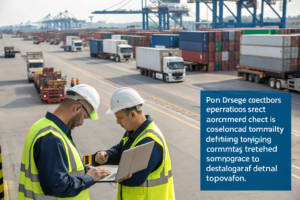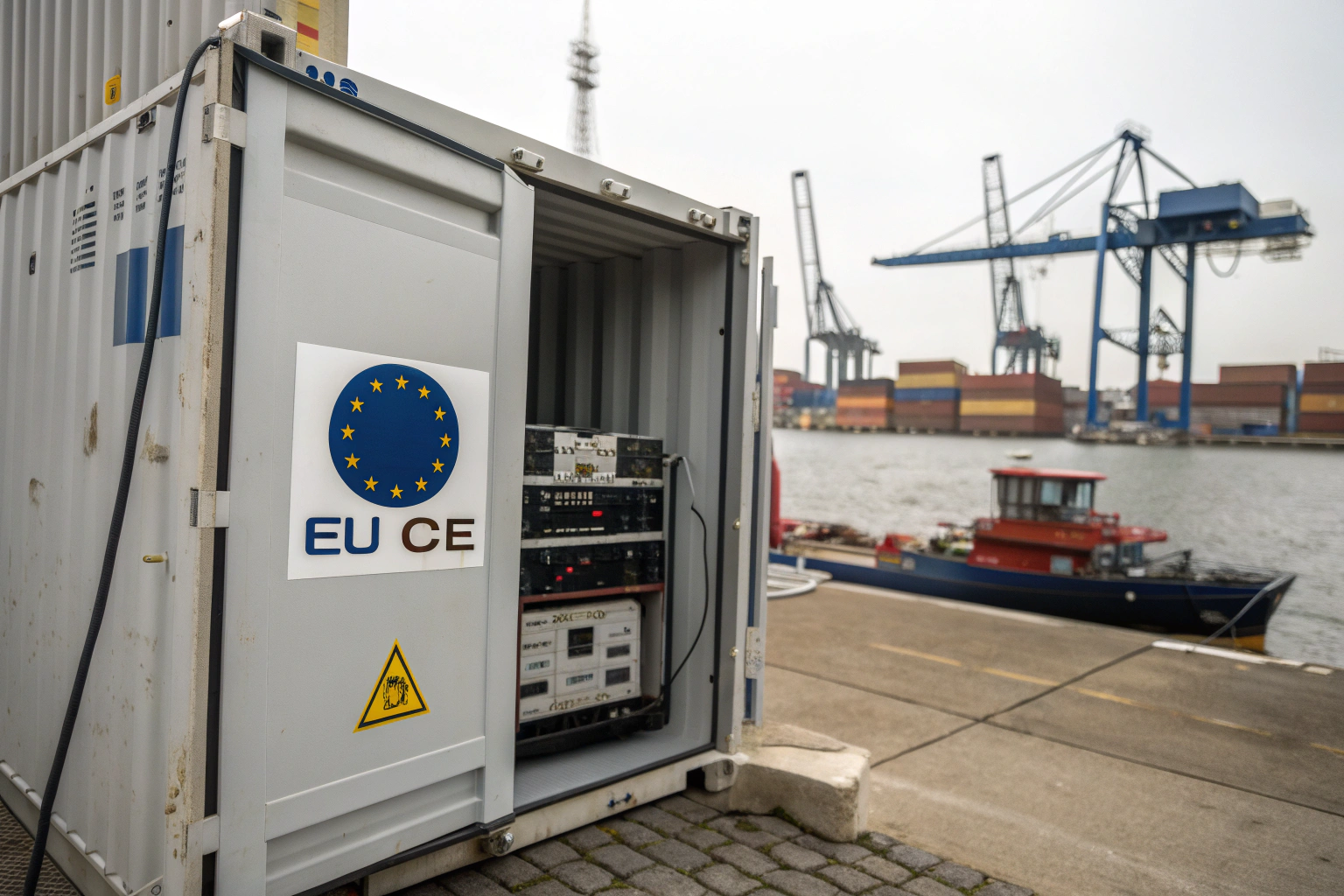
When one of our clients discovered their $300,000 electronics shipment was rejected for lacking proper EU CE certification, they learned firsthand that non-tariff barriers often pose greater challenges than tariffs themselves. As founder of GeeseCargo with extensive international trade experience, I've witnessed how these invisible trade barriers can disrupt supply chains more effectively than any tariff. Understanding them isn't just academic—it's essential for successful global trade.
Non-tariff barriers (NTBs) are regulatory, administrative, and technical measures that restrict imports without using traditional tariffs. They include product standards, licensing requirements, customs procedures, and technical regulations that collectively add 10-30% to trade costs. While often justified as consumer or environmental protections, NTBs frequently function as protectionist tools that disproportionately impact small and medium-sized enterprises.
Non-tariff barriers represent the most significant and growing challenge in international trade, having largely replaced tariffs as the primary obstacle to market access. Their complexity and opacity make them particularly challenging to navigate without specialized expertise.
What Are the Main Categories of Non-Tariff Barriers?
NTBs encompass diverse measures that restrict trade through different mechanisms, each requiring specific strategies to overcome.
How Do Technical Barriers to Trade Affect Market Access?
Product standards and technical regulations create compliance hurdles. Requirements like CE marking in Europe, FCC certification in the US, or CCC certification in China force manufacturers to modify products for different markets, increasing costs and complexity.
Testing and certification requirements vary by country. The need for country-specific testing, even for identical products, creates redundant costs and delays that particularly burden smaller exporters.
Labeling and packaging regulations differ across markets. Language requirements, warning labels, ingredient listings, and environmental markings must be customized for each destination, complicating global distribution.
What Administrative Barriers Increase Trade Complexity?
Customs procedures and documentation requirements create operational friction. Complex customs paperwork, pre-shipment inspections, and arbitrary documentation demands can delay shipments for weeks despite proper preparation.
Import licensing and permit systems restrict market entry. Requirements for special licenses, quotas, or approvals for specific products create administrative hurdles that limit market access, particularly for new entrants.
Rules of origin requirements complicate supply chains. Strict origin documentation and verification procedures, especially under preferential trade agreements, create compliance burdens that discourage utilization of trade preferences.
How Do Non-Tariff Barriers Impact Different Businesses?
The effects of NTBs vary significantly based on business size, industry, and export experience, creating uneven competitive landscapes.
Why Are Small and Medium Enterprises Disproportionately Affected?
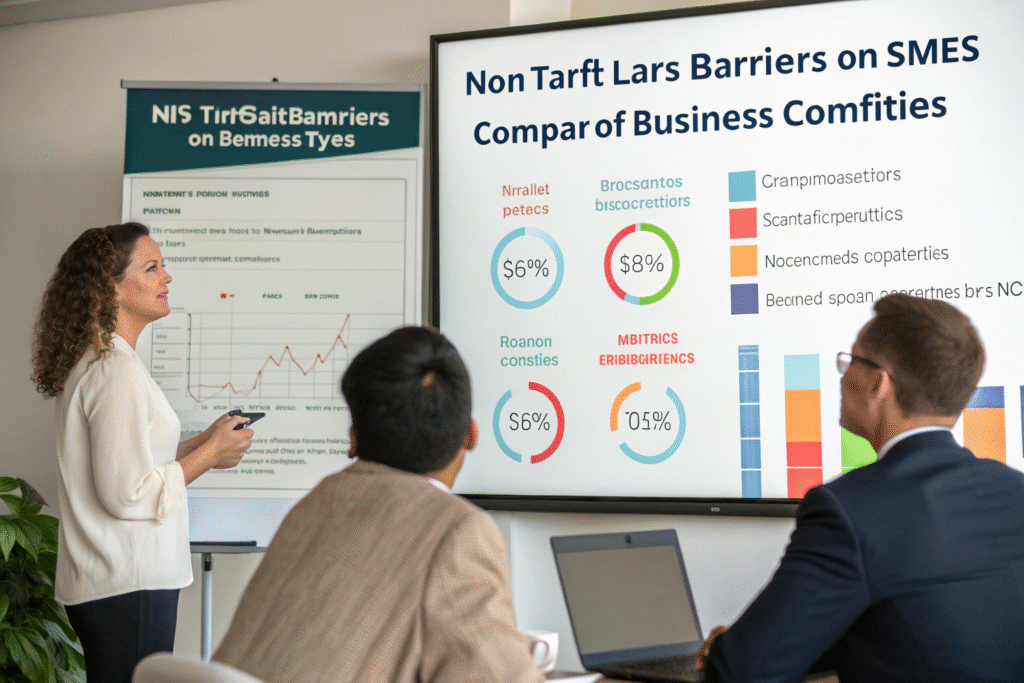
High fixed compliance costs create scale disadvantages. The costs of testing, certification, and documentation represent a much larger percentage of shipment value for smaller businesses, making some markets economically inaccessible.
Limited resources for regulatory monitoring strain capabilities. SMEs typically lack dedicated compliance staff to track changing regulations across multiple markets, increasing vulnerability to unexpected rejections.
Reduced bargaining power with authorities and partners. Smaller businesses have less influence to resolve disputes or negotiate favorable treatment compared to large multinational corporations.
How Do NTBs Impact Different Industries Differently?
Agricultural face particularly complex sanitary and phytosanitary measures. Requirements for pesticide residues, disease treatments, and growing practices create significant trade barriers for food and agricultural products.
Electronics and electrical equipment encounter diverse technical standards. Voltage requirements, plug types, electromagnetic compatibility standards, and safety certifications vary globally, requiring product modifications for each market.
Automotive industry confronts extensive type approval requirements. Vehicle safety standards, emissions regulations, and equipment requirements differ significantly between markets, complicating global vehicle platforms.
What Are the Most Common and Costly NTBs?
Certain non-tariff barriers consistently create the greatest challenges and highest compliance costs for international traders.
How Do Conformity Assessment Requirements Increase Costs?
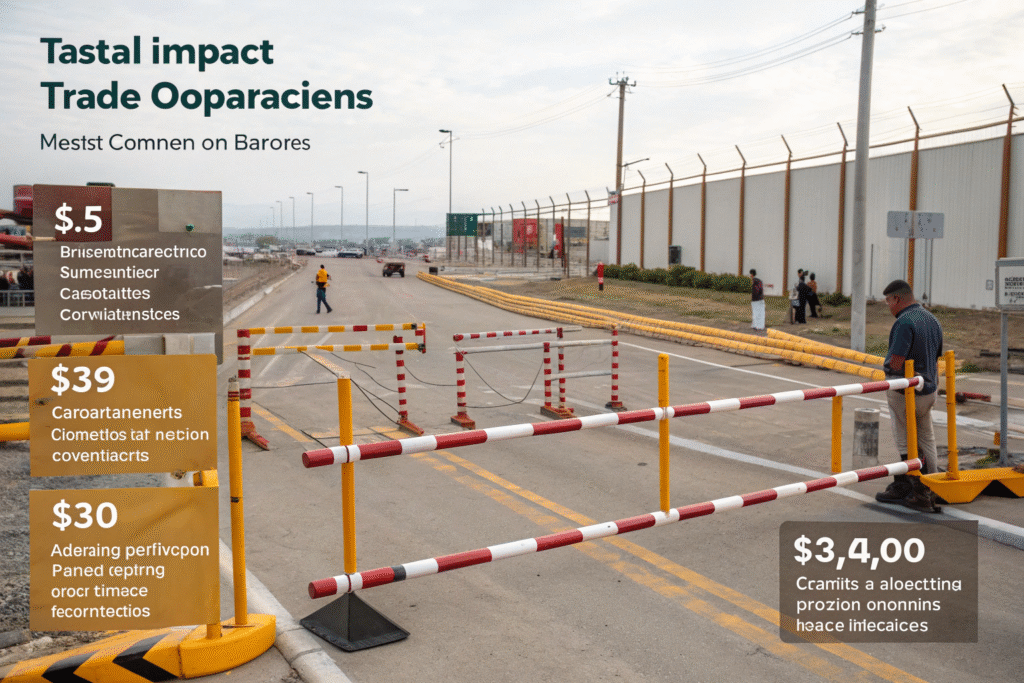
Testing and certification costs typically range from $2,000 to $20,000 per product. Each market requires its own testing, even when technical requirements are similar, creating redundant expenses that must be amortized over sales volume.
Sample destruction during testing eliminates valuable inventory. Many testing procedures require destroying samples, particularly for electronics, chemicals, and medical devices, adding to compliance costs.
Ongoing surveillance and recertification create recurring expenses. Annual factory audits, periodic product testing, and certification renewals maintain compliance costs throughout a product's market life.
What Makes Customs Procedures Particularly Burdensome?
Documentation requirements vary unpredictably between countries. Despite standardization efforts, customs officials often demand additional documents or interpret requirements differently, creating uncertainty and delays.
Valuation disputes cause significant clearance delays. Customs authorities may challenge declared values, particularly for related-party transactions, leading to lengthy investigations and potential penalty assessments.
Classification disagreements trigger examinations and delays. Different interpretations of Harmonized System codes can lead to inspections, testing, and protracted disputes over proper classification and duty rates.
How Can Businesses Overcome Non-Tariff Barriers?
Strategic approaches can mitigate NTB impacts, though complete avoidance is rarely possible in today's regulatory environment.

What Proactive Compliance Strategies Reduce NTB Impacts?
Early regulatory research during product development prevents redesign needs. Understanding target market requirements before finalizing products avoids costly modifications later in the product lifecycle.
International standards adoption facilitates multi-market compliance. Designing products to meet international standards (ISO, IEC, UN) rather than country-specific requirements reduces customization needs across markets.
Strategic certification planning minimizes redundant testing. Sequencing certifications to build on previous testing results and selecting recognized testing laboratories can reduce overall compliance costs.
How Can Operational Approaches Mitigate NTB Effects?
Supply chain restructuring can circumvent certain barriers. Manufacturing in key markets or regional hubs can avoid some technical barriers while potentially qualifying for preferential trade agreement benefits.
Expert partnership development enhances compliance capability. Working with experienced customs brokers, testing laboratories, and regulatory consultants provides expertise that few companies can maintain internally.
Documentation systems standardization ensures consistency. Developing master documentation packages with all required certificates, test reports, and compliance statements prevents omissions that cause clearance delays.
What Role Do Trade Agreements Play in Addressing NTBs?
Modern trade agreements increasingly focus on non-tariff barriers, though implementation challenges remain significant.
How Do Modern Agreements Tackle Technical Barriers?
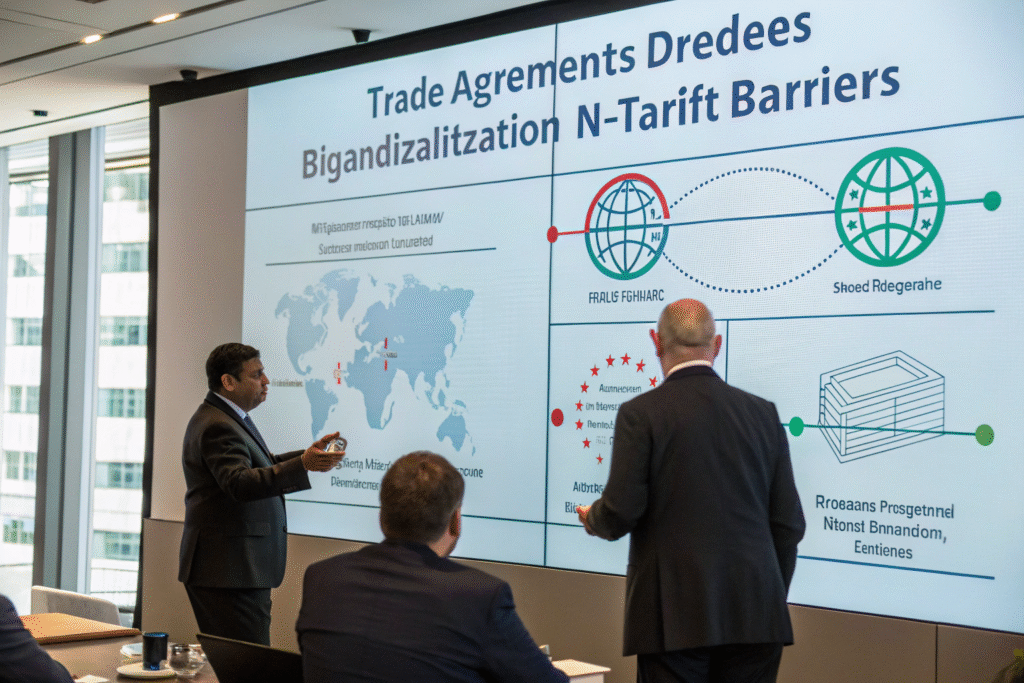
Standards harmonization provisions encourage regulatory alignment. Agreements like USMCA and CPTPP include chapters encouraging members to adopt international standards, reducing divergent technical requirements.
Transparency mechanisms require advance notice of new regulations. Most modern agreements mandate publishing proposed technical regulations for comment, allowing exporters to anticipate and adapt to changes.
Conformity assessment recognition reduces redundant testing. Mutual Recognition Agreements (MRAs) enable acceptance of testing and certification from other countries, though implementation often remains limited.
What Implementation Challenges Limit Agreement Effectiveness?
Limited regulatory harmonization persists despite agreements. While agreements encourage alignment, countries maintain significant regulatory autonomy, particularly for health, safety, and environmental protections.
Inconsistent interpretation undermines predictability. Different interpretations of agreement provisions by customs officials and regulators create uncertainty despite clear treaty language.
Enforcement mechanisms often lack effectiveness. Dispute settlement processes are slow and rarely used for individual NTB cases, limiting their practical value for most businesses.
How Should Businesses Prepare for Emerging NTBs?
The NTB landscape continues evolving, requiring ongoing adaptation and strategic planning.

What New Regulatory Trends Are Creating Future NTBs?
Sustainability and environmental regulations are expanding rapidly. Carbon border adjustments, recycling requirements, and environmental product declarations create new compliance obligations.
Digital trade barriers are emerging as data flows increase. Data localization requirements, privacy regulations, and restrictions on cross-border data flows create new digital trade barriers.
Security measures are adding trade compliance complexity. Supply chain security programs, anti-terrorism regulations, and enhanced screening procedures increase documentation and processing requirements.
How Can Businesses Build Resilience Against NTBs?
Regulatory monitoring systems provide early warning of changes. Establishing processes to track regulatory developments in key markets enables proactive adaptation rather than reactive compliance.
Flexible product designs accommodate varying requirements. Designing products with modular components or configurable features facilitates adaptation to different market requirements.
Diversified market strategy reduces dependency on single markets. Maintaining presence in multiple markets with different regulatory environments reduces vulnerability to NTBs in any single market.
Conclusion
Non-tariff barriers represent the most complex and growing challenge in international trade, often creating greater obstacles than traditional tariffs. Their subtle nature and technical complexity make them particularly difficult to navigate, especially for small and medium-sized enterprises with limited resources. However, with strategic approaches and proper expertise, businesses can successfully manage these barriers while maintaining global competitiveness.
At GeeseCargo, we've helped clients reduce NTB-related delays by over 65% through systematic compliance management and strategic planning. The most successful approaches combine deep regulatory knowledge with practical operational strategies, recognizing that NTB management requires both technical expertise and business acumen.
Begin your NTB management by conducting a comprehensive assessment of the barriers affecting your products and markets, then develop prioritized strategies that address your highest-impact challenges first. Remember that in today's global trade environment, successfully navigating non-tariff barriers isn't just about compliance—it's a competitive advantage that separates market leaders from struggling participants.