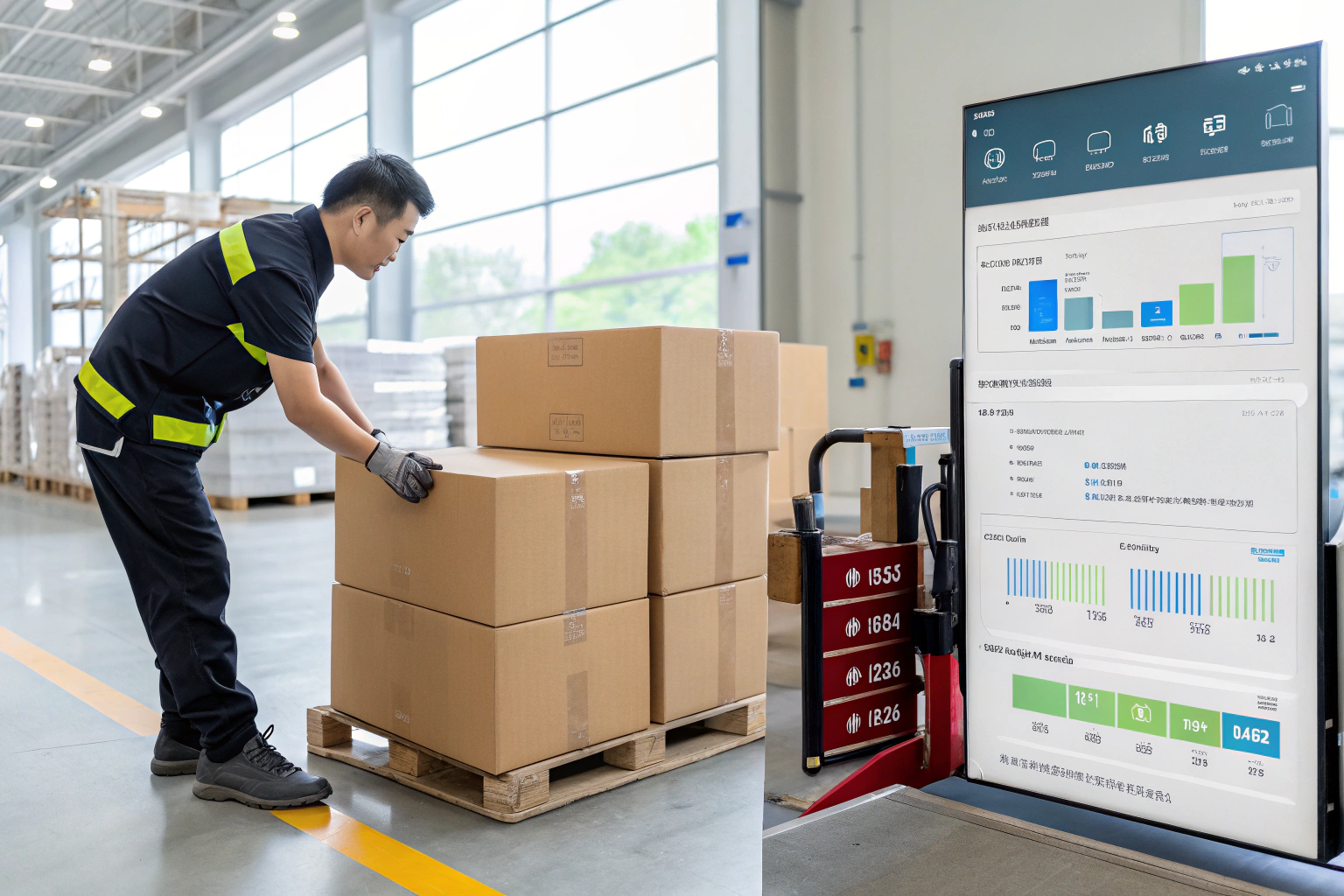
Last month, a distributor in Texas called me in a panic. His shipping costs had jumped 22% in six months, and his CFO was demanding answers. He was caught between two impossible choices: switch to a slower, cheaper service and disappoint his retail clients, or swallow the cost increase and watch his profit margins vanish. Every option felt like losing.
You can slash your shipping expenses by 10% to 30% while actually improving transit times, simply by implementing ten specific, tested strategies that attack waste at every link in your supply chain. I know this works because I have personally overseen these tactics for hundreds of shipments from China to the USA, and the results speak for themselves.
I built GeeseCargo on a simple belief: cheap freight isn’t cheap if it’s late, and fast freight isn’t worth it if it bankrupts you. The secret lies in the middle ground where efficiency meets economy. In this article, I’m going to walk you through exactly ten methods my team uses daily to deliver professional, reliable service at competitive prices. These are not theories or textbook ideas. These are battle-tested techniques forged on the docks of Shanghai and the warehouses of Los Angeles. Let’s get into it.
Why Smart Container Loading Cuts More Costs Than Rate Shopping
Every importer obsesses over the ocean freight rate per container. But I’ve watched too many buyers celebrate a $200 savings on the rate while bleeding $800 in wasted space inside the box. The obsession with the invoice number blinds them to the real money slipping through the cracks.
The fastest way to lower your per-unit shipping cost is not to find a cheaper carrier, but to fit more products into the same container through scientific consolidation and cube optimization. Rate shopping is a distraction; load optimization is the solution.
I want to pull back the curtain on how we think about container space. Most shippers treat a 40-foot container like a storage unit. We treat it like a three-dimensional puzzle where every cubic centimeter has a dollar value. Let me show you how maximizing cube utilization changes everything.
What Are the Most Common Container Loading Mistakes That Waste Money?
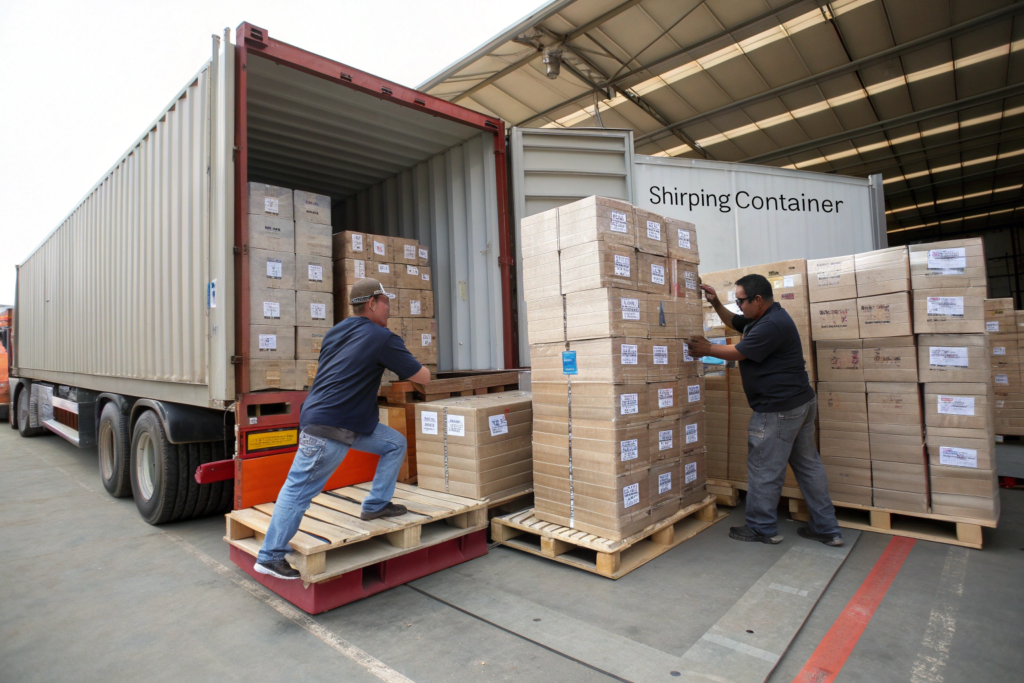
I walk through warehouses in Guangdong and see the same expensive mistakes repeatedly. Workers build walls of boxes without interlocking them, leaving air gaps that collapse during ocean transit. Pallets are stacked without calculating the exact height of the container door opening. The result is not just wasted space; it is damaged goods and expensive insurance claims.
At GeeseCargo, we send our own loading supervisors to the factory floor for large-volume clothing and gift shipments. They ensure that cartons are built to the precise dimensions that multiply cleanly into a container’s interior. We eliminate the wasted top space that happens when you use standard pallets without checking the exact internal height of a high-cube container. By referencing the Container Loading Best Practices from industry safety bodies, we train our teams to avoid the air-gap trap that inflates your per-unit freight cost.
How Does Pallet Configuration Affect Your Bottom Line?
This is a conversation I have with almost every new client. They ask for a quote, and I ask them for their carton dimensions. They often cannot provide them. Without this data, I am guessing, and guessing costs money. The configuration of cartons on a pallet determines whether you ship 800 units or 950 units in a single 40-foot container.
We use load planning software to simulate different pallet patterns before the goods even leave the production line. A slight change in carton orientation can increase the total cargo volume per container by 8%. For a clothing importer moving 50 containers a year, that is effectively four free containers. This kind of detailed pallet science, which aligns with the National Wooden Pallet & Container Association standards, is how we convert logistics from a cost center into a competitive advantage.
Why Multi-Modal Transport Beats Pure Ocean Freight Every Time
The phone call always starts the same way. "I need the cheapest way to get this from Ningbo to Chicago." The assumption is that a slow boat is the only affordable answer. But when you factor in the cost of inventory sitting idle for 35 days on the water, the math changes completely.
Combining rail, road, and ocean transport through a coordinated multi-modal strategy delivers a landed cost that is frequently lower than pure ocean freight when you account for inventory carrying costs and missed sales opportunities. Speed creates value that offsets its own price tag.
The old binary choice between "cheap and slow" and "fast and expensive" is dead. We operate in a gray zone where hybrid solutions beat both extremes. Let me explain why your route map should look more like a subway system and less like a single straight line.
When Does Sea-Rail Combined Transport Make Financial Sense?
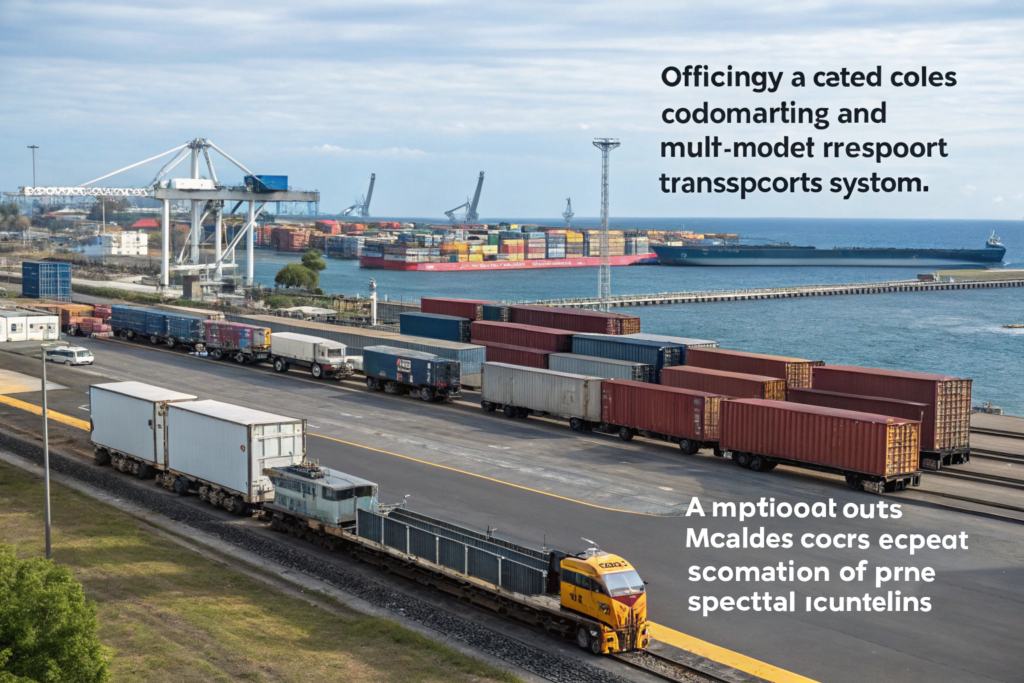
Sea-rail is not just an emergency backup for when the LA ports are clogged. It is a proactive strategy for Midwest and East Coast deliveries that we use year-round. When a container lands in Long Beach, putting it on a truck to Chicago is expensive and slow due to driver shortages and highway congestion. But putting that same container on a Union Pacific premium intermodal train cuts the cost by roughly 15% and often shaves a day off the transit.
I advise my clients to map their final delivery ZIP codes against intermodal terminals. If your warehouse is within 200 miles of a rail hub, sea-rail is usually your mathematically optimal choice. We handle the coordination between the marine terminal and the rail ramp, ensuring your cargo does not sit in a holding area consuming storage fees. This approach is not about finding the cheapest single leg; it is about optimizing the entire chain for both cost and time.
Why Does Air Freight Sometimes Carry Lower Total Costs?
This sounds counterintuitive, and I enjoy watching skeptical faces when I propose it. But for high-value clothing and accessories with short selling seasons, air freight can be cheaper than ocean freight on a total-cost basis. If a fashion trend has a six-week window, and ocean transit eats four of those weeks, you are left with two weeks to sell at full margin before markdowns begin.
We calculate the capital cost of your inventory. If $100,000 worth of goods sits on a ship for a month, you are losing the interest on that capital and risking a 30% markdown at retail. Sometimes, spending an extra $2,000 on air freight through a consolidator saves $20,000 in lost profit. We access competitive TAC Index air cargo rates and consolidated services that make this math work in favor of smart shippers who look past the initial freight invoice and see the full business picture.
How Consolidation Warehouses in China Eliminate Hidden Fees
Scattered shipments from five different factories in Zhejiang are a logistical nightmare. Each one generates a separate trucking bill, a separate export clearance fee, and a separate set of documentation charges. These small fees look harmless individually but can add up to hundreds of dollars per shipment.
A consolidation warehouse acts as a single collection point, merging multiple vendor shipments into one seamless export, eliminating redundant charges and giving you bargaining power through unified volume. You stop paying five small fees and start paying one smart price.
I want you to think of our Yiwu consolidation center as a pressure valve for your supply chain costs. Every time you send a single truck to collect from one factory, you are paying a premium for inefficiency. Let me show you how pooling changes the game.
What Are the Hidden Charges in Multi-Factory Pickups?
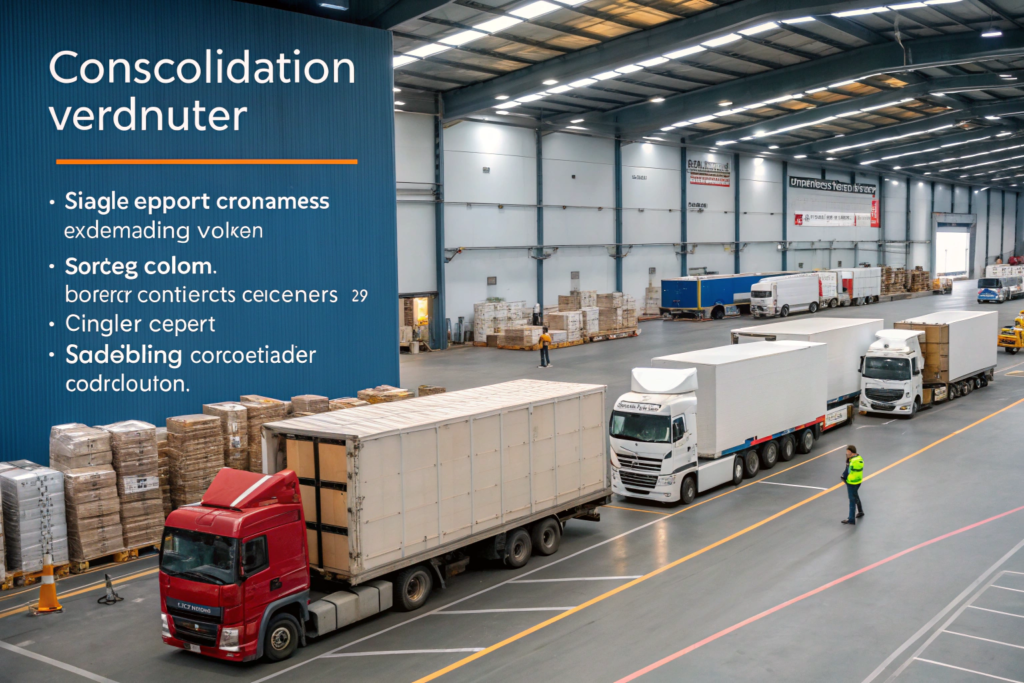
You see a quote for $300 for a truck from Factory A to the port. That seems fine. Then Factory B also charges $300. Then Factory C charges $350 because it is farther. You have just spent $950 on three half-empty trucks. This is the hidden tax of uncoordinated sourcing.
Our consolidation solution changes this entirely. We instruct all your suppliers in Guangdong and Zhejiang to deliver their completed orders to our centralized warehouse. We can often arrange backhaul loads that are cheaper than direct port drayage. Once everything is under our roof, we build a single, fully optimized container. We also inspect the goods for you at this stage, catching quality problems before they leave China. By using a single customs broker and a single origin documentation process, you avoid the repetitive transaction fees that inflate your logistics spend, a principle endorsed in modern supply chain consolidation practices.
Can Vendor-Managed Inventory in China Speed Up Your Supply Chain?
Delays often start before the ship is even booked. A factory misses a production deadline, and suddenly your full container is not full anymore. You either ship air and pay for the empty space, or you delay the entire load and miss your delivery window. Both options hurt.
We offer a vendor-managed inventory program at our Shenzhen hub. Your suppliers can deliver goods as they are finished, and we hold them securely until the full consolidated load is ready. This means your shipment is not held hostage by the slowest factory. The fast producers ship immediately, and we build the container in stages. We track everything digitally so you have real-time visibility into what is in our warehouse and what is still on the production line. This creates a buffer that protects your timeline without adding cost.
Why Flexible Billing Terms Improve Cash Flow for Large Importers
Cash flow kills more businesses than bad products ever do. I have watched profitable companies nearly collapse because they had $200,000 tied up in freight bills while waiting 45 days for retailer payments. The timing mismatch between paying for shipping and getting paid for goods creates a dangerous gap.
Offering structured, flexible payment terms on freight charges transforms your logistics from a cash-flow drain into a strategic financial tool that aligns shipping costs with your revenue cycle. You should not have to finance your forwarder’s operations.
This is a topic most freight forwarders avoid because they want your money upfront. I take a different view. My goal is to build partnerships that last decades, and that means understanding my clients’ financial realities. Let’s talk about how we make money work for you, not against you.
How Do Post-Payment Terms Help Manage Seasonal Inventory?
The gift and accessory business is brutally seasonal. You are shipping massive volumes in August and September for the holiday rush, but the revenue from those goods does not arrive until November and December. Paying six-figure freight bills in September squeezes your operating capital right when you need it most for marketing and staffing.
For qualified buyers with established trading history, GeeseCargo offers net-30 or even net-60 payment terms. We carry the freight cost for a period so you can invest in selling the products. This is not something we offer to everyone, but for high-volume, repeat shippers, it is a partnership benefit that changes the game. Aligning payment outflows with your receivables cycle, a core concept in trade finance, keeps your business liquid during the most critical selling periods of the year.
Does Multi-Currency Billing Reduce Exchange Rate Losses?
If you are a U.S. company paying a Chinese forwarder in RMB, you are taking on currency risk. The dollar swings against the yuan, and suddenly your freight budget is off by 3% or more. Over a year of high-volume shipping, this volatility can create a five-figure discrepancy between your projected and actual costs.
We bill our American clients in U.S. dollars. This transfers the currency risk from your books to ours. We have the local banking infrastructure to handle RMB payments to carriers and truckers in China while letting you settle everything in USD. This approach simplifies your accounting and removes the need to hedge freight costs or guess where exchange rates are heading. You know exactly what you will pay from the moment you receive our quote.
Conclusion
Cutting shipping costs without sacrificing speed is not about finding a single magic trick. It is about systematically eliminating waste, rethinking assumptions, and building a partnership with a freight forwarder who is invested in your success. The ten methods I have shared here—from scientific container loading and multi-modal routing to consolidation warehousing and flexible billing—are the exact strategies we use at GeeseCargo every day.
We do not succeed unless our clients succeed. That is why we offer professional, reliable, and competitive freight forwarding services that go beyond booking a vessel. We look at your entire business model, your inventory cycles, and your cash flow needs. Then we build a logistics solution that fits like a glove.
If you are tired of choosing between cheap and fast, if you want a partner who can deliver both, let’s talk. Visit our website at https://geesecargo.com/ and let’s start building a supply chain that protects your profits and your reputation.