When one of our clients achieved C-TPAT certification and saw their customs examination rates drop from 12% to under 2%, they recouped their investment in under eight months through reduced delays and streamlined processes. As founder of GeeseCargo with extensive supply chain security experience, I've witnessed how C-TPAT transforms from a compliance program to a strategic advantage for qualified businesses.
C-TPAT (Customs-Trade Partnership Against Terrorism) is right for businesses importing substantial volumes to the US that can implement robust security protocols throughout their supply chain. The program typically reduces customs examinations by 70-80%, provides front-of-line processing during disruptions, and offers significant supply chain security improvements. However, it requires substantial documentation, process changes, and ongoing compliance efforts.
C-TPAT represents a partnership between businesses and US Customs and Border Protection that exchanges enhanced security for trade facilitation benefits. Understanding both the requirements and benefits helps determine if your business should pursue certification.
What Are the Actual Benefits of C-TPAT Certification?
The advantages extend beyond faster customs clearance to include operational efficiencies and competitive differentiation.

How Does C-TPAT Impact Customs Processing and Examination Rates?
Dramatically reduced physical examination rates provide predictable clearance. C-TPAT members typically experience 4-6 times fewer physical examinations than non-members, with some reporting examination rates below 2% compared to industry averages of 10-15%.
Front-of-the-line processing during system disruptions or heightened alert levels. When CBP implements operational changes or system outages, C-TPAT shipments typically receive priority processing, preventing extended delays.
Reduced documentation review and faster release decisions. The trusted trader status means CBP spends less time scrutinizing C-TPAT members' documentation, accelerating release decisions.
What Operational and Financial Benefits Extend Beyond Customs?
Supply chain security improvements reduce theft and loss. Implementing C-TPAT security requirements typically reduces cargo theft by 40-60% and improves overall supply chain visibility and control.
Business continuity advantages during disruptions. C-TPAT members often maintain operations during transportation strikes, weather events, or security incidents that paralyze non-certified competitors.
Enhanced customer confidence and competitive differentiation. Many large retailers and manufacturers prefer or require C-TPAT certified partners, creating business development opportunities.
What Are the Eligibility Requirements and Costs?
Understanding the qualification criteria and investment requirements helps determine if C-TPAT aligns with your business capabilities.
Which Business Types Qualify for C-TPAT Participation?
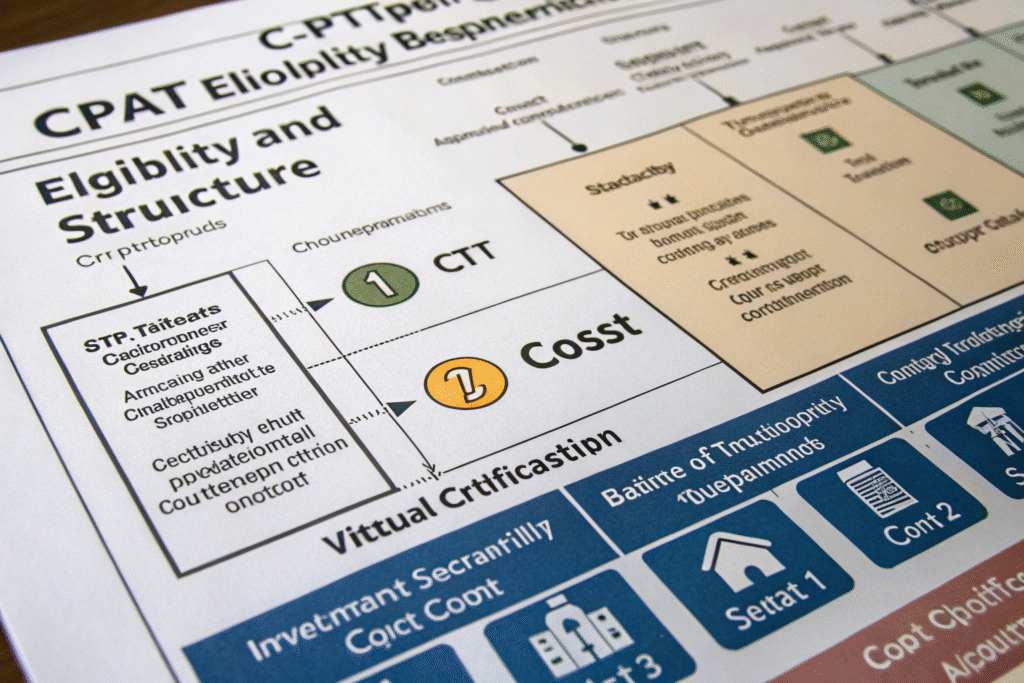
US importers bringing substantial volume to the United States represent the core membership. While there's no minimum shipment requirement, businesses with at least 50-100 annual shipments typically benefit most from certification.
Specific industry participants have tailored programs. Carriers (highway, rail, sea, air), brokers, warehouse operators, and manufacturers each have specific security protocols and benefit structures.
Foreign manufacturers supplying US markets can participate through the Tier 3 program. Non-US companies can achieve certification that provides benefits when their US importers are also C-TPAT certified.
What Are the Direct and Indirect Costs of Certification?
Implementation costs typically range from $15,000-$85,000 depending on company size and complexity. These include security assessments, process documentation, physical security improvements, and technology upgrades.
Annual maintenance costs average $8,000-$25,000 for ongoing compliance. Regular security training, system audits, process updates, and program management require dedicated resources.
Opportunity costs from process changes should be considered. Some efficiency-focused processes may need modification to meet security requirements, potentially adding steps or time to certain operations.
What Security Requirements Must Your Business Implement?
C-TPAT requires comprehensive security measures across multiple business areas with detailed documentation and verification.

What Physical and Access Control Standards Are Required?
Facility security measures must prevent unauthorized access. These include perimeter fencing, adequate lighting, visitor management systems, and access controls for sensitive areas.
Container and trailer integrity procedures prevent tampering. Requirements include container inspection protocols, seal procedures, and storage security for empty and loaded containers.
Documentation of all security measures with regular testing. Simply having security isn't enough—C-TPAT requires documented procedures, training records, and regular testing of security systems.
How Extensive Are the Procedural and Personnel Requirements?
Comprehensive background checks for employees with security responsibilities. Companies must conduct background checks and periodic reverification for employees in sensitive positions.
Security training programs for all supply chain participants. Regular security awareness training must extend beyond employees to include contractors, temporary workers, and key supply chain partners.
Business partner requirements extend security throughout the supply chain. C-TPAT members must ensure their carriers, suppliers, and service providers maintain adequate security standards.
How Does the Certification Process Work?
The path to certification involves multiple stages with specific documentation and validation requirements.
What Steps Are Involved in Achieving Certification?
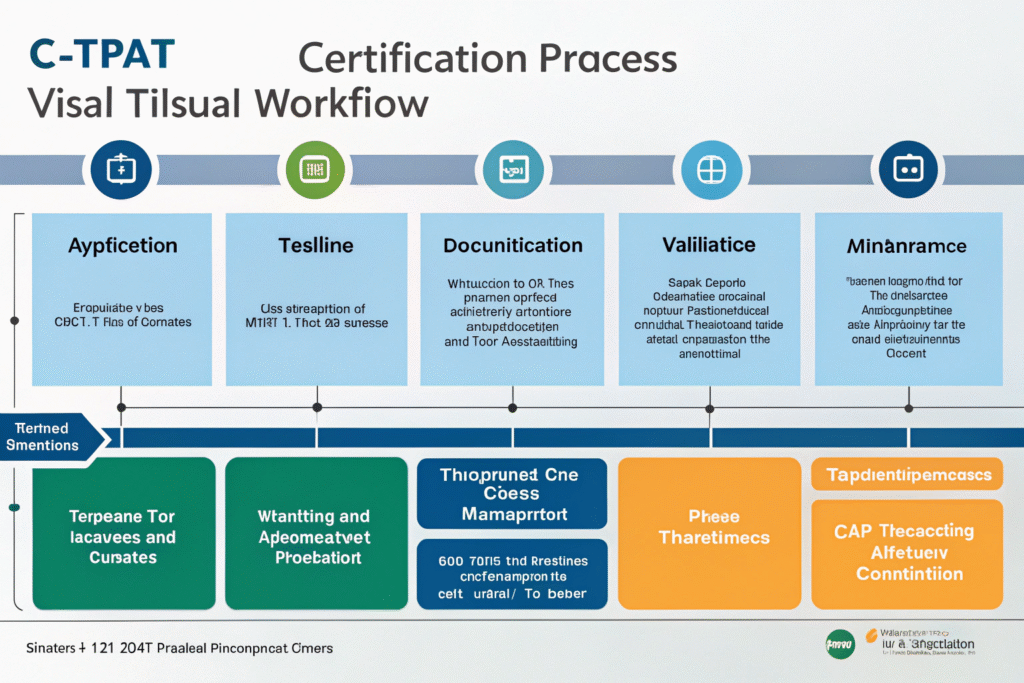
Online application through the CBP portal begins the process. Companies complete a detailed security profile outlining their operations, security measures, and supply chain partnerships.
Security assessment and gap analysis identify improvement needs. Most companies conduct comprehensive security assessments to identify gaps between current practices and C-TPAT requirements before formal submission.
Documentation development creates the required evidence base. Companies must develop detailed procedures, training materials, assessment protocols, and records demonstrating security implementation.
What Happens During the CBP Validation Process?
Supply chain security validation occurs through on-site assessments. CBP officers or designated representatives conduct on-site reviews of domestic and potentially international facilities to verify security implementations.
Management interviews assess security culture and awareness. CBP validates that security isn't just documented but understood and implemented throughout the organization.
Corrective action plans address any identified deficiencies. Most validations identify some areas for improvement, requiring documented corrective actions with specific timelines.
What Ongoing Compliance Requirements Exist?
C-TPAT certification requires continuous maintenance rather than one-time achievement.

What Regular Activities Maintain Certification Status?
Annual security profile reviews and updates ensure information accuracy. Companies must review and update their security profiles annually or after significant business changes.
Periodic self-assessments verify ongoing compliance. Regular internal audits and assessments ensure security measures remain effective and compliant with evolving standards.
Security incident reporting and analysis demonstrates program effectiveness. Companies must document and analyze security incidents to demonstrate continuous improvement.
How Does CBP Verify Ongoing Compliance?
Validation reassessments occur every 3-4 years for most members. CBP conducts periodic revalidations to ensure companies maintain their security standards and program requirements.
Performance monitoring uses examination and anomaly data. CBP continuously monitors member performance through examination results, documentation reviews, and anomaly detection.
Minimum security criteria updates require periodic program enhancements. As security threats evolve, CBP updates requirements, necessitating program adjustments to maintain certification.
What Are Common Reasons Businesses Struggle with C-TPAT?
Understanding potential challenges helps businesses prepare for successful implementation and maintenance.
What Implementation Challenges Derail Certification Efforts?
Inadequate documentation of security procedures and practices. Many companies have good security but poor documentation, failing to demonstrate their practices to CBP validators.
Supply chain partner compliance creates complexity. Ensuring all relevant supply chain partners maintain adequate security standards requires significant coordination and oversight.
Resource allocation underestimates ongoing requirements. Companies often underestimate the personnel, time, and financial resources needed for both implementation and maintenance.
What Maintenance Challenges Threaten Certification Status?
Security procedure stagnation fails to address evolving threats. Maintaining the same security measures without regular updates and improvements can lead to validation failures.
Business changes outpace security profile updates. Mergers, acquisitions, new products, or supply chain changes that aren't reflected in security profiles create compliance gaps.
Complacency after initial certification reduces vigilance. Some companies reduce their focus on security after achieving certification, allowing standards to slip until revalidation.
Conclusion
C-TPAT certification represents a significant commitment that delivers substantial benefits for businesses with sufficient import volume and supply chain complexity. The program is right for companies that can implement comprehensive security measures, maintain detailed documentation, and commit to ongoing compliance management. For these businesses, C-TPAT transforms from a cost center to a competitive advantage through reduced delays, improved security, and enhanced customer confidence.
At GeeseCargo, we've helped clients achieve C-TPAT certification with an average 14-month ROI through reduced customs delays and improved operational efficiency. The most successful implementations treat C-TPAT as a business transformation initiative rather than a compliance exercise, integrating security considerations into core operations rather than layering them on as additional requirements.
Begin your C-TPAT assessment by conducting a preliminary security gap analysis, estimating both implementation costs and potential benefits specific to your operations. Remember that C-TPAT isn't just about meeting requirements—it's about building a more secure, efficient, and resilient supply chain that supports your broader business objectives.