The strategic shift of manufacturing and shipping from Vietnam to circumvent China tariffs has become an increasingly popular supply chain strategy, but it requires careful planning to ensure compliance and true cost efficiency. As a freight forwarder with extensive experience in both Chinese and Vietnamese logistics, I've helped numerous clients successfully navigate this transition while avoiding common pitfalls that can negate the intended tariff benefits.
Shipping from Vietnam can legally avoid China tariffs only when products undergo substantial transformation in Vietnam or qualify under specific trade agreement rules, not through simple transshipment or minor processing. The key lies in establishing legitimate manufacturing operations that meet rules of origin requirements while maintaining competitive overall costs despite potentially higher production expenses.
While Vietnam offers significant advantages for tariff reduction, successful implementation requires understanding both the opportunities and limitations. Let's examine the practical realities of using Vietnam as a tariff-avoidance strategy.
What Are the Legal Requirements for Avoiding Tariffs via Vietnam?
Simply routing Chinese goods through Vietnam without substantial transformation violates customs laws and risks severe penalties.

How Does Substantial Transformation Work in Practice?
Meaningful manufacturing processes must change the essential character of imported Chinese components. For example, importing fabric from China to make garments in Vietnam typically qualifies, while simply repackaging or minor assembly of Chinese-made electronics generally does not. Vietnamese authorities increasingly scrutinize transformation levels to prevent circumvention.
Value-added thresholds often determine whether transformation qualifies as substantial. While Vietnam doesn't have fixed percentage requirements like some countries, most customs experts recommend achieving at least 35-40% Vietnamese value addition through manufacturing costs, local materials, and overhead to withstand scrutiny.
What Documentation Proves Country of Origin?
Certificate of Origin (C/O) requirements vary by destination market and trade agreements. For US exports, the Vietnamese Chamber of Commerce issues C/O forms, while EU exports require specific EUR.1 certificates. Proper documentation must trace materials to their origins and demonstrate compliance with relevant rules of origin.
Manufacturing process documentation supports origin claims during customs audits. Detailed production records, bills of material, cost breakdowns, and factory audits demonstrate the legitimacy of Vietnamese origin claims when questioned by importing authorities.
What Are the True Costs and Savings of Vietnamese Shipping?
While tariff savings can be significant, other cost factors may partially offset these benefits.

How Do Production Costs Compare?
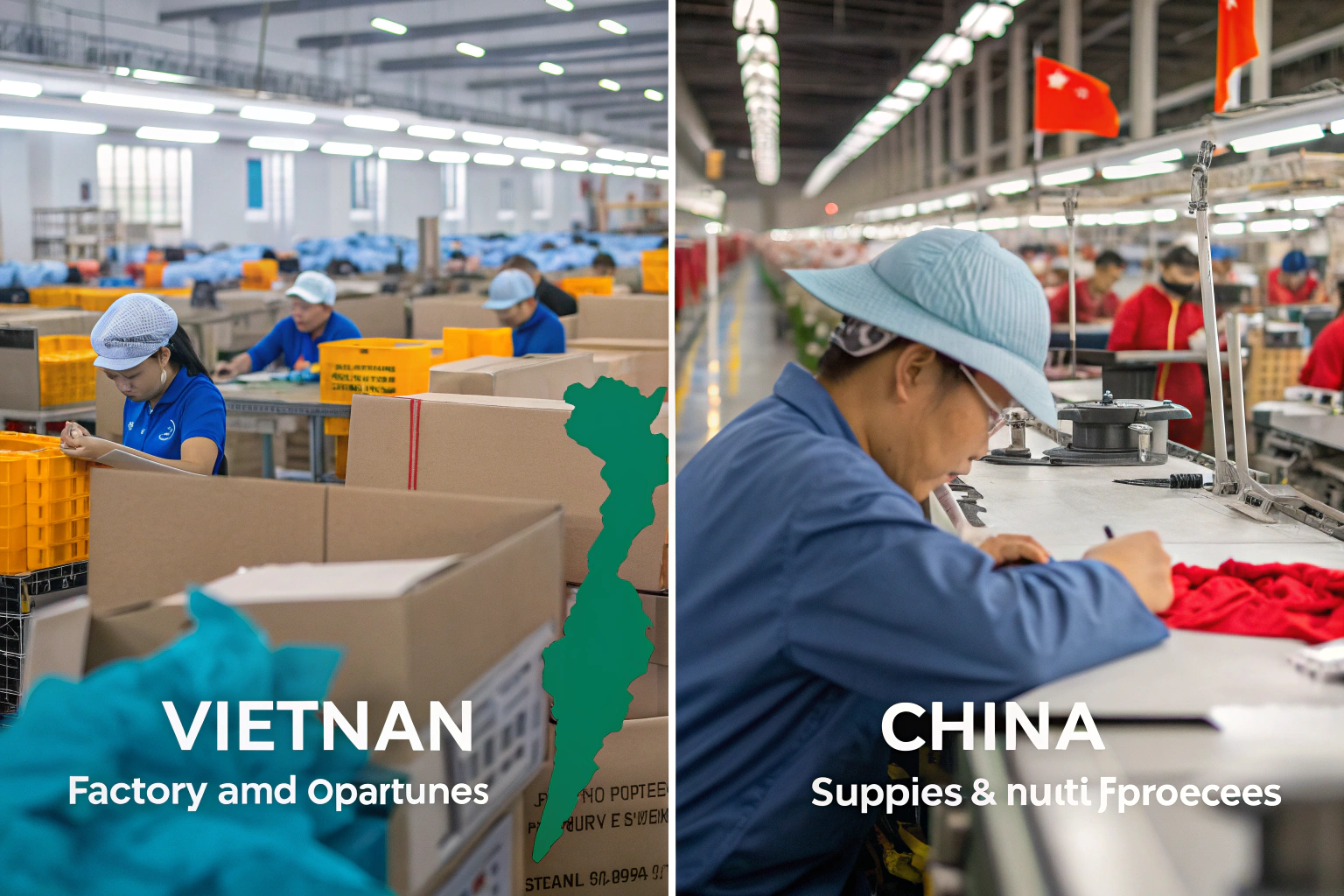
Labor cost advantages remain in Vietnam, with manufacturing wages approximately 30-50% lower than in major Chinese industrial regions. However, productivity differences can reduce this advantage, particularly in technically complex industries requiring highly skilled workers.
Infrastructure and utility costs vary significantly by region within Vietnam. Northern industrial zones near Hanoi offer better infrastructure but higher costs, while emerging southern regions may have cost advantages but require additional logistics planning and potentially higher transportation expenses.
What Logistics Cost Factors Should You Consider?
Shipping frequency and reliability differ from Chinese patterns. While major Vietnamese ports like Cat Lai and Hai Phong have improved significantly, vessel frequency and direct service options still trail major Chinese ports, potentially requiring transshipment and adding transit time.
Supply chain maturity affects component availability and logistics efficiency. Vietnam's supporting industries continue developing, but many components still need importing from China or elsewhere, adding complexity and cost to the total supply chain.
What Industries Benefit Most from Vietnamese Manufacturing?
Certain sectors have established robust ecosystems in Vietnam that support successful tariff avoidance strategies.

Which Sectors Have Mature Supply Chains in Vietnam?
Textiles and apparel represent Vietnam's strongest manufacturing sector, with complete supply chains from fabric to finished garments. The industry benefits from extensive trade agreements and has proven capability to meet quality and volume requirements for major global brands.
Furniture and wood products have developed sophisticated manufacturing ecosystems, particularly in southern Vietnam. The industry successfully serves demanding markets like the United States and European Union while offering legitimate origin transformation from imported materials.
What Emerging Sectors Show Promise?
Electronics and telecommunications have grown rapidly, with major companies like Samsung and Intel establishing substantial operations. While many components still import from China and elsewhere, the level of transformation typically qualifies for Vietnamese origin, particularly for complex assembled products.
Footwear and accessories benefit from Vietnam's traditional strength in leather goods and labor-intensive manufacturing. The sector has demonstrated ability to meet quality standards while providing legitimate substantial transformation for tariff purposes.
What Are the Common Compliance Pitfalls to Avoid?
Several recurring issues trap companies attempting Vietnamese shipping strategies without proper preparation.

How Do Customs Authorities Detect Circumvention?
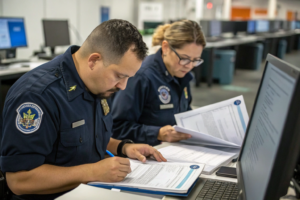
Supply chain mapping and investigation techniques have become increasingly sophisticated. US Customs and Border Protection employs dedicated teams that analyze shipping patterns, corporate structures, and manufacturing processes to identify tariff evasion, with particular focus on Vietnam-China trade flows.
Material tracing and verification during audits can reveal insufficient transformation. Customs officials may visit Vietnamese factories, examine production records, and trace components to their Chinese origins to verify whether substantial transformation actually occurred.
What Documentation Risks Cause Problems?
Inconsistent paper trails raise red flags during customs reviews. Discrepancies between bills of material, production records, and customs declarations often trigger deeper investigations that can delay shipments and lead to penalties.
Overstated local content claims that cannot be supported by evidence result in denied preferential treatment and potential penalties. Conservative, well-documented origin claims withstand scrutiny better than aggressive interpretations that stretch transformation definitions.
How Should Companies Approach the Transition to Vietnam?
A structured, phased approach maximizes success when shifting production from China to Vietnam.

What Phased Approach Works Best?
Pilot production phase allows testing Vietnamese capabilities with lower-risk products before full transition. Starting with simpler products or smaller volumes helps identify potential issues while building experience and relationships with Vietnamese partners.
Dual sourcing strategy maintains some Chinese production during transition, reducing risk while Vietnamese operations scale up and prove reliability. This approach also provides comparison data for cost and quality benchmarking.
What Partnership Strategies Enhance Success?
Experienced local partners provide crucial navigation of Vietnamese business practices and regulations. Joint ventures with established Vietnamese manufacturers or partnerships with experienced trading companies can accelerate learning curves and prevent costly mistakes.
Logistics provider selection requires specific Vietnam expertise. Forwarders with established Vietnamese operations, local language capabilities, and port-specific knowledge handle the unique challenges of Vietnamese shipping more effectively than those primarily experienced with Chinese logistics.
Conclusion
Shipping from Vietnam to avoid China tariffs is absolutely possible and can deliver significant savings when implemented correctly, but it requires legitimate manufacturing transformation rather than simple transshipment. Success depends on understanding rules of origin, maintaining meticulous documentation, accurately calculating true costs, and selecting appropriate industries and partners for your specific products.
At GeeseCargo, we've helped numerous clients establish compliant Vietnamese shipping strategies that typically reduce tariff costs by 15-25% while maintaining supply chain reliability. Our experience shows that companies taking a measured, well-documented approach achieve the best outcomes, while those seeking shortcuts often face customs challenges that eliminate anticipated savings. The most successful implementations view Vietnam not just as a tariff avoidance strategy but as a long-term manufacturing diversification that provides multiple benefits beyond just duty reduction.