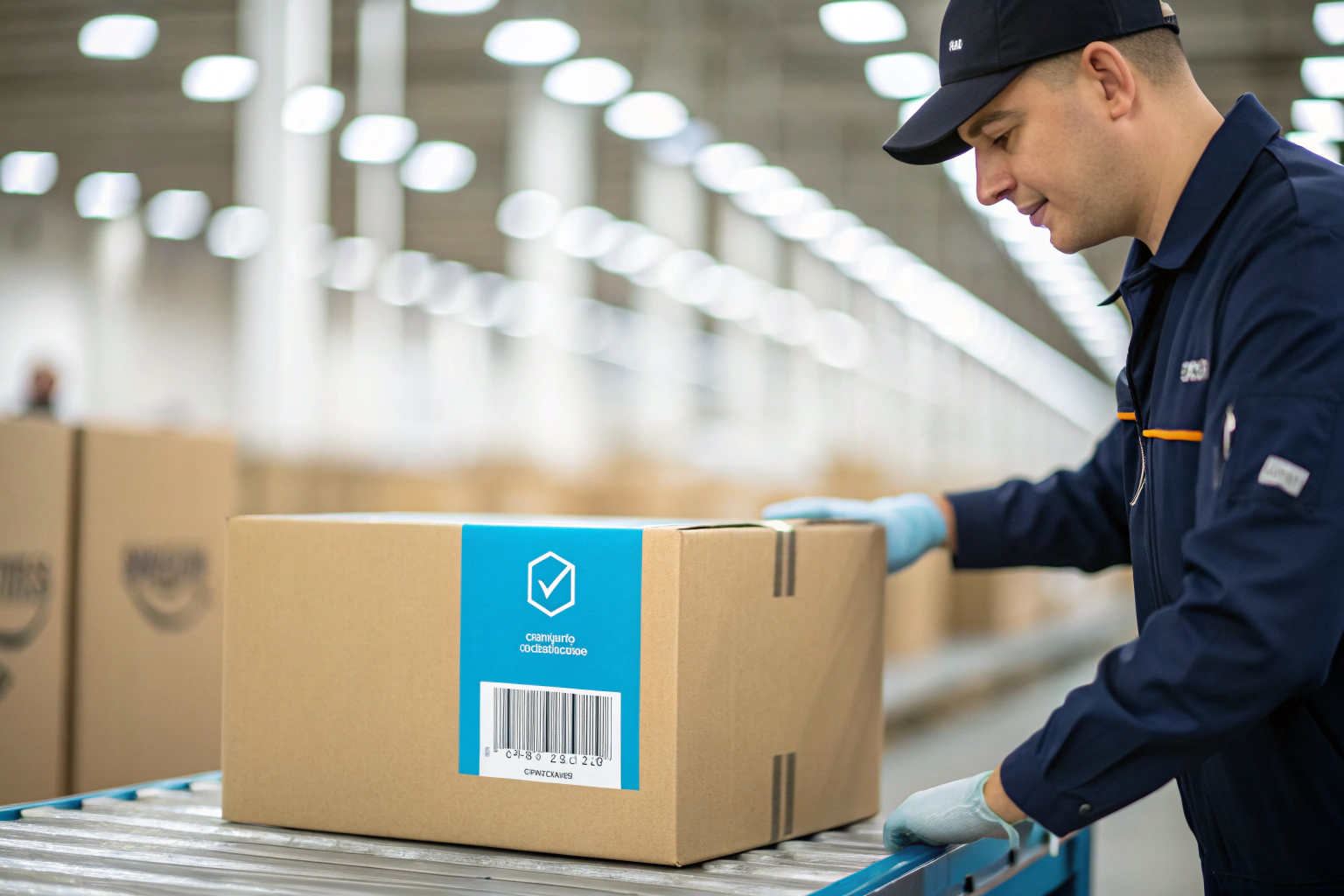
You are staring at your Seller Central dashboard. Your inventory count is dropping fast. Your best-selling gift set is about to go out of stock. You have 200 units ready at your supplier’s factory in Guangzhou. They need to get to an Amazon fulfillment center in Texas yesterday. But you remember the last shipment. The forwarder delivered the pallets to the wrong address. The carton labels were slightly misaligned, and Amazon rejected the entire delivery. You lost two weeks reselling the rejected stock. You lost the Buy Box. You lost sleep. Selling on FBA is a high-speed game. The logistics pipeline is your lifeline. If it clogs, your business chokes. You need a shipping service that speaks Amazon’s language. You need a partner who treats FBA requirements as law. That is exactly why we built our DDP shipping service with Amazon sellers in mind.
GeeseCargo’s DDP shipping is the right choice for your Amazon FBA business because we combine true door-to-door delivery with strict FBA compliance. We act as the Importer of Record, paying all duties upfront and clearing customs under our own continuous bond. We deliver directly to Amazon fulfillment centers with precise carton labeling, palletization that meets Amazon’s box weight and dimension limits, and accurate advance shipment notifications. You do not handle customs. You do not manage trucking appointments. You do not fear FBA warehouse rejections. We handle the physical move and the compliance checks in one fixed price. Your goods arrive at the FC dock ready to scan and stock.
I have spent years watching Amazon sellers struggle with the gap between their supplier and the FBA warehouse. The factory makes the product. A random freight forwarder ships it. No one checks the Amazon labeling requirements. No one measures the carton dimensions against FBA limits. The shipment arrives. It gets rejected. The seller loses a month of sales. We close that gap. I want to walk you through exactly how our DDP service aligns with FBA’s strict standards and why it protects your seller account health.
What Makes Amazon FBA Shipping Different from Standard DDP?
Standard DDP shipping delivers goods to a commercial address. That is simple. A warehouse manager signs the delivery receipt. The boxes are stacked inside. Done. Amazon FBA shipping is a completely different animal. Amazon does not just accept any delivery. They enforce a strict set of inbound shipping requirements. If your carton exceeds 50 pounds, you need a heavy box sticker. If your pallets are taller than 72 inches, the shipment is refused. If the carton labels are blurry or wrapped in tape, the scanners reject them. If you fail to input the shipment ID in Amazon’s system before the truck arrives, the delivery is turned away. These rules are non-negotiable. A forwarder who treats FBA shipping like standard commercial freight will cost you your seller account standing.
Amazon FBA shipping differs from standard DDP because it requires strict adherence to Amazon’s inbound guidelines. You must print and affix unique FBA carton labels generated from Seller Central. You must palletize goods according to specific height and weight standards. You must provide an accurate bill of lading reference number in the shipment workflow. You must schedule a delivery appointment through Amazon Carrier Central. GeeseCargo builds all these FBA-specific steps into our DDP workflow. We do not just deliver a container to the general zip code. We deliver compliant cartons to the specific FC dock door at the exact appointment time.
I remember a seller who used a general freight forwarder for his first FBA shipment. The forwarder did a decent job with the ocean freight. But they had no idea about Amazon’s pallet requirements. They stacked the cartons 80 inches high. The shipment arrived at the FC. Amazon refused the entire truck. The forwarder had no backup plan. The pallets sat in a parking lot. The seller had to hire a local warehouse to re-palletize the entire shipment. The cost ate his entire profit margin for that season. The delay caused his account health score to drop. After that nightmare, he came to us. We never let a pallet leave our facility without a final FBA compliance check.
How Do Amazon’s Carton Weight Limits Affect Your Shipping Plan?
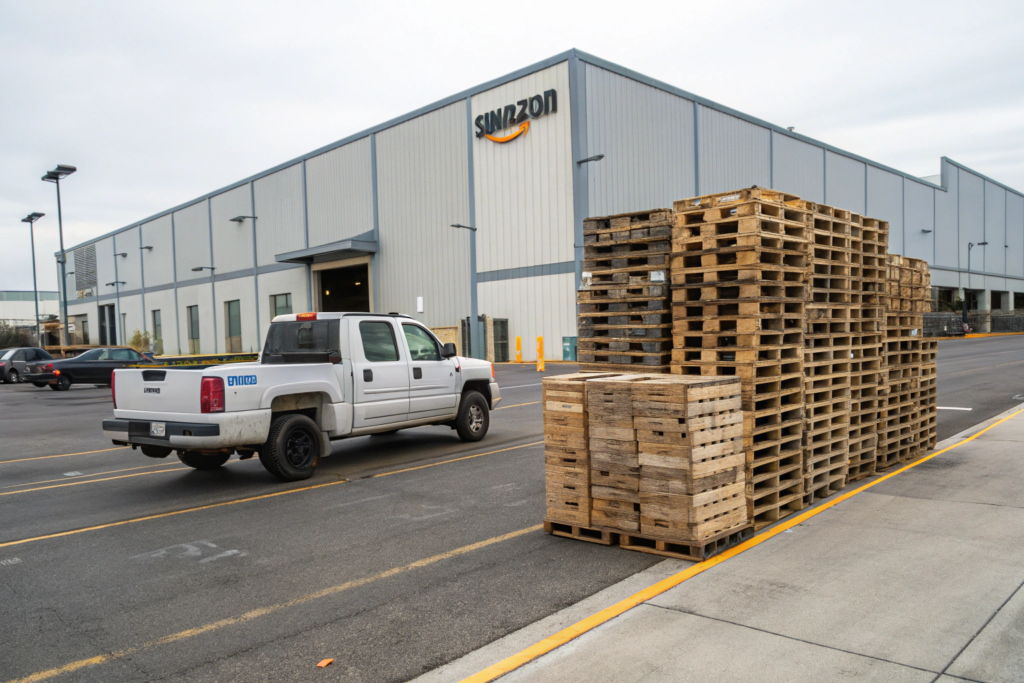
Amazon sets strict limits. A single carton must not exceed 50 pounds unless it contains a single oversized item. Then you need a "Team Lift" sticker. Cartons under 50 pounds move through the FC’s standard conveyor systems. Heavy cartons get pulled aside. They cause delays. They get flagged in your shipment performance report. We review your packing plan before your supplier packs the goods. We advise you to split heavy items across multiple cartons. If a heavy box is unavoidable, we affix the correct Amazon-compliant heavy-box sticker. We print them ourselves. We check every box on the pallet with a hand scale. The weight must match the digital submission. This physical weight verification is not a standard freight service. It is an FBA-specific step that saves you from inbound defects.
Why Is Pallet Standardization Critical for FBA Acceptance?
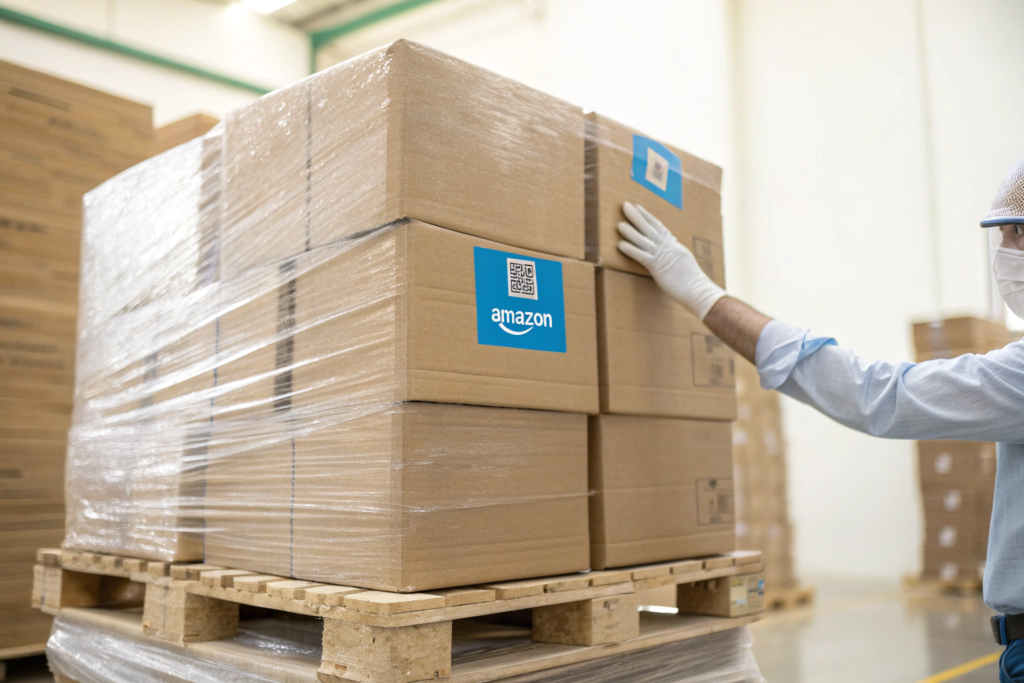
Amazon receives thousands of pallets a day. Their unloaders work fast. They expect uniformity. A pallet must be exactly 40 inches by 48 inches, four-way access. The total height including the pallet must not exceed 72 inches. The cartons must be stacked squarely, no overhang. The stretch wrap must be clear and tight. Any deviation triggers a refusal. At our consolidation center, we build FBA pallets to spec. We use high-quality GMA standard pallets. We stack the boxes flush. We measure the height with a laser. We apply a single layer of clear wrap with a clean tail. We then label the pallet with the FBA shipment ID. We take a photo and send it to you before the truck departs. This palletization process guarantees that your goods roll off the truck and straight onto the receiving dock without a rejection.
Can Our DDP Service Prevent Amazon Shipment Rejections?
Amazon shipment rejections are a seller’s worst nightmare. The rejection rate impacts your Inventory Performance Index. A high rejection rate can get your inbound privileges suspended. You literally cannot send stock. The most common causes of rejections are late or canceled truck appointments, missing or damaged FBA labels, and cartons that do not match the digital shipment plan. A standard freight forwarder is not even aware of these metrics. They care about delivering the container. They do not care about your IPI score. We care because we know your business depends on it.
Our DDP service prevents Amazon shipment rejections through a three-stage FBA compliance protocol. Stage one: We verify your shipment plan in Seller Central before the factory packs the goods. We ensure the carton quantities match the digital plan exactly. Stage two: We apply FBA carton labels ourselves. We check each label with a barcode scanner to confirm it is readable and matches the FBA shipment ID. Stage three: We manage the carrier appointment scheduling. We book the delivery window through Amazon Carrier Central. We provide the driver with the unique shipment reference number. We confirm the appointment was kept. This protocol catches the errors that trigger rejections before the truck leaves our dock.
A client of mine sells kitchen accessories. He had a shipment rejected because his previous forwarder taped over the barcode labels. The tape reflected the scanner light. The barcode was unreadable. Amazon returned the entire pallet. He had to pay the return freight. He had to pay our warehouse to re-label. He lost three weeks. He was furious at the forwarder, but the forwarder did not even understand what they did wrong. FBA compliance is not common sense. It is a learned skill. We have learned it. We train our warehouse staff on Amazon’s latest inbound requirements quarterly. We stay updated. We treat your FBA shipment as a precision operation.
How Do We Ensure Barcode Scannability for FBA Cartons?
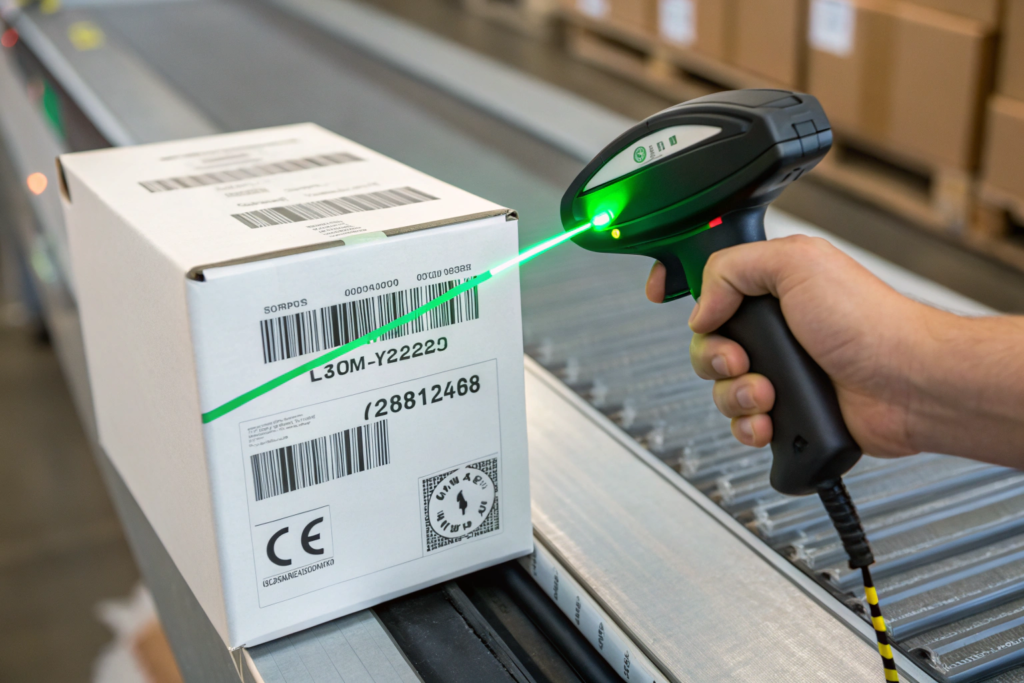
Amazon’s scanners are fast and unforgiving. A smudged barcode, a wrinkled label, or a label placed over the carton seam causes a scan failure. A scan failure means a manual receiving delay. Too many failures mean a rejection. We print FBA labels on high-quality thermal transfer printers. We do not use inkjet printers that smudge. We place the label on the smooth, flat side of the carton, never over a seam or a corner. We cover the label with a clear, non-reflective scannable tape sleeve if the shipment is going to a humid region. We scan every single barcode with a handheld scanner before the carton goes on the pallet. We generate a scan report. If one barcode fails, we reprint and reapply. That report is your proof of scannability. This barcode compliance step adds 30 minutes to the packing process. It saves you weeks of rework.
What Happens If Amazon Sends the Shipment to a Different FC?
Amazon sometimes redirects your shipment to a different fulfillment center than the one on your original shipping plan. This happens after you submit the plan. You get an updated FC address. A standard forwarder might miss the update. They ship to the old address. The old FC refuses the delivery. The trucker is stuck. We monitor your shipment plan in Seller Central up to the moment of dispatching the truck. We use the final confirmed address. If Amazon splits the shipment into multiple FCs, we adjust the trucking plan accordingly. We deliver to each FC in the most efficient route sequence. We update the bill of lading for each drop. This flexibility is built into our FBA DDP service. We do not charge a penalty for last-minute FC changes. We understand it is part of the Amazon logistics game.
How Does Our DDP Service Sync with Seller Central Workflows?
Seller Central is your command center. You create a shipping plan. You input the carton quantities and dimensions. You print the FBA labels. You send them to your supplier. The supplier attaches them. You then mark the shipment as "Shipped" and input the carrier information. A mistake in this digital workflow creates a mismatch. The physical goods arrive, but the digital record is wrong. Amazon’s system cannot receive them. The shipment goes into limbo. A non-FBA-savvy forwarder does not help you with this digital handshake. They just take the physical boxes. We integrate our service with your Seller Central workflow. We become the carrier on your shipping plan.
We sync with Seller Central by acting as the designated carrier for your FBA shipment. You input our carrier name into the shipment workflow. You provide us with the Shipment ID. Our operations team tracks the status from "In Transit" to "Delivered" on your behalf. We ensure the physical carton count matches the digital carton count exactly. If there is a discrepancy at the factory, we alert you to adjust the plan before the truck leaves. We provide you with the PRO number and delivery appointment details to input into Seller Central. This alignment between the physical cargo and the digital record prevents receiving delays and inventory discrepancies.
I recall an FBA seller who lost a week of sales because his forwarder delivered 10 cartons, but his shipping plan said 12 cartons. The factory had short-shipped 2 cartons and not told anyone. The forwarder delivered what they had. Amazon received 10 but expected 12. The shipment was suspended for investigation. The seller had to manually reconcile the plan. It took 5 business days. We catch this upstream. Our team at the origin warehouse counts the cartons against the Seller Central plan. If the numbers do not match, we stop the loading. We call you. We fix the plan or fix the cartons. The physical and the digital must match perfectly. We treat the data as seriously as the freight.
How Do We Handle the Carrier Appointment Scheduling?
You cannot just send a truck to an Amazon FC. The driver must have a scheduled appointment. The appointment is booked through Amazon Carrier Central. The appointment time must be adhered to exactly. A missed window means a refusal and a re-booking delay. We handle this entirely for you. Our logistics coordinators have access to the carrier portals. We input the shipment details. We select an available slot that aligns with our driver’s route. We send the driver with the appointment confirmation number. The driver checks in at the gate within the window. We track this in real-time. If the driver is delayed by traffic, we contact the FC to request a grace window. We manage the communication. You do not get the angry late-delivery email from Amazon. This carrier appointment management is a core FBA DDP service component. It is not an extra.
Can We Help with FBA Labeling at Origin Before the Goods Leave China?
Yes. This is one of our most popular FBA services. Many suppliers say they can label FBA cartons. But they use cheap inkjet labels that fade. They place them wrong. They misprint the barcode. You cannot physically check their work before the goods sail. We can. You ship the goods to our consolidation center in China without labels, or you trust us to receive and re-label them. You provide us the FBA labels via PDF. We print them on-site using our professional printers. We apply them to the correct cartons. We scan them. We take photos of the finished pallet. You approve the photos. The goods sail labeled and ready. This shift of labeling responsibility from the supplier to us removes the biggest single risk of an FBA rejection. The supplier focuses on making the product. We focus on preparing it for Amazon. This FBA prep service is fully integrated into our DDP pricing.
What About FBA Warehousing and Long-Term Storage Costs?
DDP shipping gets your goods to the Amazon FC. But the logistics chain does not end there. Once inside FBA, Amazon charges monthly storage fees. If your inventory sits too long, you pay long-term storage penalties. You also pay removal fees if you want the goods back. A smart FBA shipping strategy does not just move goods fast. It moves goods in the right quantity to avoid storage cost erosion. We advise our clients on shipment cadence. We help you balance the freight cost against the storage cost. Shipping a full container saves ocean freight per unit. But if that container holds 6 months of inventory, your storage fees might eat the freight savings. A smaller, more frequent LCL shipment under DDP might keep your storage fees low and your IPI score high.
We help you manage Amazon storage costs by offering flexible DDP shipment sizes. You can ship full container loads for high-velocity products. You can ship less-than-container loads for slower-moving gifts and accessories. We adjust the cadence to match your sales velocity. We do not push you toward a larger shipment just to increase our invoice. We calculate the landed cost per unit, including the projected monthly storage fee. If sending half a container every month is cheaper overall than sending a full container every two months, we tell you. Our goal is your total fulfillment cost optimization, not just the freight line item.
A seller of seasonal clothing was shipping one massive container before the winter season. The freight cost per unit was excellent. But the season was slow. Half the inventory sat in FBA for 11 months. Amazon charged him long-term storage fees that wiped out his freight savings. He was paying storage on sweaters in July. We analyzed his sell-through rate. We switched him to monthly LCL DDP shipments during the peak season and no shipments in the off-season. His total landed and storage cost dropped by 18%. He freed up cash flow. The freight unit cost went up slightly, but the total cost went down. That is the kind of holistic FBA cost management we bring to the table.
Should You Use LCL or FCL DDP for Your FBA Products?
Full Container Load is cheaper per unit. But it requires volume. If you sell a fast-moving accessory that turns over in 30 days, FCL makes sense. The storage fees are low because the inventory moves. If you sell a slow, steady product, LCL might be better. You ship smaller batches. You avoid long-term storage. We do not make this decision for you. We present both cost models. We show you the FCL DDP price and the LCL DDP price. We overlay the estimated Amazon storage cost based on your average monthly sales. The numbers make the decision clear. We also consider the risk. If you launch a new product, do not ship a full container. The product might not sell. The storage fees will punish you. Ship an LCL test batch. Validate the market. Then scale to FCL. We support both modes under DDP. We pivot with you as your inventory management needs evolve.
How Does Inventory Placement vs. Distributed Configuration Affect DDP?
Amazon lets you choose between Inventory Placement and Distributed Configuration. Inventory Placement sends all your units to a single FC. Distributed Configuration splits them across multiple FCs. Inventory Placement simplifies your DDP delivery. One truck goes to one location. Lower trucking cost. But Amazon charges a placement fee per unit. Distributed Configuration avoids the placement fee but means you deliver to multiple FCs. More trucking stops. Higher freight cost. We help you calculate the cross-over point. If the placement fee exceeds the additional trucking cost, we recommend Distributed. If not, we recommend Placement. We can handle both scenarios under our DDP service. We route the truck to the required FCs. We provide the separate delivery proofs for each stop. This flexibility ensures you optimize for the lowest total FBA inbound shipping cost.
How Does Our DDP Service Protect Your Amazon Account Health?
Your Amazon account health is your most valuable asset. A suspended account means zero revenue. Late shipments, high cancellation rates, and inbound shipment defects all damage your account health metrics. Logistics mistakes cause these defects. A missed FBA delivery appointment counts against you. A rejected pallet counts against you. A carton quantity mismatch counts against you. A cheap, non-FBA-aware forwarder is a direct threat to your account health. They do not see the connection between their operational errors and your suspended selling privileges. We see it clearly. Our DDP service is designed to be a shield for your account metrics.
We protect your Amazon account health by treating every FBA DDP shipment as a compliance mission. We maintain a 98% on-time delivery rate for FBA appointments. We achieve a less than 0.5% carton rejection rate. We document every step with photos and scan reports. If Amazon questions a delivery, we provide you with the evidence package to dispute the defect. We absorb the cost of a failed delivery if the error is ours. We do not leave you alone to fight an account health warning. We stand behind our operational performance with a written service level agreement focused on FBA inbound metrics.
A client once received an inbound performance warning from Amazon. The system claimed a carton was missing from a delivery we made. The client was worried. He forwarded the warning to us. We pulled up the scan report from our warehouse. We showed the exact time the missing carton was scanned onto the pallet. We pulled up the driver’s delivery confirmation showing the pallet count matched. We compiled a dispute package. The client submitted it to Amazon. The warning was removed within 48 hours. Without that documentation, it would have been his word against the system. Our paper trail protected his account. We do not just ship boxes. We build a defense file for your seller account health.

What Documentation Do We Provide for Dispute Resolution?
We provide a complete inbound shipment document package. This includes the signed bill of lading, the delivery appointment confirmation from Amazon Carrier Central, the driver’s signed proof of delivery, the barcode scan report showing every FBA label was readable, and timestamped photos of the pallets at our dock. This package is your evidence if Amazon reports a discrepancy. We organize it by Shipment ID. You can access it any time from your account manager. This documentation is not an extra service. It is standard. We know that FBA disputes happen. The side with the better documents wins. We make sure you win.
How Do We Handle Returns or Failed Deliveries to FBA?
Sometimes Amazon refuses a delivery due to an internal FC issue, not a problem with your shipment. The truck arrives, and the FC says they are over capacity. The truck is turned away. This is not your fault. But the goods need to go somewhere. A standard forwarder will abandon the pallets at a random yard. You will pay storage fees. We have contingency plans. Our last-mile carriers have access to short-term storage facilities near major FCs. If a delivery is refused, the trucker holds the goods at their secure yard overnight. We rebook the appointment for the next available window. We do not charge you a separate storage fee for this first reattempt. We manage the re-delivery. The goods get into the FC on the second try. You avoid the cost of a long-distance return to a 3PL. This FBA delivery resilience is built into our operational model.
Conclusion
Your FBA business runs on trust. Your customers trust you to have stock. You trust your supplier to make the product. You must trust your logistics partner to bridge the gap between the factory and the fulfillment center without breaking your account metrics. Standard DDP shipping delivers boxes to a door. Our FBA DDP shipping delivers compliant, scannable, appointment-scheduled pallets to the exact Amazon FC dock, backed by the documentation you need to protect your seller account. We handle the Importer of Record duty. We pay the tariffs. We manage the trucking appointments. We scan the barcodes. We build the pallets to spec. We sync the data with Seller Central. We cover the risks that a general forwarder does not even know exist.
I built this FBA specialization because I saw Amazon sellers getting crushed by logistics providers who did not care about FBA rules. Your business model is unique. Your logistics partner must be unique too. You need a team that understands the difference between a commercial delivery and an FBA inbound shipment. We are that team. We treat your FBA shipments like they are our own inventory heading to our own seller account. Ready to stop fighting rejections and start scaling your sales? Visit us at geesecargo.com and let us give you an FBA DDP quote for your next shipment. Let us carry the compliance burden so you can carry the Buy Box.


