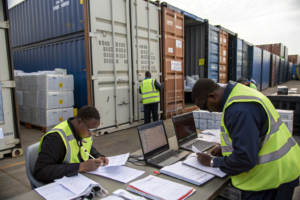
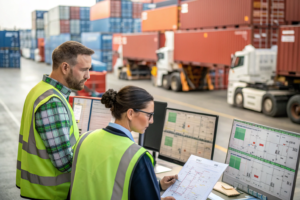
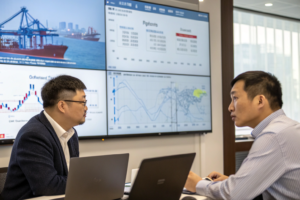
When one of our automotive clients replaced $4.3 million in imported components with 3D-printed alternatives, their container volumes dropped by 68% virtually overnight. As founder of GeeseCargo witnessing this manufacturing revolution, I've seen how additive manufacturing is poised to transform international shipping from a bulk transportation industry to a specialized knowledge logistics field.
3D printing will dramatically reduce bulk freight volumes for specific product categories while increasing specialized material shipments and high-value component transport. Industries like spare parts, medical devices, and prototyping will see 40-60% reductions in traditional shipping, while new logistics patterns will emerge around raw material distribution and digital file security. The transformation will be gradual but significant, potentially reducing global container volumes by 15-25% over the next decade.
The impact won't be uniform across all sectors—while some traditional shipping lanes may diminish, new opportunities will emerge in digital logistics, material science transportation, and last-minute manufacturing. Understanding these shifts enables forward-thinking businesses to adapt rather than react.
Which Industries Will See the Most Dramatic Shipping Reductions?
The 3D printing impact will concentrate in specific sectors where the technology offers compelling advantages over traditional manufacturing and shipping.
How Will Spare Parts Logistics Transform?
The $180 billion global spare parts industry faces fundamental restructuring. Currently, manufacturers maintain global networks of distribution centers storing thousands of SKUs, with parts shipped internationally to meet repair needs. 3D printing enables digital inventory where parts are manufactured locally when needed.
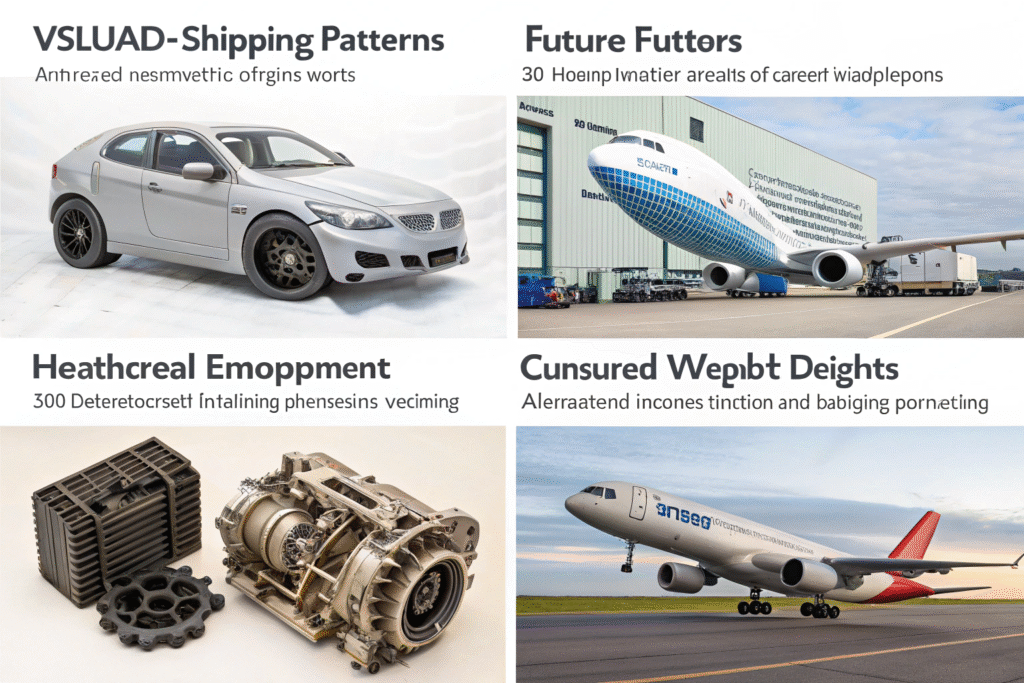
Aircraft maintenance exemplifies the potential impact. Airlines currently stock over $40 billion in spare parts globally, with urgent components shipped via air freight at premium costs. Boeing now 3D prints over 300 part numbers locally at maintenance facilities, reducing both inventory costs and emergency shipping expenses.
Automotive aftermarket parts represent another major opportunity. Rather than shipping replacement components from Asia to global markets, manufacturers can transmit digital files to regional 3D printing facilities, potentially reducing related shipping volumes by 50-70% within a decade.
What Healthcare Shipping Will Be Displaced?
Medical device and dental product shipping will see significant reduction. Custom dental implants, surgical guides, and hearing aid shells already transition to local 3D printing, eliminating international shipping for these high-volume, customized products.
Pharmaceutical supply chains may eventually transform. While still emerging, 3D-printed personalized medications could eventually reduce bulk active ingredient shipping, though regulatory hurdles will slow this transition significantly.
Medical equipment spare parts represent low-hanging fruit. Hospital equipment manufacturers increasingly maintain 3D printing capabilities on-site or regionally for emergency repairs, reducing air freight for critical components.
What New Shipping Patterns Will Emerge?
While some traditional shipping diminishes, new logistics opportunities will develop around the 3D printing ecosystem.

How Will Raw Material Shipping Evolve?
Specialized filament and resin shipments will increase. While overall material volumes may decrease, the transportation of engineering-grade filaments, metal powders, and specialty resins will become more specialized and potentially higher-margin.
Bulk polymer pellet shipping may replace finished goods transport. Rather than shipping completed products, manufacturers may ship raw plastic pellets to regional 3D printing facilities, though this represents significantly lower volume than finished products.
Hazardous material handling will require new expertise. Certain 3D printing materials like metal powders and some resins require hazardous material handling, creating specialized logistics opportunities.
What Equipment and Component Shipping Will Grow?
3D printer manufacturing and maintenance parts will create new shipping streams. As printer adoption grows, the transportation of printers, replacement components, and maintenance equipment will develop into significant shipping categories.
Ancillary equipment shipping will emerge as supporting industries develop. Post-processing equipment, finishing systems, and quality control instruments will require international distribution as local manufacturing hubs develop.
Recycling and material recovery systems may create reverse logistics. Closed-loop systems that recycle 3D printed products or unused materials could generate new shipping patterns for material reclamation and reprocessing.
How Will Supply Chain Structures Transform?
The fundamental architecture of global supply chains will evolve from centralized manufacturing to distributed production models.

How Will Inventory and Warehousing Needs Change?
Digital inventory will replace physical stock in many applications. Rather than maintaining global networks of warehouses storing finished goods, companies will store digital files and manufacture products closer to end-users.
Regional micro-factories will emerge as strategic assets. Companies will establish smaller, flexible manufacturing facilities in key markets, supplied with raw materials rather than finished products.
Safety stock calculations will transform mathematically. The economics of maintaining emergency inventory versus local manufacturing capacity will fundamentally change, with digital redundancy replacing physical buffer stock.
What Transportation Timing and Urgency Shifts Will Occur?
Less urgent but more precise timing requirements will emerge. While next-day air freight may decrease for certain components, precisely timed raw material deliveries to manufacturing facilities will become more critical.
Smaller, more frequent shipments may replace bulk container movements. Rather than quarterly container shipments, businesses may need weekly smaller raw material deliveries to distributed manufacturing facilities.
Reverse logistics for recycling and material recovery may increase. As circular economy principles integrate with 3D printing, shipping of used materials for reprocessing could become significant.
What New Logistics Services Will Develop?
The 3D printing revolution will create entirely new logistics service categories and business models.

How Will Digital File Logistics Emerge as a Service?
Secure digital distribution will become a critical logistics service. The transportation of CAD files, printing parameters, and quality control data will require secure, reliable digital logistics with verification and tracking.
Intellectual property protection during transmission will create new service demands. Logistics providers may develop secure digital transfer systems that protect manufacturing IP while ensuring file integrity during transmission.
Version control and configuration management will require logistics solutions. As digital designs evolve, managing version distribution and ensuring manufacturing facilities use current specifications will become a valuable service.
What Certification and Quality Assurance Logistics Will Develop?
Certified material tracking will ensure regulatory compliance. Industries like aerospace and healthcare will require complete material traceability from raw material production through final part certification.
Quality control specimen shipping will verify manufacturing consistency. Distributed manufacturing facilities may regularly ship test specimens to central laboratories for verification, creating new specialized shipping streams.
Certification document and audit trail management will become sophisticated services. The logistics of maintaining and transferring quality documentation across distributed manufacturing networks will require specialized handling.
How Should Businesses Adapt Their Logistics Strategies?
Forward-thinking companies are already preparing for the 3D printing transition through strategic planning and capability development.

What Supply Chain Redesign Approaches Make Sense?
Phased transition strategies balance current and future needs. Companies should identify which product lines and components can transition to distributed manufacturing first, then gradually expand as technology and economics improve.
Hybrid supply chain models will dominate during transition periods. Most companies will maintain traditional manufacturing for high-volume standardized products while implementing distributed manufacturing for customized, low-volume, or urgent need items.
Logistics partnership evolution should focus on flexibility. Rather than long-term fixed contracts, companies need partners who can adapt services as shipping patterns change and new requirements emerge.
How Can Logistics Providers Prepare for These Changes?
Digital capability development is essential for future relevance. Logistics providers must build secure digital transfer, tracking, and management capabilities alongside traditional physical logistics.
Material science expertise will become a competitive advantage. Understanding the handling, storage, and transportation requirements of advanced 3D printing materials will differentiate forward-thinking providers.
Partnerships with 3D printing service bureaus create early ecosystem positioning. Logistics companies that establish relationships with additive manufacturing facilities position themselves as integrators in the emerging distributed manufacturing landscape.
What Are the Realistic Timelines for These Changes?
The 3D printing impact will unfold gradually over the coming decade, with different industries and applications transitioning at varying paces.
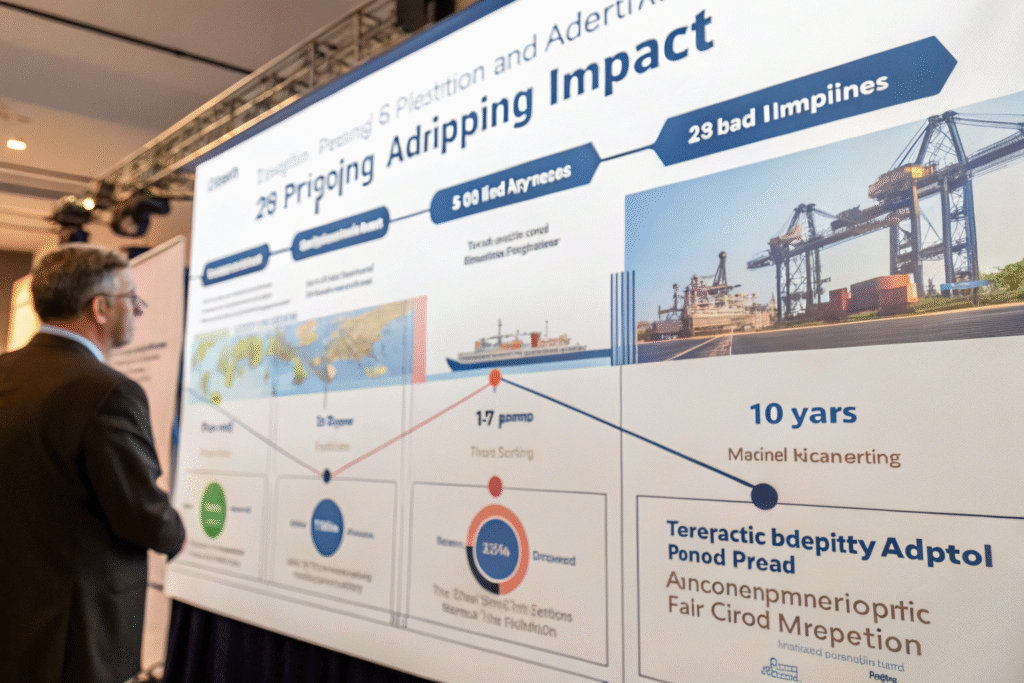
What Changes Can We Expect in the Next 1-3 Years?
Spare parts logistics will see the earliest significant impact. Industries with high inventory costs for low-demand parts will rapidly adopt 3D printing, reducing associated air and ocean freight.
Prototyping and product development shipping will continue declining. As companies internalize rapid prototyping capabilities, overnight shipping of prototypes between design centers and manufacturing facilities will decrease.
Specialized material distribution networks will begin developing. Logistics providers will establish dedicated services for engineering-grade 3D printing materials with specialized handling requirements.
What Transformations Will Occur in the 3-7 Year Horizon?
Distributed manufacturing networks will become commercially viable. As 3D printing speeds and material options improve, regional manufacturing hubs will become economically competitive with centralized production for more product categories.
Digital inventory concepts will gain mainstream acceptance. The practice of storing digital designs rather than physical products will expand beyond early adopters to mainstream manufacturing.
New logistics service models will emerge and stabilize. The initial experimentation with digital logistics, certification shipping, and material management will coalesce into standard service offerings.
Conclusion
3D printing will fundamentally reshape international freight needs, but the transformation will be evolutionary rather than revolutionary. The most significant impact will concentrate in specific sectors like spare parts, medical devices, and customized products, while bulk commodity shipping will see more gradual changes. The companies that thrive during this transition will be those that view 3D printing not as a threat to traditional logistics but as an opportunity to develop new capabilities and services.
At GeeseCargo, we're helping clients navigate this transition by developing hybrid logistics strategies that balance traditional shipping with emerging digital and material logistics. The most successful approaches recognize that 3D printing adoption will be gradual and uneven, requiring flexible logistics partnerships rather than radical overnight transformations.
Begin your preparation by analyzing which components or products represent the best opportunities for distributed manufacturing, then develop phased transition plans that maintain operational stability while building future capabilities. Remember that in logistics evolution, the goal isn't to predict the future perfectly but to build organizations agile enough to adapt as the future unfolds.