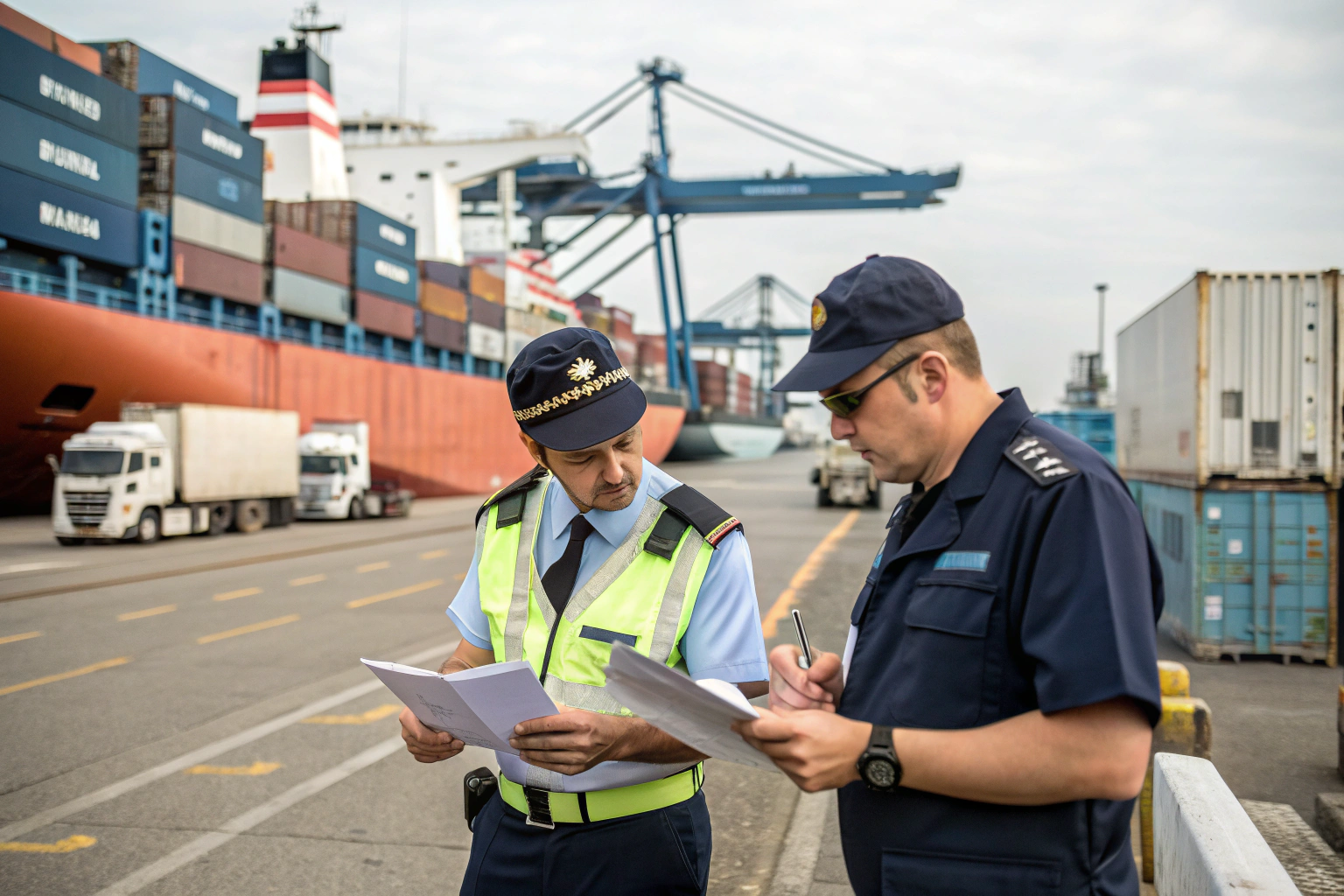
Freight regulations are a maze for many businesses. From customs laws and tariff codes to international shipping agreements, regulations constantly change and often differ from country to country. For importers and exporters, even a small mistake can mean shipment delays, penalties, or unexpected costs. As a freight forwarder with years of experience, I have seen how difficult compliance can be for companies trying to manage on their own.
The truth is, navigating freight regulations effectively requires preparation, knowledge, and reliable partners. By staying updated on laws, using accurate classification, and working with experienced freight forwarders, businesses can reduce risks and keep supply chains smooth.
For importers like Ron in the U.S., who source large shipments of clothing and accessories from China, effective regulatory navigation ensures timely delivery, predictable costs, and long-term growth.
What Are the Key Freight Regulations Importers Face?
Freight regulations vary by country and shipment type, but some apply universally.
The most important regulations cover customs clearance, HS code classification, and tariff compliance.
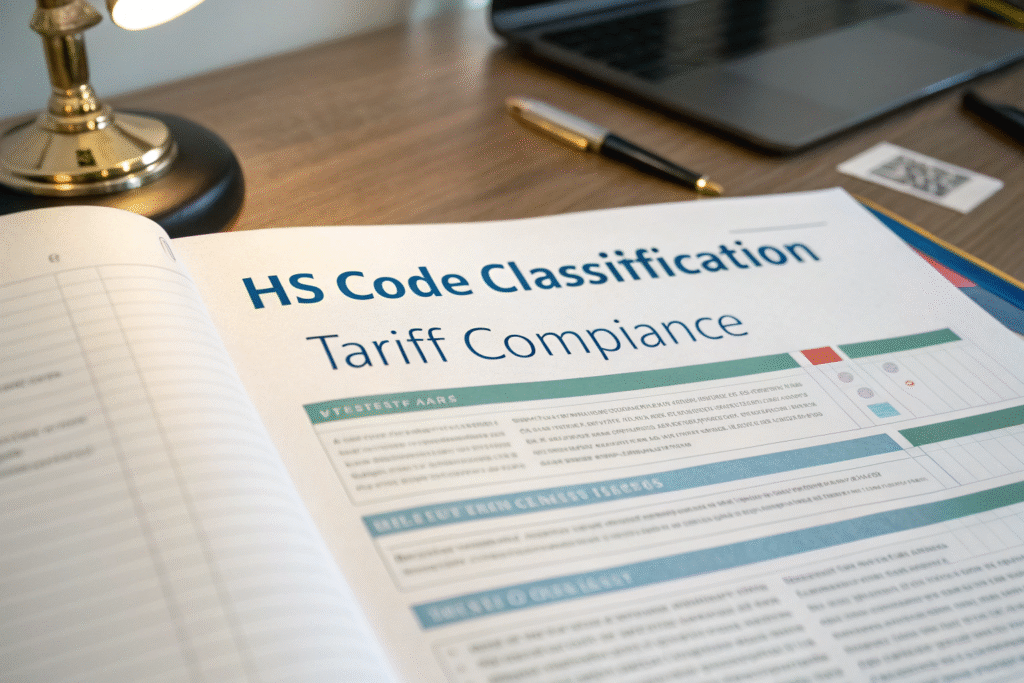
Why Is HS Code Classification So Critical?
The Harmonized System (HS) codes classify products for tariffs and duties. According to the World Customs Organization, more than 98% of traded goods use HS codes. Misclassification can lead to overpaying duties or legal penalties.
Freight forwarders help businesses like Ron’s identify the correct codes, ensuring compliance with international rules and avoiding costly mistakes.
How Do Tariff Regulations Affect Importers?
Tariffs are government-imposed duties on imported goods. Recent U.S.-China tariff changes proved how unpredictable they can be. The U.S. International Trade Commission frequently updates tariff schedules, and importers must stay aware of changes.
Freight forwarders monitor these updates and adjust logistics strategies so clients remain compliant without paying unnecessary fees.
How Do Freight Forwarders Help with Compliance?
Compliance is not optional—it is the foundation of successful global trade.
Freight forwarders simplify compliance by preparing accurate documentation, submitting digital filings, and staying connected with customs agencies.
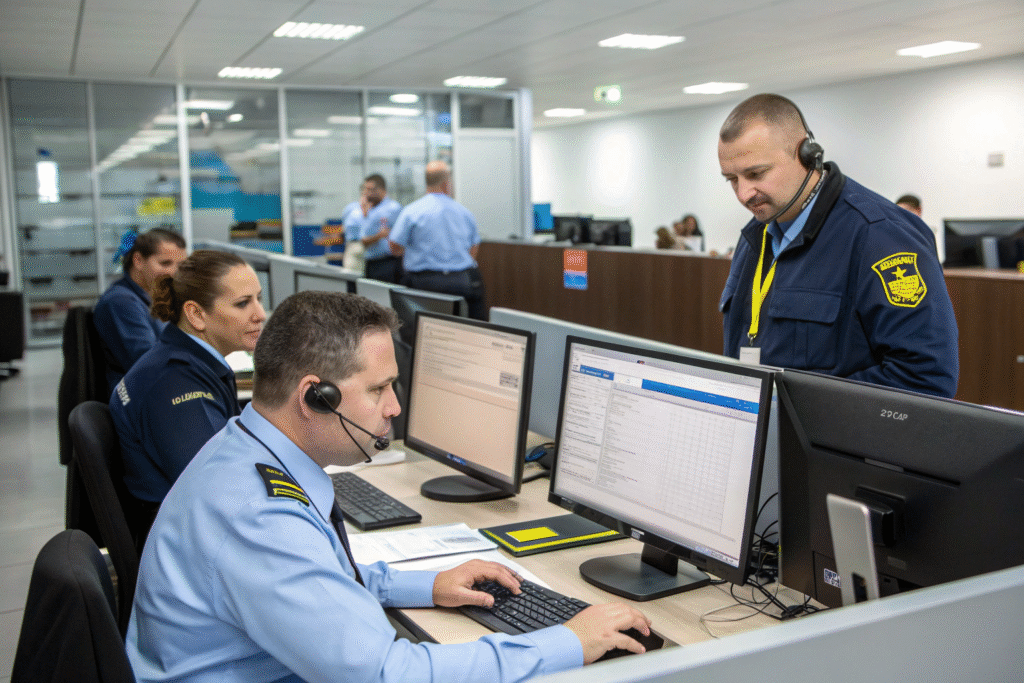
How Do Forwarders Ensure Accurate Documentation?
Documentation errors are one of the top causes of clearance delays. According to U.S. Customs and Border Protection, missing or inconsistent documents can result in shipment holds.
Freight forwarders check every invoice, packing list, and bill of lading for accuracy. By aligning documents with tariff and customs requirements, they reduce the chance of inspection or penalty.
Why Is Real-Time Monitoring Important?
Global freight rules change quickly. Platforms like Descartes Customs Info provide real-time updates on regulatory changes.
At GeeseCargo, we integrate these tools to notify clients immediately when new rules affect their shipments, keeping operations compliant and efficient.
What Strategies Help Businesses Navigate Regulations Smoothly?
Besides relying on forwarders, businesses must take proactive steps to stay compliant.
The best strategies include staff training, using digital tools, and leveraging trade agreements.

How Can Staff Training Prevent Mistakes?
Importers often make errors because staff lack knowledge of regulations. Training employees on HS codes, tariff updates, and customs procedures prevents costly compliance errors. Organizations like the International Chamber of Commerce provide training and resources for businesses.
Freight forwarders can also train client teams, giving them the confidence to manage documentation correctly.
How Do Trade Agreements Reduce Complexity?
Free trade agreements (FTAs) simplify tariffs and regulations between member countries. For example, the United States-Mexico-Canada Agreement (USMCA) provides tariff benefits for qualified goods.
By understanding and applying FTAs, businesses reduce costs and navigate fewer regulations. Freight forwarders help verify rules of origin to ensure compliance with agreements.
Why Are Freight Forwarders Indispensable in Regulatory Navigation?
Regulatory navigation is about more than paperwork—it is about experience and industry knowledge.
Freight forwarders bring expertise, global networks, and constant monitoring to ensure businesses stay compliant.

How Do Forwarders Reduce Business Risks?
Non-compliance leads to shipment delays, fines, and even business license suspensions. Reports from Journal of Commerce highlight how forwarders reduce risks by providing compliance audits and tailored logistics planning.
For Ron, this means peace of mind when shipping goods across borders.
Why Does Experience Matter Most?
Experienced freight forwarders have seen every regulatory challenge, from tariff disputes to customs inspections. At GeeseCargo, our years of working with customs officers worldwide give us the expertise to solve problems quickly.
This is why businesses choose us as their trusted freight forwarding partner to navigate global regulations.
Conclusion
Freight regulations are complex, changing, and often difficult for businesses to handle alone. From customs clearance and HS codes to tariffs and trade agreements, compliance requires constant attention.
Freight forwarders simplify this complexity by managing documentation, monitoring regulation changes, and leveraging global networks. For companies importing from China to the U.S., effective regulatory navigation ensures fewer delays, lower costs, and more predictable supply chains.
With the right partner, navigating freight regulations becomes a strength—not a burden.