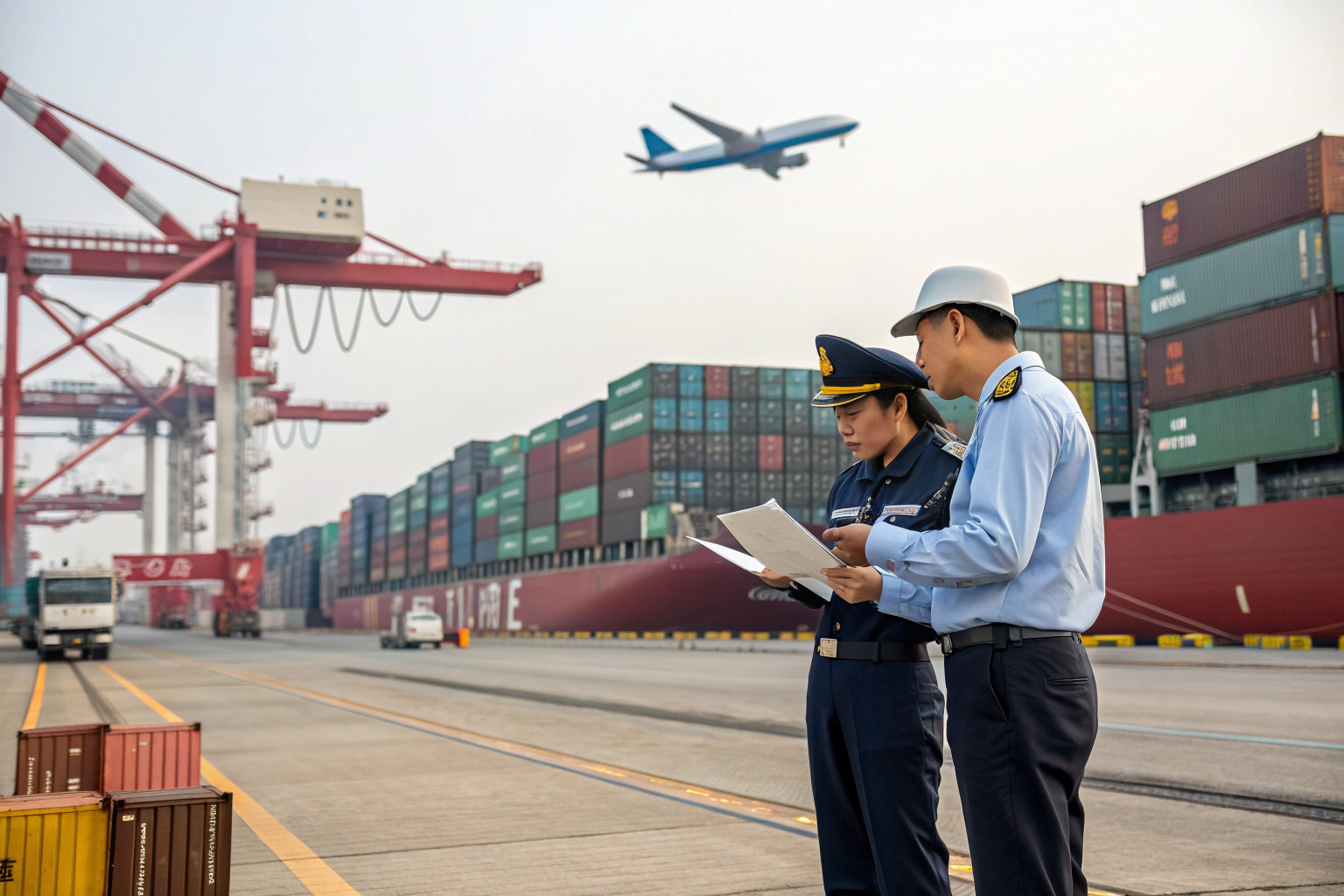
When it comes to global trade, tariffs are one of the most persistent challenges that importers and exporters face. As the owner of a freight forwarding company, I know firsthand how frustrating unexpected tariff costs can be for businesses shipping goods between China and the United States. Tariff-related delays, hidden fees, and unpredictable policy changes often lead to costly mistakes, which can damage relationships with clients and slow down the supply chain.
The good news is that there are proven strategies to manage tariff issues more effectively. By preparing early, keeping up-to-date with regulations, and leveraging professional freight forwarding expertise, businesses can reduce risks and even turn tariff management into a competitive advantage.
If you are a business owner like Ron in America, concerned about shipping clothing, accessories, or gifts from China, you will find this guide practical. I will walk you through tariff basics, compliance strategies, cost-saving tips, and the advantages of working with experienced freight forwarders like us.
What Are the Common Tariff Challenges?
Tariffs can be unpredictable and difficult to manage. Many importers and exporters struggle with confusing tariff codes, sudden policy changes, and unexpected fees. These issues directly impact profit margins and can delay shipments.
The most common tariff challenges include complex classification systems, inconsistent customs procedures, and surprise tariff hikes. Without careful preparation, businesses often end up paying more than necessary or dealing with unexpected shipment delays.
Why Do Customs Classification Errors Happen?
Misclassification of goods is one of the most frequent mistakes in international shipping. The Harmonized System (HS) codes are used globally to classify products, but they can be very complex. For example, apparel categories have subtle differences that can change tariff rates dramatically. If a company mislabels “cotton jackets” as “synthetic jackets,” the tariff applied can double.
Frequent updates to HS codes make the issue worse. Businesses that do not consult the World Customs Organization or their freight forwarder risk misclassification, leading to penalties and delays. This is why professional guidance is critical.
How Do Sudden Tariff Policy Changes Affect Importers?
Government trade policies change rapidly. When the U.S. imposed additional tariffs on Chinese goods in recent years, many businesses faced immediate cost increases. For small and medium enterprises, this can disrupt cash flow. For larger buyers like Ron, who ships large volumes of clothing, tariffs can shift pricing strategies overnight.
Companies that do not actively monitor U.S. International Trade Commission updates often find themselves caught off guard. Partnering with an experienced freight forwarder ensures businesses receive real-time updates and contingency plans.
How to Stay Compliant with Tariff Regulations?
Compliance is the foundation of efficient tariff management. Importers that fail to comply with local and international customs regulations risk fines, shipment holds, and even loss of trading licenses.
To stay compliant, businesses must use accurate HS codes, maintain proper documentation, and regularly review tariff policies in their main markets. This ensures smooth customs clearance and avoids unnecessary penalties.
Why Is Accurate Documentation Essential?
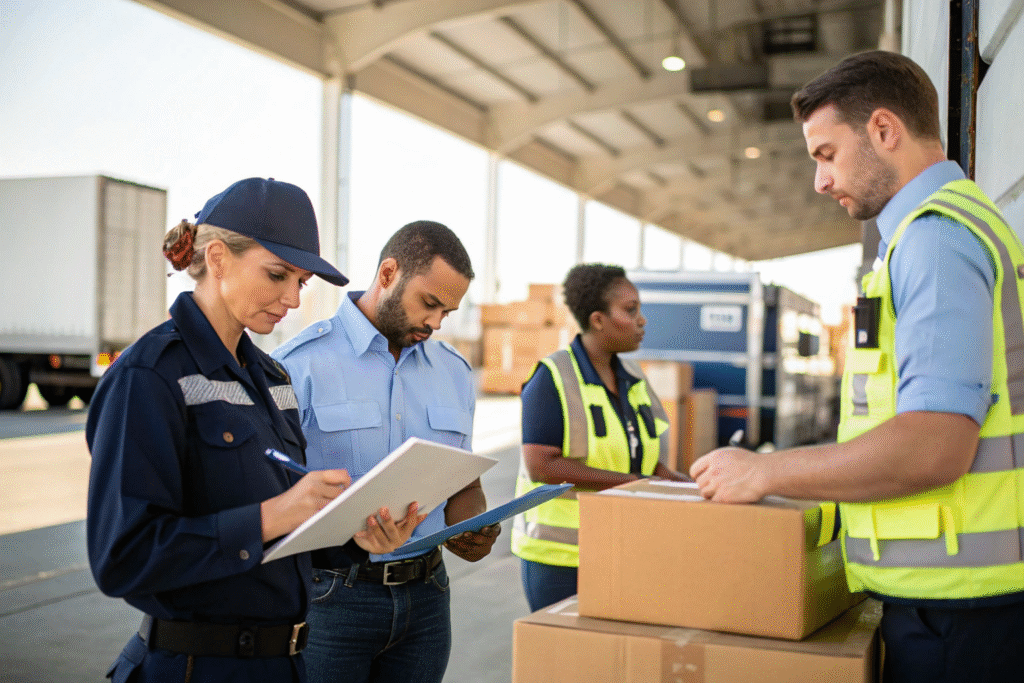
Every shipment must include correct invoices, packing lists, and product descriptions. A single missing or inconsistent document can trigger customs inspections. According to the U.S. Customs and Border Protection, incomplete or inaccurate paperwork is one of the top reasons for shipment delays.
For example, if an invoice lists “shirts” without specifying material, customs officers may reclassify the goods at a higher tariff. Freight forwarders like us verify all documents to match tariff codes and product details. Partnering with professionals minimizes risks.
How Can Businesses Monitor Policy Updates Effectively?
Governments frequently update tariff schedules. To manage this, companies need a proactive system. One effective way is subscribing to Customs Info Database services, which provide real-time updates on global tariff rules.
At GeeseCargo, we maintain constant contact with customs officers in Asia, Europe, and America. This network allows us to inform clients immediately about regulatory changes. Staying updated not only avoids fines but also helps businesses plan shipments strategically.
What Are the Best Cost-Saving Strategies for Tariffs?
Tariffs are unavoidable, but businesses can use smart strategies to minimize their financial impact. Effective planning and negotiation can reduce costs significantly.
The most effective cost-saving strategies include tariff engineering, using free trade agreements, and optimizing shipping schedules. These approaches allow businesses to stay competitive despite global tariff fluctuations.
Can Tariff Engineering Help Reduce Costs?
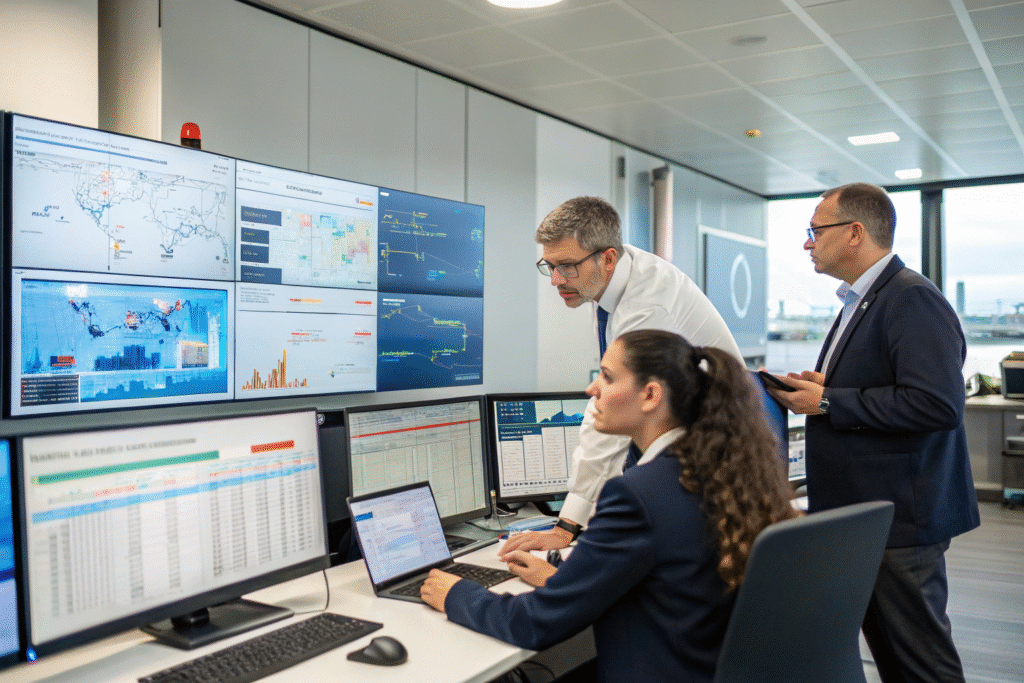
Yes, tariff engineering is a powerful method. It involves slightly modifying products or packaging to qualify for lower tariff categories. For example, separating clothing sets into individual pieces can sometimes reduce the overall tariff rate.
However, businesses must follow U.S. Customs Rulings to ensure compliance. Any manipulation that misrepresents the product is illegal. A freight forwarder’s expertise ensures that tariff engineering is both legal and beneficial.
How Do Free Trade Agreements Influence Tariffs?
Free trade agreements (FTAs) often provide reduced or zero tariffs for qualifying goods. For instance, the United States-Mexico-Canada Agreement (USMCA) allows tariff benefits for goods that meet regional content requirements.
For American buyers like Ron, sourcing part of the supply chain in FTA-partner countries can reduce costs significantly. Partnering with a freight forwarder ensures compliance with FTA rules of origin and maximizes benefits.
Why Work with a Freight Forwarder for Tariff Issues?
Even with preparation, tariff management can be overwhelming for businesses. This is where professional freight forwarders provide real value.
Freight forwarders simplify tariff handling by providing accurate classification, compliance monitoring, and real-time updates. They also negotiate with customs officials and plan shipments strategically to avoid unnecessary costs.
How Do Freight Forwarders Provide Real-Time Support?
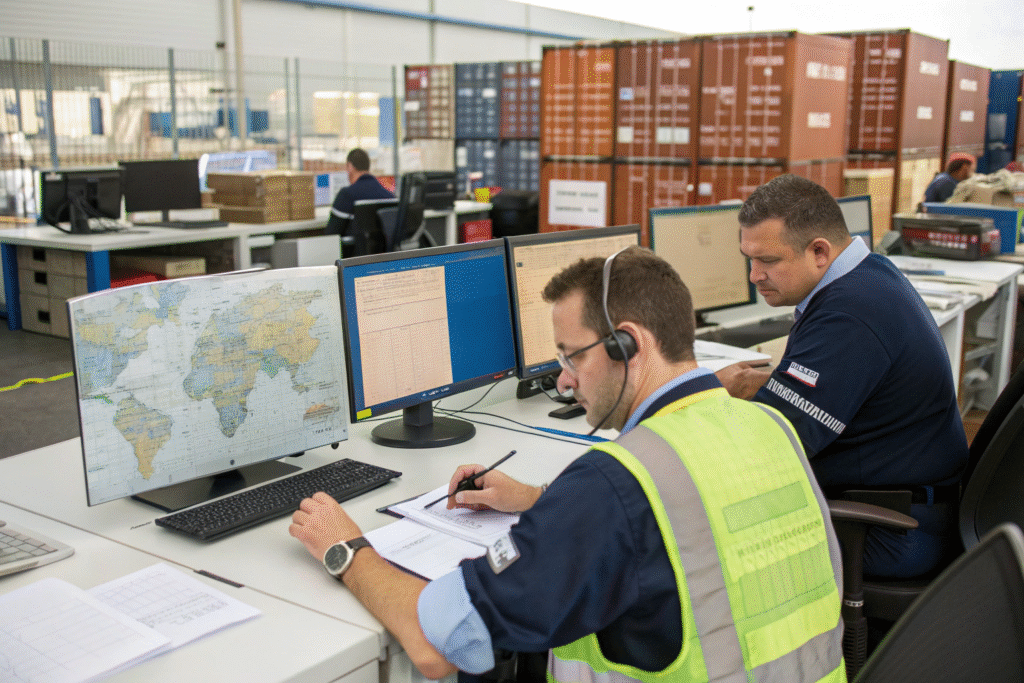
Freight forwarders maintain close communication with customs offices worldwide. For example, at GeeseCargo, we have direct contacts in major ports in China, Europe, and the U.S. This allows us to resolve tariff-related issues quickly and prevent shipment delays.
We also use digital platforms like Trade Map to analyze tariff trends, helping clients forecast potential risks. This proactive approach ensures that business owners like Ron never face last-minute surprises.
Why Is Experience the Key in Tariff Management?
Experience matters because tariff rules often contain gray areas. An inexperienced importer may waste time disputing with customs officials. A freight forwarder with years of experience knows how to present documents correctly, communicate with officials, and prevent misclassification.
At GeeseCargo, our reputation as a reliable freight forwarding company has helped many clients build stable supply chains. With strong industry connections and years of practice, we ensure tariff issues never stand in the way of global business growth.
Conclusion
Handling tariff-related issues is not just about avoiding extra costs—it is about protecting the entire supply chain. Misclassifications, missing documents, or sudden policy changes can disrupt operations. By understanding the most common challenges, staying compliant, applying cost-saving strategies, and working with experienced freight forwarders, businesses can achieve smoother trade flows.
As a freight forwarder, I know that tariff management is both an art and a science. With the right partner, companies like Ron’s can ship goods from China to the U.S. with confidence, speed, and security, ensuring long-term profitability in a competitive global market.